
Casa del Rey Moro, Ronda: the Water Mine, the Gardens and the Climb

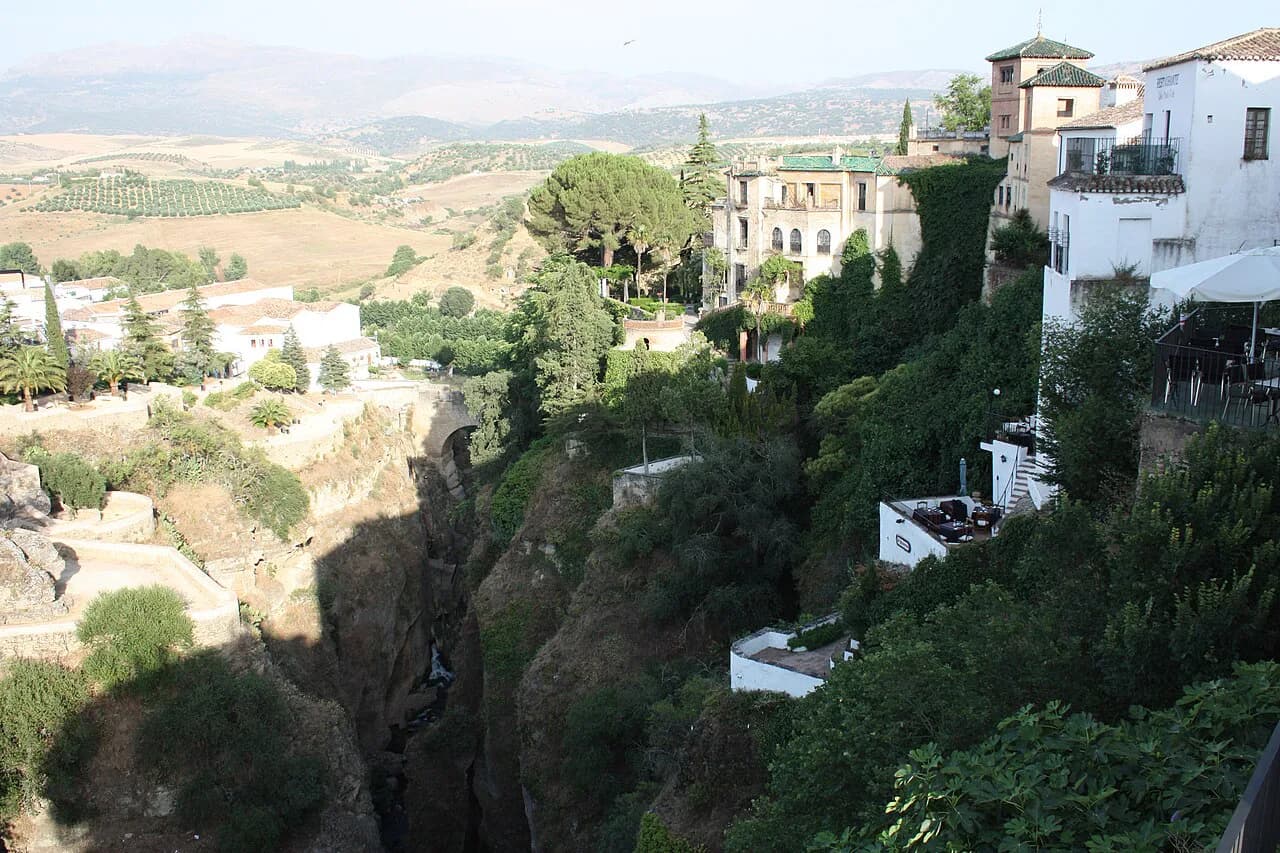
The Casa del Rey Moro is worth an hour or so in Ronda for two things: a stepped water mine driven down through the Tajo rock towards the Guadalevín, and a terraced Andalusian garden laid out by the French landscape designer Jean-Claude Nicolas Forestier. It sits on the cliff edge on the town side above the gorge, so it slots into a walk between the Puente Nuevo and the old town. This guide covers the site's layout, the history of the mine in the 1485 siege, the garden's origins, how long the descent and climb take, and where to check tickets and hours.
What the Casa del Rey Moro actually is
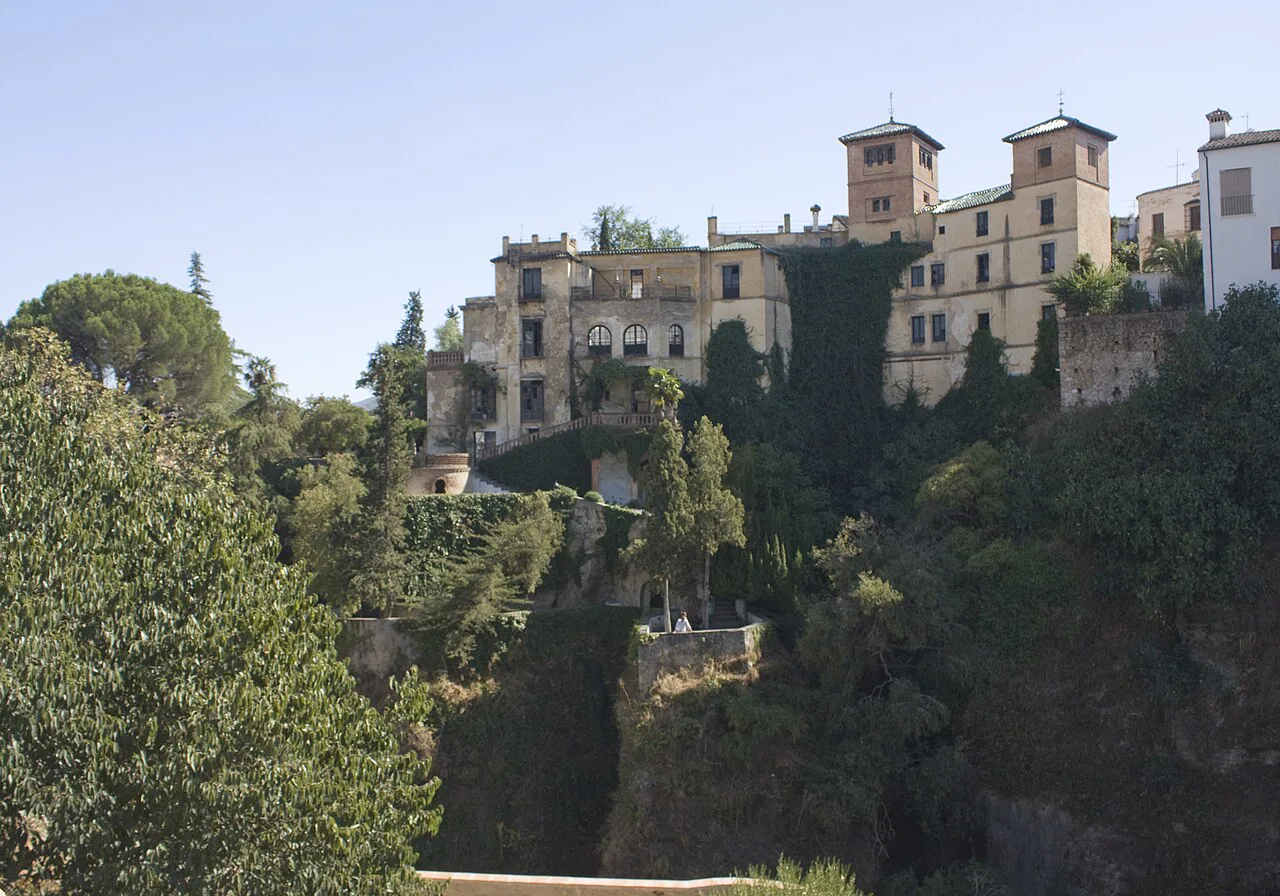
The name promises a Moorish king's palace, but the estate is an 18th-century property that was bought in 1911 by the Duchess of Parcent, who demolished much of the dilapidated building and put up her own mansion on the spot. The name has no firm historical basis. What draws visitors is what lies behind and below the house: the garden Forestier designed for her and the water mine cut into one flank of the Tajo.

Where it sits in Ronda and how to reach it
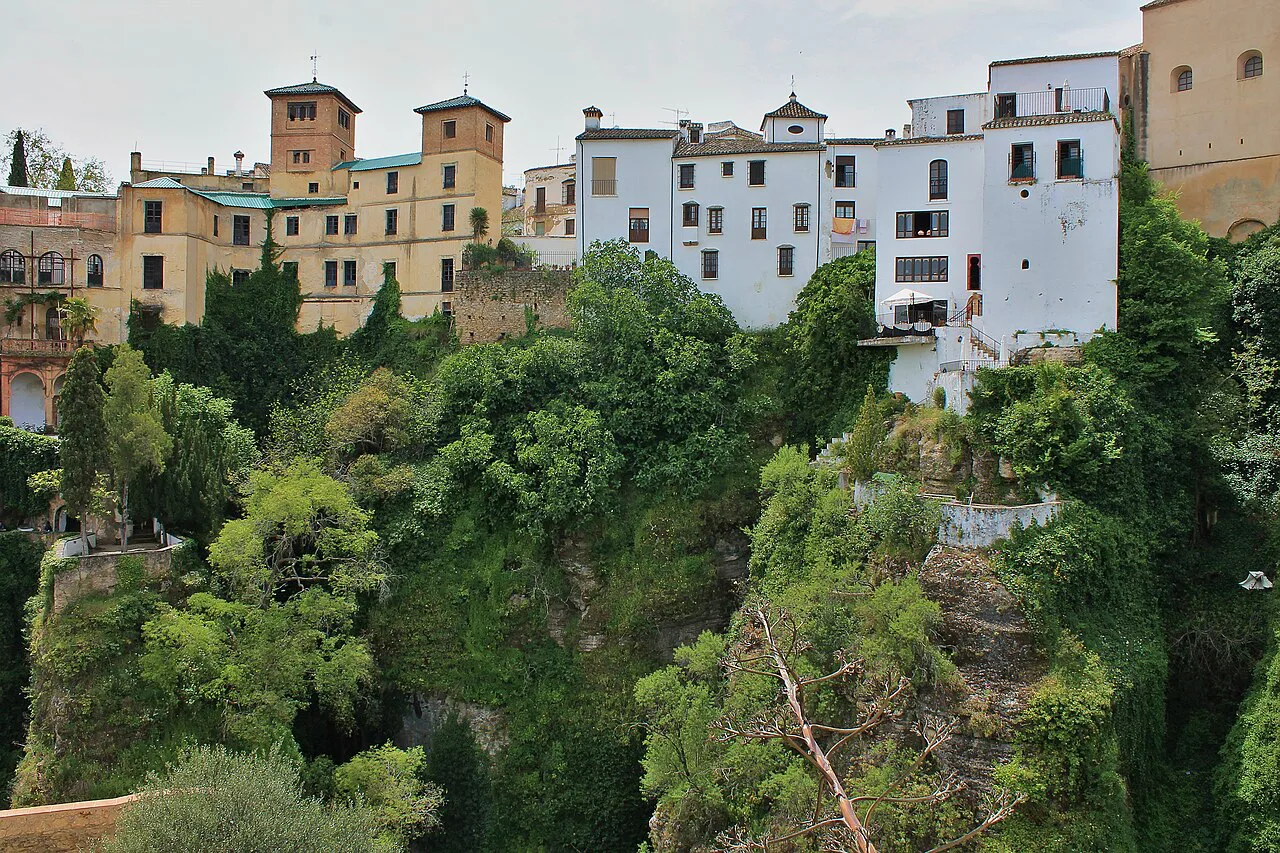
The Casa del Rey Moro stands on the edge of the Tajo, the gorge that splits Ronda, and the Puente Nuevo carries the road across the gorge nearby. It makes a natural stop on a circuit of central Ronda, which our guide to Ronda Attractions sets out in full.
Ronda is reachable from Málaga by road and rail, and the station and bus stops sit in the new town, well within walking distance of the bridge and the gorge. Confirm current service times with the operator before travelling rather than relying on an old timetable.

The Mina del Rey Moro: a stairway down the cliff
The mine is not a horizontal adit but a vertical shaft cut from the surface of the Tajo down towards the river, with galleries and openings in its outer wall. Those openings let defenders fire out from inside the shaft, which is why the Legado Andalusí describes the mine as a coracha, a fortification built to protect a water supply in war and in siege. It was fed both by a well and by water drawn up from the Guadalevín below.
Access to the river end also allowed an escape route if the town fell. The exact date the mine was first cut is unknown, but the site was chosen for its strategic value rather than its convenience.
Why the mine decided the 1485 siege
During the Christian conquest of al-Andalus, Ronda was a frontier stronghold of the Nasrid kingdom, and its water supply was its main defence against siege. In 1485 the troops of the Marqués de Cádiz attacked the mine as the city's most solid line of resistance. The chronicler Andrés Bernáldez, secretary to the Catholic Monarchs, recorded that the marquis opened an entrance at the bottom of the gorge, found the stairs and put men inside to hold the water.
With the supply cut, the city surrendered within days. Ronda lay in the cora of Takurunna, governed between 1333 and 1339 by the Merinid prince Abd al-Malik, and its position on the frontier explains why so much engineering went into a well.
The gardens: Forestier's Andalusian terraces
The Duchess of Parcent commissioned Jean-Claude Nicolas Forestier, the landscape architect behind the Parque de María Luisa in Seville, to lay out an Andalusian garden across the levels of the estate. The result is a sequence of terraces stepping down the cliff edge, with planting, water and shade, and it is the part of the visit that asks the least of your legs.
The garden is also the best place to read the site as a whole, since the house above it gives the setting its shape and the mine drops away from the same rock. Allow a little time to sit and look back at the gorge before or after the descent.
The house itself
The house is not open to the public, so the visit is about the garden and the mine rather than rooms. Set your expectations accordingly, and treat the building as the backdrop rather than the attraction.
Tickets, opening hours and booking
Tickets, opening hours and any closing days are set by the site, so check the current information with the operator and buy ahead if you are visiting at a busy time.
How long to allow and what to wear
An hour covers the garden and the mine at a calm pace. The descent is quick, but the climb back up the shaft is the honest trade-off: worn stone steps, low light and warm, still air, which is hardest in the middle of an Andalusian summer day.
Wear shoes with grip and go early or late rather than at midday, when the stone steps and the garden terraces hold the heat. Anyone unsteady on stairs should enjoy the garden from the top and skip the shaft; there is no view worth a fall.
Nearby: Puente Nuevo, the old town and the Baños Árabes
The Puente Nuevo, Ronda's great bridge over the Tajo, is a few minutes away and the obvious next stop on the same walk. Our guide to Puente Nuevo, Ronda covers the viewpoints on both sides of the gorge.
Beyond the bridge, the old town holds the Plaza de Toros de Ronda, the Baños Árabes de Ronda and the Palacio de Mondragón, all reachable on foot in a single day.
Is the Casa del Rey Moro worth it?
Yes, if you treat it as a short, distinctive stop rather than a full monument. The combination of Forestier's terraces and a genuine piece of siege engineering inside the cliff is a strong reason to give it an hour.
Skip the shaft if the stairs worry you, go early or late in summer, and check the current tickets and hours before setting out.