
Tarragona Archaeological Museum (MNAT): What to See and How Long It Takes

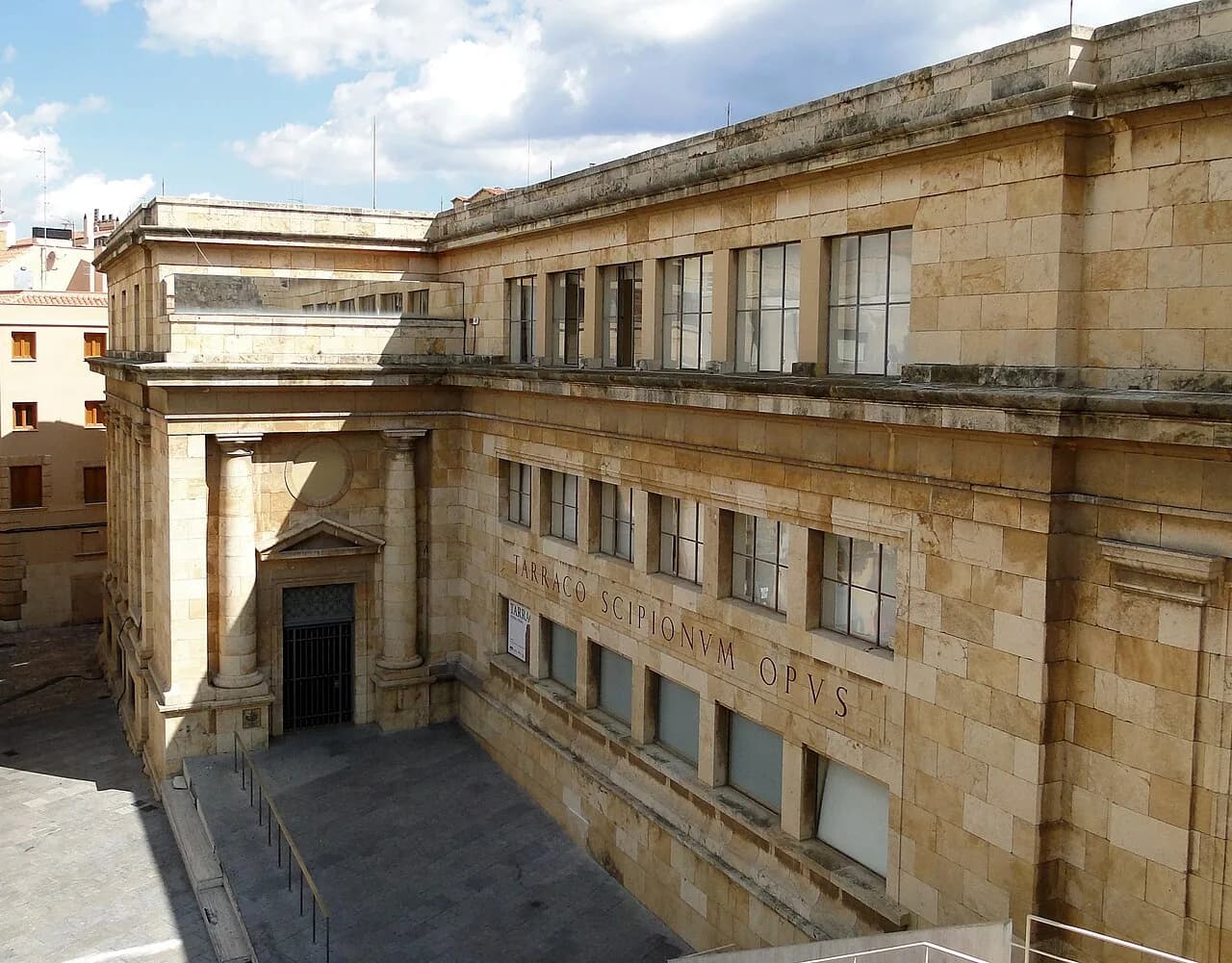
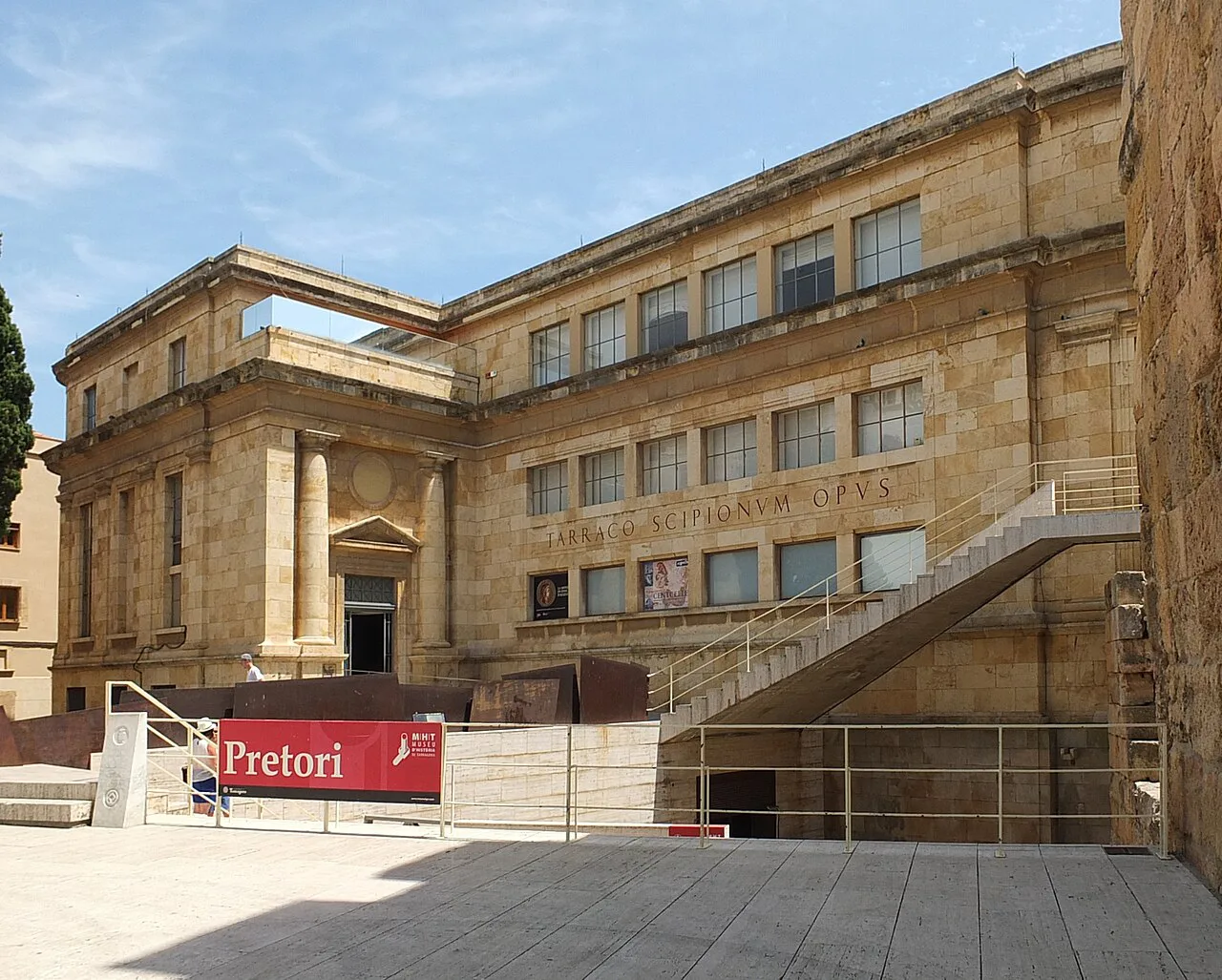
The Museu Nacional Arqueològic de Tarragona is the one museum to prioritise in the city if you want the finds from Roman Tàrraco explained in sequence, and an hour to ninety minutes covers it well. It sits on Plaça del Rei at the edge of the old town, a short walk from the cathedral and the Roman circus, so it slots easily into a half-day circuit. This guide covers what the museum holds, how to reach it, the opening hours and ticket options, and what else managed by the same organisation is worth adding.
Where the museum sits and how to reach it
The museum's address is Plaça del Rei, 5, in the upper old town, close to the cathedral and the remains of the Roman provincial forum. On foot from the Rambla Nova or the railway station it is a steady climb through the old streets, and the reward is that the amphitheatre, circus and cathedral are all within the same compact area. Allow fifteen to twenty minutes from the station on foot if you walk directly, longer if you stop on the way.
If you are arriving by train, the station sits below the old town and the museum is uphill from it; local buses run between the lower town and the old town, and taxis are available at the station rank. For the wider set of Roman sights in the city, the Tarragona Attractions: 5 Visitor Guides hub maps how the museum, amphitheatre and circus relate to each other so you can plan a single walking route rather than backtracking.

Opening hours by season and the days it closes
Opening hours split by season. From January to May and from October to December, the museum opens on weekdays from 9:30 to 18:00, while Sundays and public holidays run from 10:00 to 14:00. In June, July, August and September, weekday hours extend to 9:30–20:30, with the same short Sunday and holiday morning.
The museum closes on Mondays and on 1 January, 1 May, 25 and 26 December, with local holidays on 19 August and 23 September also closed. That makes Monday a poor day to build a Roman-themed day around the museum, so check the calendar before you fix your route. The free entry on the last Tuesday of the month, between October and June, is worth noting when you plan.

Tickets, reduced entry and free-entry slots
Standard admission is 5 euros, with a reduced rate of 4 euros for visitors aged 65 and over, pensioners, youth-card holders, students with an international student card, large-family card holders and pre-booked non-tourist groups of ten or more. Entry is free for under-16s, unemployed visitors, ICOM and ICOMOS members, accredited museum professionals and teachers, and pre-booked school groups with a teacher. The same page also sets out the monthly free slot, the last Tuesday of each month from October to June.
Buy your ticket at the museum itself rather than assuming an online slot, and bring proof of status if you are claiming a reduced or free rate. If you plan to see several MNAT sites in the same trip, the museum is the natural place to ask what combined or single tickets cover before you commit.
What to see inside: the Júpiter-Amón medallion, the mosaics and the sarcophagi
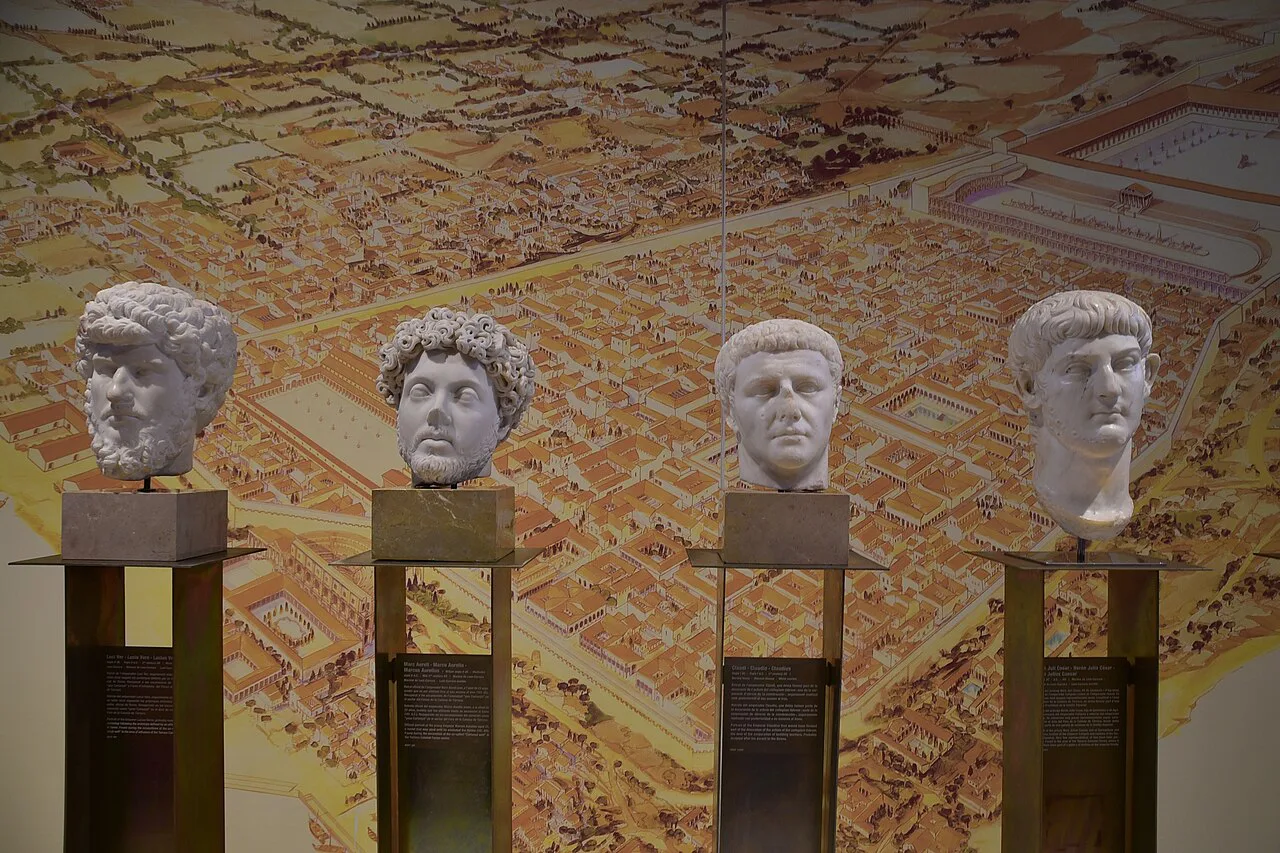
The collection is arranged to tell the story of Romanisation in the Iberian Peninsula, drawing on finds from Tàrraco and its territory. The highlights include a fragment of a medallion, or clipeus, showing Jupiter-Ammon, an altar dedicated to the Numen of the Augusti, and a statue base inscribed to the genius of Colonia Tarraco. Look also for the statues of Bacchus, the young Hercules, Claudius and Minerva, and the portrait of Nero Julius Caesar.
The mosaics are the other strong draw. The Medusa-head mosaic is described as the best of those found in Tarraco and comes from the city's residential zone; the Euterpe mosaic, showing the muse of music, was found at the Roman villa of Els Munts in Altafulla; the Fish mosaic decorated a room at the villa of Calípolis in Vila-seca. Two carved sarcophagi, the Sarcophagus of the Lions and the Sarcophagus of the Pedagogue, round out the sculpture.
Smaller pieces reward a slower look: an articulated ivory doll found inside a child's sarcophagus in the necropolis, and a bronze lamp decorated with a theatrical mask from the villa of La Llosa. These objects give a sense of daily life that the monumental sculpture alone cannot.
The stretch of Roman wall beneath the building
The museum has occupied its purpose-built home since 1960, and in the basement a stretch of the Roman city wall survives in situ. It is an unusual bonus: you are standing inside a modern building with a piece of Tàrraco's defences beneath you. Allow a few minutes to look at the construction and the way the museum has been built around it.
How long to allow and when to go to avoid the crush
An hour to ninety minutes is enough to see the main rooms and the basement wall without rushing. Add another half hour if you read the labels closely or want to study the mosaics. Because weekday opening hours run later in summer, an early evening visit in June to September is a comfortable way to avoid the middle-of-the-day heat.
Sunday mornings are short, finishing at 14:00, so they suit an early start combined with the cathedral or the amphitheatre afterwards. If you can choose, a weekday morning in spring or autumn is the quietest option and gives you the full day afterwards for the old town.
Other MNAT Roman sites around Tarragona and the Tarragonès
The museum is the hub of a wider network of UNESCO-listed Roman sites, including the Vil·la romana dels Munts at Altafulla, the Conjunt romà de Centcelles at Constantí and the Pedrera del Mèdol quarry. The Arc de Berà and the Torre dels Escipions stand on the Via Augusta outside the city. Guided visits and open days for these sites run through the year and are listed on the MNAT site.
One of the managed sites, the Necròpolis de Tàrraco, is closed temporarily while a second phase of rehabilitation work is carried out, so plan around it if it was on your list. The Roman Aqueduct of Tarragona (Aqüeducte de les Ferreres), north of the city, is another Roman stop that pairs well with a museum morning.
Nearby: the Roman theatre and the old town around the museum
The Teatre de Tàrraco, the city's Roman theatre, is part of the same network and runs free guided visits on the first Sunday of each month, with booking through the MNAT site. The surrounding old town holds the cathedral, the Roman circus and the amphitheatre within a short walk of Plaça del Rei, so you can combine the museum with one or two of them in a single morning.
The Amfiteatre de Tarragona, down by the sea, and the Roman Circus of Tarragona, buried beneath the old town, are the other two headline Roman sights in the city; the latter is best seen as part of a walk through the streets above it.
Is the archaeological museum worth your morning?
Yes, if you want context for the ruins you will see elsewhere in Tarragona. The museum's collection gives names and stories to the amphitheatre, circus and walls, and the basement wall is a detail you will not find in many city museums. An hour to ninety minutes is enough, and the ticket price is modest.
Check the clock before you go: Mondays are closed, Sundays are mornings only, and the free last-Tuesday slot runs from October to June. Build the rest of your day around the cathedral, the amphitheatre or the circus, all within walking distance.
Frequently Asked Questions
Do I need to book tickets in advance?
Advance booking is not necessary for standard admission; buy at the museum on the day. For free guided visits and open days at the wider MNAT sites, the organisation asks visitors to reserve through its website.
Is the museum suitable for children?
Under-16s enter free. The mosaics and the ivory doll tend to hold children's attention, and the building is compact enough for a short visit. The museum also runs family activities, listed on its site.