Moorish Spain: Where to See al-Andalus Beyond Granada
Moorish Spain is the surviving al-Andalus heritage of the south. This guide picks the alcazabas, Arab baths and palaces you can visit beyond Granada and Córdoba.
On this page
Moorish Spain is the surviving architecture and townscape of al-Andalus, the Islamic territory that covered much of the Iberian Peninsula between the early eighth century and the end of the fifteenth. The monuments are concentrated in the south, so a short break flown into Málaga puts several within a train ride. This guide covers the fortresses, bathhouses and palaces worth your time outside Granada and Córdoba, plus the dynastic history you need to make sense of them.
What Moorish Spain means: al-Andalus from 711 to 1492
Muslim forces crossed into Iberia in 711, and the Umayyads soon established their capital at Córdoba. The Almoravids arrived from North Africa towards the end of the eleventh century, followed closely by the Almohads, and in the thirteenth century the Nasrids began a reign in Granada that lasted around 250 years. The last Nasrid ruler, Boabdil, left for Fez in Morocco after the Christian reconquest closed the kingdom at the end of the fifteenth century.
That long sequence of dynasties explains why the buildings differ so much in style: an eleventh-century fortress and a fourteenth-century palace can stand a few streets apart and share almost nothing but the horseshoe arch. Treat the dates as background rather than a route. If you want the broader set of World Heritage monuments across the country, the guide to UNESCO sites in Spain maps them by region and helps you decide which are worth building a break around.
Why most surviving Moorish buildings sit in the south
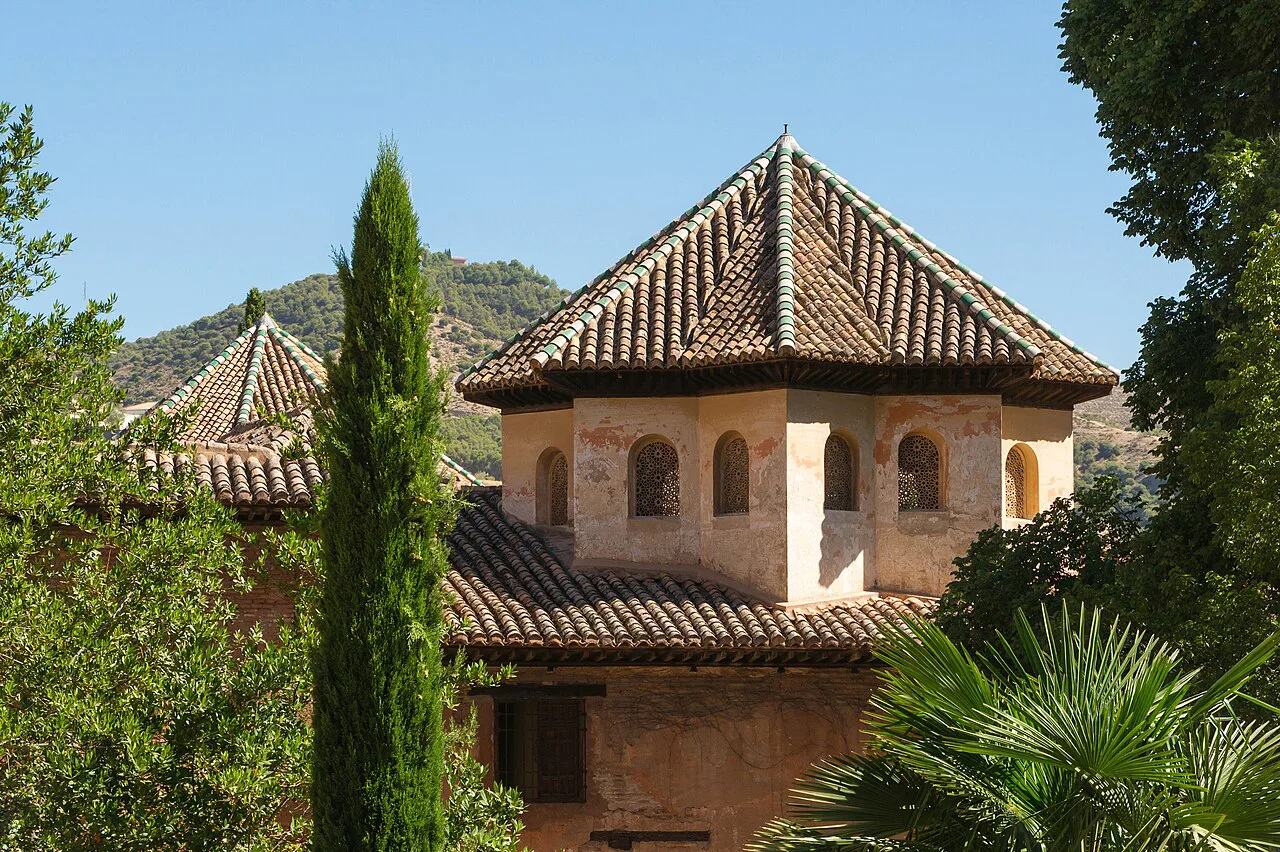
Al-Andalus was governed for centuries from Córdoba, Seville and Granada, so the south holds the densest concentration of palaces, mosques and fortresses. Many mosques were destroyed or converted into churches after the reconquest, and palaces were reused, rebuilt or left to decay, which is why what survives is only a fraction of what once stood. The decorative vocabulary that survives on them, from horseshoe arches to carved stucco, is the thread to follow through the buildings described here.
For a short break, that southern bias is convenient: Málaga and Alicante both have airports with frequent UK flights, and Palma works as a base for the eastern coast. Pick two sites rather than five. A hilltop Alcazaba in the morning and a converted mosque in the afternoon makes for a fuller day than rushing between towns.
The Alcazaba of Málaga: a hilltop fortress above the old town
Málaga's Alcazaba sits on the slope below the Gibralfaro castle, looking down over the port and the old centre. It is a palace-fortress rather than a bare ruin: you walk through a sequence of gates, courtyards and narrow planted passages that show how defensible architecture and comfortable living were combined. The site is a natural first stop on a city break because the old town, the cathedral and the port are all within walking distance below it.
Give it a generous morning rather than an hour. The climb through the gates is steady, the stone paths are uneven in places, and the upper terraces are exposed to the sun. Inland Andalusian heat is fierce at midday in summer, so an early start matters more here than in coastal towns. The Alcazaba pairs well with the Roman theatre at its foot and with the Picasso museum in the streets below.
The Alcazaba of Almería: Spain's largest Moorish fortress
Almería's Alcazaba spreads over three walled enclosures on the hill above the city. The lower enclosure held gardens and housing, the middle one the governor's residence, and the upper the military core, so a walk through it is a lesson in how a taifa kingdom organised defence and daily life. It is the reason to stop in Almería rather than pass through, and it sits close enough to the port and the cathedral to fill a day.
Almería is reached by air or by long road and rail journeys from Málaga, so it suits a longer trip rather than a weekend. The city is also strongly associated with the filming of Game of Thrones locations Spain, which draws some visitors to the Alcazaba who would otherwise skip it. Go early in the day: the enclosures offer little shade and the climb between levels is constant.
Ronda's Arab Baths and the Puente Viejo
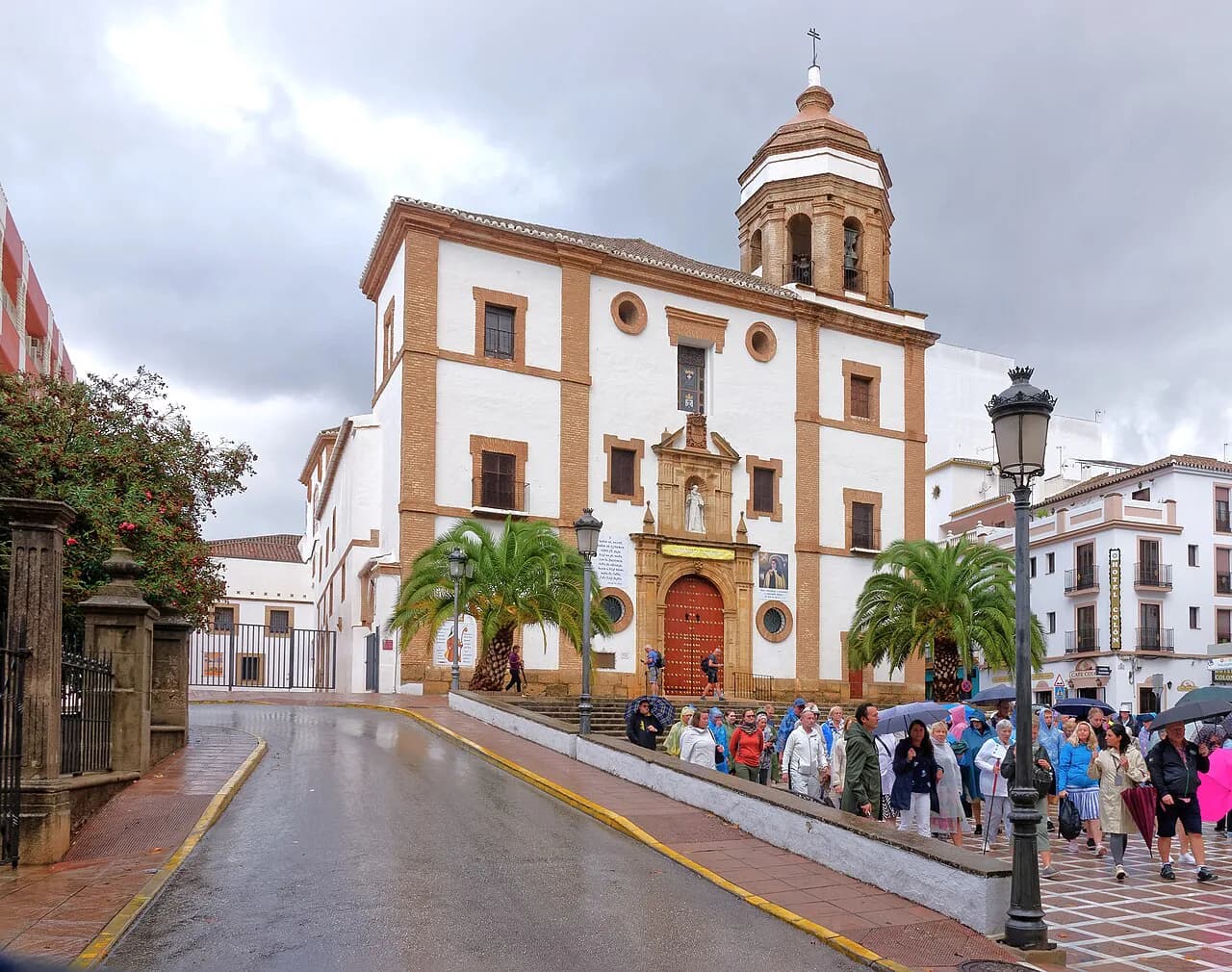
Ronda's Arab Baths are among the best preserved in Spain, with the vaulted hot, warm and cold rooms still legible beneath the roofline. They sit near the Puente Viejo, the older of the town's two bridges over the gorge, and the walk between the two takes you through the quieter streets of the old town rather than the crowded viewpoints. The baths are a small site, so see them early rather than at the end of a long day of sightseeing.
The baths are small and a visit takes under an hour, which is why Ronda works best as a stop on a wider Andalusian route rather than a destination on its own. Combine them with the Puente Nuevo and the town's churches, then move on. In summer the gorge and the open squares are punishing at midday, so plan the baths for the morning and the shaded streets for the afternoon.
Toledo: the Puerta de Bisagra and the Mosque of Cristo de la Luz
Toledo's Puerta de Bisagra is the monumental gate on the northern approach to the old city, and it announces the transition from the modern town to the walled centre. Just inside, the Mosque of Cristo de la Luz is a small ninth-century mosque later converted into a church, and it preserves its original horseshoe arches and columns in a space small enough to read in detail. Both are on the same walk into the old town, which makes them a sensible pairing.
Toledo rewards a full day rather than a half. The old town is steep and tightly packed, the cathedral and the synagogues alone can take hours, and the streets funnel crowds into narrow corridors by mid-morning. Arrive early, walk the gate and the mosque before the coaches unload, and keep the afternoon for the larger monuments.
Zaragoza's Aljafería: a Moorish palace inside a working parliament
The Aljafería in Zaragoza is one of the great surviving Moorish palaces outside Andalusia, built in the eleventh century for the taifa rulers of the city. Its arcaded courtyard and ornate arches survived later Christian rebuilding, and the complex now houses the parliament of Aragon, so part of the visit is a working government building rather than a ruin. That combination of palace and institution makes it unlike any other site on this list.
Zaragoza is on the high-speed rail network from Madrid and Barcelona and is easy to reach from either, which makes the Aljafería a realistic stop on a city break rather than a dedicated pilgrimage. The palace interior is compact, so an hour or two is enough, and it pairs with the basilica and the Roman remains by the river.
What to read in the buildings: horseshoe arches, muqarnas and courtyards
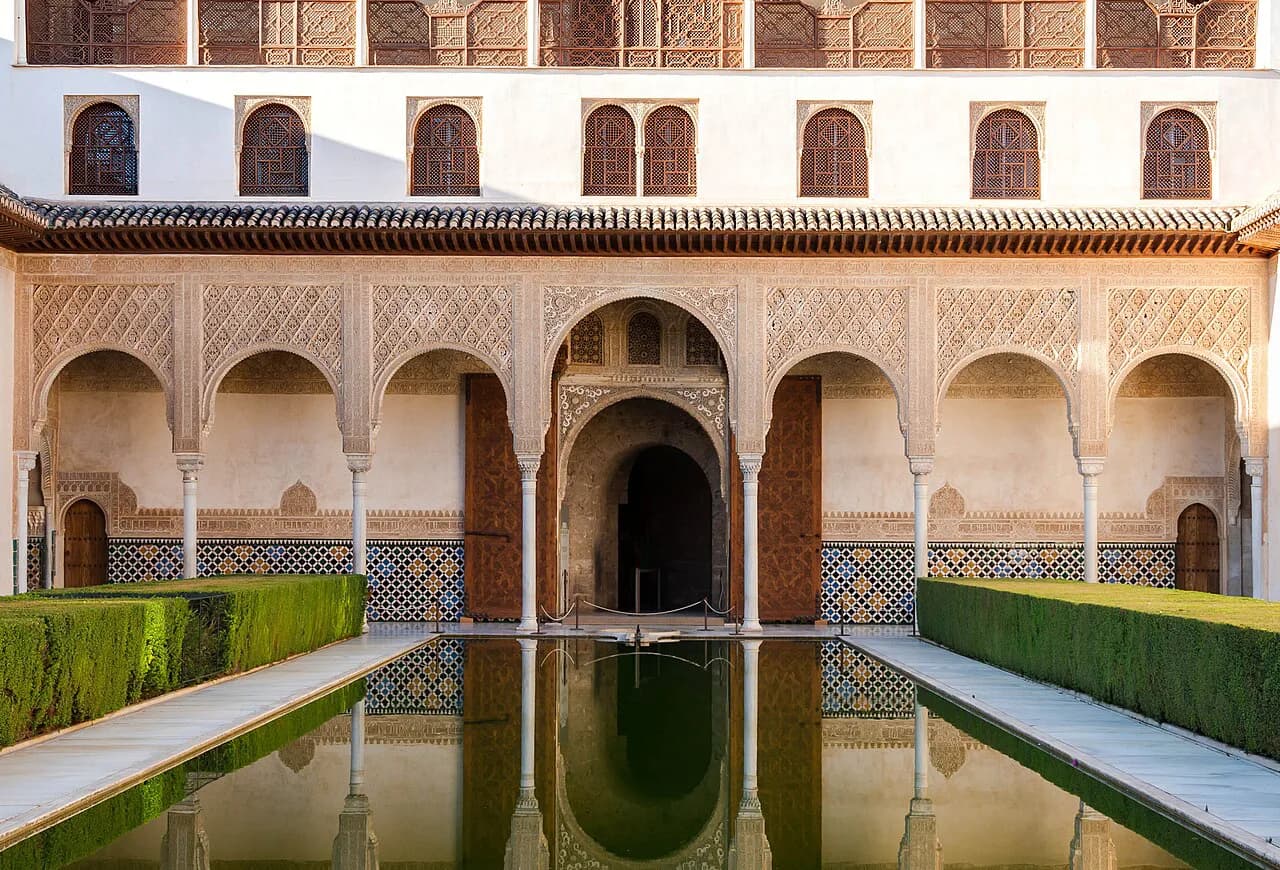
Once you have seen two or three sites, the details start to repeat, so learn to read them. Horseshoe arches mark the Islamic building tradition and appear in mosques, gates and palaces across the south. Muqarnas, the cascading stalactite vaulting, is the ornamental signature of the Nasrid and Almohad periods. Courtyards with water channels and planted beds were the organising device of palaces, cooling the rooms around them and controlling the sequence of a visit.
Knowing these three features turns a second Alcazaba from a repeat into a comparison. In Málaga, watch how the courtyards are threaded between defensive walls; in Zaragoza, look at how the arches frame the garden; in Toledo, notice how small a mosque could be and still work as a place of worship. That habit of looking is the difference between ticking off monuments and actually seeing them.
Practical decisions: Monday closures, siesta-hour churches and midday heat
The practical constraints on this kind of route are consistent. Allow for the possibility that a monument keeps a weekly closing day or that a church is shut for part of the afternoon and reopens for evening mass, and that inland Andalusian towns become uncomfortable at midday in summer. Build the day around a morning monument and an afternoon that stays flexible, rather than booking two fixed entry slots back to back.
The Moorish heritage route from Murcia through Granada, Córdoba and Seville takes in the Alhambra, the Mosque-Cathedral and the Royal Alcázar across three days of driving, which shows how much ground a well-planned itinerary can cover. Treat it as a benchmark for a longer trip, not a template for a weekend. Visitor times and booking conditions vary from site to site and with the season, so confirm them for the monument you plan to visit.
If castles and fortresses are what draw you, the guide to castles in Spain sets out the ones worth a detour and the ones that are little more than a wall and a view. Use it alongside this list to decide whether an Alcazaba deserves a morning or just a photo stop.
Moorish towns and villages near the big sites
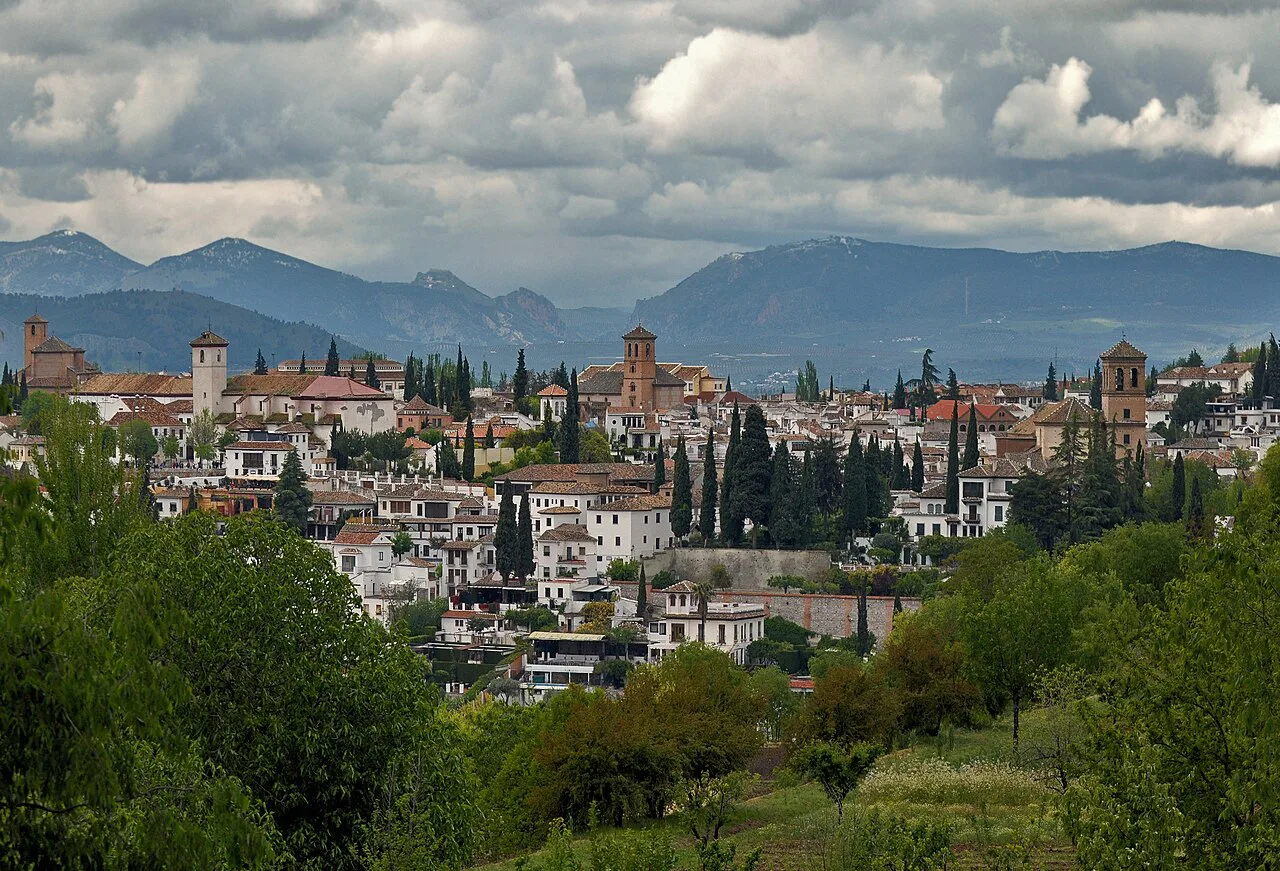
Some of the most rewarding stops are small towns rather than cities. The white villages of the Alpujarras, south of Granada, keep the flat-roofed, tightly packed form associated with the Moorish period. The route out of Murcia towards Granada also passes a hilltop castle overlooking a pueblo Blanco, a good example of how fortress and village sat together in the landscape.
For a wider shortlist of photogenic places to build a route around, the guide to the most beautiful towns in Spain includes several with Moorish street plans and castle remains. Ronda and the Alpujarras villages sit comfortably in that kind of itinerary, so long as you keep the driving short and the stops few.
Which al-Andalus site should you build your break around
If you have a long weekend from a Málaga flight, make the Alcazaba of Málaga and Ronda's Arab Baths your core, and add Almería only if you can spare an extra day for the drive. If you are flying into Alicante or Palma, the Aljafería in Zaragoza is a realistic add-on by high-speed rail, and Toledo works best from Madrid as a full day rather than an afternoon.
Whichever you choose, confirm the monument's published opening times before you set out, because Monday closures and afternoon church closures are the two things most likely to disrupt a carefully planned day. Build in one flexible afternoon, start early in summer, and let the arches and courtyards do the rest.
Explore more Spain guides
Frequently Asked Questions
Why are they called Moors in Spain?
Moor was the name Europeans used for the Muslim rulers and settlers of Iberia, who came from North Africa and the eastern Mediterranean and governed the territory known as al-Andalus. The term covers several dynasties, including the Umayyads, Almoravids, Almohads and Nasrids, rather than a single people.
How much of Spain was under Moorish rule?
At its height al-Andalus covered most of the Iberian Peninsula, and it shrank over centuries as Christian kingdoms pushed south, until the Nasrid kingdom of Granada fell at the end of the fifteenth century. The southern half of Spain therefore holds most of the surviving buildings.
Sources
Notes for your next Spanish town break
Optional updates to our guides.
You might also like
Continue reading
More guides you'll find useful