Tarragona History: Roman Tarraco and What You Can Still See
Tarragona history for visitors: how Roman Tarraco became a provincial capital, and which walls, circus, amphitheatre and forum remains survive today.
On this page
Tarragona's history is Roman first and everything else second: Tarraco was the administrative and mercantile capital of Roman Hispania and the centre of imperial cult for the Iberian provinces, the reason UNESCO listed its archaeological ensemble in 2000. What survives is fragmentary but legible, with Roman structures threaded through the medieval and modern town rather than fenced off in a single park. This guide ties each phase of that story to a named place you can still stand in front of, so you can decide which parts to prioritise on a short break.
What Tarragona was: Tarraco, the Roman base for Hispania
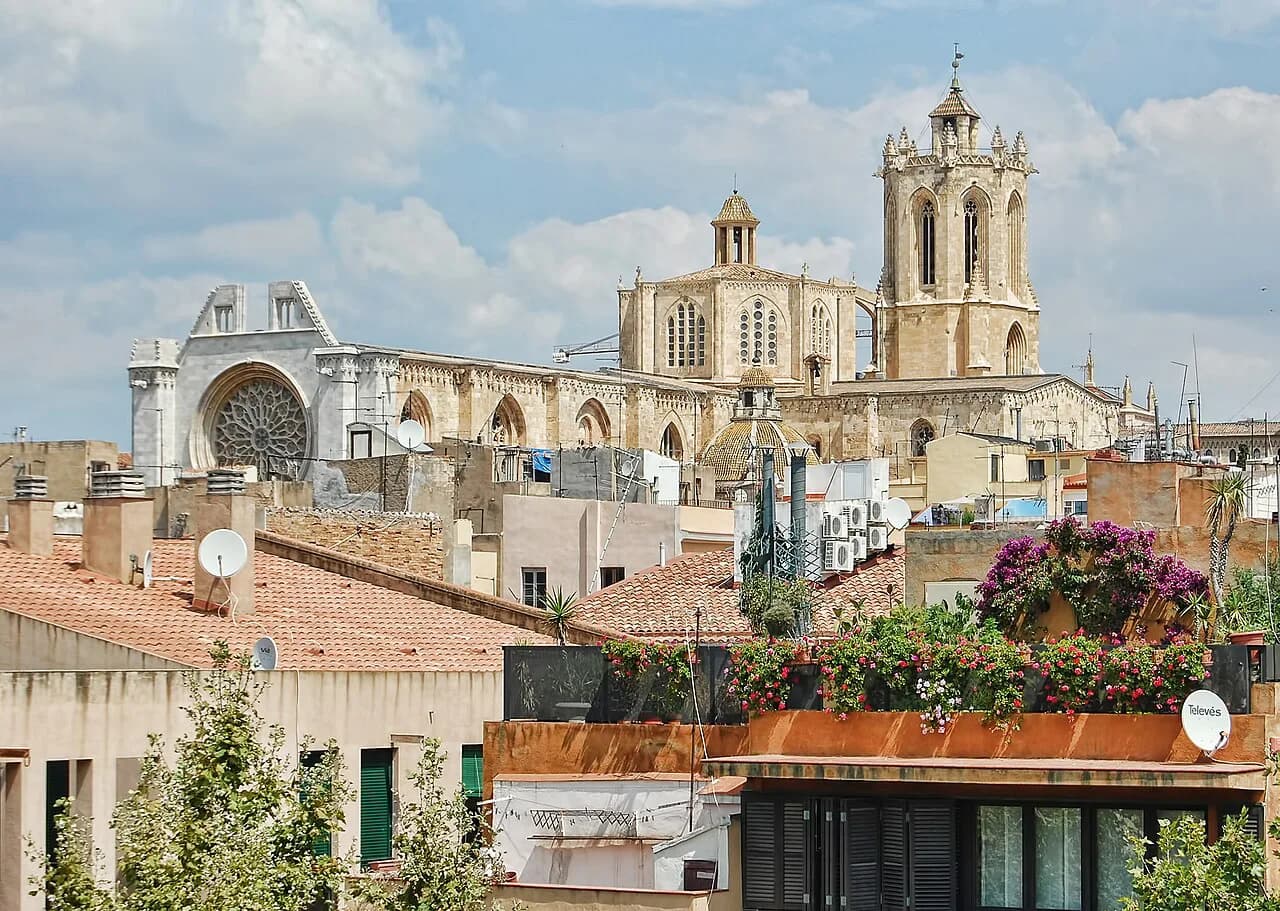
Tarraco was a city of consequence in the Roman province of Hispania, and UNESCO's citation describes it as an administrative and mercantile centre and the focus of imperial cult for the whole peninsula. The visible remains are often partial and preserved beneath later buildings, which is exactly what makes the city interesting: you are reading a Roman capital through the seams of a medieval one.
The bronze statue of Augustus on the Passeig Arqueològic is a copy; the original marble was a gift from the Italian government in 1934 and was moved for protection during the Civil War. Knowing that before you arrive saves disappointment at what looks like the city's oldest object and is not.
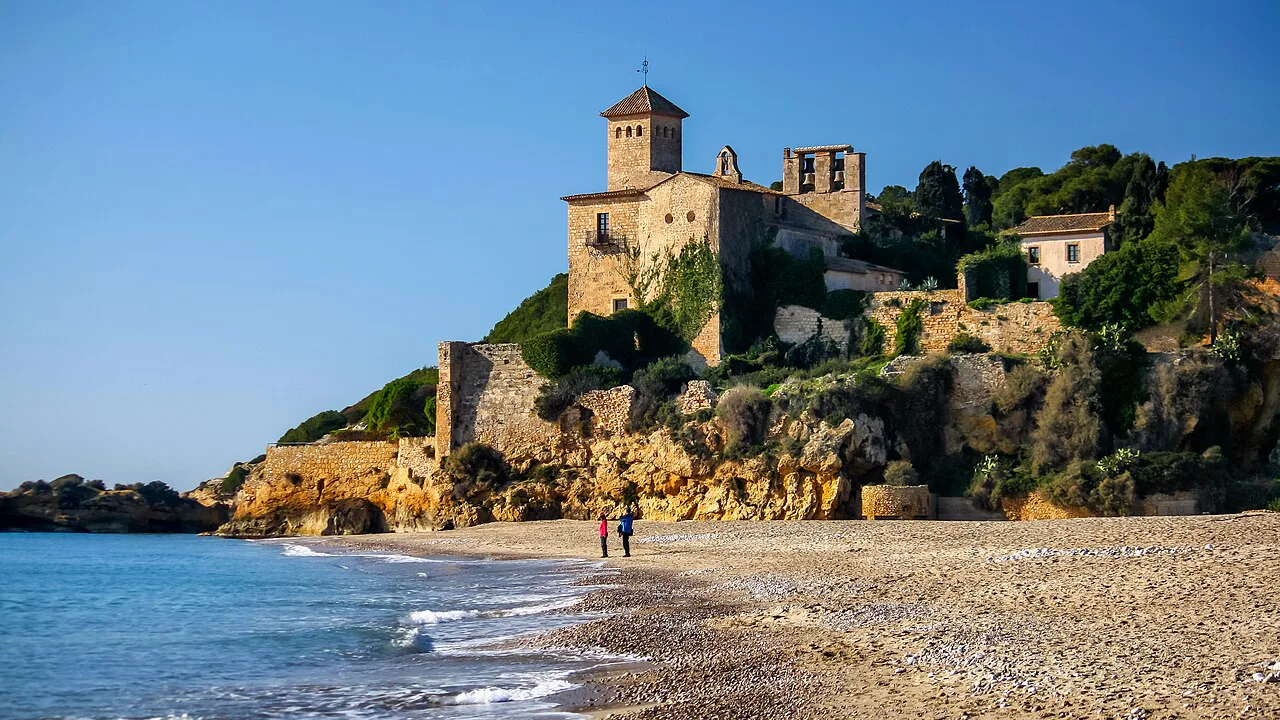
The shape of the city: three levels of Tarraco
Roman Tarraco stacked its main complexes on three levels, following the pattern of Rome itself: the circus sat at the lowest of the three, the provincial forum above it, and the temple of the Capitoline triad occupied the highest ground. Understanding that vertical logic explains why you keep encountering Roman masonry at different heights as you move through the modern old town, and why the cathedral sits where it does.
That arrangement also explains the city's compression: almost everything Roman worth seeing in the centre lies within a short radius of the walls and the Plaça del Rei. A Tarragona map helps here, because the monuments are scattered across streets that climb and drop rather than arranged in a straight line.
The Roman walls and the Passeig Arqueològic
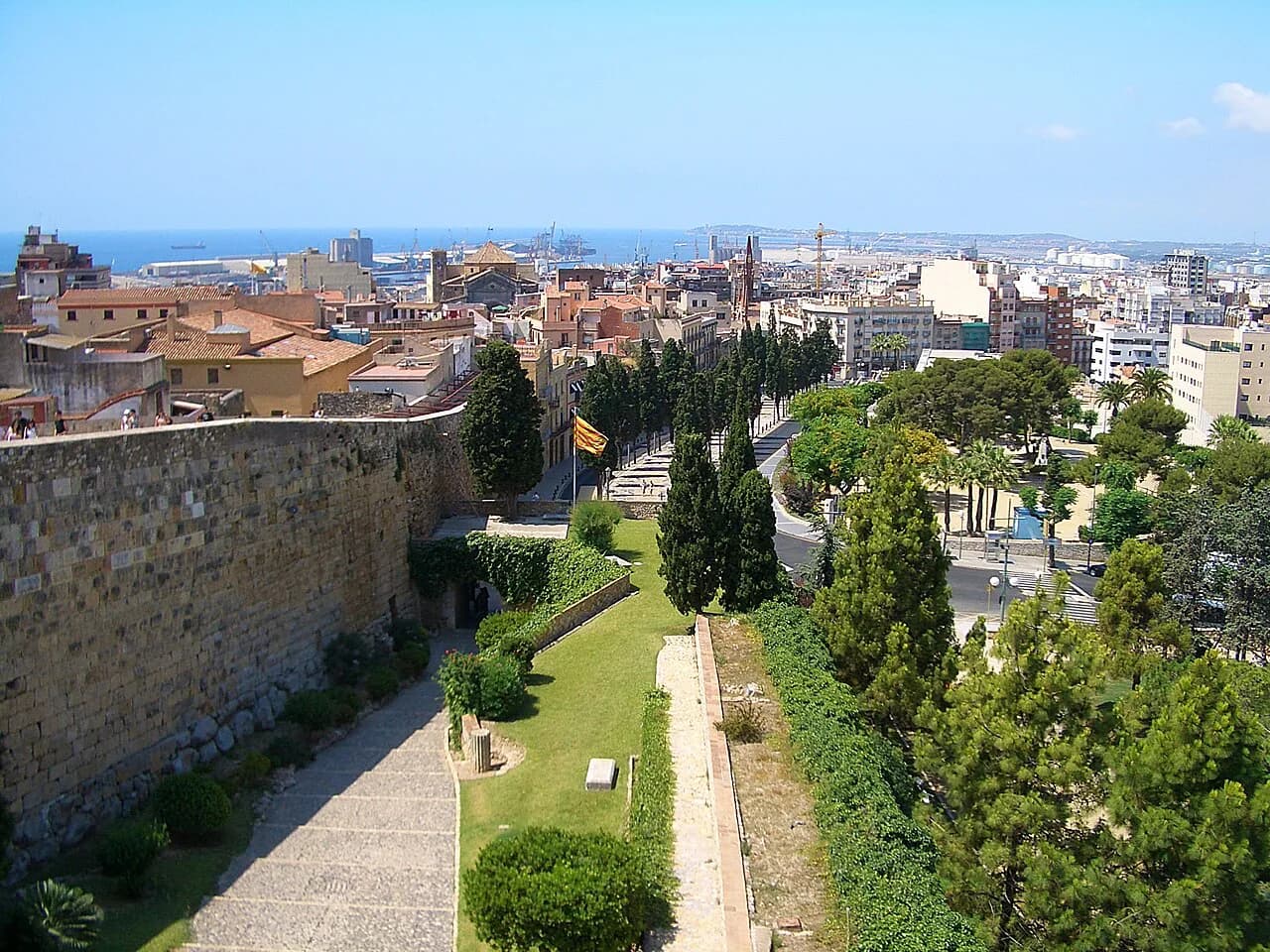
The Roman wall still defines the upper town, though it once ran some four kilometres down to the port; houses were later built against it and cut windows and balconies through the stone. A stretch has been recovered as an open-air museum, the Passeig Arqueològic, running between the Roman wall and the eighteenth-century bastions added for the War of Succession. The wall carries the oldest Roman inscription found outside Italy and the earliest Roman sculpture on the Iberian peninsula, both of which reward a slow look rather than a photo stop.
The provincial forum and the Pretori in the Plaça del Rei
Little of the provincial forum is visible today: the medieval city was built over its roughly 60,000 square metres after the reconquest, and most of the Roman fabric vanished under streets and houses. What remains legible is the Pretori, the old Roman praetorium, tucked into a building on the Plaça del Rei, where it once linked the forum to the circus below. Treat this as a place to understand the layout rather than a monument to admire at length.
The circus, buried under later houses
The circus is the most striking piece of urban archaeology in Tarragona because it runs the full width of the city inside the walls, with around sixty vaults that once supported the seating and later carried houses above them. The source material records a capacity of 30,000 spectators for a city of 40,000, and chariot racing ran here for three centuries before giving way to horse racing and equestrian displays. The darkened vaults are the memory of that crowd; look for the stairways and chambers that led spectators to their places.
The local forum and its four columns
The forum of the colony, or local forum, sat in the residential zone rather than the noble upper city, and its foundations show streets, houses, a temple and the basilica where justice was administered and commercial agreements sealed. The surprise is the level: the Roman remains sit higher than the buildings around them, and the four standing columns are modern reproductions erected to suggest the height of the basilica. Go for the reconstruction of how a Roman civic centre worked, not for original columns.
The amphitheatre by the sea
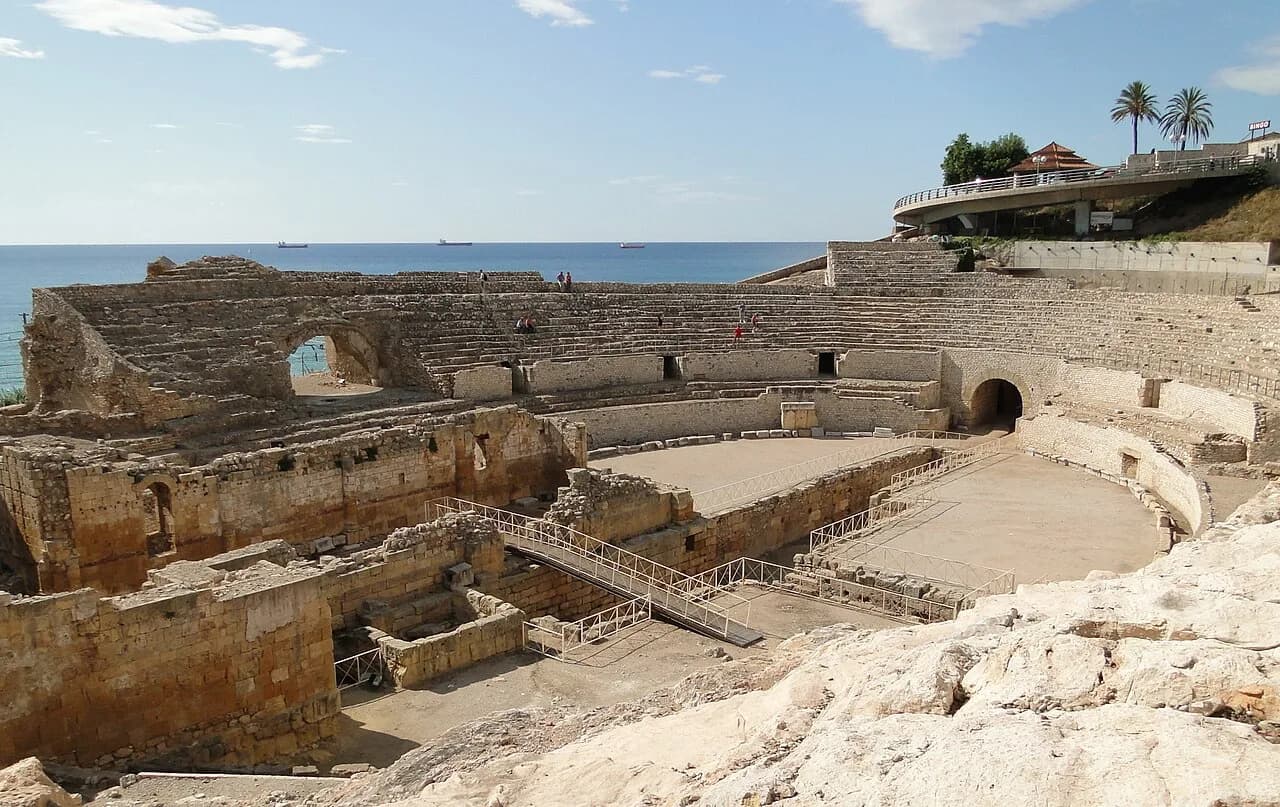
The amphitheatre is the last of Tarraco's great public buildings, built at the start of the second century on the shore, with its seating cut into the rock and space for 14,000 spectators at gladiatorial combats. Its position between the sea and the old town makes it the single most photogenic Roman site in the city, and the one to prioritise if your time is short.
Nearby, the Balcó del Mediterrani is the city's celebrated viewpoint, where a forged-iron railing is said to bring good luck to those who touch it, and from which you see the port, the amphitheatre and the Roman and medieval layers of the town at once. It is an outdoor spot best early or late in the day when the light is lower and the heat less punishing.
Beyond the centre: the aqueduct and the Torre dels Escipions
Two Roman monuments stand outside the old town and need planning rather than strolling. The Aqüeducte de les Ferreres, also called the Pont del Diable, carried water to Tarraco across a ravine, and the Torre dels Escipions is a Roman funerary tower on the road out of the city. Neither sits on the main monument circuit, so decide whether they justify the extra trip before committing a half-day to them.
From Tarraco to medieval Tarragona: the cathedral and its cloister
The cathedral of Santa Maria and Santa Tecla is the pivot between the Roman and medieval city: it occupies the highest level of Tarraco, and the claustre still holds Roman remains from the temple that stood there. Inside, the nave, the Renaissance altarpiece and the Gothic cloister are the elements worth your time, with the façade sculptures of apostles and prophets above the main entrance. It is an active place of worship, so visiting hours for tourists give way to services.
What later centuries left: the Serrallo and the modern art museum
The Serrallo, Tarragona's fishermen's quarter, is the clearest survival of the city's maritime working life, and its Observatori Blau is a multisensory space explaining the Mediterranean seabed, the species caught and the history of the neighbourhood. Pair it with the Museu d'Art Modern for the modern and contemporary layer of a city usually sold on Rome alone.
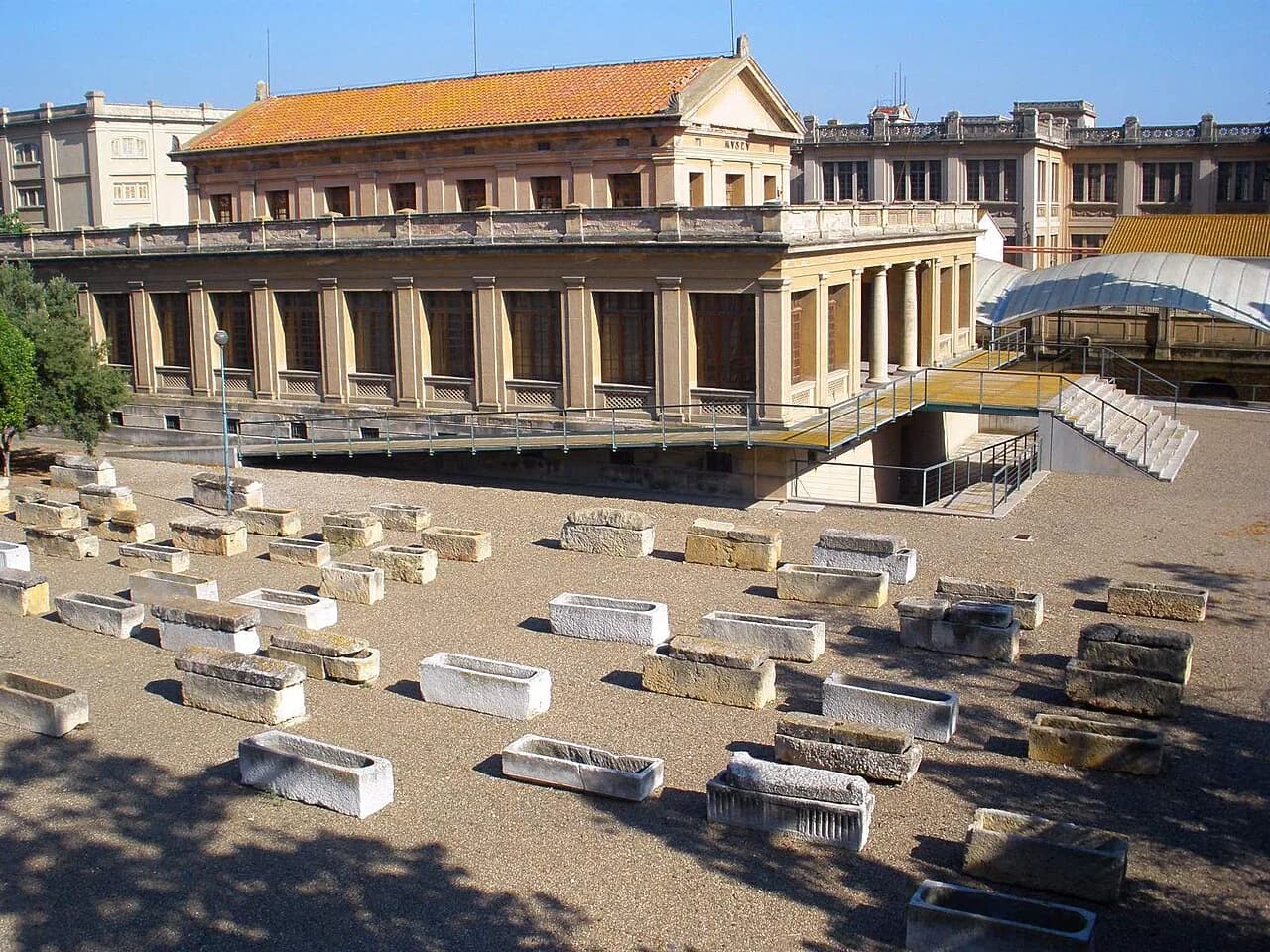
Museums in Tarragona repay a wet afternoon or a heatwave: the Museu Nacional Arqueològic holds the finds that make sense of the ruins, and the Museu d'Art Modern covers the city's later artistic life. Check opening days and hours before you build a day around one.
Practical points: tickets, outdoor sites and midday heat
Tarragona's Roman heritage splits into ticketed interiors and outdoor pieces you can see from the street, and the balance matters for budgeting a day. The walls, circus vaults, forum remains and amphitheatre are enclosed sites with admission arrangements set by the city; the Passeig Arqueològic, the Balcó del Mediterrani and the exterior of the aqueduct can be seen without entering a paid interior. Confirm current admission, opening hours and closing days with the city's heritage service before relying on any published price.
Inland Catalonia gets genuinely hot at midday in summer, and most of the Roman circuit is exposed stone with little shade. Build the day around a long lunch indoors, save the shaded circus vaults and the museum for the hottest hours, and walk the walls and amphitheatre in the morning or evening.
Which piece of Roman Tarragona should you see first?
Start with the amphitheatre and the circus, which between them explain why Tarraco mattered and how the Roman city sat inside the medieval one. Add the Passeig Arqueològic for the walls and the Augustan statue, then the cathedral cloister to see where the Roman temple once stood.
Explore more Tarragona guides
Frequently Asked Questions
Is Tarragona a nice town?
Tarragona is unusual for the density of its Roman remains, which sit inside a working Catalan city rather than a separate archaeological zone. The walls, circus, amphitheatre and forum are all within reach of the old town, though many are fragmentary and preserved beneath later buildings.
Was Tarraco a Roman capital?
Yes. UNESCO's citation describes Tarraco as an administrative and mercantile centre of great importance in Roman Spain and the focus of imperial cult for the Iberian provinces. The visible remains are fragmentary and often preserved beneath later buildings, but they give an impression of the scale of that provincial capital.
What was Spain called before Spain?
In Roman terms the peninsula was Hispania, divided into provinces, and Tarraco was the administrative centre of one of them. The modern name Tarragona descends directly from Tarraco, which is why the Roman past feels continuous with the present city.
Sources
Notes for your next Spanish town break
Optional updates to our guides.
You might also like
Continue reading
More guides you'll find useful