Museums in Tarragona: Roman Collections and Closures
Tarragona's museums are mostly Roman: here is what the MNAT sites hold, which building is closed for works, when entry is free and how long to allow.
On this page
Tarragona's museums are Roman museums, and the key decision is to plan around one closure: the Museu Arqueològic de Tàrraco building in the city is shut to the public during a deep renovation, so the collection is shown instead through the TARRACO/MNAT exhibition at Tinglado 4 in the port. Everything else the Museu Nacional Arqueològic de Tarragona (MNAT) manages stays open in different forms, from the Roman theatre to a burial ground outside the walls. This guide sets out what each site holds, which visits are guided, how the first-Sunday free morning works and how the sites fit with the rest of the things to do in Tarragona.
Budget two distinct blocks: a city half-day for Tinglado 4, the theatre and the necropolis, and a separate outing if you want Els Munts at Altafulla, Centcelles at Constantí or the El Mèdol quarry. The city sites sit close to the Tarragona old town, so you can pair a museum morning with the cathedral quarter rather than treating them as separate trips. Out-of-town sites need a train or bus decision, and you should read the operator timetable before committing.
Which museums in Tarragona are worth your time
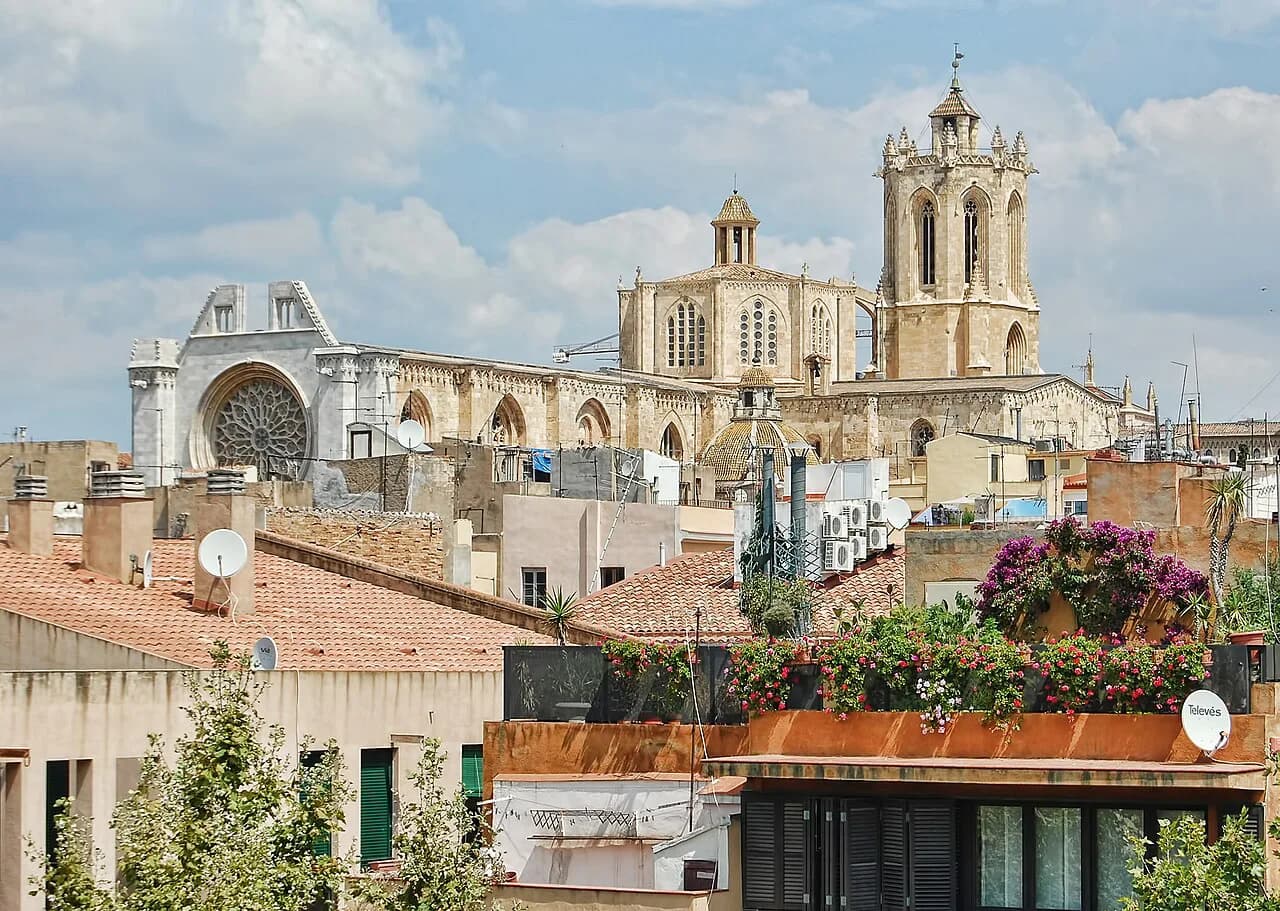
The MNAT is the organising force behind almost every Roman sight in and around Tarragona, and it describes itself as the oldest museum of its kind in Catalonia, formed in the first half of the nineteenth century from older collections. Its holdings come largely from excavations triggered by the modern port and by the city's growth, which is why the displays read as a single story of one Roman capital rather than a general antiquities survey. The MNAT's own list of spaces is the reliable starting point: the Museu Arqueològic de Tàrraco, the Necròpolis, the Teatre, Els Munts, Centcelles, the Arc de Berà, the Torre dels Escipions and the Cantera del Mèdol.
The Roman remains of Tarraco were inscribed on the UNESCO World Heritage list in 2000, a framing the MNAT uses across its education and conservation work. That matters for planning: you are not choosing between rival museums so much as choosing which parts of one archaeological landscape to see. If you want the background story before you pick, the Tarragona history page covers the city's Roman rise and later layers.
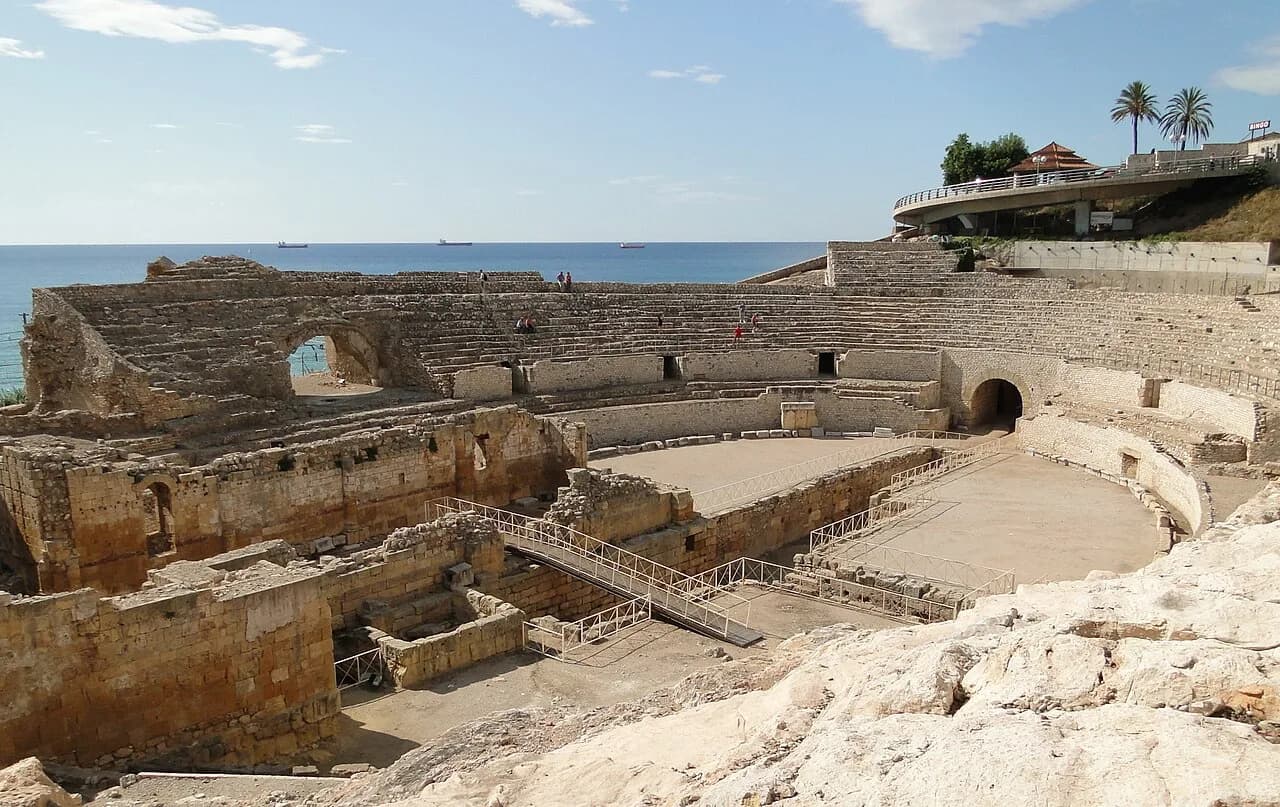
For a short break, my pick is Tinglado 4 plus the theatre and the necropolis, with Els Munts added if you have a car or a workable coastal train. Skip nothing because it sounds minor: the Torre dels Escipions and the Arc de Berà are roadside monuments that reward a short stop rather than a dedicated excursion. The full set of city sights, including the amphitheatre and the walls, is gathered in the Tarragona Attractions: 5 Visitor Guides hub.
The Museu Nacional Arqueològic de Tarragona and why the main building is shut
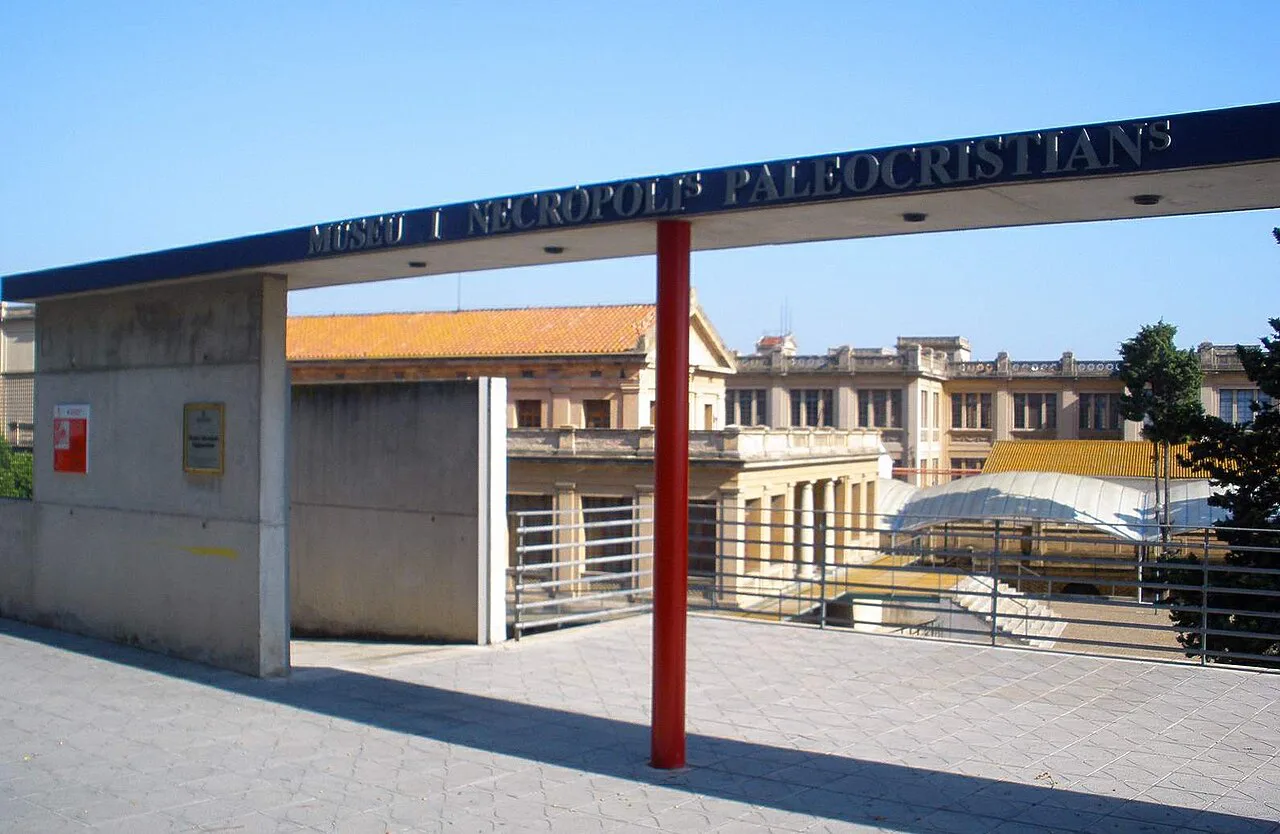
The museum moved into its purpose-built home on the Plaça del Rei in 1960, and a fragment of the Roman wall screen is preserved in its basement. That building is now undergoing a thorough renovation and is closed to the public, so do not build a city break around walking into the Plaça del Rei museum. The closure is the single most important fact for anyone searching for museums in Tarragona, because the archaeological museum is the one most visitors assume they will see.
The MNAT is candid about the substitute: while works continue, the summary exhibition TARRACO/MNAT at Tinglado 4 in the Port de Tarragona carries the story. Treat it as the orientation room for the whole Roman city, then use the individual monuments to fill in the detail. Allow roughly an hour for Tinglado 4 if you read the panels properly, and rather less if you are scanning before a walk.
Where to see the TARRACO/MNAT exhibition at Tinglado 4
Tinglado 4 is a port building, not a museum wing, so set your expectations accordingly: it is an exhibition space holding a synthesis of the collections while the main building is out of action. The practical advantage is location, since the port area sits below the old town and works as a first stop before you climb into the streets. Check the MNAT's own site for the current arrangement rather than assuming the port display is permanent.
Because this is a temporary home for a displaced collection, opening arrangements are the thing to verify before you travel, and the MNAT publishes ticketing and centre information through its online ticket page. If you are planning a tight day, put Tinglado 4 first and the theatre second, then let the necropolis fill the afternoon. Use the Tarragona map to judge the walk between the port, the old town and the sites on the edge of the city.
The Roman theatre of Tàrraco: what survives and how to see it
The Teatre de Tàrraco is one of the MNAT spaces, and the surviving cavea, orchestra and scaena are enough to reconstruct how the building worked, especially with commentary. The MNAT runs guided visits to the theatre as scheduled programming, and the commentary is what turns a set of stone rows into a convincing picture of Roman stage shows tied to religious ceremonies. Book through the MNAT ticket page rather than turning up on spec.
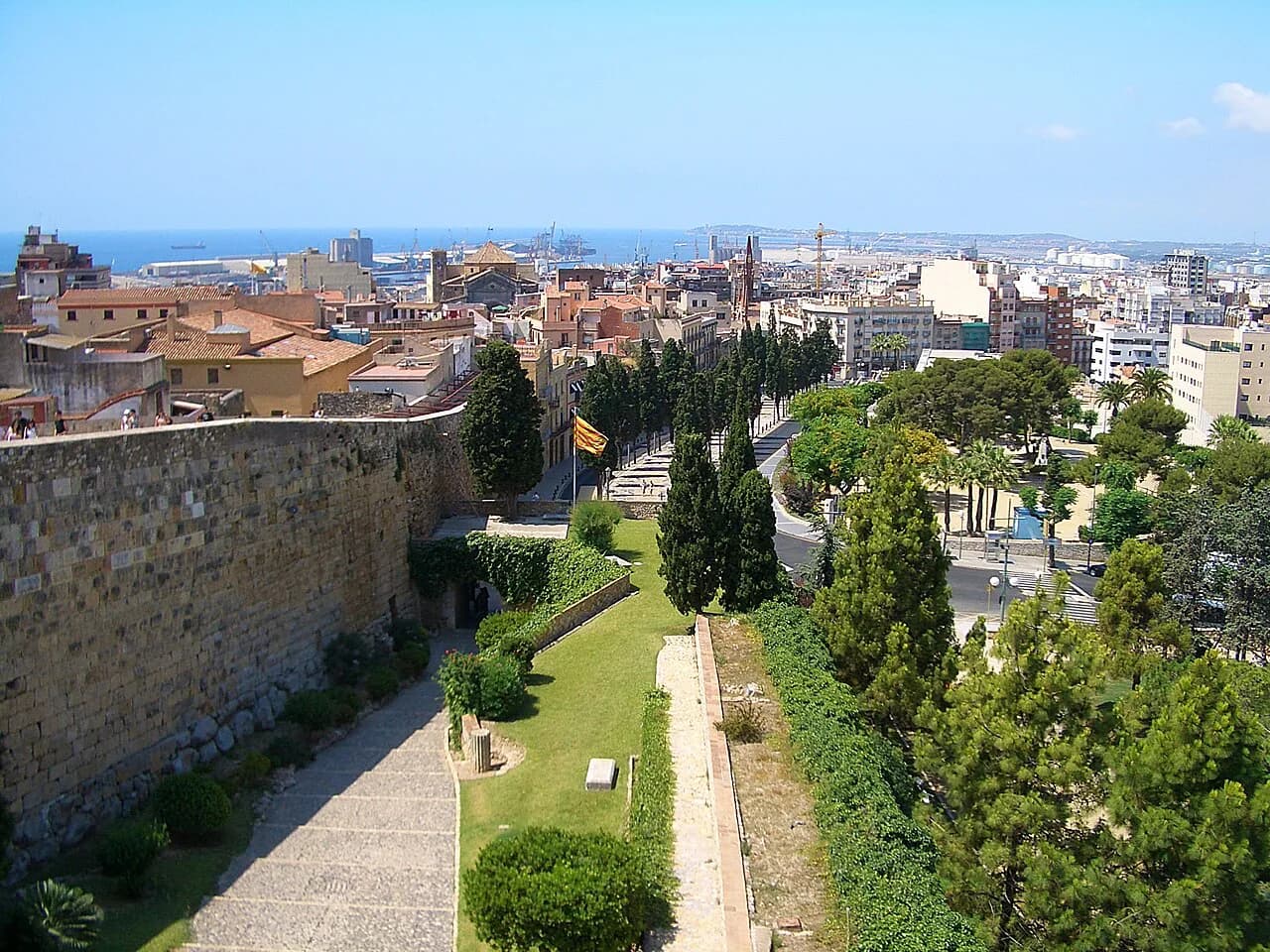
The trade-off is that a guided slot fixes your day, so pair it with something flexible nearby. The theatre sits within the old town's archaeological layer, which makes it a natural companion to the cathedral quarter and the walls rather than a standalone outing. If you want the wider Roman picture in one place, the amphitheatre and the Passeig Arqueològic belong on the same walk.
The Necrópolis de Tàrraco: the Roman burial ground outside the walls
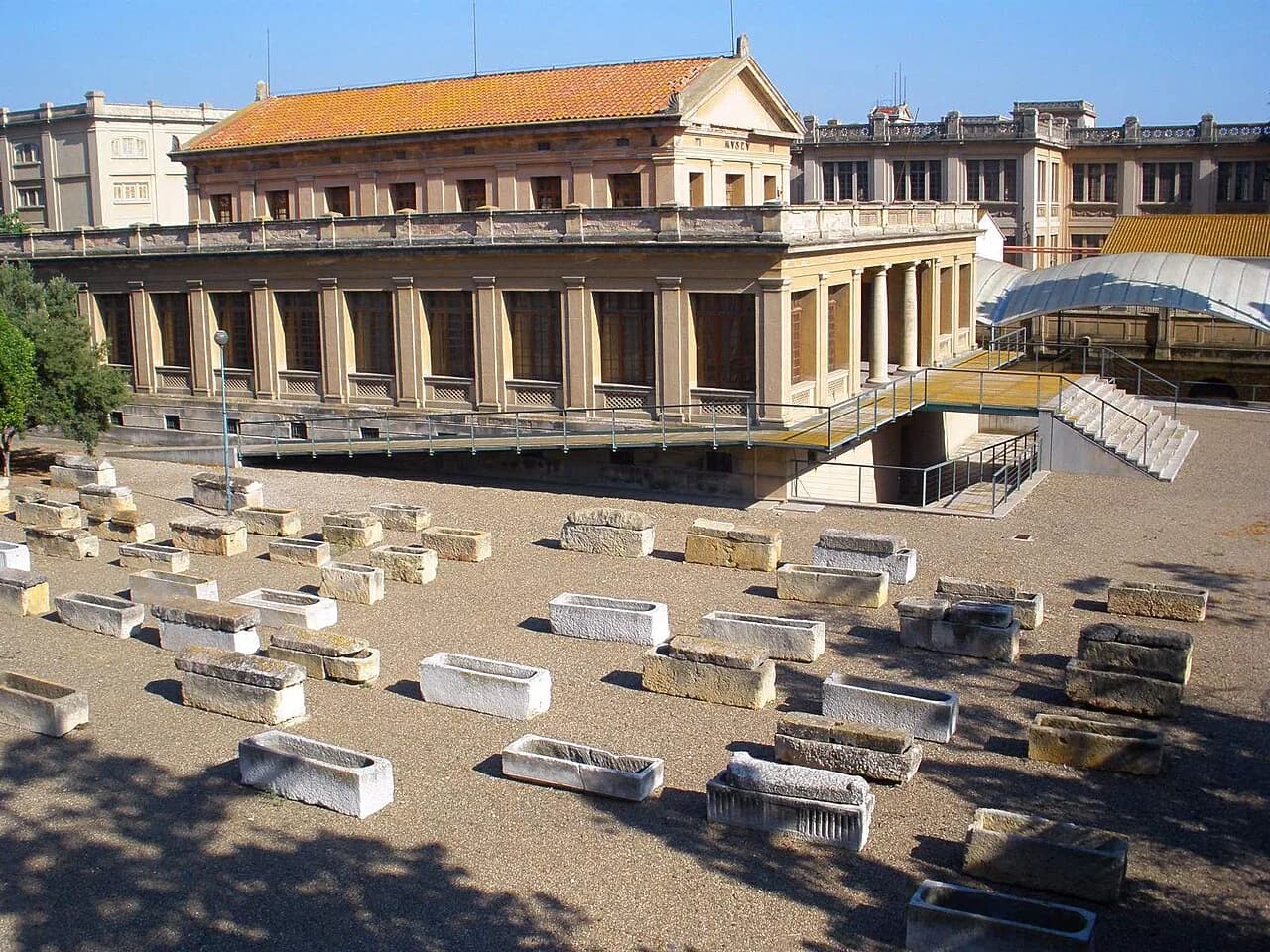
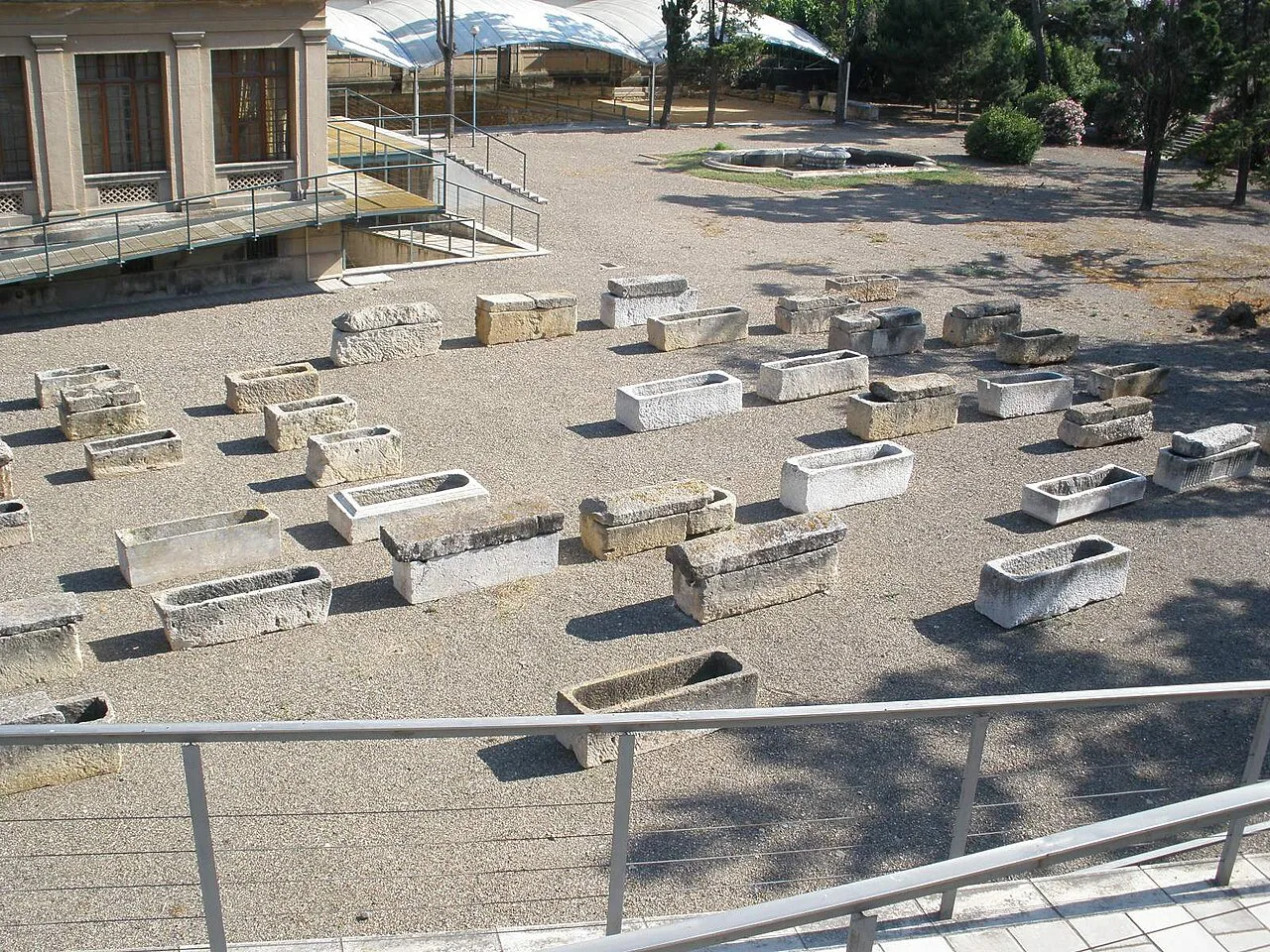
The Necròpolis de Tàrraco is the burial ground that lay beyond the Roman city wall, and it is managed as one of the MNAT's spaces. It rewards a different kind of attention from the theatre: read it as evidence of how the living organised the dead along the roads out of town. It is also the site most often missed by visitors who concentrate on the amphitheatre and the walls.
Allow around forty-five minutes if you read the markers, and combine it with the Paseo Arqueológico walk along the wall line rather than making a separate journey. The two together give you the city's edge in Roman terms, which is where the necropolis makes sense.
Roman sites beyond the city: Els Munts, Centcelles, El Mèdol, the Arc de Berà and the Torre dels Escipions
Els Munts at Altafulla is a Roman villa with richly decorated residence and bath suites, and the MNAT presents it as one of the best-preserved aristocratic villas in Roman Hispania. The guided itinerary on the elites of Tarraco walks the site and the remains known as the Banys de Mar, which is the version to take if you want the villa explained rather than merely seen. It is scheduled programming, so check the MNAT activities page for what is running during your dates.
Centcelles at Constantí is a late-Roman architectural complex with a celebrated dome mosaic, and the MNAT runs a guided itinerary there that tackles what the mosaic and the building were for. The Elévate a la cúpula activity uses a 3D model and virtual-reality glasses to let you study the dome mosaic and paintings from close range on scheduled Sunday mornings. If the dome is your reason for going, that activity is the strongest option in the programme.
The Cantera del Mèdol is the quarry that supplied the stone for Tarraco, now presented as an MNAT space with a walk through several viewpoints that also takes in the natural values of the Clot del Mèdol. A free guided visit appears in the programme, meeting at the El Mèdol service area on the motorway, so the quarry suits travellers with a car. The Arc de Berà at Roda de Berà and the Torre dels Escipions are funerary monuments along the Roman road, best seen as short roadside stops.
Free entry: the first-Sunday open morning and what it covers
The MNAT holds an open morning on the first Sunday of each month, when the Vila romana de Els Munts at Altafulla and the Conjunt romà de Centcelles at Constantí can be visited free between 10:00 and 14:00. That window is the budget route to the two out-of-town sites, and it also sets your timetable: you need to be at Altafulla or Constantí in the morning, not drifting around the old town.
Beyond the monthly slot, the MNAT also schedules one-off free openings, including Science Week open days at Centcelles and Els Munts and a free day at Els Munts for the Altafulla local festival of Sant Martí. These appear on the activities calendar as they are confirmed, so read it close to your travel date. Entry prices for the paid visits are set out on the ticket page rather than assumed.
Opening times, closing days and booking tickets online
Tickets for the MNAT centres and the guided activities are sold through its online shop, which lists Els Munts, Centcelles and the Cantera de El Mèdol as ticketed centres. Going through the shop is also how you secure a place on a guided itinerary or a workshop, which have fixed start times and limited capacity. It is worth doing this before you finalise a day, because a sold-out slot can reshape the plan.
Group the ticketed items by geography before you book: the city centre for the necropolis and theatre, Altafulla for Els Munts, Constantí for Centcelles. Trying to cover both out-of-town sites plus a city museum in one day is where most itineraries break down. Set the booking order so the fixed guided times drive the rest of the day. The MNAT ticket page carries the current offer and any variation in opening.
How long to allow, and how the museums fit around the old town
A realistic city day is Tinglado 4 in the morning, the theatre on a guided slot and the necropolis afterwards, with the old town filling the gaps between. Give the out-of-town sites half a day each: Els Munts and Centcelles both reward unhurried reading, and neither is improved by rushing to catch a return bus. If you only have one full day, keep to the city and accept that the coastal sites wait for another trip.
Shopping in Tarragona along Rambla Nova and the old-town lanes slots naturally into the gap between a museum morning and an afternoon site visit. Keep the two halves of the day separate so you are not carrying bags around a Roman burial ground, and check the Tarragona map to see how far the sites sit from the centre.
Practical trade-offs: summer heat, Sunday openings and sites spread along the coast
Summer heat in Tarragona is the main enemy of a sensible Roman itinerary, because the most exposed sites, including the quarry and the roadside monuments, offer little shade at midday. Put the indoor exhibition and the theatre in the middle of the day and keep the open archaeological ground for the cooler hours. The necropolis and the walls are better in the morning light and the cooler air.
Sunday is the day to plan around rather than avoid: the first Sunday brings the free morning at Els Munts and Centcelles, and the MNAT programmes guided visits at weekends. That creates crowding at the two out-of-town sites precisely when entry is free, so arrive at the start of the 10:00 to 14:00 window. The rest of the week, the sites are quieter and the guided slots easier to secure.
The geographic spread is the biggest practical constraint: Els Munts sits at Altafulla up the coast, Centcelles at Constantí inland, and the quarry, arch and tower all lie outside the city in different directions. A car makes the coastal and inland sites easy; public transport makes Altafulla feasible but the quarry and the arch awkward. Decide the transport question before you book tickets, not after.
Which Tarragona museum plan suits your break
If you have one day, put Tinglado 4, the theatre and the necropolis together and leave the out-of-town sites alone. If you have two, add Els Munts on the first Sunday of the month for the free morning and keep Centcelles for a guided itinerary later in the trip. Either way, settle the transport question before you book a fixed guided slot.
Frequently Asked Questions
Is the archaeological museum in Tarragona open?
The Museu Arqueològic de Tàrraco building on the Plaça del Rei is closed to the public during a deep renovation. While the works continue, the TARRACO/MNAT exhibition at Tinglado 4 in the Port de Tarragona presents a summary of the collections.
When is entry free at the MNAT sites?
Els Munts at Altafulla and Centcelles at Constantí open free on the first Sunday of each month from 10:00 to 14:00. The MNAT also schedules one-off free openings, such as Science Week and a local-festival day at Els Munts, which appear on its activities calendar.
Do I need to book the Roman theatre visit in advance?
The Teatre de Tàrraco is seen on guided visits that run at fixed times with limited capacity. Book through the MNAT online ticket shop so a sold-out slot does not disrupt the rest of your day.
Can I visit Els Munts and Centcelles without a car?
Els Munts is at Altafulla on the coast and Centcelles is at Constantí inland, so the two are best treated as separate outings. A car makes both straightforward; otherwise check local rail and bus timetables for Altafulla and Constantí before fixing a guided slot.
Sources
Notes for your next Spanish town break
Optional updates to our guides.
You might also like
Continue reading
More guides you'll find useful