Santiago de Compostela Tours: Cathedral, Rooftops and Old Town Compared
Compare Santiago de Compostela tours of the cathedral, rooftops and old town, with what each covers, how long it takes and which parts are skipped.
On this page
Book the cathedral-and-museum tour if you want the Códice Calixtino, the apostle's crypt and the museum explained in about two hours; book the rooftops route if you want the Torre de la Carraca and the granite tiles underfoot instead. The middle ground is a combined cathedral-plus-old-town walk, which is the format the tour catalogue rates most highly. This comparison sets out what each Santiago de Compostela tour covers, how long it runs, where it meets and which constraints decide it for you.
All the formats centre on the same building. Pair this with our guide to the wider set of things to do in Santiago de Compostela once your slot is booked, so the tour sits inside a plan rather than replacing one.
What a Santiago de Compostela Tour Covers
Almost every guided visit is built around the Catedral de Santiago de Compostela: the apostle's crypt, the Códice Calixtino and the balconies over the Praza do Obradoiro. The standard catalogue format gives one to two hours inside the church and the Museo Catedralicio, with entry included and guides who specialise in art history. Some versions add the Pórtico de la Gloria, and others climb to the roofs and the Torre de la Carraca.
Walking companies in the historic centre cover much more than the cathedral, from themed routes on the city through the centuries to legends walks and pilgrim-history itineraries in Spanish, English and French. Official guiding licences appear against several operators, which is a useful check when a price looks unusually low. The companies listed in the centre include Destino Noroeste, Free Tour Compostela, EasyGalicia, Galicia Experience, Toxo Travel and Walking & Eating Galicia.
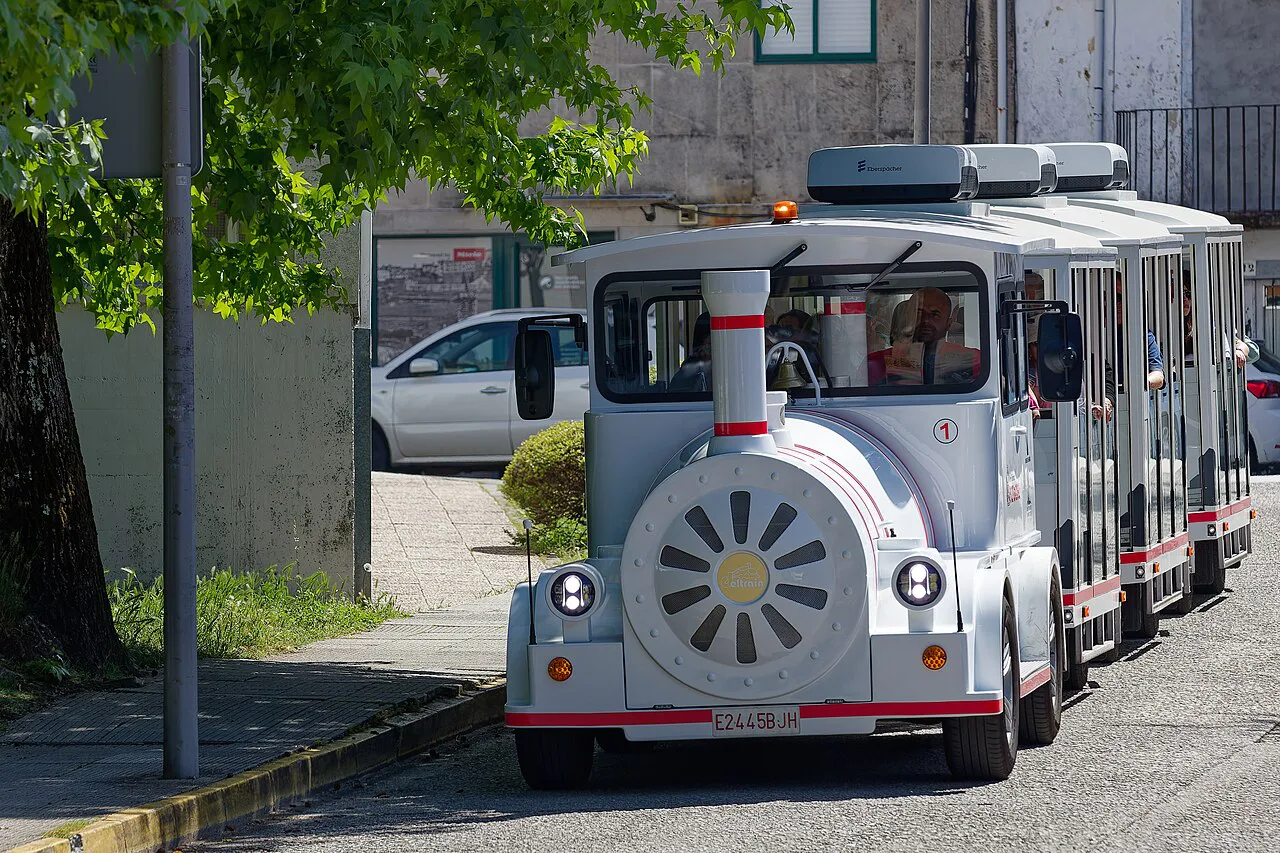
Cathedral Interior and Museo Catedralicio: The Standard Format
The most common booking pairs the interior with the Museo Catedralicio, whose rooms hold the Royal Pantheon, the reliquary room, the cloister and a replica of Master Mateo's stone choir. Expect around two hours. Two of the catalogue's standard references together carry more than a thousand reviews, so this is the volume option rather than a niche one.
Read the inclusions line before you pay. Some products cover the guide and cathedral entry, others add the museum, and a few quote the Pórtico as an extra. For a first visit the museum-included version is the better buy, because the cathedral alone leaves the treasury and the Romanesque sculpture unexplained. If you are weighing up the building against the rest of the city, our pick of Santiago de Compostela attractions puts the cathedral alongside the squares and monuments that frame it.
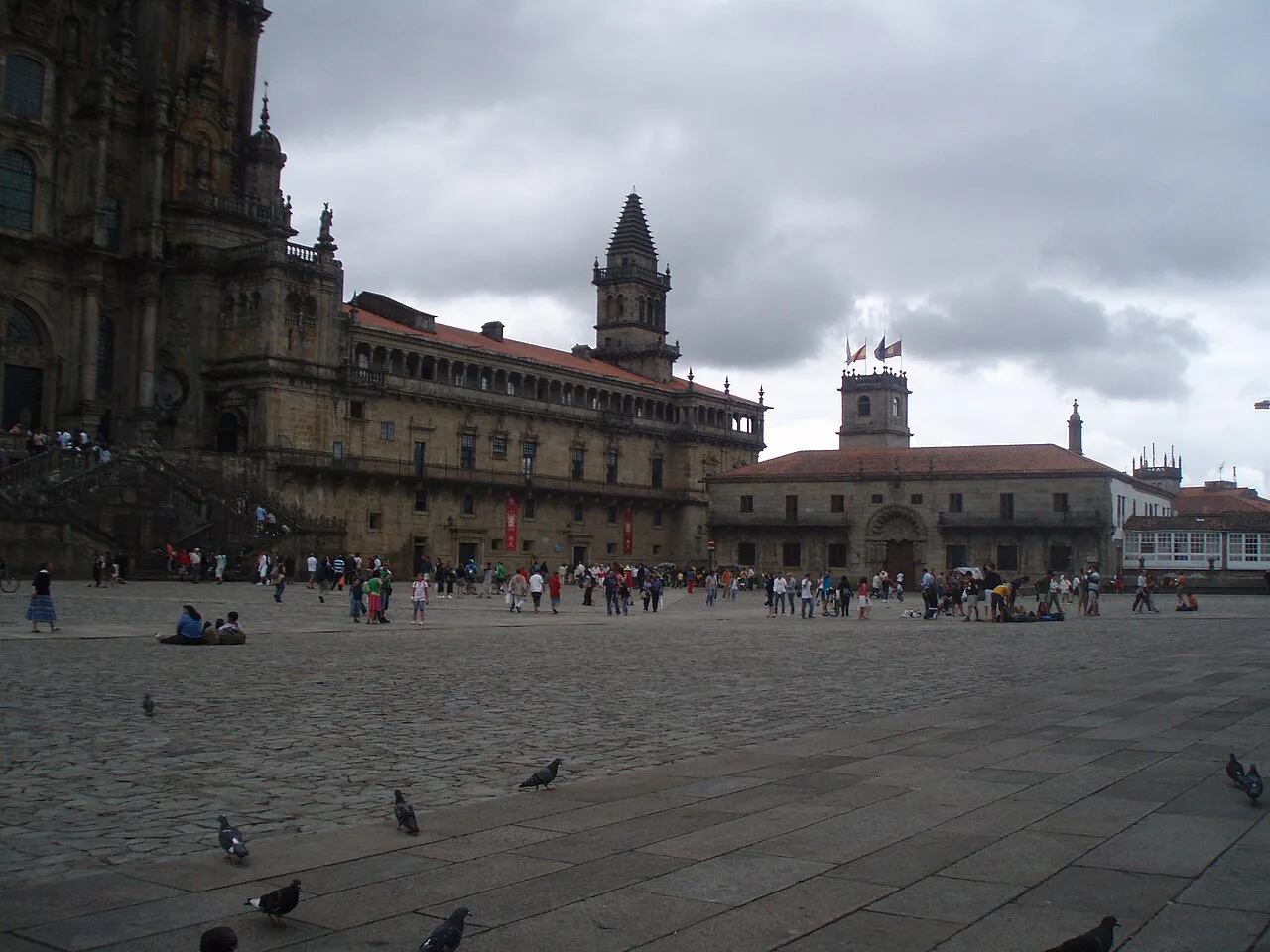
Rooftops and Torre de la Carraca: The Climb and the Views
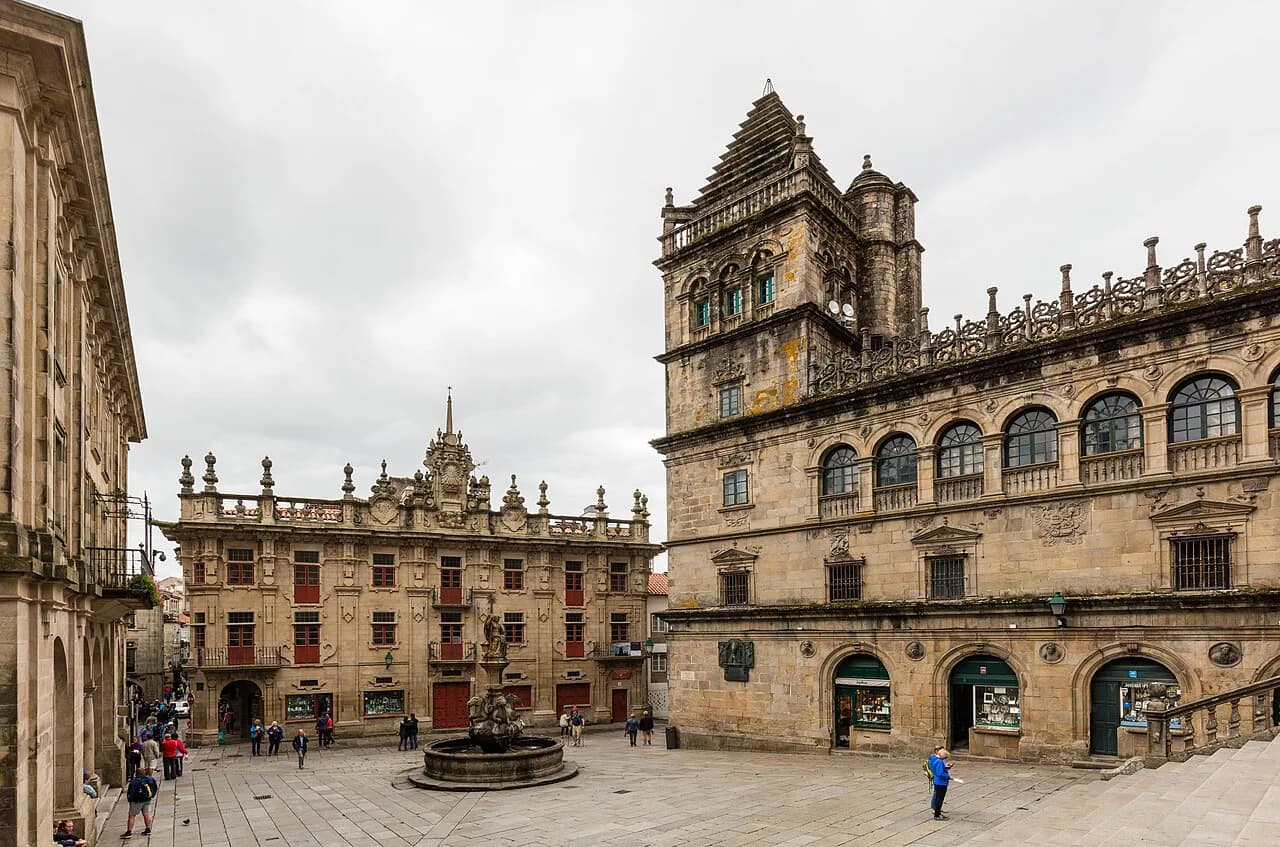
The rooftops route is a different outing rather than an upgrade. After the museum, the guide leads the group up roughly 150 steps to walk on the granite tiles above the church, then into the Torre de la Carraca at more than 50 metres for the view down onto the Praza do Obradoiro, the Quintana and Praterías. The restored Carraca itself, the call bell used at Easter, is part of the commentary.
Budget about three and a half hours in total, usually split as an hour on the roofs, a thirty-minute break and then an hour and a half in the museum and church. The climb is the constraint: this route is not adapted for reduced mobility, and children need to keep the group's pace over the steps. Tours quoted on the climbing format run in Spanish only, so check the language line if you need English.
One practical advantage of the guided roof and museum routes is queue skipping, because groups enter through designated doors. Small-group sizes of about twenty places are quoted by some operators, which matters on the narrow roof walkways where a large party shuffles rather than walks.
Tours That Add the Pórtico de la Gloria
The Pórtico de la Gloria is usually sold inside a tour rather than as a separate ticket on the day. Free individual access is limited to afternoons from Tuesday to Saturday, so if the carved portal is the reason you came, reserve it as part of a guided product instead of hoping to walk in.
Products quoting the Pórtico alongside the cathedral and museum come in at around three hours, and fuller versions that add the roofs and museum run to about four. The trade-off is straightforward: the portal, the crypt and the museum in one go means a long standing stint, and the extra time buys context rather than more ground. Our guide to the Botafumeiro explains the other element people ask about before booking.
Cathedral Plus Old Town: What the Walking Prologue Adds
A large share of the catalogue puts a guided walk through the streets of the Casco Antigo before the museum and church, with a thirty-minute break between the two halves. This format carries the highest rating of the lot, and it works for a first day because the walk gives you the shape of the Santiago de Compostela old town before you meet the building at its centre.
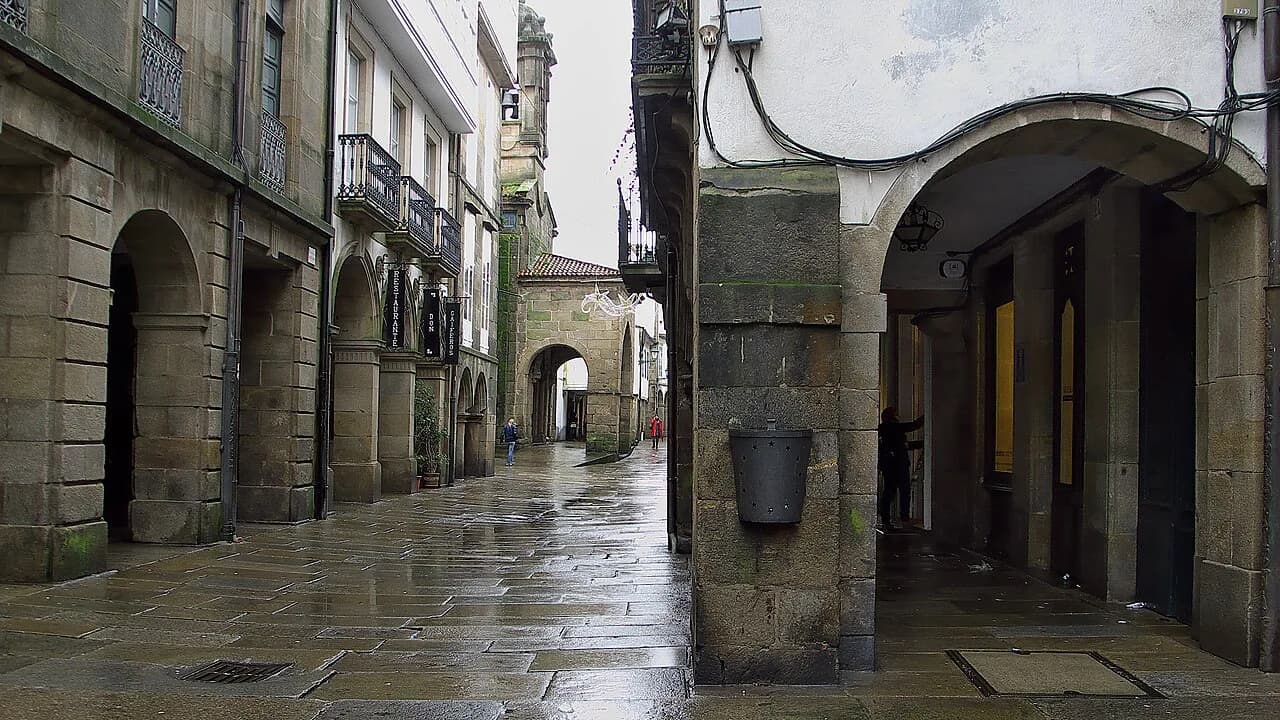
Treat the prologue as orientation, not sightseeing depth. It covers the main streets and squares, which is enough to find your bearings for the rest of the break, and you can return to the granite lanes on your own afterwards. Our Santiago de Compostela walking tour guide sets out what a standalone walk covers if you would rather split the two.
Private Tours: Where They Start and What They Suit
Private versions run about two hours with the guide exclusively for your group, cathedral and museum entry included, meeting at the Praza do Obradoiro. Spanish is the working language, the pace and questions adjust to you, and the format suits anyone who wants the Códice Calixtino and the apostle's crypt explained at their own speed rather than in a group of twenty.
Catalogue private rates sit well above the per-person group prices, so they make sense for two or three travellers pooling one booking rather than for a solo visitor. Ask whether the Pórtico is included, since some private products quote the church and museum only.
Meeting Points and How Early to Arrive
Most groups gather on the Praza do Obradoiro, where the guide waits with an identifying umbrella. Others meet at an office on Rúa de Trás Salomé, and Free Tour Compostela works from the Praza da Quintana de Vivos. Arrive about ten minutes early, because timed passes with pre-booked entries start punctually.
Fixed departure slots quoted in the catalogue include 10:00, 12:00 and 16:00, varying by product. Map your meeting point before the morning of the tour, since the lanes around the cathedral bend and the two squares are a few minutes apart on foot.
Rules Inside the Cathedral and Museum: Bags, Clothing, Sticks and Access
Large backpacks, sleeveless tops, shorts and pilgrim staffs are not allowed inside the church or the museum, a rule that catches out walkers arriving straight off the Camino. Carry a light cover-up and leave the staff at your accommodation on tour day. Assistance dogs are the only exception to the no-pets rule.
The museum is toured by stairs with no lift, and both the museum and the roofs are discouraged for visitors with reduced mobility. If you use a wheelchair or struggle with steps, choose the standard cathedral-and-museum product that avoids the climb, and ask the operator which parts are step-free.
How to Choose Between the Formats
Choose the two-hour cathedral-and-museum tour if you have limited time, small children or any mobility constraint. Choose the rooftops route for the view from the Torre de la Carraca and the tiles above the vaults, accepting the steps and the longer Spanish-only format. Choose the old-town-plus-cathedral combination if it is your first afternoon and you want the city's layout fixed in your head before you go deeper.
Private bookings fit groups of two or three who want their own pace and questions answered directly. Whatever you pick, book a fixed slot in advance: the popular products carry hundreds of reviews, and the Pórtico access inside a tour is the seat that sells first.
For background on the building itself, from the Romanesque portal to the baroque tower, read our Santiago de Compostela history guide before you go, so the guide's commentary lands on ground you already know.
Questions to Settle Before Booking
Check four lines on the product page: whether museum entry is included, whether the Pórtico is inside the price, the tour language, and the meeting point. Duration follows from those answers, since a one-and-a-half-hour to two-hour cathedral visit and a four-hour cathedral-and-roofs outing are different commitments.
Confirm the cancellation terms and whether the price quoted is per person or per group, because the private rates are group prices. Then match the slot to your other bookings and check current details directly with the operator before you travel.
Which Santiago de Compostela Tour to Book First
For a first short break, book the cathedral-plus-old-town tour, which the catalogue rates most highly, and keep a second morning spare for the rooftops and Torre de la Carraca if the weather and your knees allow. If the Pórtico de la Gloria is the priority, take a product that includes it inside the guided entry rather than chasing the limited free afternoon access.
If you are still assembling the rest of the break, start from our things to do page and slot the tour into the day rather than planning around it.
Frequently Asked Questions
Do Santiago de Compostela cathedral tours include entry to the museum?
Many do, but not all. The standard cathedral-and-museum format includes entry to both, while some products quote the guide and church entry only. Read the inclusions line on the product page before booking and check whether the Pórtico de la Gloria is inside the price.
How long does a cathedral tour in Santiago de Compostela take?
The standard cathedral-and-museum tour runs about one to two hours. Products that add the Pórtico de la Gloria take around three hours, and the version that climbs to the roofs and the Torre de la Carraca runs about three and a half to four hours including a short break.
Can I climb the cathedral roofs without a guide?
The roof and tower routes are sold as guided visits with fixed slots, so book a place rather than turning up expecting to walk up on your own. The climb involves roughly 150 steps and the route is not adapted for visitors with reduced mobility.
Where do guided tours of Santiago de Compostela meet?
Most groups gather on the Praza do Obradoiro, where the guide waits with an identifying umbrella. Some products meet at an office on Rúa de Trás Salomé, and Free Tour Compostela works from the Praza da Quintana de Vivos. Arrive about ten minutes before the slot.
Sources
Notes for your next Spanish town break
Optional updates to our guides.
You might also like

Continue reading
More guides you'll find useful