
Es Baluard Museum: Palma's Contemporary Art Museum by the Marina

Es Baluard Museu d'Art Contemporani de Palma is the city's contemporary art museum, built into an old Renaissance bastion that survives as part of Palma's ramparts beside the marina. A visit of about an hour covers the main collection and the outdoor sculpture terraces, and the bastion walls and bay views are half the reason to come. This guide covers where the museum sits, what is inside and how it fits alongside the rest of Palma's sights.
What Es Baluard is and where it sits on Palma's waterfront
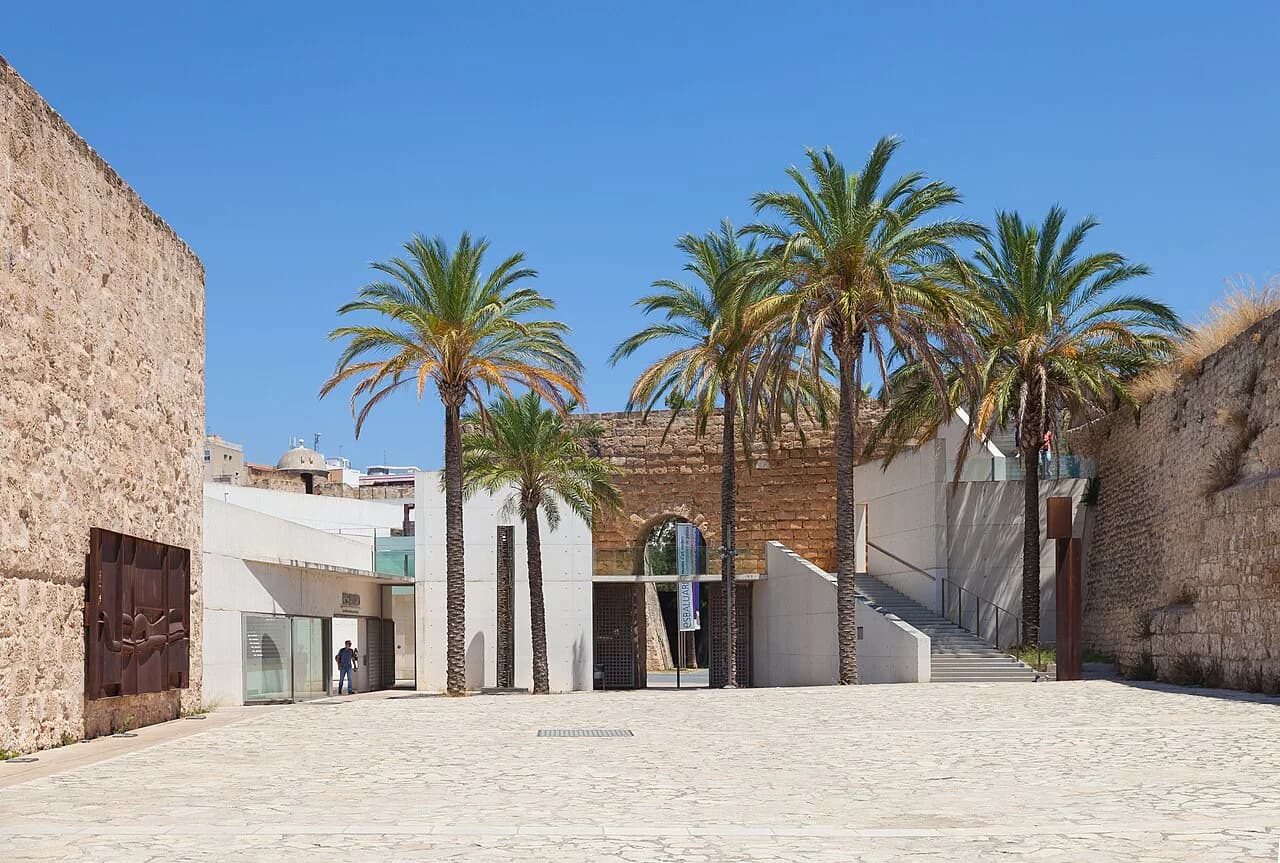
Es Baluard occupies an old Renaissance bastion that formed part of the seaward defences of Palma's old town. The museum's address is Plaça Porta Santa Catalina, 10, on the western edge of the historic centre where the old town meets the marina, an easy stop between the cathedral quarter and the waterfront. The conversion kept the ramparts and the outline of the bastion, so you enter a fortress and find galleries inside it.
If you want Palma's history told through objects, the cathedral and the Arab Baths do that job; if you want to see what artists connected to Mallorca and the international scene have made since the nineteenth century, Es Baluard is the place. The building itself and the terrace views are the part that works for everyone.

Opening hours and admission: what the museum publishes
The museum's published hours are Tuesday to Saturday from 10:00 to 20:00 and Sunday from 10:00 to 15:00, which leaves Monday out of the week. Plan a Palma break with Monday arrival carefully, since a Monday visit to Es Baluard will not work on those hours; the cathedral and other sights can fill that day instead. Gallery hours can shift around exhibition changeovers, so the museum's own visit page is the place to confirm the day you intend to go.
Admission is charged, and the museum publishes its current ticket prices and concessions on its visit page rather than through third parties. Check the Horarios y precios page before you travel and again on the day, since prices can change. If you are weighing the museum against other paid sights in Palma, that page is the honest way to compare.
Getting there from Palma's old town and the marina
From the old town, the simplest approach is on foot: head west from the cathedral area towards the Sa Porta de Santa Catalina end of the centre and look for the bastion walls above the marina. From the Passeig Marítim and the yacht harbour, the museum sits just inland, so you can walk up from the waterfront in a few minutes. City buses serve the old town and the port area; check the operator's own information for routes and times.
Travellers arriving from the airport or the ferry terminals will usually reach the old town first and walk from there, which avoids the one-way system around the marina. If you are combining Es Baluard with the cathedral, do the cathedral early and the museum later, since the museum closes at 15:00 on Sundays. The two are a short walk apart inside the old town, so the museum slots naturally into a morning rather than needing its own half-day.
The building: a Renaissance bastion turned gallery
The bastion was built to mount guns against attack from the sea, and the thick rampart walls and sloping face still read clearly from the marina side. The architects inserted modern gallery volumes behind and above those walls, so the museum is a layered experience: fortress fabric, then clean exhibition rooms, then open terraces. Look for the points where old stone and new concrete meet, which is where the conversion is most legible.
The building's design is one of the reasons visitors who are lukewarm about contemporary art still come away satisfied. A review notes that the building is interesting and offers good views over the marina, and that a visit does not have to take long if the art is not your particular interest. Treat the ramparts and terraces as a sight in their own right and give the galleries the time your curiosity actually warrants.
The permanent collection: from Mallorcan landscape painting to contemporary work
The museum's collection runs to more than 700 works connected to artists from the Balearic Islands and to international names, and the permanent collection display has been arranged on the main floor as a critical survey rather than a simple chronology. It begins with nineteenth-century academic painting close to Mallorca's natural landscape and moves through later styles towards contemporary practice. Names in the collection include Joan Miró, Miquel Barceló, Antoni Tàpies, Picasso, Dalí and Marina Abramović, so the range is wider than a regional gallery might suggest.
The presentation deliberately mixes periods and questions the idea of the museum as a keeper of heritage, with sections that reopen the history of feminisms and of conceptual and performance work. Read the room labels rather than breezing past the paintings expecting a straightforward island landscape show. If you only have half an hour, head for the Miró pieces and the contemporary rooms on the main floor, then take the terrace.
Temporary exhibitions and the Biennal B craft-and-art programme
Alongside the collection, Es Baluard runs a changing programme of temporary exhibitions, talks, guided visits and family workshops, and the museum's website lists what is on and when. The schedule runs well ahead, so check the exhibitions page close to your trip rather than relying on what was announced months earlier. This is the part of the museum that gives repeat visitors a reason to return.
Biennal B is a joint initiative of the museum and the Consell de Mallorca that pairs contemporary artists with craftspeople to make interdisciplinary work. It reflects the museum's stated role as a centre for contemporary creation in the Balearic Islands rather than a purely imported programme. If a Biennal B project is showing during your visit, it is worth seeking out for the craft side alone.
The outdoor sculpture terrace and the views over the Bay of Palma
The museum's outdoor sculpture collection is displayed on the historic bastion, and a walk around the old Renaissance rampart is part of how the museum presents itself. From the terrace level you look out over the Bay of Palma and the marina, with the city's rooftops behind you. The ramparts and the view are a highlight whether or not the galleries have won you over.
Light matters here: the terrace is exposed, so midday in summer is harsh while late afternoon softens the view and the stone. The museum's Sunday closing at 15:00 rules out an evening terrace visit that day, so plan the terrace for a Tuesday-to-Saturday afternoon if the view is the priority. Bring water in high summer, as shade on the bastion is limited.
How much time to allow, and when to go for quieter galleries
Allow roughly an hour for the building, the collection highlights and the terrace, and up to two hours if a temporary exhibition or the Biennal B project interests you. The museum is compact enough that you do not need to clear a whole morning, which makes it easy to pair with the cathedral or a walk along the marina.
Weekday mornings after opening tend to be the calmest slot, since tour groups and cruise passengers usually arrive later in the day. Sunday mornings are short, so if you want quiet rooms, aim for Tuesday to Friday rather than the weekend. The museum closes on Monday, which concentrates demand on the remaining days.
What is nearby: Plaça Porta Santa Catalina and the old town gates
The museum's own address is on Plaça Porta Santa Catalina, and the surrounding streets towards the Sa Llotja and the Born area are some of Palma's most walkable for old-town architecture. Heading inland brings you to the Passeig del Born and the Plaça Major, both within a short walk if you want to continue with the city's squares after the galleries.
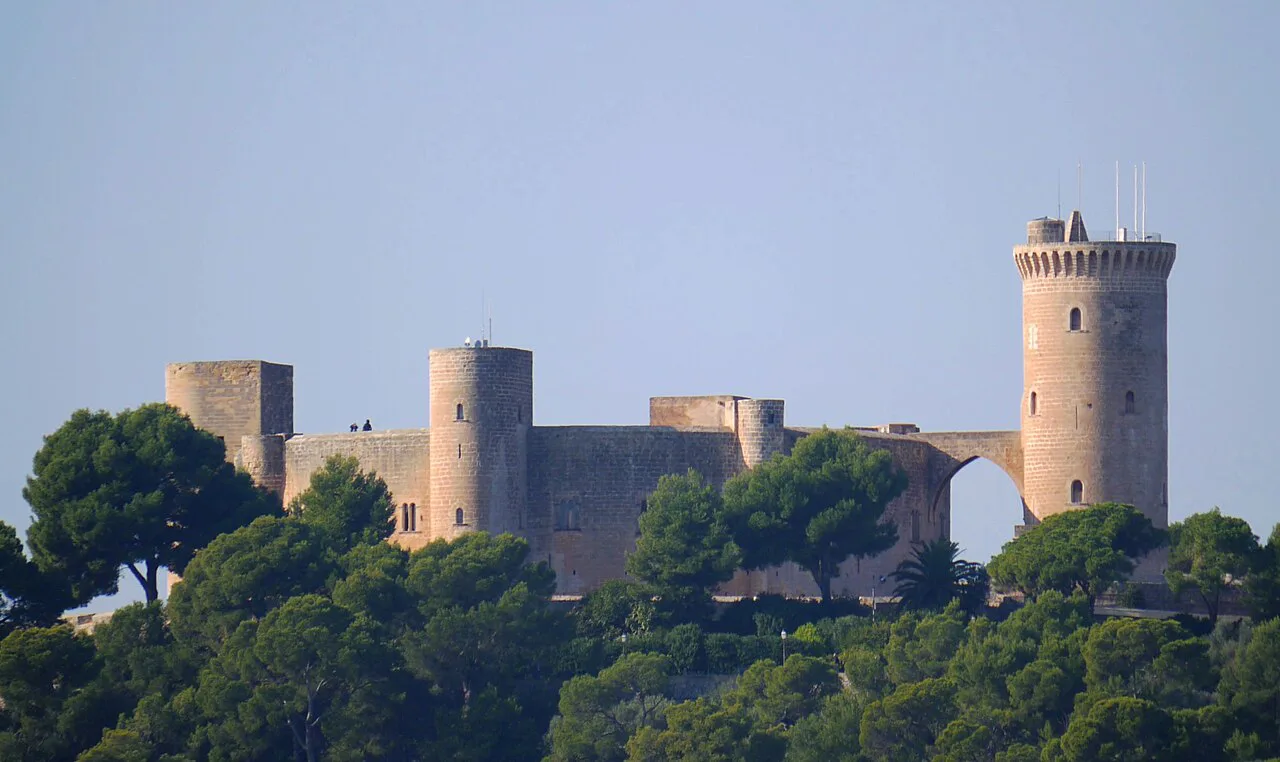
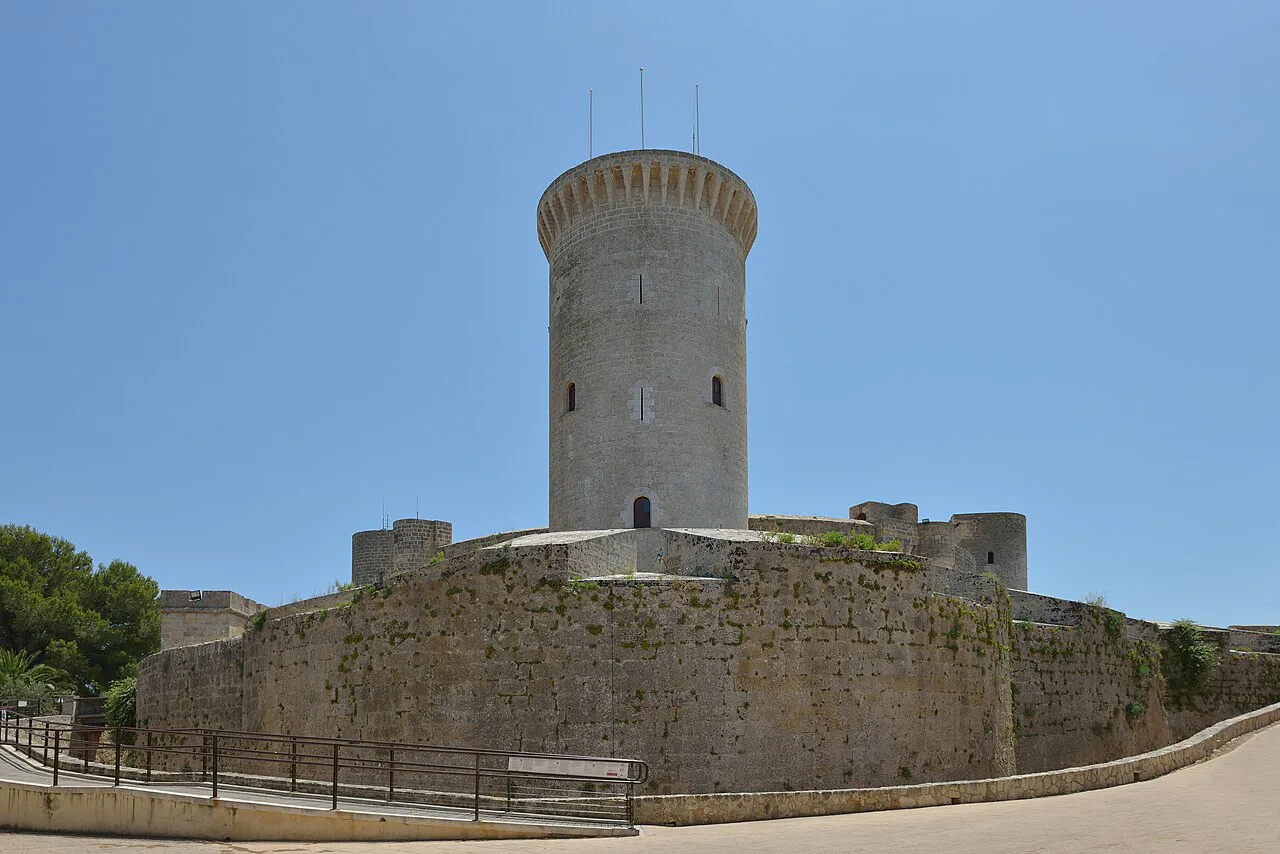
The Arab Baths sit deeper in the old town near the cathedral, and the cathedral itself is ten to fifteen minutes on foot from the museum's bastion. If you are building a Palma itinerary around monuments, Es Baluard combines naturally with the cathedral and the Arab Baths, while Bellver Castle needs its own trip up the hill west of the centre.

Practical points: shop, guided visits and accessibility
The museum runs a bookshop specialising in art, critical thought, artists' catalogues and design objects, which is a good place to buy a catalogue for a show you have just seen. Guided visits of the current exhibitions are offered with commentary from a member of museum staff, and the museum publishes times and booking details alongside each exhibition. Families and school groups have their own activity programme, so check ahead if you are travelling with children.
Accessibility, services and museum rules are set out on the museum's own pages, including how to reach the entrance from the street level around the bastion. If you have limited mobility, read those pages before travelling, since the historic ramparts involve slopes and level changes.
Is Es Baluard worth an hour of your Palma break?
Es Baluard earns its place on a Palma itinerary because the bastion, the terraces and the bay view deliver even if the art leaves you cold, and the collection rewards anyone interested in how Mallorcan painting turned into contemporary practice. Give it an hour on a Tuesday-to-Saturday visit, check the published hours and admission on the museum's site before you go, and treat Monday as a day for the cathedral instead.
Frequently Asked Questions
Who is a famous artist from Mallorca linked to Es Baluard?
Joan Miró is the best-known artist associated with Mallorca whose work appears in the museum's collection, and the permanent collection display has highlighted a group of Miró pieces. Miquel Barceló, who is Mallorcan, is also represented, alongside international names such as Antoni Tàpies and Picasso.
Does Es Baluard have a shop?
Yes. The museum runs a bookshop and shop specialising in art and critical thought, with artists' catalogues, books and design objects. It is a sensible place to buy a catalogue for whichever temporary exhibition you have just seen.
Can you visit Es Baluard for the views alone?
The outdoor sculpture terrace on the historic bastion looks over the marina and the Bay of Palma, and the building is part of the attraction, so a short visit built around the ramparts and the view is a reasonable plan. You still enter through the museum and pay admission, so check the published prices before deciding.