Palma Itinerary: A Two-Day Plan for the Old Town
This two-day Palma itinerary groups La Seu, the Almudaina, La Lonja and Bellver by area, with a walking order that keeps transfers short and afternoons free.
On this page
This two-day Palma itinerary puts everything within walking distance of the cathedral into day one and saves Castell de Bellver for day two, so you cross the old town once rather than twice. Day one runs from La Seu down to the water, through La Lonja, then back up through the Borne to Plaça de Cort; day two heads west to Bellver and returns for the streets around Santa Eulàlia. The order below is by area, not by opening time, because the walking is what eats a short break.
Two practical rules shape the plan. Leave the car out of it: parking in the centre is difficult and the old town is compact enough on foot, with the urban bus the sensible option for Bellver. And check the cathedral and palace timetables before you fix the order of day one, since both sit at the same end of the old town and a closure reshuffles the morning rather than the whole day.
Day one: La Seu and the cathedral quarter, in walking order
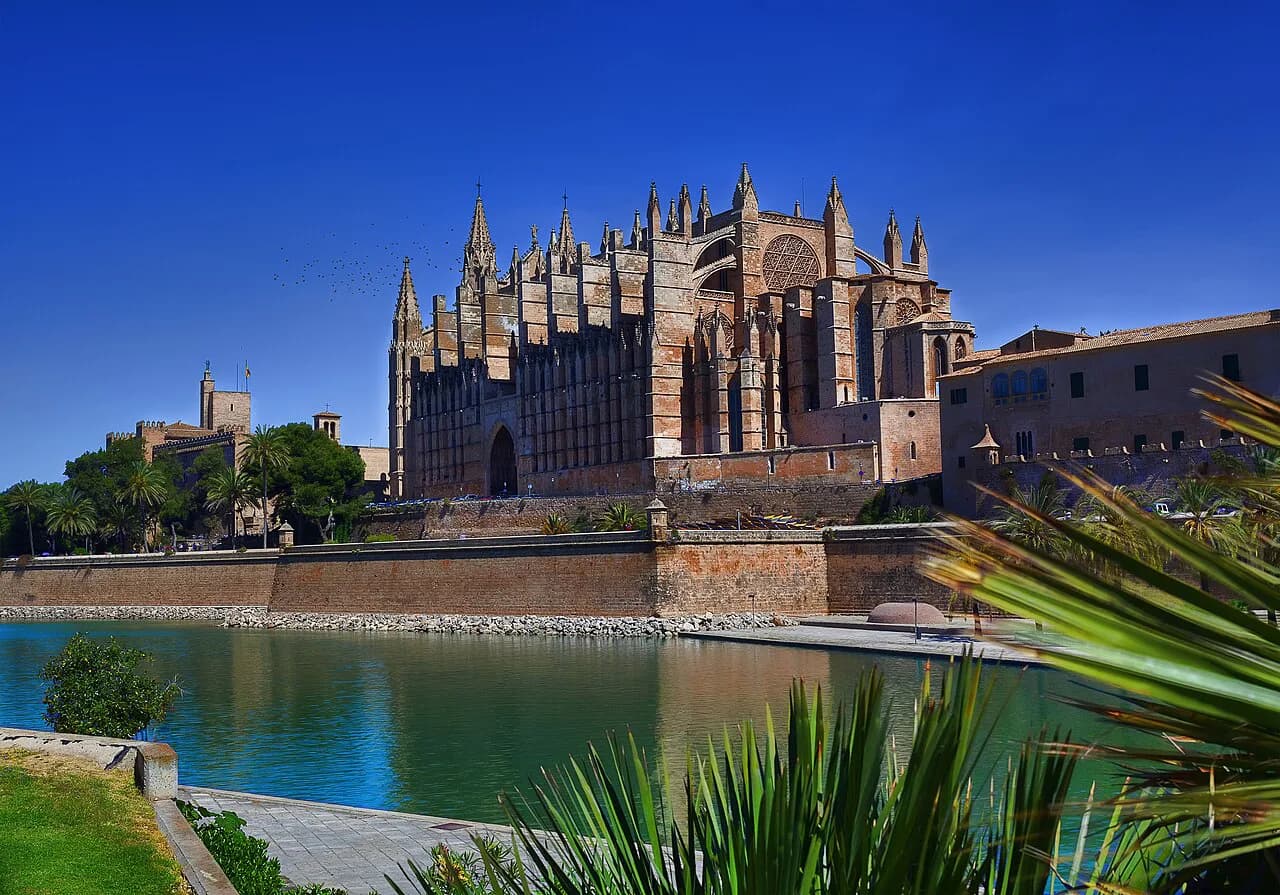
Start at La Seu, the Cathedral of Santa María, which stands on the waterfront side of the old town and is described as the emblem of Mallorca. Built between the thirteenth and fourteenth centuries, it is the outstanding piece of Mallorcan Gothic and holds one of the largest rose windows in Gothic architecture. Arrive at opening rather than mid-morning, because the cathedral is the anchor of the day and everything else on this loop hangs off it.
From the cathedral the walk continues along the bay side, where the water opens out below the old walls, then turns inland into the lanes behind the apse. This is the densest part of the old town for churches, courtyards and stone facades, and it rewards a slow hour rather than a checklist. Keep the sea on your right as you climb and you will arrive at the Almudaina without needing to navigate.
The Palau de l'Almudaina and the Jardines de S'Hort del Rei next door
The Palau Reial de l'Almudaina sits directly opposite the cathedral, a royal palace with Moorish foundations layered under later Gothic work, and it is the natural second stop of the morning. Immediately beside it are the Jardins de S'Hort del Rei, a formal garden of pools, palms and clipped hedges that makes a good open-air pause. Use the gardens to break the morning rather than pushing straight on into La Lonja.
Because the palace and gardens share an entrance area with the cathedral, this is the stretch where a timetable check pays off: if the Almudaina is closed when you arrive, swap it with the afternoon and take the gardens first. The gardens sit outside the ticketed interiors, which makes them a useful buffer between the two.
La Lonja and Santa Catalina for the middle of the day
Walk south-east from the cathedral through the lanes to La Lonja, the Gothic exchange hall whose spiral columns and high vaulted nave are among its defining features. It sits between the old town and the water, so it works as the hinge between the morning's churches and the afternoon's streets. Afterwards, cross towards Santa Catalina, the neighbourhood of low houses and small shops just beyond the old centre, for the middle-of-the-day break.
Santa Catalina sits outside the old town walls and has a different texture: narrow streets, shopfronts and a slower pace that suits a long lunch before the afternoon loop. Treat this as the halfway mark of day one and do not schedule a museum here, or the afternoon will run out before the Borne. If you would rather spend the middle of the day indoors, the city's museums are better placed on day two.
Passeig del Borne, Plaça Major and Plaça de Cort in the late afternoon
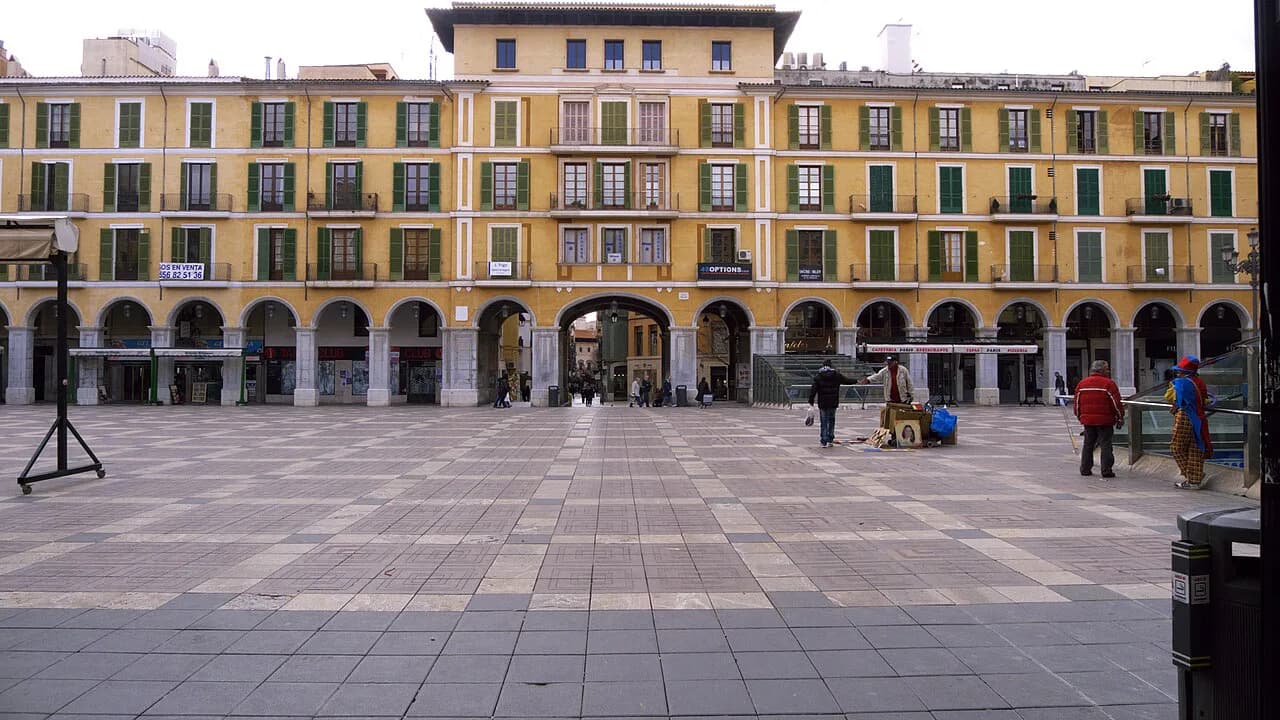
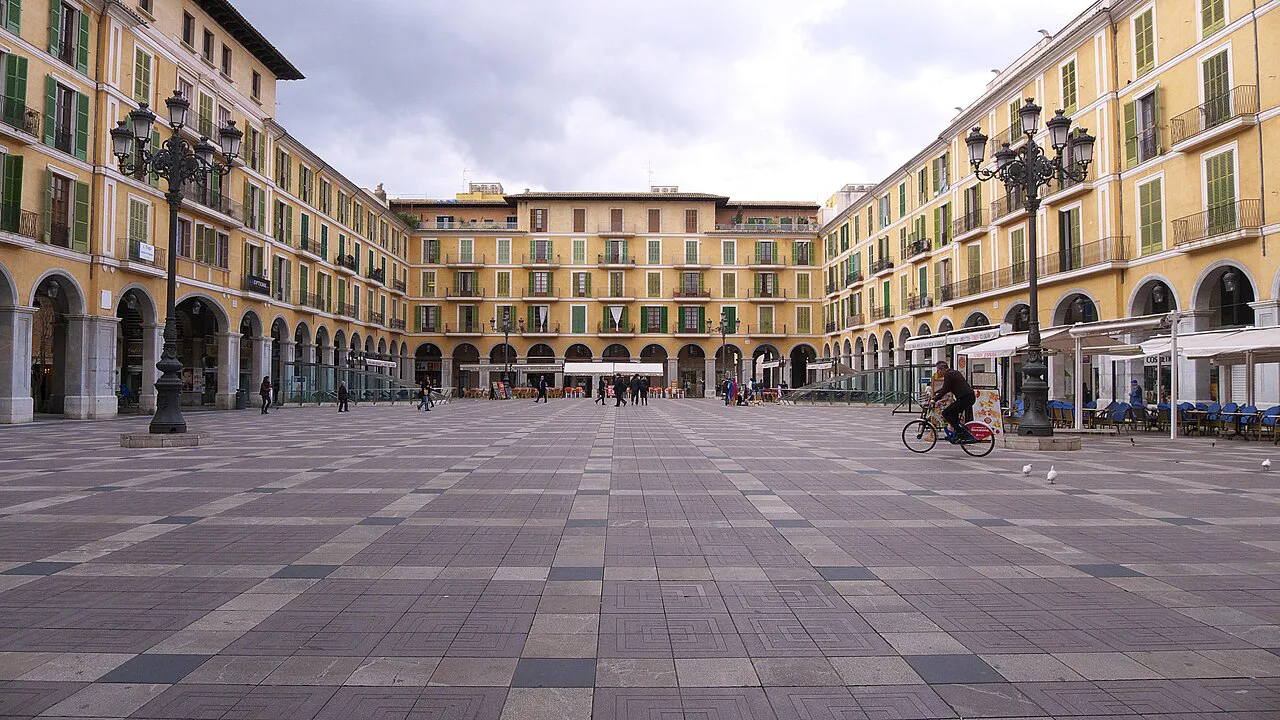
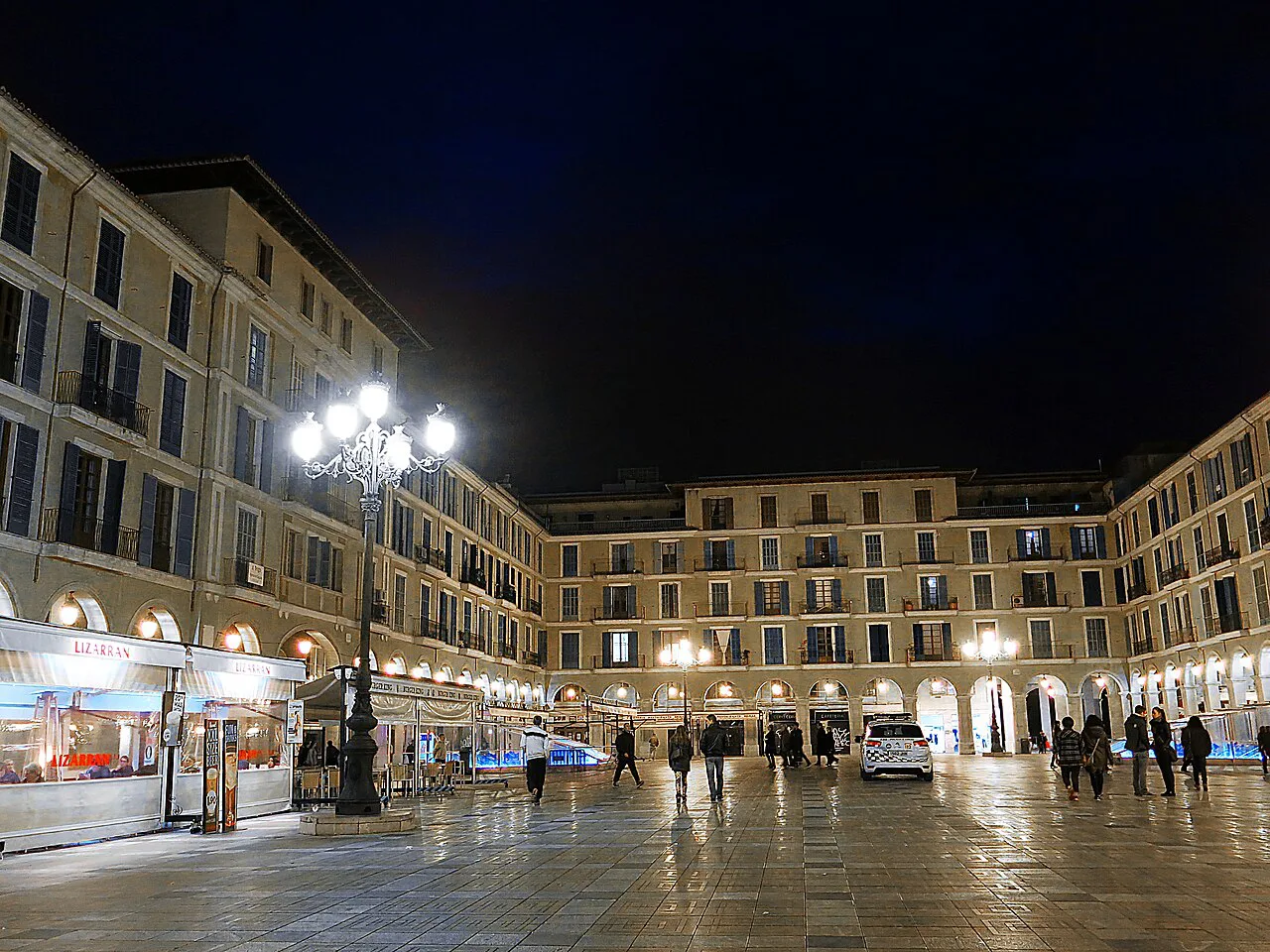
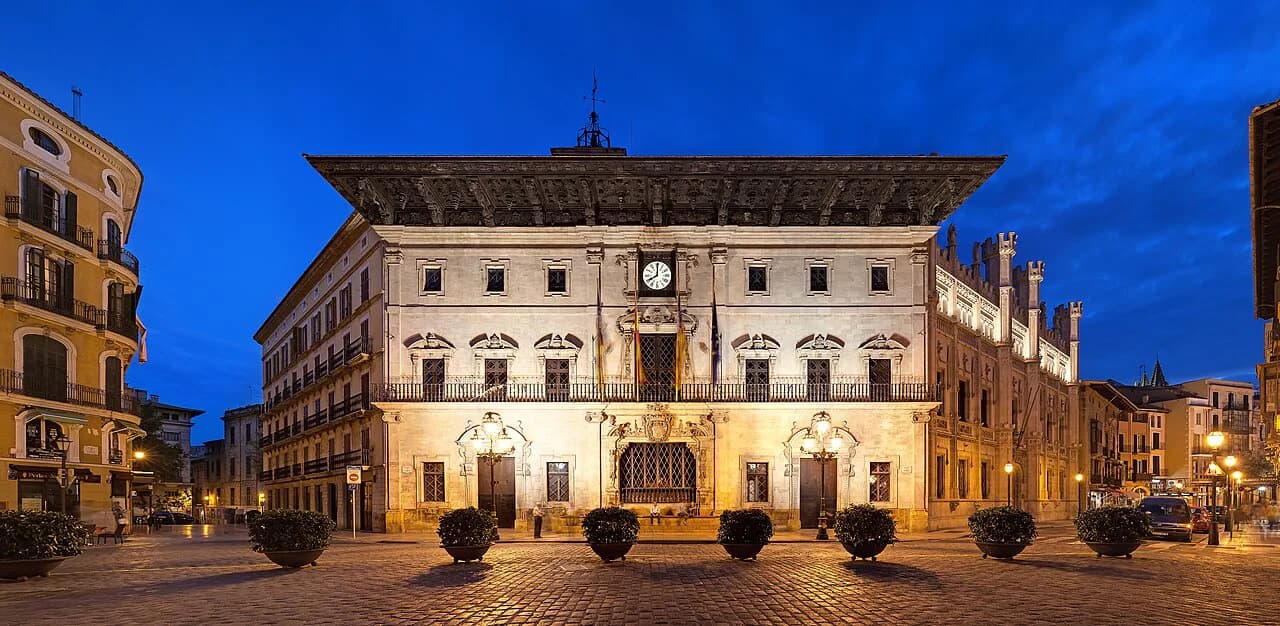
Come back into the old town along the Passeig del Borne, the tree-lined promenade where the city takes its evening walk, and let the afternoon slow down here. From the Borne it is a short climb to Plaça Major, the arcaded square that carries most of the centre's shopping, and then a few minutes further to Plaça de Cort, where the town hall faces the square. The three follow one another naturally and make a tidy end to day one.
Shops in Palma open on Sundays, which matters more for how you shape the second day than the first: a wet or slow afternoon can be moved to the Borne and Plaça Major without losing the itinerary. Keep the shopping to this loop rather than spreading it across both days, and the old-town walking stays short.
Santa Eulàlia and the old-town streets around it
Finish day one at Santa Eulàlia, the church set in the lanes just north of the Borne, and use the streets around it as a gentle exit rather than another ticketed stop. The pleasure here is the fabric of the old town itself: sandstone facades, inner courtyards and small squares that sit off the main route. A loop of twenty minutes around the church brings you back towards the centre without repeating the morning's walk.
If you want the history behind the streets rather than just the shapes, the story of the city runs from the Roman town through the Moorish Medina Mayurca to the Christian rebuilding after the conquest, and it explains why the cathedral and the Almudaina stand where they do. Reading it before day two makes Bellver's city museum far more legible.
Day two: Castell de Bellver and the city museum
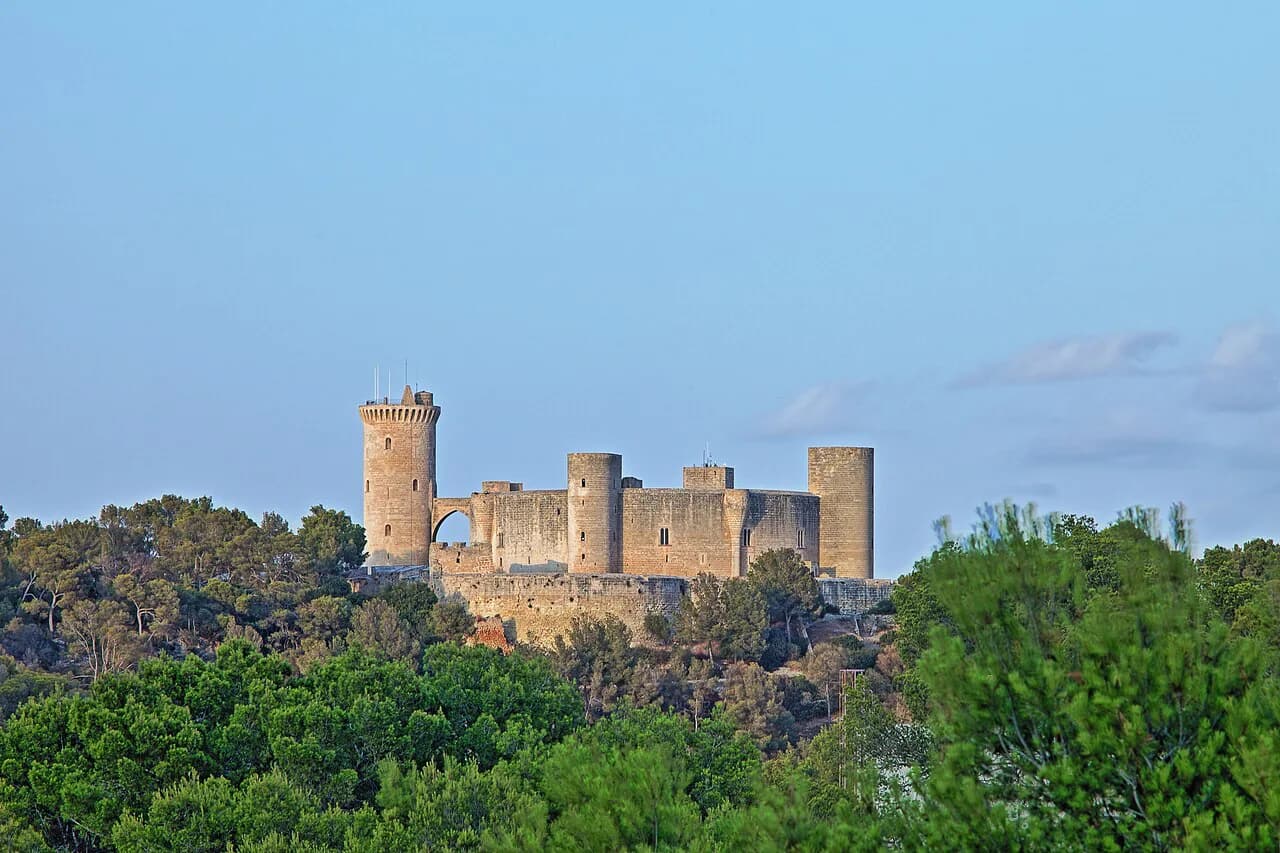
Castell de Bellver stands on the hill above the city and is the one place on this itinerary where the bus earns its keep: the Balearic tourism board describes it as the only circular castle in Spain and it also houses the city history museum, so a single visit covers both the building and the collection. The views from the terrace take in the bay and the whole of Palma.
Allow a half-day for Bellver and go up early, because the hill is exposed and the walk from the bus stop adds time. Take the urban bus rather than a taxi to keep the day cheap and the return flexible, and check the castle's opening days before you commit the morning. Everything else on day two can move around one fixed Bellver slot.
Where day two goes after Bellver
Back in the city, spend the afternoon on the waterfront and the squares rather than retracing the old town. The Parc de la Mar below the cathedral gives you an open-air finish without another queue, and the Passeig Marítim nearby is good for a walk along the bay. If you would rather be on the water, the boat trips from the harbour are the other obvious use of a free afternoon.
If you want a single route through the old town without improvising, the guided options cover much the same ground as day one and leave day two free for Bellver. Compare what each includes before booking, since the value lies in the commentary rather than in skipped queues.
Getting in from the airport and moving around without a car
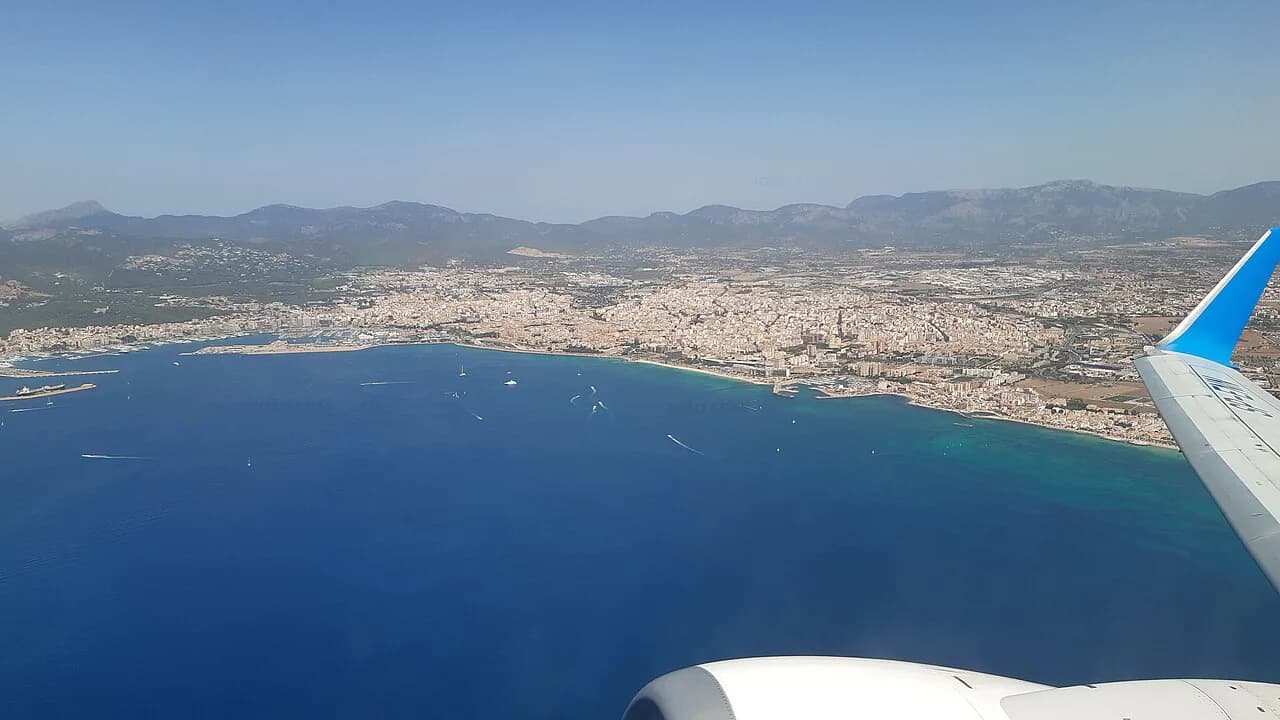
The bus A1 is the cheapest way into the centre from the airport, taking around twenty minutes with stops at Plaça d'Espanya, Avinguda del Comte de Sallent and Passeig Mallorca. Plaça d'Espanya is also where the Estació Intermodal sits, connecting Palma with the rest of the island, so it doubles as the arrival point for a train or coach from elsewhere. From any of those stops the old town is a short walk or one local bus ride.
Do not hire a car for this itinerary. Parking near the centre is difficult, the old-town streets are pedestrian, and the only trip that needs wheels is Bellver, which the urban bus covers. Skipping the car also keeps the second day flexible if the castle is busy or the weather turns.
What to book ahead and what to leave open
Book the two interiors you care most about, the cathedral and the Almudaina, and leave the rest of day one open so the walking sets the pace. In high season, reserve anything with a fixed entry slot well before you travel, because the old town fills up and a sold-out morning is hard to rearrange. The gardens, squares and promenade need no booking at all, which is why they carry the flexible half of each day.
Keep Sunday in mind when you plan: shops in Palma open that day, so the Borne and Plaça Major can absorb a Sunday afternoon even if the monuments follow different timetables. Build the plan around two fixed bookings and let the shopping loop move.
Two days in Palma with a half-day for the island
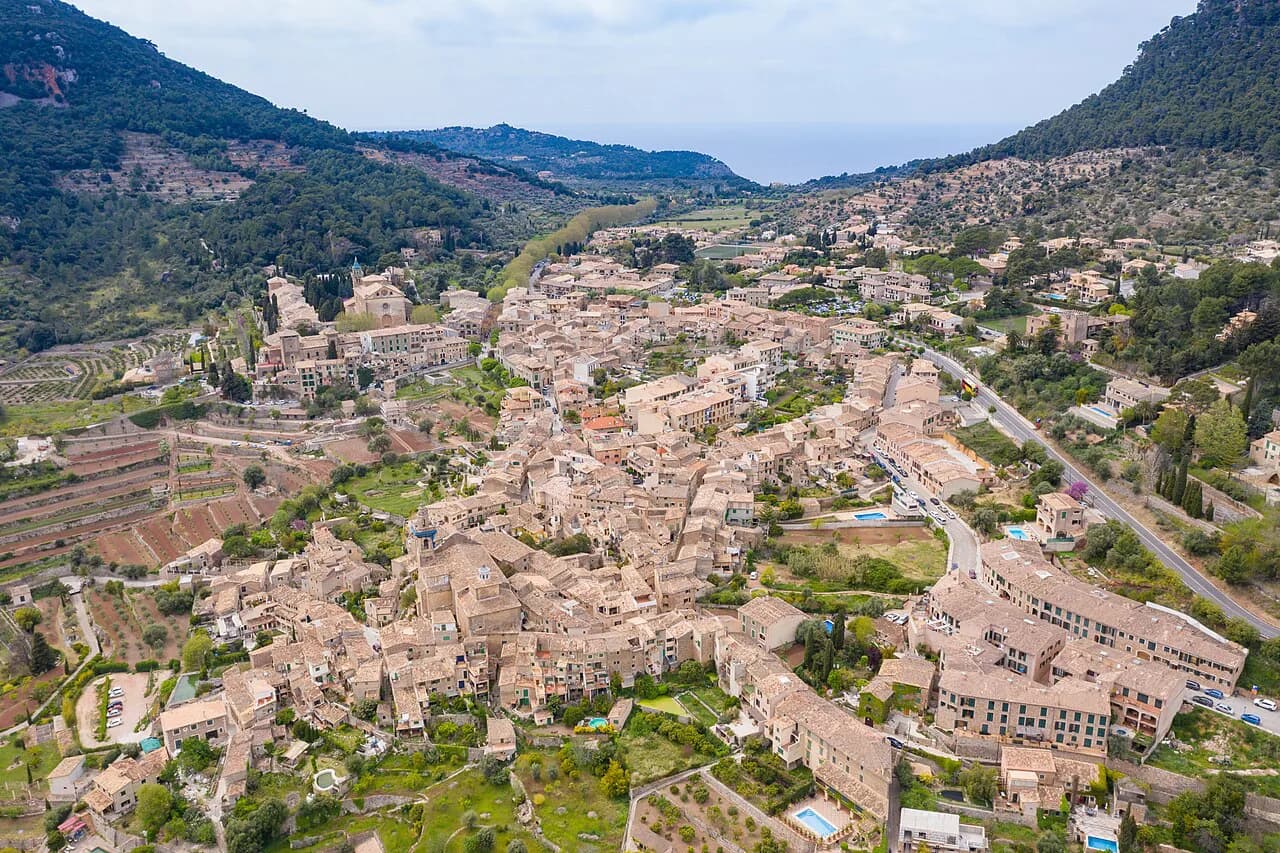
If you want one excursion beyond the city, use the second afternoon rather than cutting into day one: the train and coach network from the Estació Intermodal reaches the island's other towns, and the mountain villages to the north make the strongest contrast with Palma. Give the excursion a half-day and keep the evening free in the city. The best towns in Mallorca beyond Palma are worth reading up on before you choose which direction to take.
Whatever you add, keep the old town as the fixed part of the trip: it is compact, it holds the monuments this plan is built around, and it does not depend on a timetable. A fuller list of what to see sits in our things to do in Palma guide if you want to extend either day.
Which half of the itinerary to protect
Protect day one. The cathedral quarter, La Lonja, Santa Catalina and the Borne are what a short Palma break is for, and they fit into one loop on foot with a lunch in the middle. Bellver is the better half-day if you have the time, but it is the part of the plan that can move.
Fix the cathedral and the Almudaina first, add Bellver on whichever morning suits, and leave the promenade and the squares to fill the gaps. Check the cathedral and castle timetables close to your dates, since those are the two bookings that decide the shape of both days.
Explore more Palma guides
Frequently Asked Questions
Can you walk this Palma itinerary without using public transport?
Day one is entirely on foot, from La Seu through La Lonja, Santa Catalina, the Borne and Plaça de Cort. Day two is the exception: Castell de Bellver sits on the hill above the city and is normally reached by urban bus, so plan for one short ride each way.
What can you do in Palma without booking tickets?
The Passeig del Borne, Plaça Major, Plaça de Cort and the lanes around Santa Eulàlia are open streets that cost nothing to walk through and fill a good half-day on their own, and the Parc de la Mar below the cathedral is an open public space. The cathedral, the Almudaina and Castell de Bellver are ticketed interiors, so check their current terms and opening days before you go.
Sources
Notes for your next Spanish town break
Optional updates to our guides.
You might also like
Continue reading
More guides you'll find useful