Palma History: A Visitor's Timeline of the Old Town
Palma's history from Roman Palmeria to Medina Mayurca and the medieval city, traced through the streets, gates and monuments you can still visit today.
On this page
Palma's historic core compresses two thousand years into a few streets: a Roman camp on the Almudaina hill, a Moorish city, a Gothic capital and a modern art city on the waterfront. This guide follows that sequence era by era, attaching each one to the building, square or street where you can still see it.
It is written for travellers who have a short break in the city and want the old town to make sense, rather than a list of dynasties. Names, dates and descriptions follow the cited history and city listings; ticket desks and opening hours are separate matters for each monument.
What Palma's name has meant through history
The city has carried several names. The cited history traces them as Palmeria, Medina Mayurca, Ciutat de Mallorca and finally Palma, the form in use today. Knowing the sequence helps when you read interpretation panels in the old town, because the older names appear on maps and in museum captions alongside the modern one.
The Roman name is tied to the first settlement, which the cited history places in the area of today's La Almudaina neighbourhood, the oldest quarter of the city. The later Arabic name belongs to the Moorish city, and Ciutat de Mallorca is the Catalan form that survives in local usage. Locals often say simply Palma or Ciutat rather than the full Palma de Mallorca of holiday brochures.
Roman Palmeria: the camp, the cardo and the Almudaina
The history dates the Roman foundation to 123 BC, when Quinto Cecilio Metelo Baleárico established a camp with a harbour on the site of the later city. The settlement grew around two street axes, a cardo and a decumanus, whose crossing held the forum. That grid is the deepest layer under the old town you walk through today.
The lines of those Roman streets are given as today's Carrer de Sant Roc and Carrer de l'Estudi General Luliano. Walking between them puts you on the spine of Palmeria, even though the buildings above ground are centuries later. It is the clearest way to feel the Roman footprint without any excavated ruin in view.
The Roman city was fortified, and one gate of that wall survives on Carrer de la Almudaina. Stand there and you are at the edge of the original defended area, with the La Almudaina neighbourhood behind you and the later city pressing in around it. The cited history names this as the oldest quarter of Palma.
Medina Mayurca: the Moorish city before the conquest
Between the Roman period and the Christian conquest, Palma was a Moorish city known as Medina Mayurca. The Almudaina hill took its name from the fortified quarter, and the palace site on that hill carries the Arabic-derived name into the present. This is the era most easily overlooked on a short visit, because so little of it stands above ground.
What survives is mainly in the street pattern and in the reuse of earlier defences by later builders. The cited history notes that the city was built and rebuilt from its first walls outward, which is why the old town feels layered rather than planned. Read the Almudaina palace as an Islamic fortress later converted into a royal residence rather than as a single-period building.
The medieval city: La Seu, the Almudaina palace and the Lonja
The city became the capital of the island and, later, of the Balearic Islands. The cited history dates the city's elevation to seat of Mallorca and capital of the islands to 379 under Theodosius the Great, in the late Roman period, which is a useful reminder that Palma's administrative importance long predates its Gothic monuments.
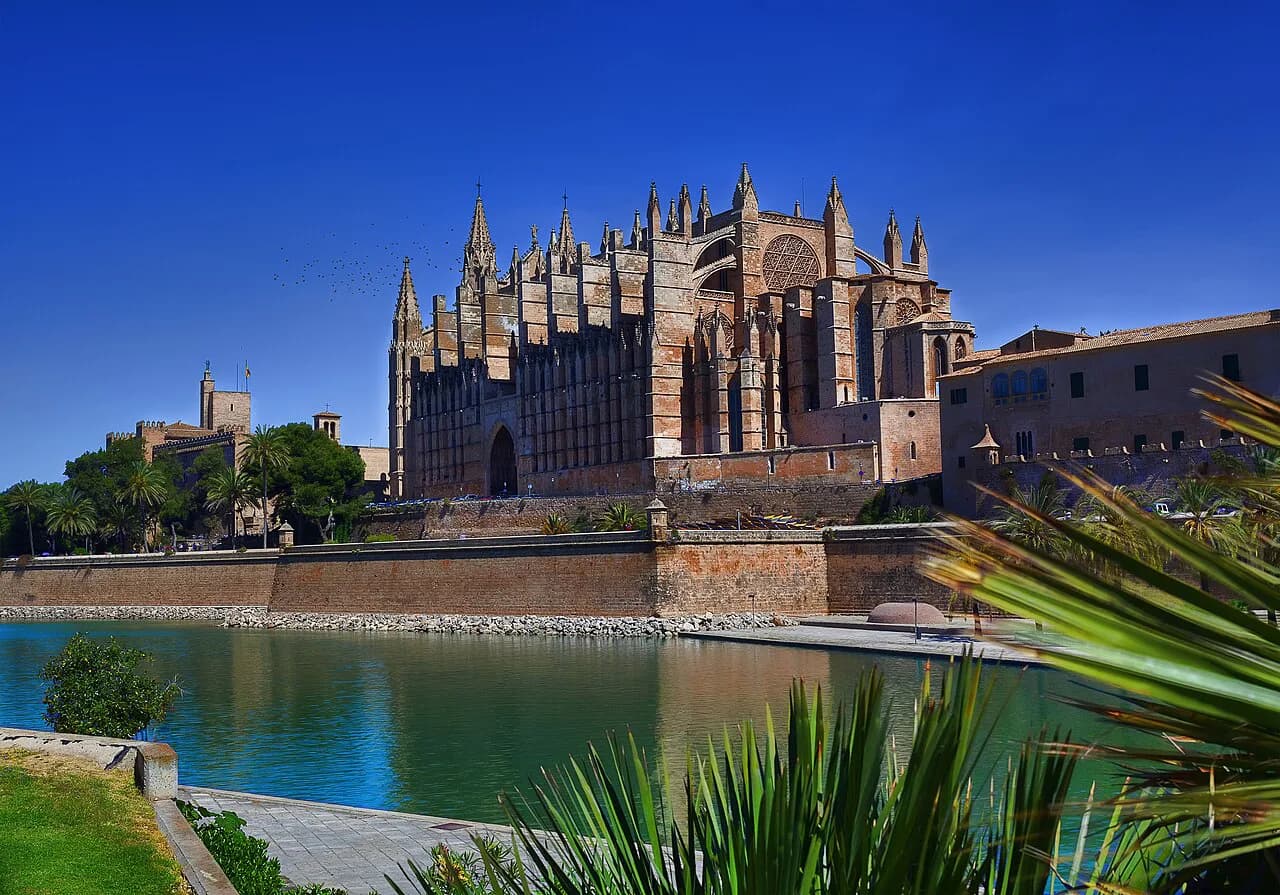
Much of what visitors come for is medieval. La Seu, the Cathedral of Mallorca, is the principal religious building on the island, Gothic in style and set facing the sea. Beside it, the Palau de l'Almudaina is a fortress converted into a palace, now used as a museum and by the Spanish royal family for events.
Below them, the Llotja de Mallorca is a fifteenth-century Gothic exchange whose arcades now host art exhibitions. Together with the Cathedral and the Almudaina, it forms the monumental waterfront strip that defines the medieval city in most visitors' memories.
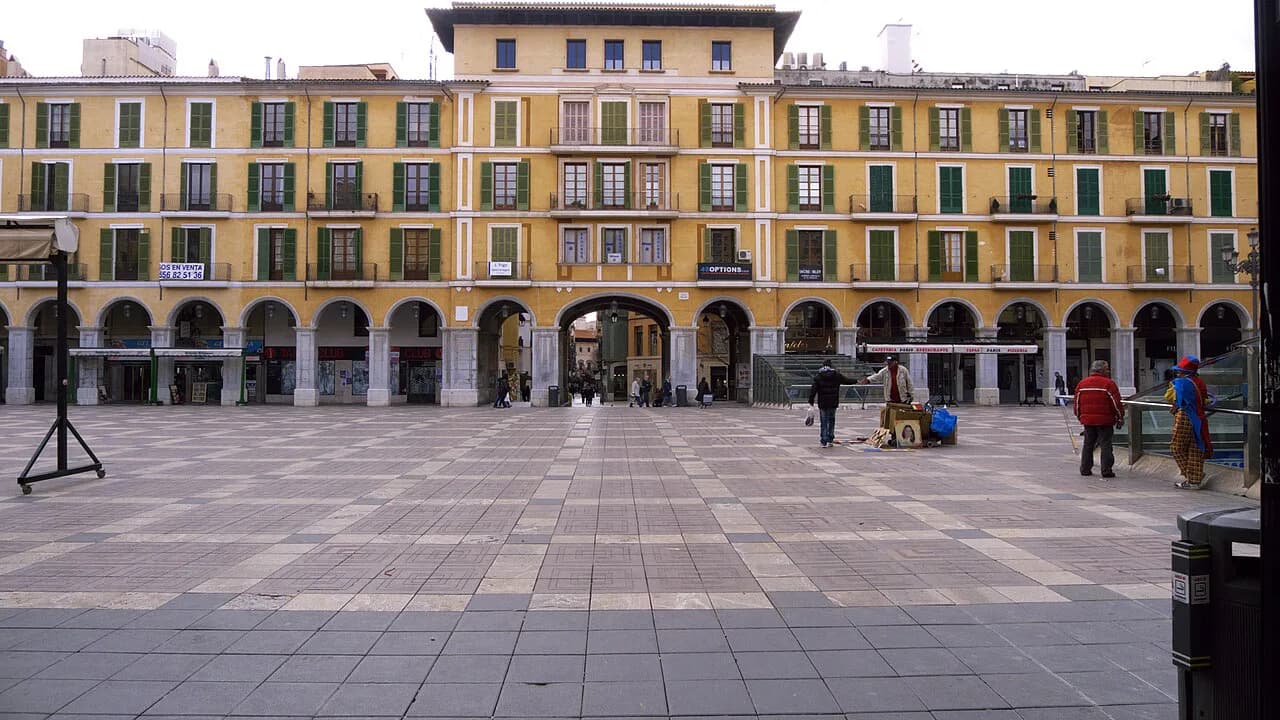
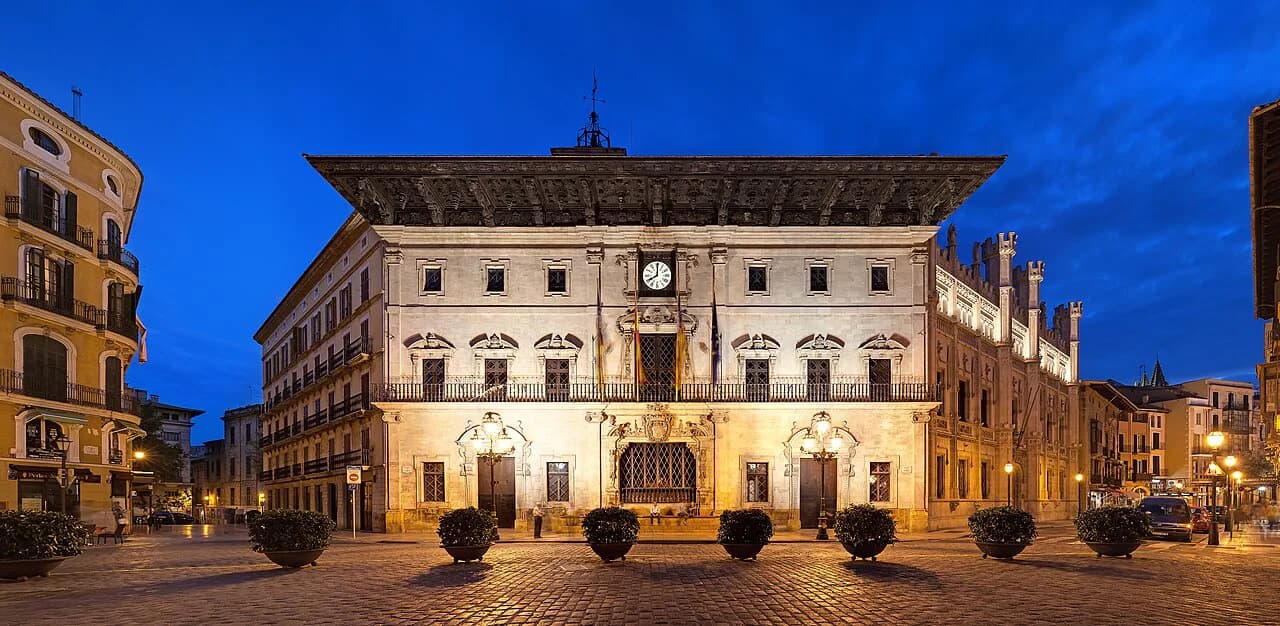
The old town around these monuments rewards slow wandering: the Plaça de Cort with its town hall, the Plaça Major, La Rambla with its flower kiosks and the Passeig del Born. For a route that links the squares and the medieval set pieces in a sensible order, see this guide to the Palma old town.
The circular Castell de Bellver and its city-history museum
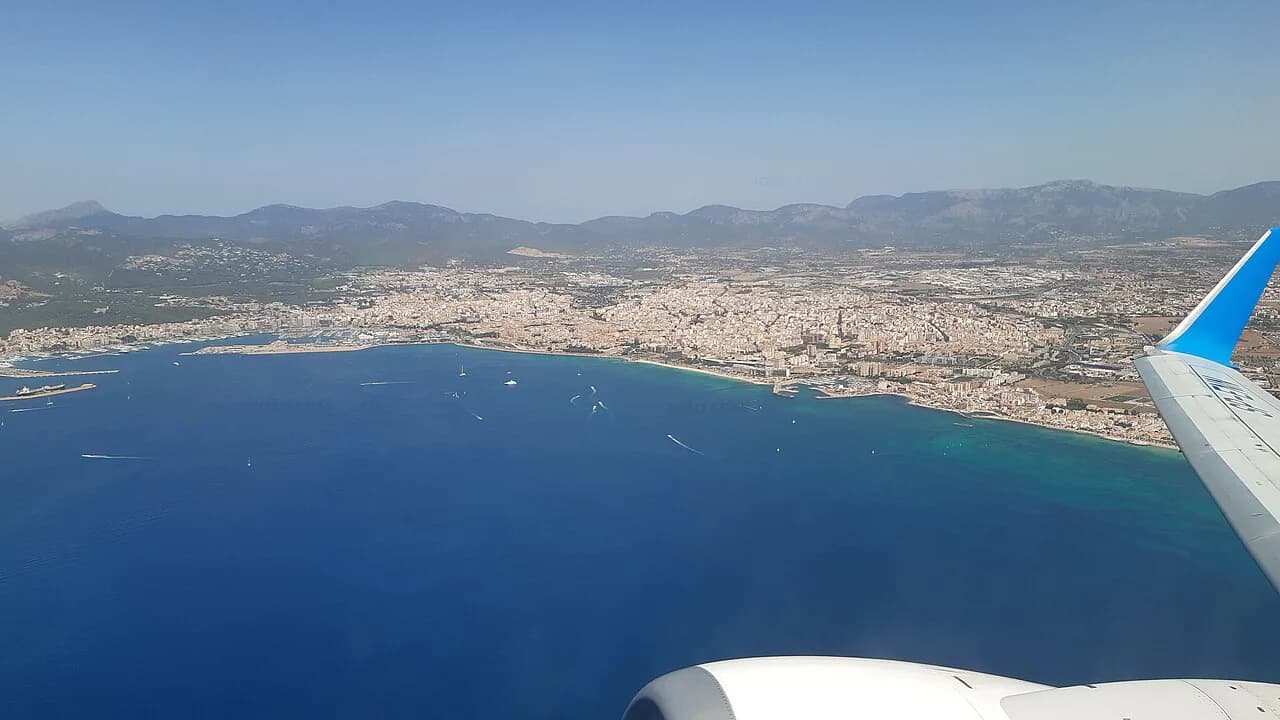
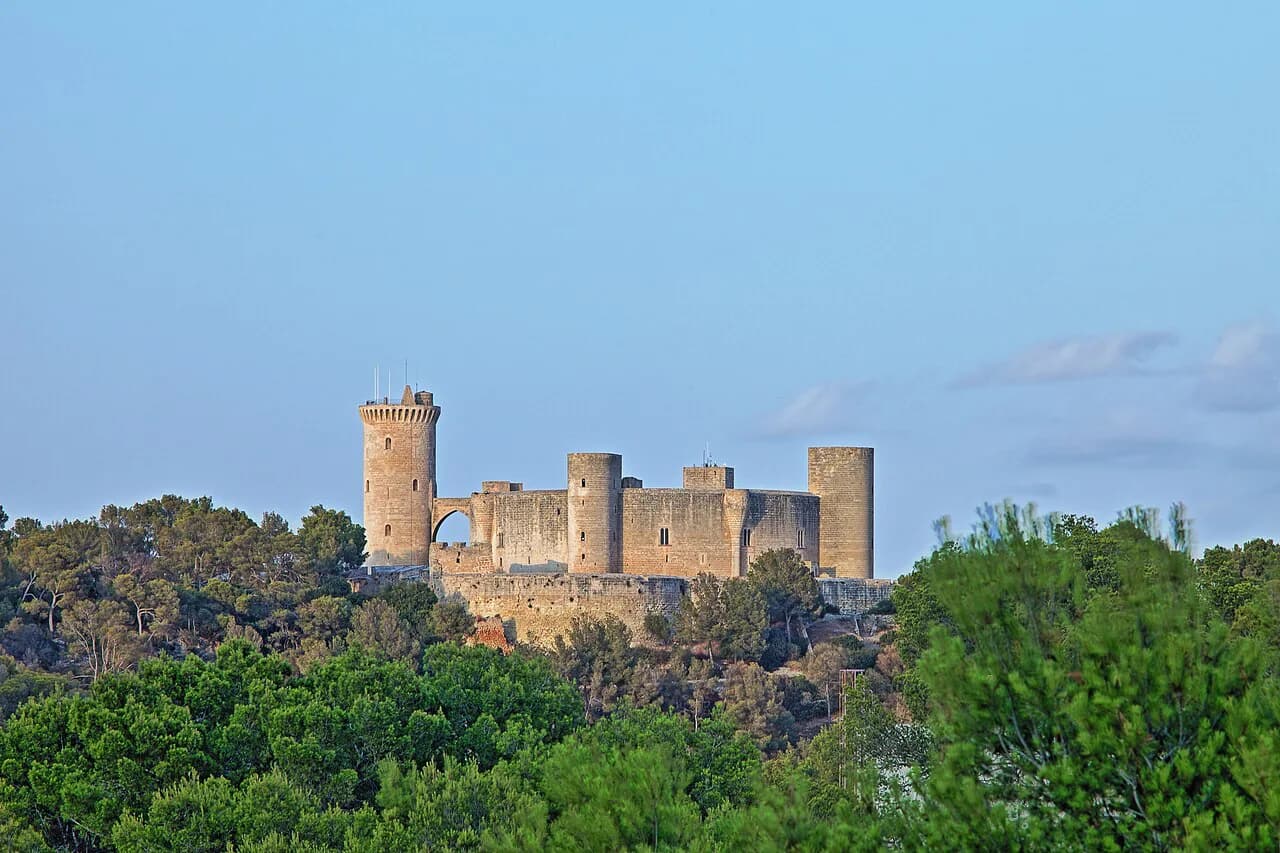
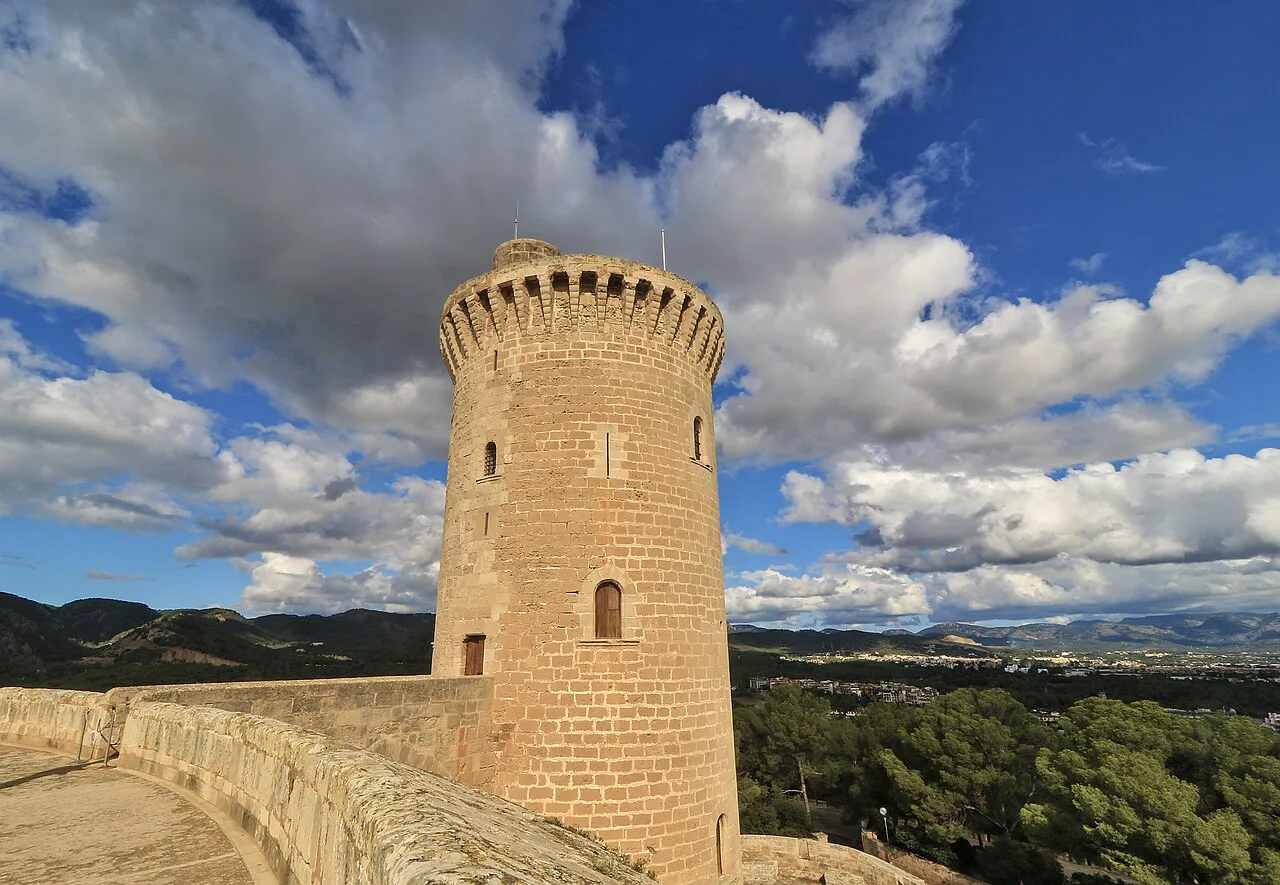
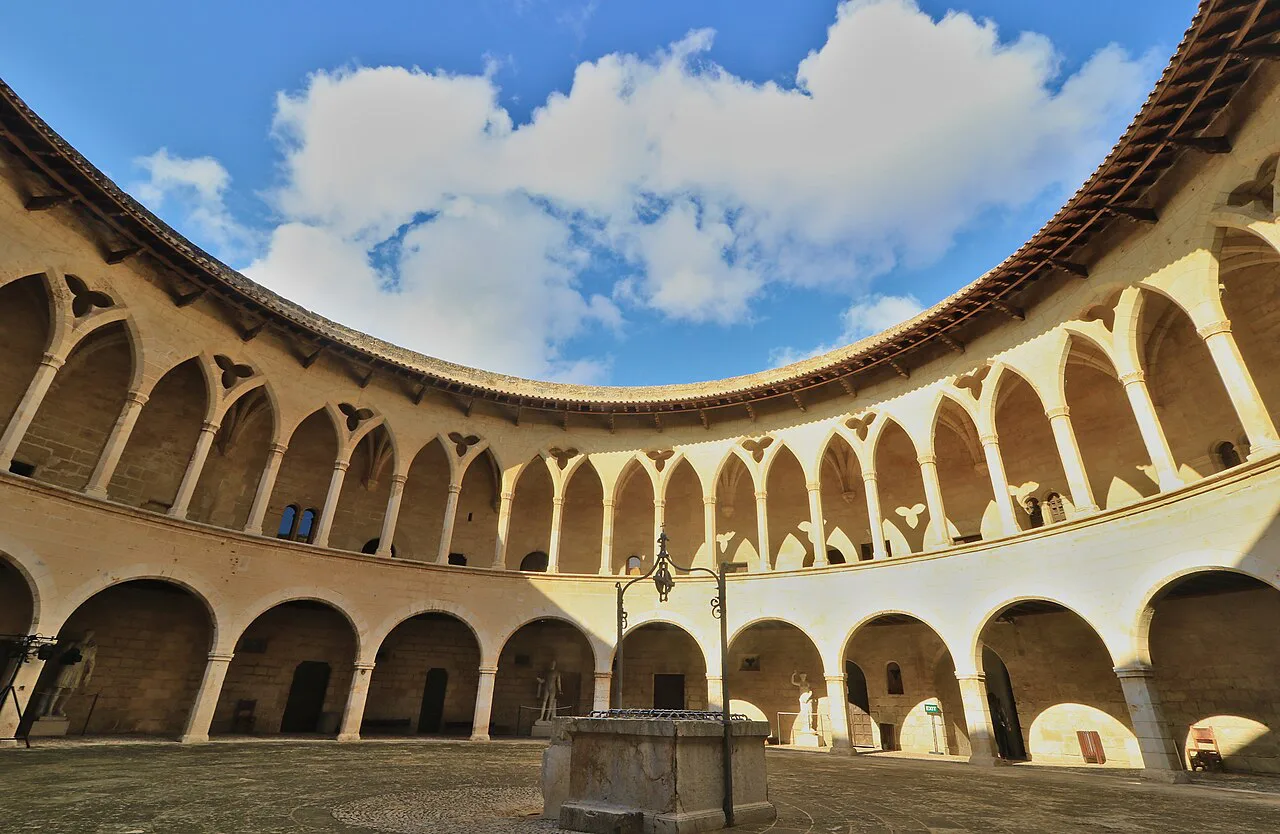
Castell de Bellver stands on a hill above the bay, a fourteenth-century circular castle with views over the bay of Palma that houses the city history museum. Its round plan is unusual in Europe, and the position gives you the whole sweep of Palma from harbour to the Serra de Tramuntana beyond.
Make Bellver your first stop if you want the timeline in physical form. The museum collection traces the city's story, and the view lets you place the old town, the port and the modern districts against each other before you walk them. It is a better orientation exercise than reading panels in the street.
Modern Palma: Es Baluard and the Miró legacy
Modern Palma has its own monuments. Es Baluard is the city's museum of modern and contemporary art. The Fundació Miró Mallorca holds a large collection of Joan Miró's paintings, sculptures and drawings, with temporary exhibitions alongside.
These two collections carry the story past the medieval city and into the twentieth century, and they sit at opposite ends of the visitor's map: Es Baluard near the harbour, the Miró foundation on the western side of the city. If you want to see both, plan them as separate outings rather than squeezing them into one walk; the museums in Palma guide sets out what each collection covers.
Where the layers survive in the old town today
The Roman gate on Carrer de la Almudaina, the street lines of Carrer de Sant Roc and Carrer de l'Estudi General Luliano, the Almudaina hill and the Gothic waterfront are all within a short walk of each other. That concentration is why Palma's history is walkable: you can move from a Roman gate to a Moorish fortress to a Gothic cathedral in a single morning without crossing the city.
For the fuller picture of what to see once you have the timeline straight, the Palma attractions collection groups the monuments, museums and viewpoints into individual guides. It is a practical next step when you want to decide which interiors are worth your time.
Which layer of Palma to start with
Start at Bellver for the overview, then walk down into the old town and follow the Roman street lines to the Almudaina gate before finishing at the Cathedral. That order turns scattered monuments into a single narrative and saves you from seeing the Gothic city without knowing what came before it.
If you have a second day, use it for Es Baluard and the Miró foundation so the modern chapter gets the same attention as the medieval one. That is the honest split: one day for the old town's layers, one for the museums and the waterfront.
Explore more Palma guides
Frequently Asked Questions
What was Mallorca before Spain?
Mallorca was a Roman possession from the foundation of Palmeria in 123 BC and later part of the Moorish world as Medina Mayurca. The buildings in Palma's old town belong to those periods and to the later medieval city.
What is Palma de Mallorca famous for?
Palma is known for La Seu cathedral, the Palau de l'Almudaina, the Llotja and the circular Castell de Bellver, plus the modern collections at Es Baluard and the Miró foundation. Its old town around the Plaça de Cort, Plaça Major and Passeig del Born is the compact stage where those monuments sit.
Can you still see Roman Palma?
The Roman city is mostly under the old town, but the cited history locates the ancient cardo and decumanus at today's Carrer de Sant Roc and Carrer de l'Estudi General Luliano, and a gate of the Roman wall survives on Carrer de la Almudaina in the La Almudaina quarter. Walking those streets is the clearest way to trace the Roman footprint.
Sources
Notes for your next Spanish town break
Optional updates to our guides.
You might also like
Continue reading
More guides you'll find useful