Best Towns in Mallorca: Sóller, Valldemossa, Deià, Pollença and Alcúdia
The best towns in Mallorca beyond Palma, from Sóller and Valldemossa to Deià, Pollença and Alcúdia, and how each fits a short break on the island.
On this page
The best towns in Mallorca beyond Palma are Sóller, Valldemossa, Deià, Fornalutx, Pollença and Alcúdia, with Artà and the Tramuntana monastery sites as the second tier. Each is a real town with a church, a square or a wall at its centre, not a resort strip, and most can be reached from Palma within a morning. This guide sets out what anchors each one and how the geography shapes a short break.
The island divides neatly for planning. The northwest villages sit in the Serra de Tramuntana and reward slow driving, while Alcúdia and Artà on the east and northeast are separate outings with their own monuments. Port de Sóller and Port de Pollença exist as coastal counterparts to the inland towns, but the old centres are the reason to go.
What the best towns in Mallorca have in common
Almost every town worth a detour has one dominant monument and a compact old centre around it, which makes them easy to read on foot. Valldemossa has the Real Cartuja, Sóller has the baroque Església de Sant Bartomeu, Alcúdia has its medieval wall and Artà has the Santuari de Sant Salvador above it. Plan around that anchor and the rest of the town falls into place.
They are also spread across the island rather than clustered, so pairing matters more than ranking. The Tramuntana villages of Valldemossa, Deià, Sóller and Fornalutx sit within one another's orbit, while Alcúdia and Artà belong to a separate eastern day. Mallorca's historic buildings, caves and watchtowers are scattered across these areas, and a car is the straightforward way to reach the remoter ones.
Palma as the base: the cathedral, the old centre and the Palau de l'Almudaina
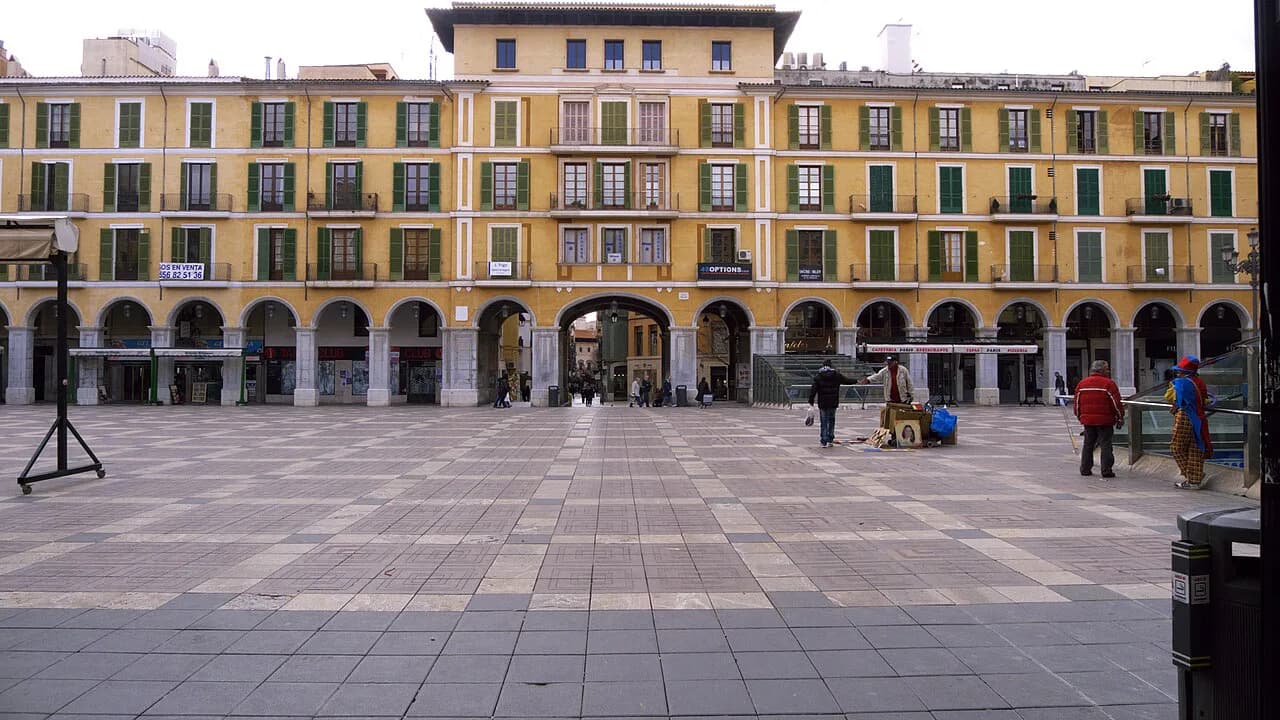
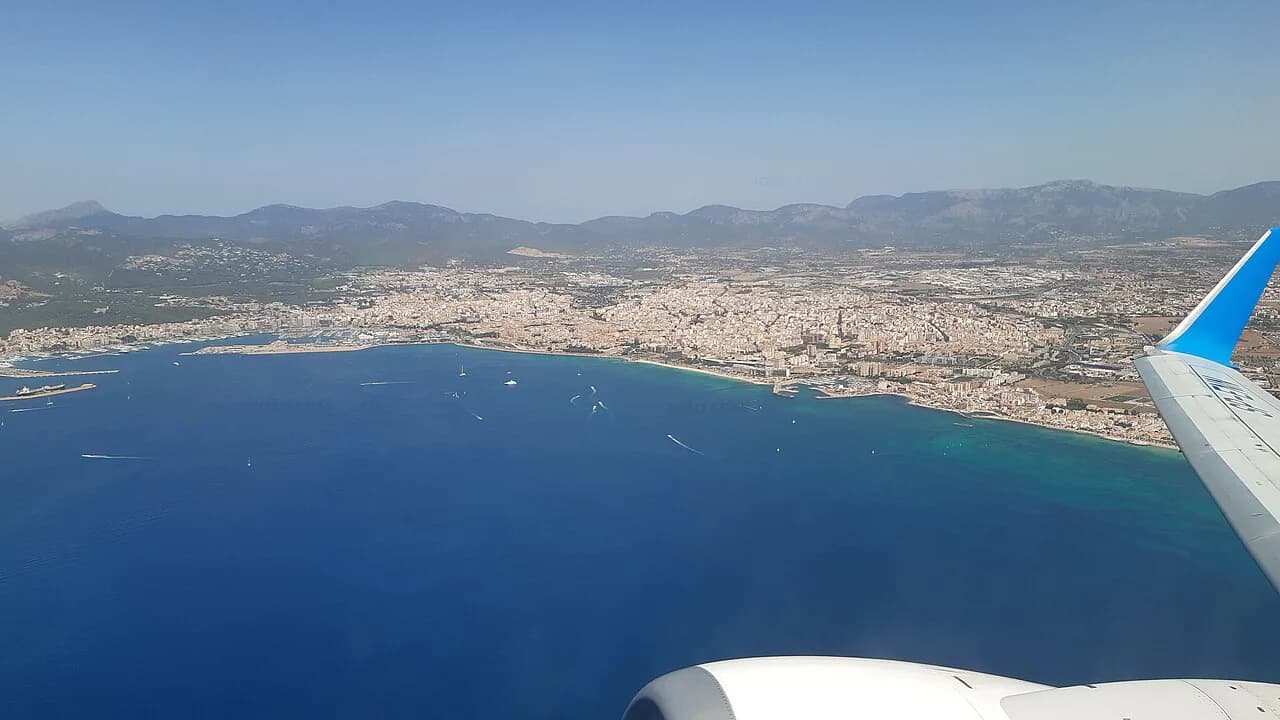
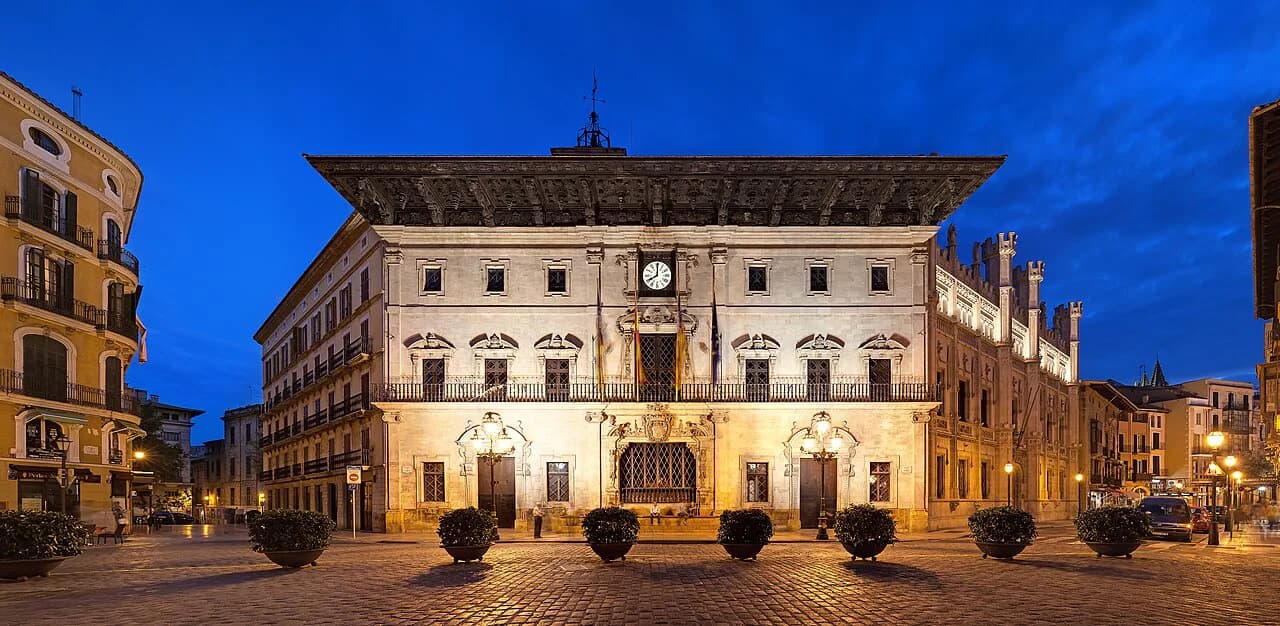
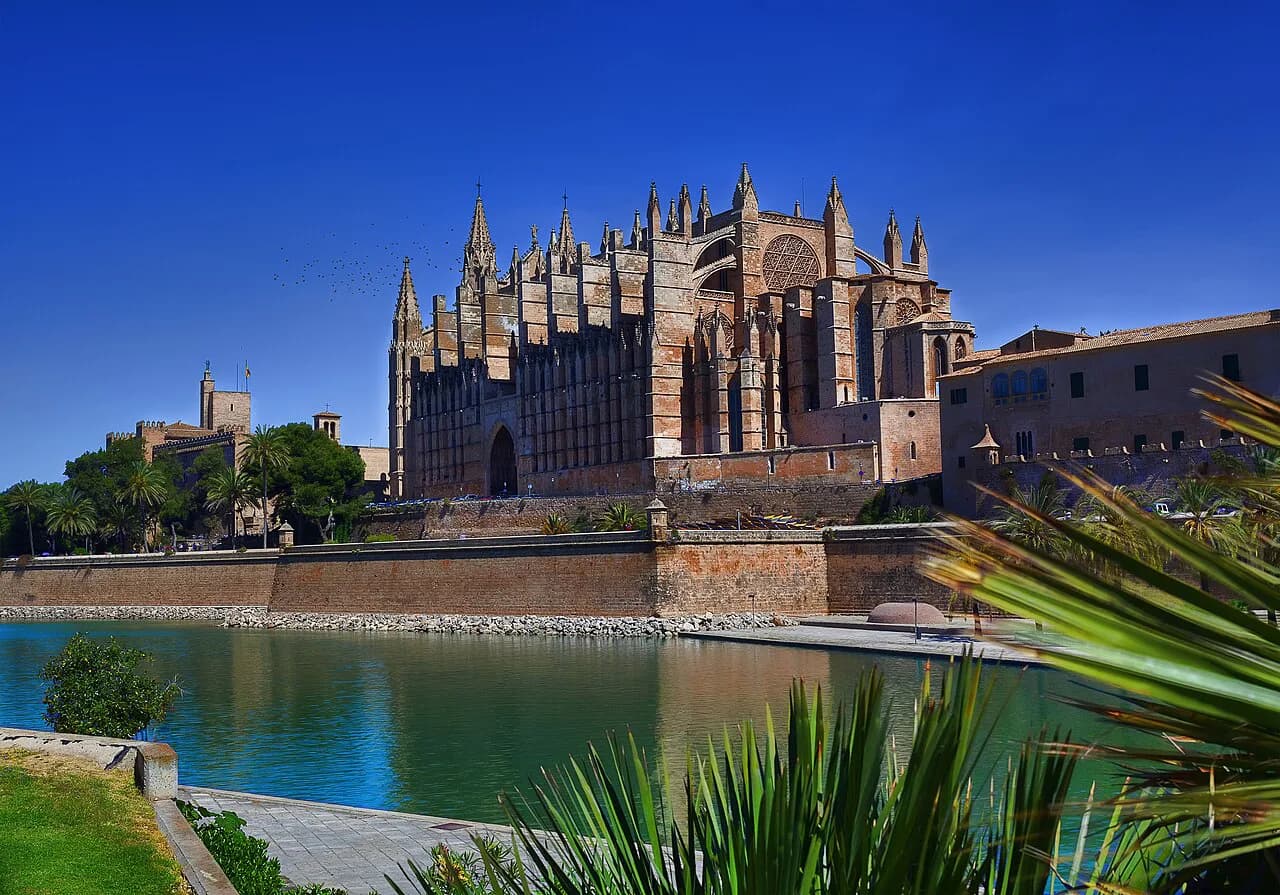
Palma works as the base because the island's transport converges there and the old centre is a sight in itself. The Catedral de La Seu is the city's landmark, and the Palau de l'Almudaina stands close by, so a first morning can cover both before any day out. The surrounding streets, including the Plaça Major and Passeig des Born, are worth an unhurried walk, and our guide to the things to do in Palma sets out the rest of the centre.
Use Palma for orientation rather than as a tick-list. A walk through the Palma old town with the cathedral, the palace and the Arab Baths gives you the island's architectural vocabulary before you meet it again in the towns. If you want a structured route, a Palma walking tour covers the same ground with the chronology filled in, and the city's museums fill a wet or very hot afternoon.
Valldemossa: the Real Cartuja and the stone streets
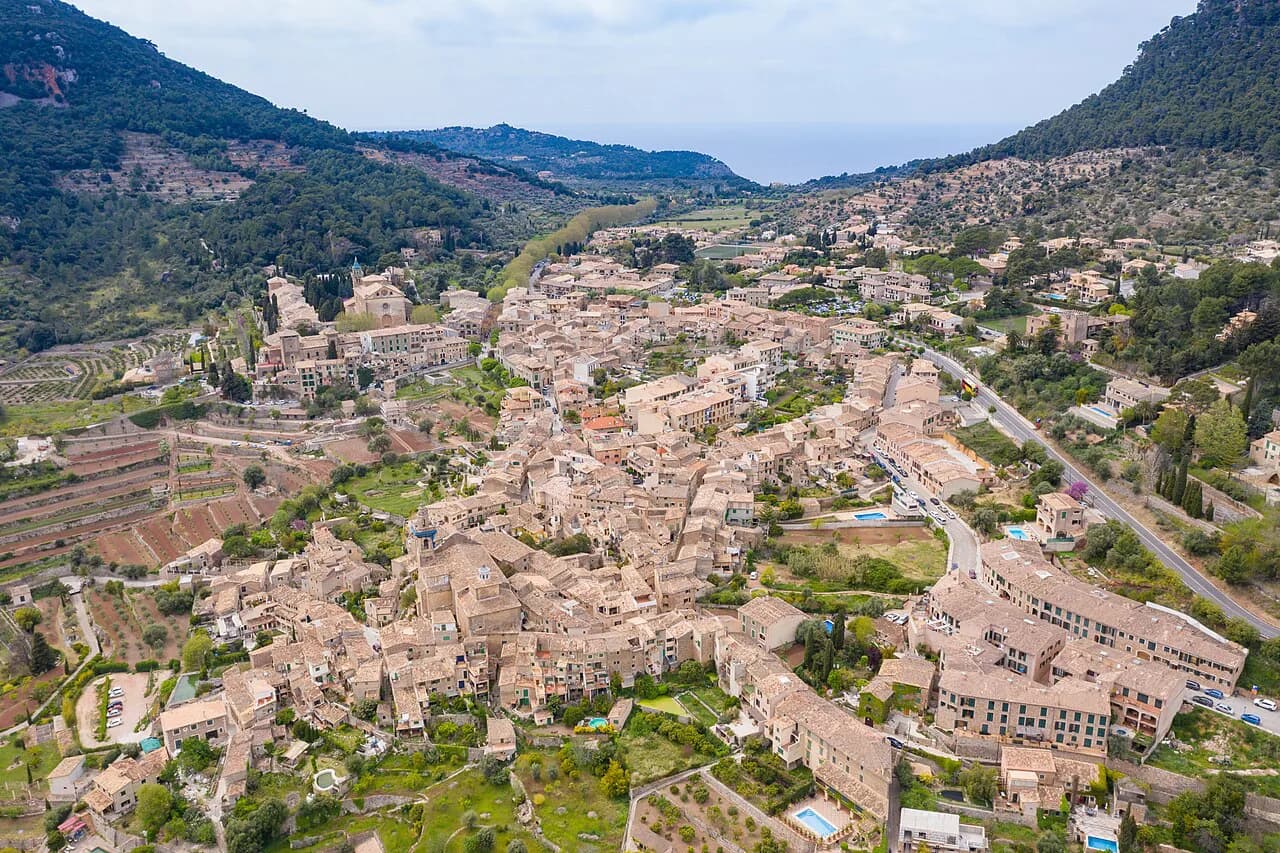
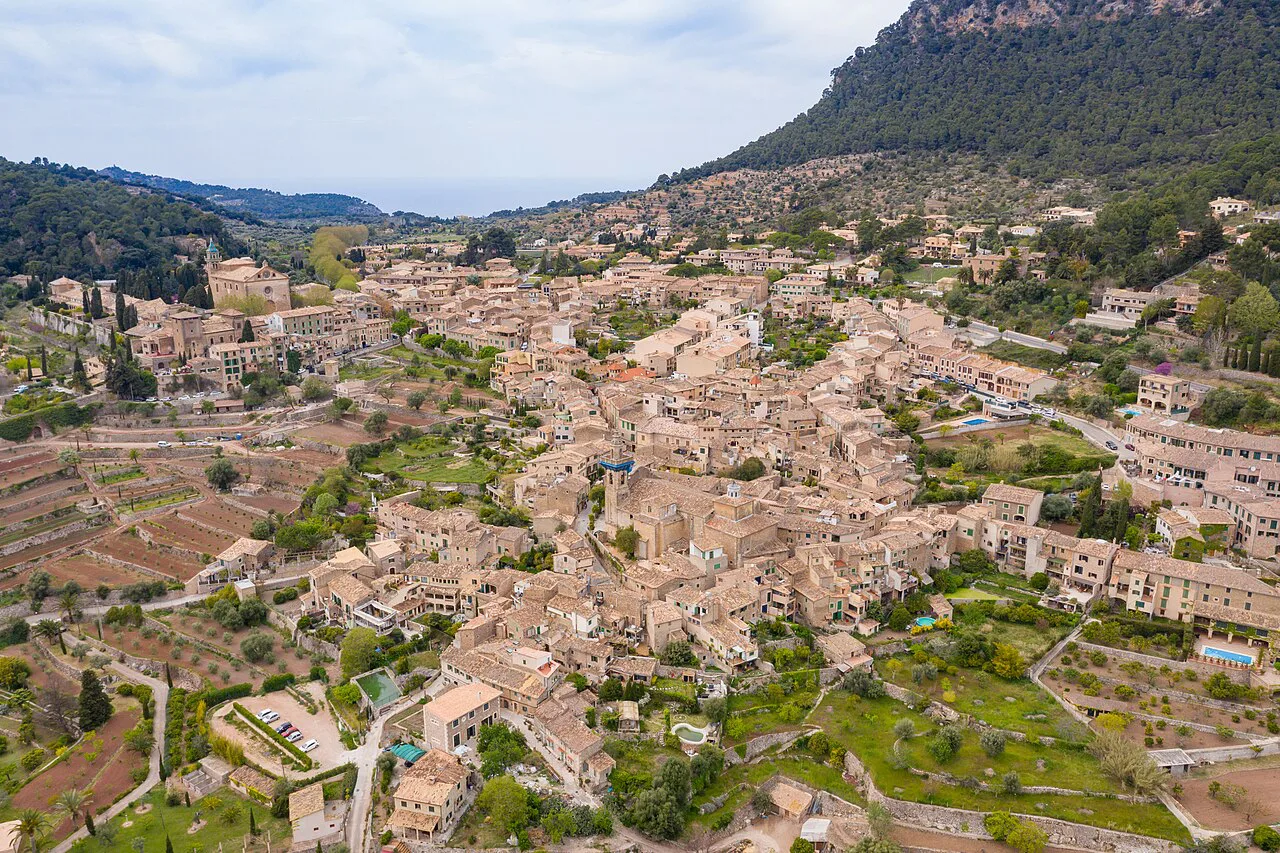
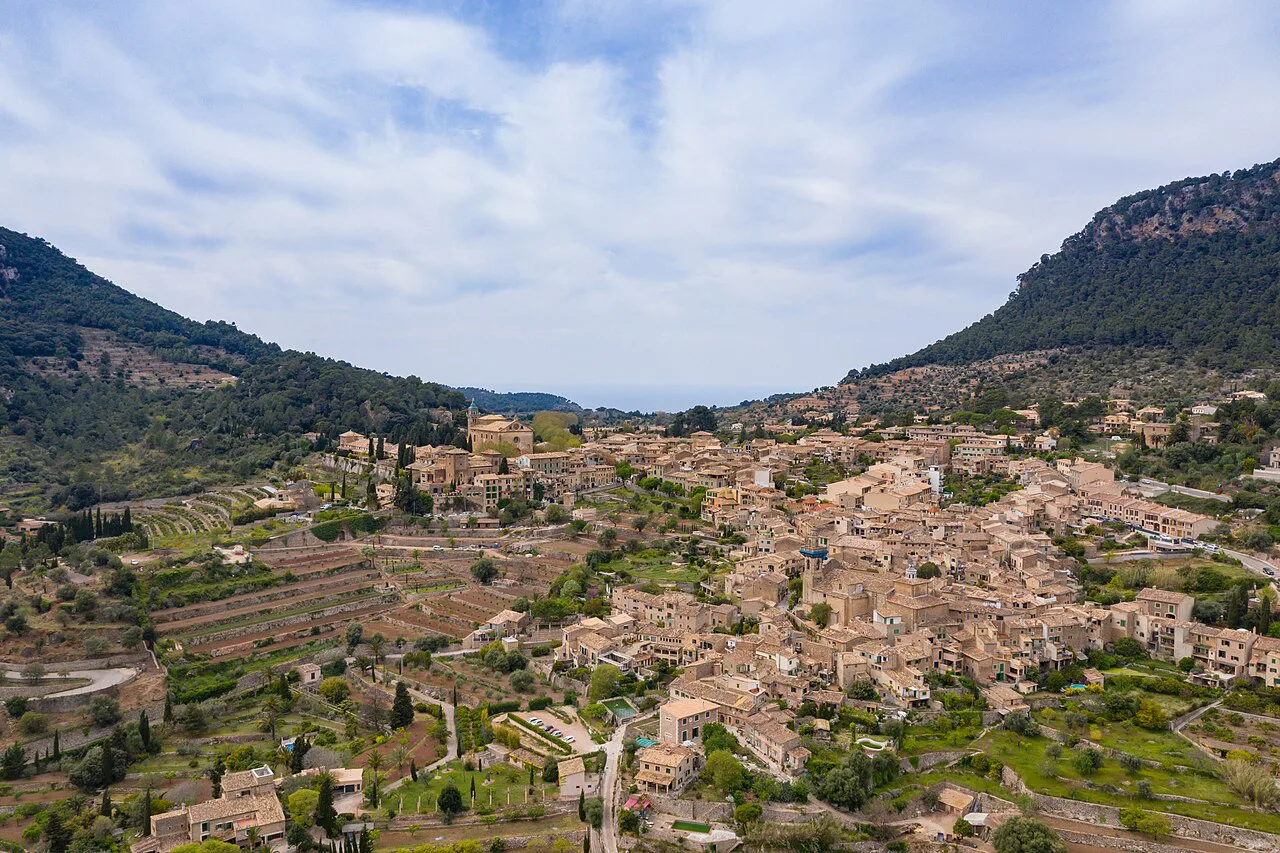
Valldemossa is the most polished of the Tramuntana villages, a tight grid of stone houses with green shutters climbing the hillside. The Real Cartuja de Valldemossa is the reason most visitors come, and the monastery complex sits at the top of the village. The village itself is small: an hour or two covers the streets once the charterhouse has taken its share.
Its position about twenty minutes by car from Palma makes it the easiest first outing, and it combines naturally with Deià on the same road. Come early, because the approach road and the village parking fill quickly once the coaches arrive. Valldemossa is also a sensible choice if you only have one full day beyond Palma.
Sóller: Sant Bartomeu, the centre and the tram to Port de Sóller
Sóller sits in a bowl of citrus groves and feels more like a working town than a museum village. The baroque Església de Sant Bartomeu faces the central square, and the grid of streets around it holds the banks, shops and cafés that make the town useful as well as handsome. The tram to Port de Sóller is an established service and the simplest way to link the town with the coast.
Sóller rewards a slower visit than Valldemossa because there is more town around the monument. Pair it with Fornalutx, a short drive up the valley, rather than trying to add Deià in the same afternoon. Parking is paid in Palma, at Port de Sóller and at Torrent de Pareis; elsewhere on the island it has mostly been free, but spaces near the popular villages are few, so plan to arrive early.
Deià and Fornalutx: the mountain villages above the northwest coast
Deià is the smallest and quietest of the well-known villages, a cluster of stone houses wedged between the mountains and the sea. There is no major monument: the appeal is the setting and the stepped lanes. Treat it as a stop of under an hour and let the drive along the coast road be the point of the day. Fornalutx is smaller still and sits above Sóller among terraced olive groves, with narrow streets and stone façades.
Both villages are best seen outside the middle of the day, when the narrow roads and village parking come under pressure. Fornalutx is close enough to Sóller to combine, while Deià works better as a pause on the route between Valldemossa and Sóller. Neither needs a ticket or a plan beyond arriving, so build them into a driving day rather than treating them as destinations in their own right.
Pollença (Pollensa): the old town and the road to Port de Pollença
Pollença, often written Pollensa, is a proper inland town at the foot of the Tramuntana, with stone buildings, a central square and a strong sense of local life. An hour or two is enough to see the main streets, and the town is a good base for the northern end of the island. A short drive brings you to Port de Pollença on the coast, which is a different place entirely.
The northern location makes Pollença a natural pairing with the viewpoints along the Formentor peninsula rather than with the southern villages. It is the sensible overnight choice for the northeast, but on a day trip from Palma it means a long drive each way. Choose it when the north and its lookouts are the priority for the day.
Alcúdia: the medieval wall and the old town
Alcúdia's medieval wall, the Muralla de Alcúdia, is the oldest fortification of its kind on Mallorca and the reason to walk into the old town rather than past it. The circuit of the walls gives you the shape of the place from above, and the streets inside are small enough to cover on foot. The town is on the northeast coast, with its own port and beach resort a short distance away.
Alcúdia belongs to an eastern day, not a Tramuntana one. The drive from Palma is long, so pair it with Artà or Capdepera rather than trying to come back through the mountains. Its walled centre is compact and the visit is short, which makes it a good half of a day rather than the whole of one.
Artà and the east: the Santuari de Sant Salvador and Coves d'Artà
Artà is a hill town in the east with a monastery above it and one of the island's large cave systems nearby. The Santuari de Sant Salvador sits at 509 metres on the Puig de Sant Salvador, with the church and the views as the reward. The Coves d'Artà lie close enough to combine with the town in a single outing.
The east rewards a car: the cave and the monastery sit outside the town centre, so build the day around the drive. Artà works well as the eastern counterpart to Alcúdia on a separate day.
Lluc and the Tramuntana monasteries
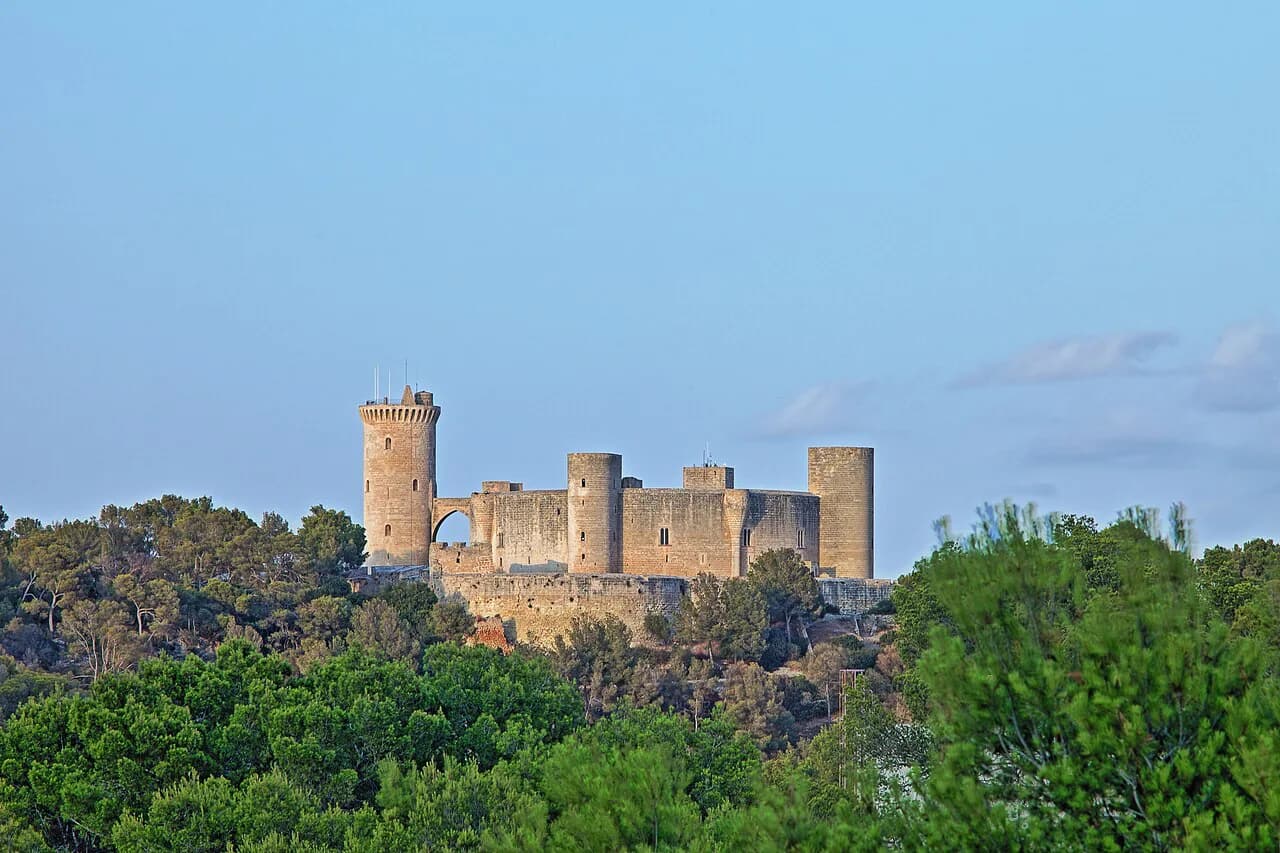
The Monestir de Lluc sits high in the Serra de Tramuntana and has long been a place of pilgrimage, with the monastery complex, its church and a restaurant serving mountain food. It is the natural stop on a northern circuit through the Tramuntana, and the road up is part of the experience. The Santuari de Cura on the Puig de Randa and the Santuari de Sant Salvador near Felanitx are the other monastery sites worth knowing.
Lluc is not a town in the way Sóller or Valldemossa is, so treat it as an anchor for a driving day rather than a place to wander for hours. Its height means cooler air, which makes it a sensible choice on a hot day. Combine it with Pollença or the Formentor lookouts rather than with the southern villages.
Viewpoints worth the detour: Mirador de ses Barques and Torre del Verger
The Mirador de ses Barques above Fornalutx has a restaurant and a view across the valley to the coast, with the Tramuntana ridge on one side and the open sea on the other. The Torre del Verger is a medieval watchtower on a rocky promontory on the northwest coast, and the Talaia d'Albercutx performs the same job on the Formentor peninsula in the north. These are stops of minutes, not destinations.
Build them into the drive rather than making a special journey. The Mirador de ses Barques fits naturally between Sóller and Fornalutx, while the northern towers belong with Pollença and Formentor. Parking at the popular ones is limited, so arrive outside the busiest middle hours.
Which towns work in a short break from Palma
With two full days beyond Palma, take Valldemossa, Deià and Sóller on one day and Alcúdia with Artà on the other. With a single day, choose the Tramuntana group, because Valldemossa and Sóller between them give you a monastery, a baroque church and a mountain drive. Add Pollença and Lluc only if you are staying in the north, and if the city itself is your base, see Things to Do in Palma for how to use it.
The trade-off is depth against coverage. Two Tramuntana villages seen properly beat four seen through a car window, and the eastern monuments need their own day because of the distance. If you would rather not drive, base yourself in Palma and pick one inland town per day, using the island's bus network for the rest.
Practical points: parking, siesta hours and summer heat
Parking is the recurring constraint in the Tramuntana villages, and it is paid in Palma, Port de Sóller and at Torrent de Pareis. Outside those, most parking on the island is free, but the spaces near the popular villages are few. Arrive early in Valldemossa and Deià, and expect to walk a few minutes from where you leave the car.
Inland towns slow down in the early afternoon, when churches and small shops close and reopen later. In summer, weeks of 30 to 35 degrees make midday walking in Artà or Alcúdia uncomfortable. Plan monuments for the morning, keep the middle of the day for a drive or a long lunch, and leave the villages for late afternoon.
Which town should you book the car for?
Choose the Tramuntana group if this is your first visit beyond Palma: Valldemossa in the morning, Deià at midday and Sóller in the afternoon make a coherent day with one monument at its centre. Choose Alcúdia and Artà if you have already seen the mountains or want the wall and the caves instead. Pollença and Lluc suit anyone staying in the north.
The deciding factor is distance, not beauty. The northwest villages cluster within a short drive of one another, while the eastern sites need their own day. Decide which side of the island you are committing to before you leave Palma, and the rest of the plan follows. The Palma attractions guide hub covers the city's sights if you want to start there.
Explore more Palma guides
Sources
Notes for your next Spanish town break
Optional updates to our guides.
You might also like
Continue reading
More guides you'll find useful