Museums in Palma: Which Ones Are Worth Your Time
A candid pick of Palma's museums, from Es Baluard to the Almudaina and Miró's studio, with what each holds and how long to allow.
On this page
Palma's museums are best chosen by what they hold rather than by size: contemporary art at Es Baluard, the royal rooms of the Almudaina beside the cathedral, the island's oldest museum at the Museu d'Art Sacre, and Miró's own studios on the western edge of the city. This guide sets out each one, how long it takes and how it fits around the cathedral and the plazas, and sits within our wider things to do in Palma coverage.
Most of the central collections sit within a compact circuit of the old town, so you can pair two with a morning at the cathedral and still have the afternoon free. The Miró foundation is the exception and needs a deliberate trip out of the centre.
What Palma's museums cover
The city's collections fall into four groups: modern and contemporary art, the furnished rooms of a royal palace, diocesan religious art and the archaeology and art of Mallorca itself. That spread means you can build a short break around one thread, such as Moorish and Gothic architecture, without repeating yourself.
Es Baluard is described as one of the largest and best-known museums on the island, dedicated to modern and contemporary art with local and international artists among more than 780 works. The Fundació Pilar i Joan Miró holds over 7,000 works, including the artist's original studios and a sculpture garden with a café.
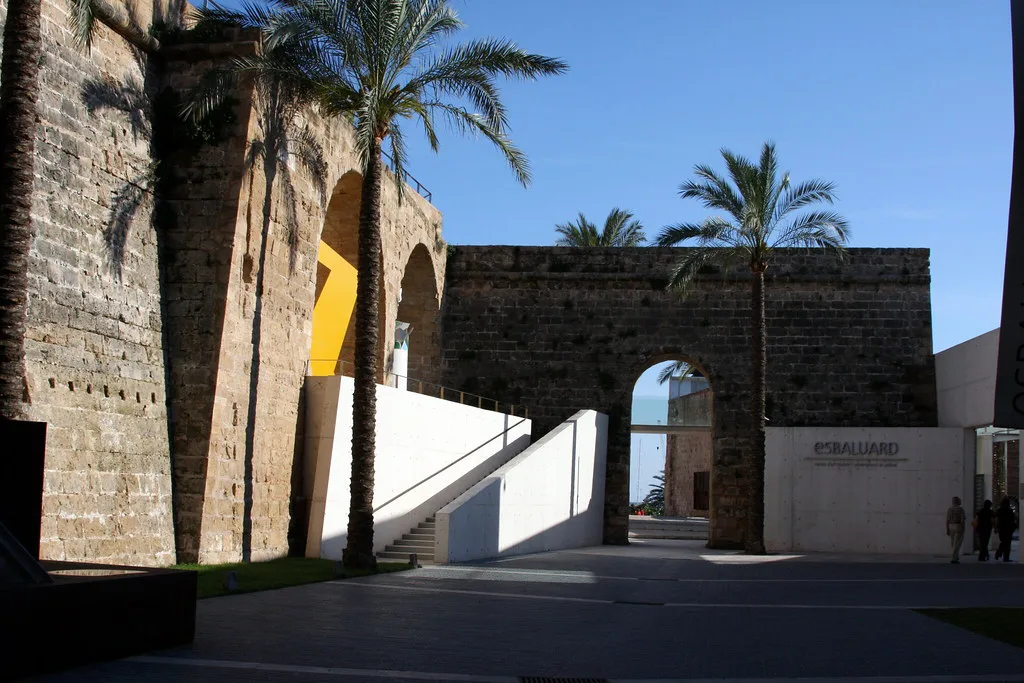
Es Baluard: contemporary art in the city centre
Es Baluard is the obvious first stop for anyone interested in modern art, and its central position makes it easy to combine with the waterfront and the old town. Allow around two hours if you want to see the collection properly rather than skim the main galleries.
Because it sits in the centre rather than on the edge of town, it works well as a midday stop when the sun is at its strongest, and you can walk on to the cathedral afterwards. Opening times and ticket prices change by season, so confirm them on the museum's own site for the day you plan to visit.
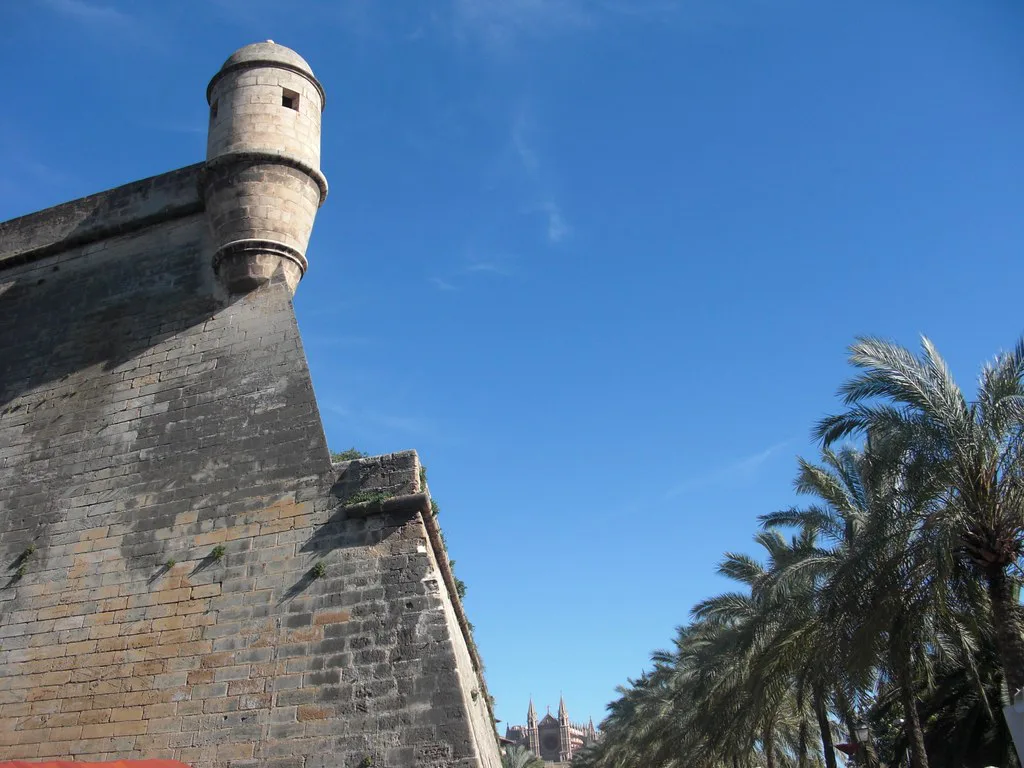
Palau Reial de l'Almudaina: the Gothic and Islamic rooms near the cathedral
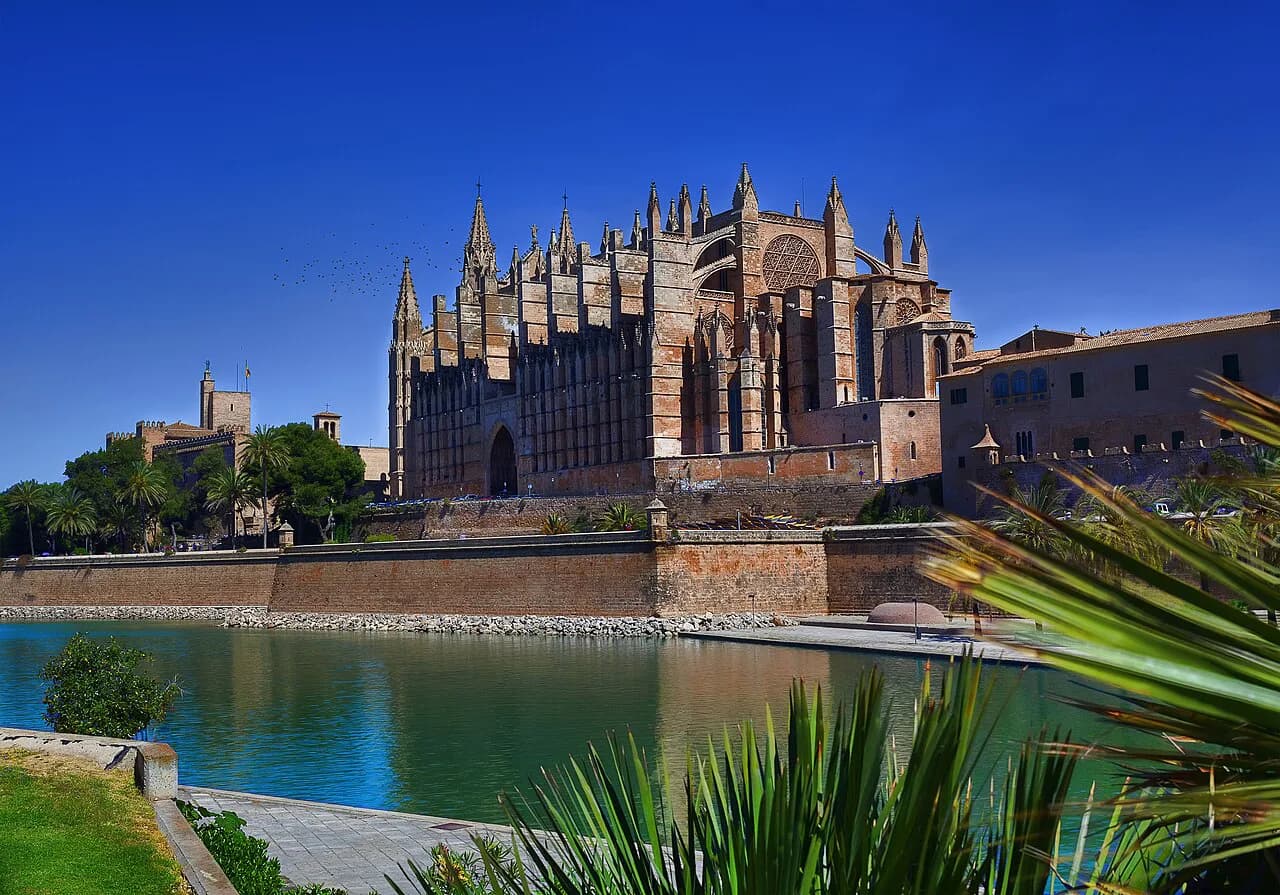
The Almudaina is a 14th-century building and the official residence of the Spanish kings in Mallorca, a short walk from the cathedral. Only some of its rooms are open to the public, and the visit combines Islamic and Gothic architectural detail with tapestries, paintings and period furniture.
An hour is enough for the state rooms, which makes it the simplest museum to add to a cathedral visit. As a working royal residence it can close areas for official use, so check the published hours on the day you intend to go.
Fundació Pilar i Joan Miró: the artist's studios and sculpture garden
The Miró foundation is the one major collection that requires leaving the old town, and it repays the journey with something no central gallery can offer: the artist's own studios, kept as he left them. The sculpture garden and its café make it a natural half-day rather than a quick stop.
Allow at least two hours on site, plus travel time each way, and treat it as the anchor of a morning or afternoon rather than something to squeeze between two old-town stops. If you are building a fixed plan, place it early in your break so a change of plan elsewhere does not push it out.
Museu d'Art Sacre: the island's oldest museum
The Museu d'Art Sacre opened in February 1915 and is described as the oldest museum on the island, a diocesan collection begun in the nineteenth century and built up by successive bishops. Its holdings are religious objects, vestments and art, making it a natural companion to a visit to the cathedral next door.
It is a small, focused museum rather than a long visit, so pair it with the cathedral next door and the surrounding streets of the old town. Churches and church museums on the island often close for part of the middle of the day and for services, so plan this stop for the morning.
Museu de Mallorca on Carrer de la Portella
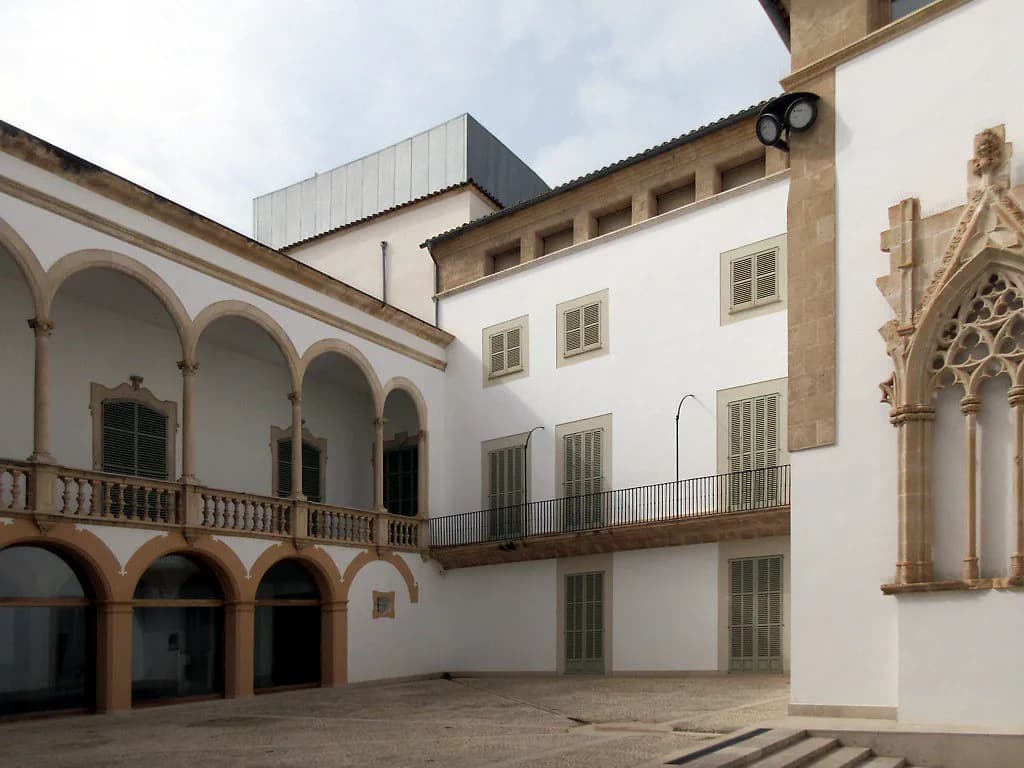
The Museu de Mallorca was created in 1961 and is publicly owned, co-managed by the Govern de les Illes Balears and the Consell de Mallorca. It shows art and heritage from Mallorca between the 13th and 20th centuries from a base on Carrer de la Portella in the old town.
The museum also runs an ethnological seat in Muro and a section in Alcúdia, the Museu Monogràfic de Pollentia, which is useful if your trip continues north. The building is a flexible space that hosts cultural activities through the year, so a temporary exhibition may change what you see.
Allow an hour to ninety minutes for the permanent collection. It is a good choice when you want the island's story in one place before touring the towns and villages around Palma.
Palau March and Can Balaguer: smaller stops to slot between the big names
Beyond the headline collections, Palma has a set of smaller museums that work as fillers between the cathedral and the main plazas. Palau March and Can Balaguer are both central enough to fit into a spare hour without breaking the shape of your day.
A list of ten Palma museums includes the Palau March, the March foundation, CaixaForum, Can Balaguer and the Museu Kreković alongside the better-known names. Use these as wet-weather options or as a break between walking the old-town streets.
Pairing museums with the cathedral and old-town plazas
A sensible short-break shape is one big collection in the morning, the cathedral and its immediate streets around midday, and a smaller museum in the afternoon. The Almudaina and the Museu d'Art Sacre sit close enough to the cathedral that you can do all three in a day without rushing.
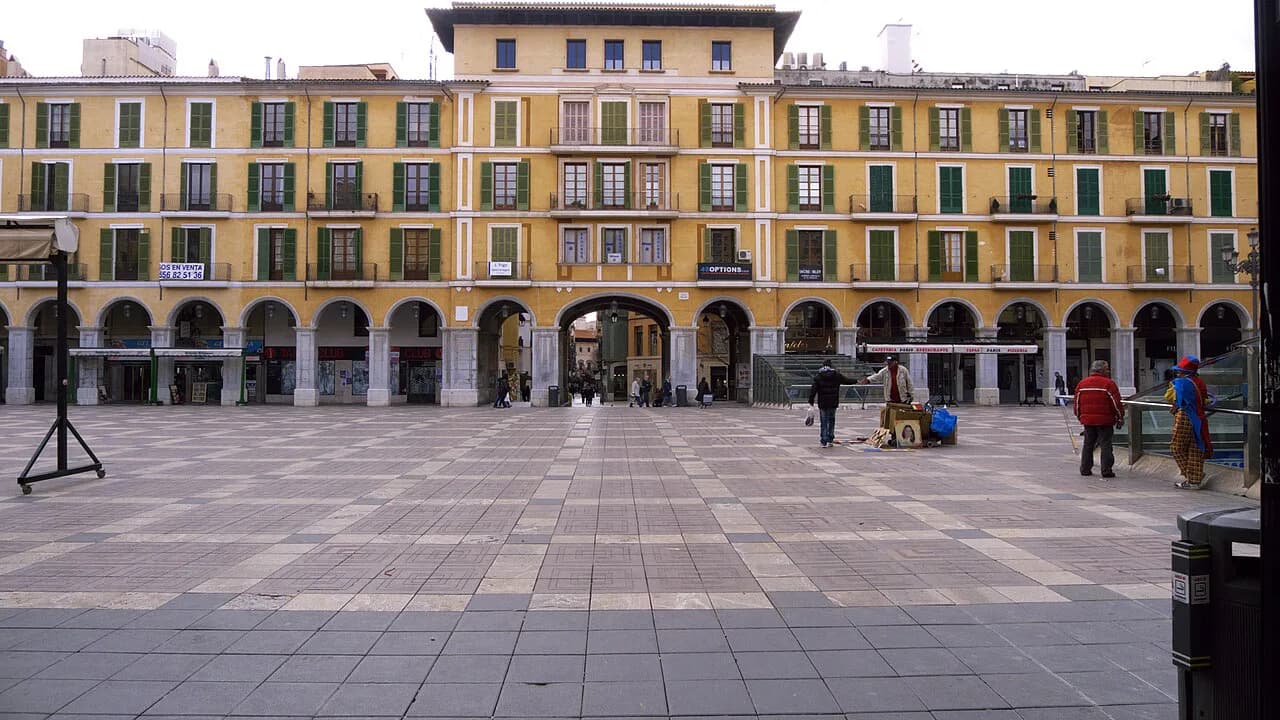
Leave the Miró foundation for a separate half-day, and use the smaller central museums on the day you stay in the old town. If you prefer to shop or wander between stops, the Plaça Major and nearby streets fill the gaps between visits.
Practical points: closures, heat and buying tickets
Museum closing days vary across the island, with one weekday off common and shorter hours outside high season. Use each museum's own calendar rather than a third-party list, and buy at the door or on the official site once you have confirmed the day.
Summer heat makes indoor collections a sensible way to break up a day of walking. Museums also fill up when it rains, so an early start gives you a quieter visit and leaves the afternoon free.
Prices vary by museum and by whether you want a combined ticket, and tariffs are not set out here. Check the museum's own ticket page for the price and any free-entry slot before you commit your day to it.
Which museum should you book first?
Start with Es Baluard if you want contemporary art in the centre, or the Almudaina if royal rooms and Islamic and Gothic detail appeal more. Save the Miró foundation for the half-day you are willing to travel out of the old town.
Once those are fixed, fill the rest of the break with the Museu d'Art Sacre and the Museu de Mallorca, both small enough to sit beside a cathedral visit. Confirm times and tickets on each museum's own site before you set out.
Explore more Palma guides
Sources
Notes for your next Spanish town break
Optional updates to our guides.
You might also like
Continue reading
More guides you'll find useful