Santa Catalina, Palma: Market, Streets and What to See
A practical walk through Santa Catalina in Palma: the Mercat de Santa Catalina's fish, produce and deli counters, opening days, and the streets around the hall.
On this page
Santa Catalina is worth an hour or two of any Palma short break, and the Mercat de Santa Catalina is the reason to come. The quarter sits between the Passeig Marítim and the Es Baluard contemporary art museum, and its market hall is part produce market, part place to eat. This guide covers the stalls and what each type sells, the streets around the hall, and how the neighbourhood slots into a walk from the old town.
Treat the market as the anchor and the quarter as the second half rather than ticking off Palma highlights in one go. Start with the fish and produce aisles, then cross the square into the surrounding streets, which the market's own neighbourhood write-up describes as bohemian and multicultural, with small shops behind colourful façades.
Where Santa Catalina sits in Palma
The neighbourhood lies between the Passeig Marítim waterfront and the Es Baluard contemporary art museum, which occupies part of the old city wall. That position makes it a natural first or last stop on a walk between the cathedral quarter and the sea. The streets are compact enough that you cross the whole area in a few minutes rather than planning transport between sights.
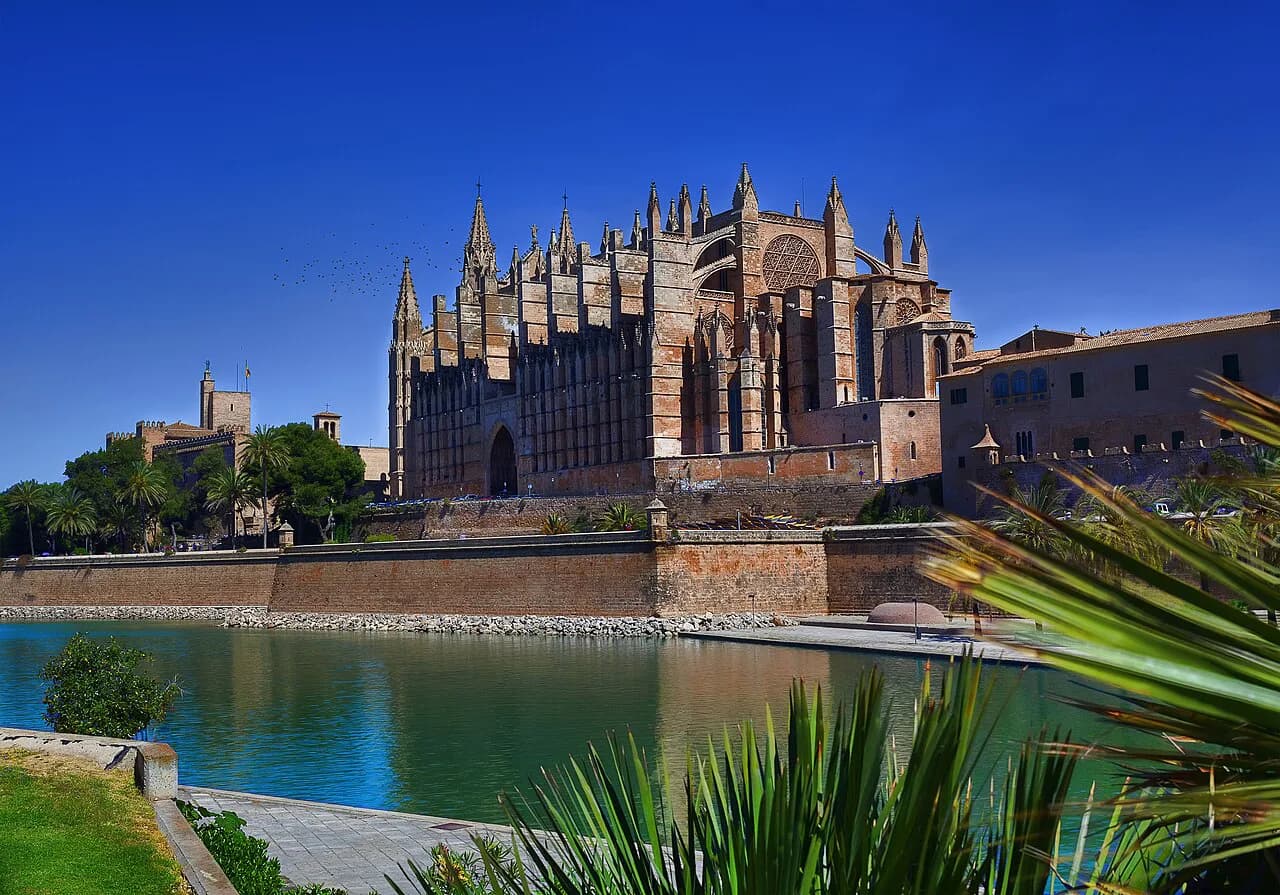
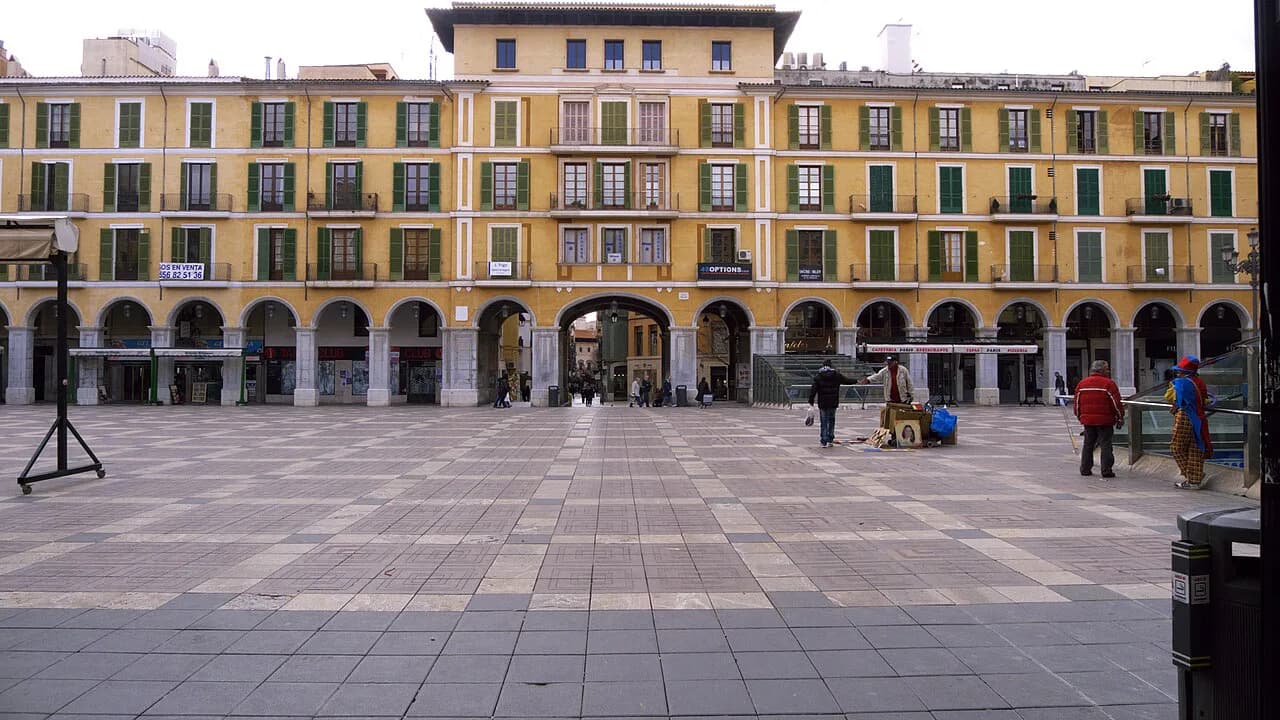
Walking in from the old town brings you down through the lanes past the Palau de l'Almudaina and the Sa Llotja exchange building, and the market square, Plaça de la Llotja, follows shortly after. If you prefer a mapped route rather than following the crowds, sketch one before you set out.
The Mercat de Santa Catalina
The Mercat de Santa Catalina is the oldest market in the city, and it has shifted over the years from a pure food hall towards a hybrid of traditional stalls and places to eat on the spot. Traditional fruit and fish counters share the floor with corners serving tapas and local wine. Expect a working market rather than a museum piece: the bread, spice and shellfish smells hit you as you go in.
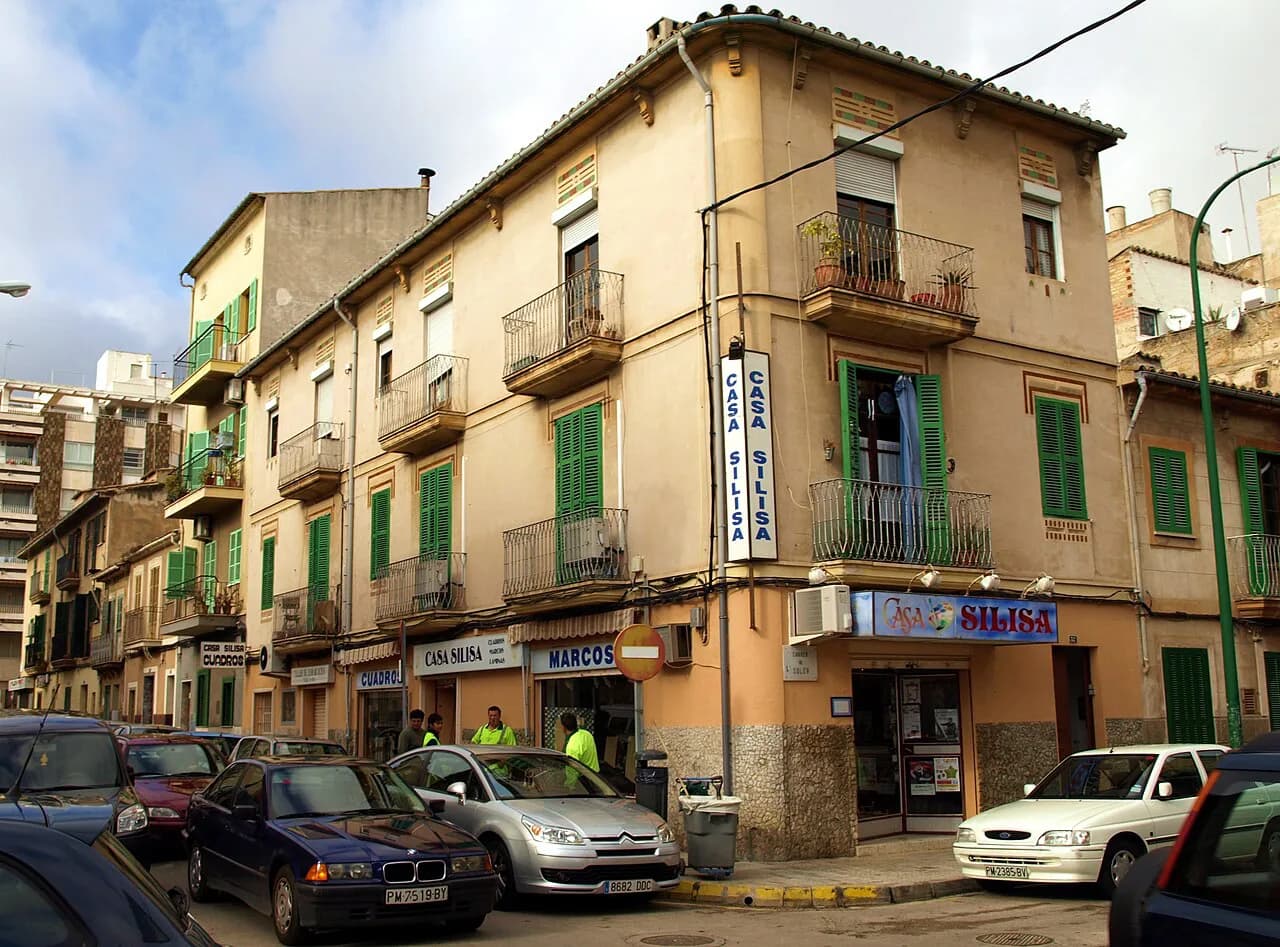
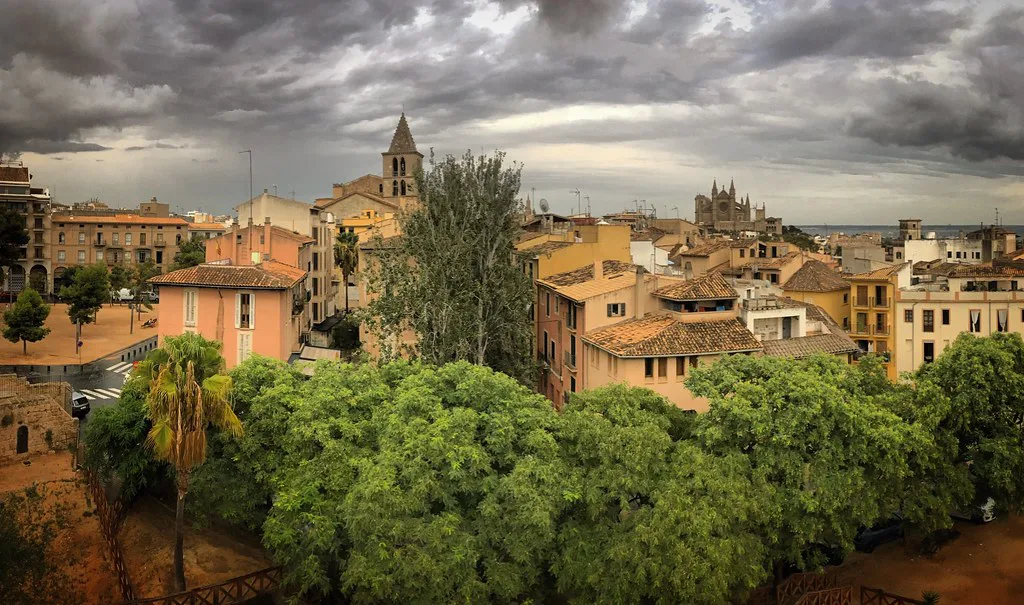
For orientation, the old fishermen's quarter around it keeps the coloured façades, wooden Mallorcan shutters and decorative details of its traditional houses, which is why the streets feel distinct from the stone lanes of the centre. The market hall is the practical core; the streets are the reason to linger after you have shopped.
What each aisle sells
Head first for fruit and vegetables, meat, and the fish counters, which carry the Mediterranean catch: sea bass, sea bream, red prawns and squid. This is where Palma residents shop for the kitchen at home, so the produce is local and seasonal rather than aimed at visitors. If you are self-catering, this aisle alone justifies the walk.
The deli side covers Mallorcan and international cheeses, cured meats and bread, with sobrasada and freshly baked loaves among the staples. Several stalls offer tastings before you commit, which is the sensible way to choose a cheese or a cured sausage you have not met before. Ask what is local before pointing at the first thing under glass.
Many counters double as places to eat rather than only shops, so you can order a plate of jamón ibérico, a tapa of octopus or a glass of wine without leaving the hall. That makes the market a flexible stop: a quick purchase, a standing snack or a longer sit, depending on the time you have.
What to carry home
Mallorcan olive oil, wines from Binissalem, herb liqueur, pimentón, flor de sal and saffron are all sold here, along with sobrasada, cured cheeses and vacuum-packed conserves that travel well. For a food-focused list of what to buy in Palma beyond the market, see our shopping in Palma picks, which cover the centre's shops alongside the food halls.
Ensaimadas are the pastry to take away, and the market is a sensible place to buy one for the journey home rather than a last-minute airport purchase. Vacuum-packed and tinned goods survive a flight in hand luggage better than fresh fish, so plan the perishables for the day you eat them.
When to go: days, hours and the Saturday crowd
The market opens Monday to Saturday, generally from 07:00 to 17:00, and some stalls close before the hall does. Early morning brings the freshest produce and the thinnest crowds, while Saturday mornings are the busiest, with local shoppers stocking up for the weekend. Plan a weekday morning if you want to browse the counters without queueing.
That mismatch between hall hours and stall hours is the main practical trap: arriving at four in the afternoon leaves you with the eating corners but a thin choice of produce. Build the market into the morning half of your Palma itinerary and leave the afternoon for the museums and the waterfront.
Paying and shopping at the stalls
Carry cash even though most stalls accept cards, because some of the smaller counters prefer it. Taste before buying where a stall allows it, and buy perishables last so they are not sitting in a bag while you walk the rest of the quarter. Neither the produce nor the eating counters are the point of a rushed ten-minute dash.
The streets around the market
Beyond the hall, Santa Catalina rewards a slow loop of the surrounding streets, where the traditional architecture has survived behind the shopfronts. The area has a reputation as one of the city's livelier quarters, which shows in its small shops and the general bustle rather than in any single monument. Give the neighbourhood half an hour on foot after the market.
For the wider context of how this quarter fits into the city's growth, from the Islamic Medina Mayurca through the medieval trading years, our Palma history pages explain what you are walking through. A guided Palma walking tour is the alternative if you want the street plan explained as you go rather than read up beforehand.
Linking Santa Catalina to the rest of Palma
The natural circuit runs from the cathedral and the old town down to the waterfront, through Santa Catalina, and on to Es Baluard at the far edge of the quarter. The museum terrace gives you a view back over the marina and the city walls, a good end point before you turn inland again. Check opening days for the museum before you build the walk around it.
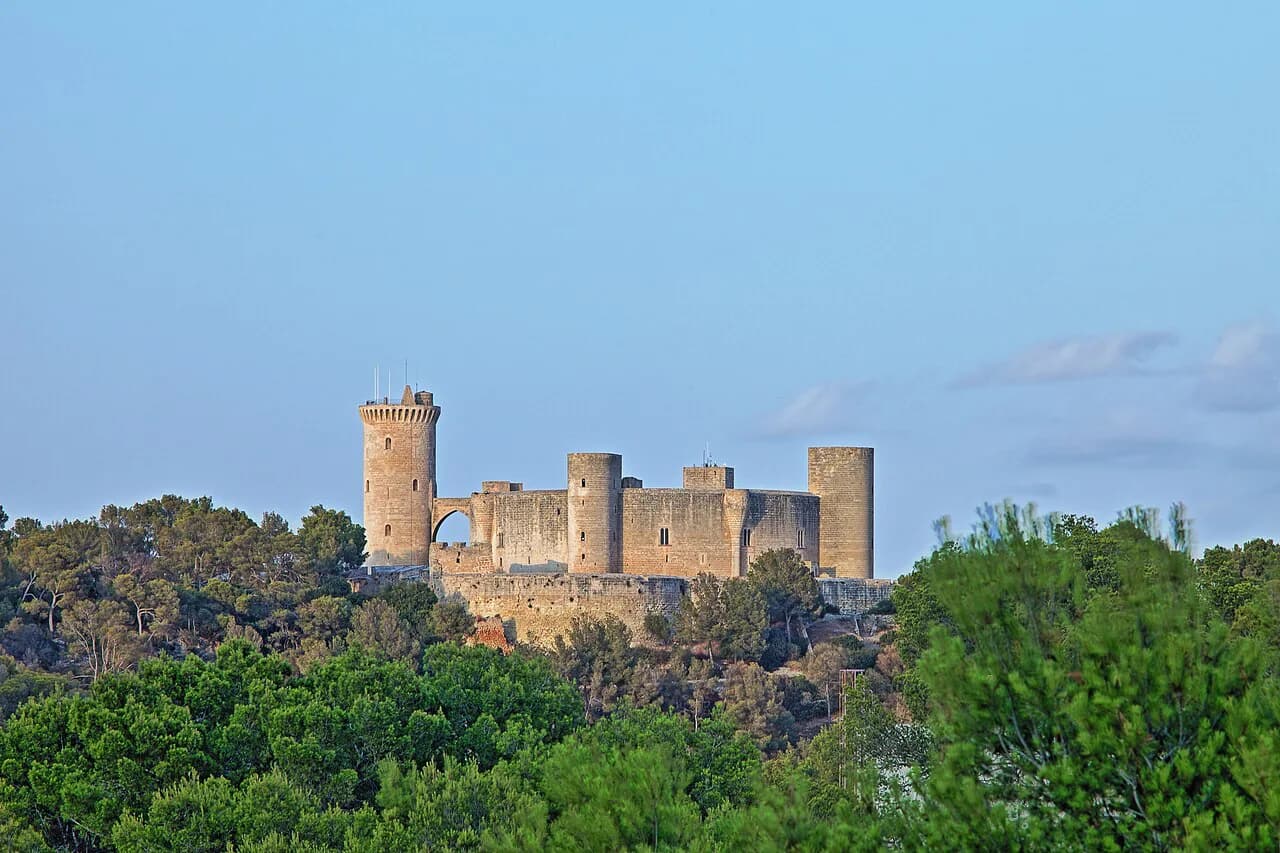
From the Passeig Marítim you can also pick up a boat trip along the bay if the weather holds, which pairs well with a morning at the market. For the fuller set of Palma sights, from La Seu to Bellver Castle, work from our things to do in Palma guide and slot Santa Catalina in as the food stop.
Practical trade-offs
Two things shape a visit. The first is timing: some stalls close before the hall does, so a late arrival means fewer produce counters and more eating corners. The second is the midday heat in summer, when the walk from the old town is exposed and the market's shade becomes a genuine relief rather than a detail.
If the market is your main reason for the detour, come early on a weekday. If it is a pause on a longer walk, Saturday works as long as you accept the crush and the queues at the popular counters.
Should Santa Catalina make the shortlist?
Yes, if you want one neighbourhood in Palma that combines a working market, a distinctive street plan and an easy link to the waterfront and Es Baluard. Come on a weekday morning for the produce, carry some cash and leave room in your bag for sobrasada, olive oil or an ensaimada.
Skip it only if your time in Palma is very tight and the cathedral quarter is your sole priority. Otherwise, build it into a walk between the old town and the sea, and save the rest of the island for another trip.
Explore more Palma guides
Frequently Asked Questions
Is Santa Catalina in Palma worth visiting?
Yes, if you want a compact quarter with a genuine food market at its centre. The Mercat de Santa Catalina sells fresh produce and fish alongside Mallorcan deli goods, and the surrounding streets keep their traditional façades and shutters. It is an easy add-on to a walk between the old town and the waterfront.
What day is best for the market?
A weekday morning gives you the freshest produce and the fewest people. The market trades Monday to Saturday, generally from 07:00 to 17:00, and Saturday mornings are the busiest, so expect queues at the popular counters.
Sources
Notes for your next Spanish town break
Optional updates to our guides.
You might also like
Continue reading
More guides you'll find useful