
The Citadel of Pamplona (Ciudadela): What to See and How Long to Allow

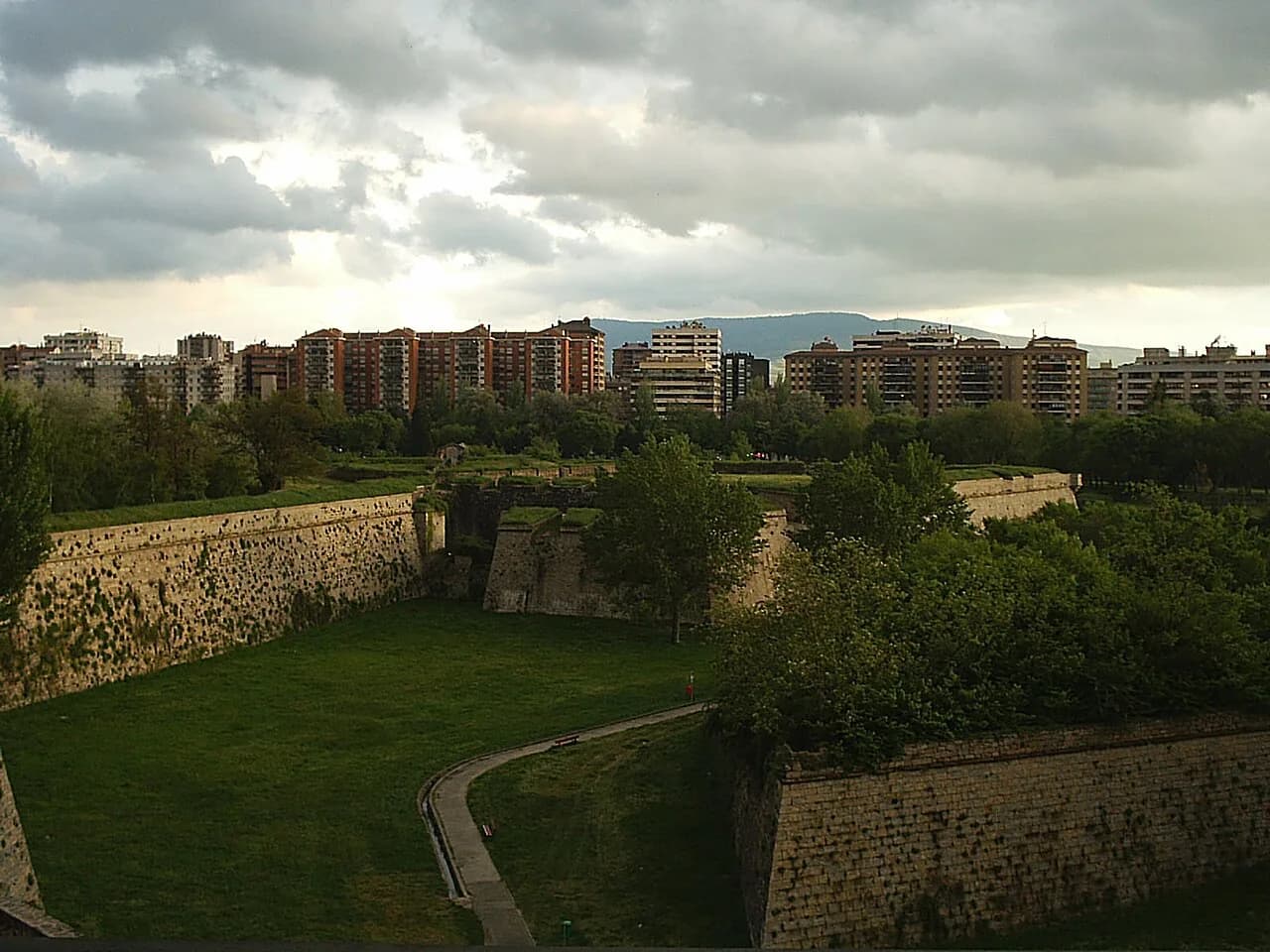
The Citadel of Pamplona is worth an hour of your day if you want a green space with real fortifications around it, and longer if you plan to look at the art. The Ciudadela is a walled enclosure that functions both as a park open to the city and as an exhibition venue, and this guide covers what is inside, how to reach it and how to pace a visit around the old town.
It is not a monument you queue for and file through; it is a place you walk into, cross and linger in. That makes it a good counterweight to the dense streets of the centre and a natural first or last stop of a half-day in Pamplona.
What the Citadel of Pamplona is
The Ciudadela is a fortified precinct that has served for decades as a reference space for artistic exhibitions and as a green zone open to the public for leisure. The city describes it as a home for the visual, sculptural and audiovisual arts as well as for music, theatre, dance and sporting or recreational activities.
That double identity is the thing to grasp before you go. If you arrive expecting a single museum, the lawns and bastions will feel like padding; if you arrive expecting a park, the exhibition buildings will come as a bonus. Plan for both and the site makes sense.

Where it sits and how to get there
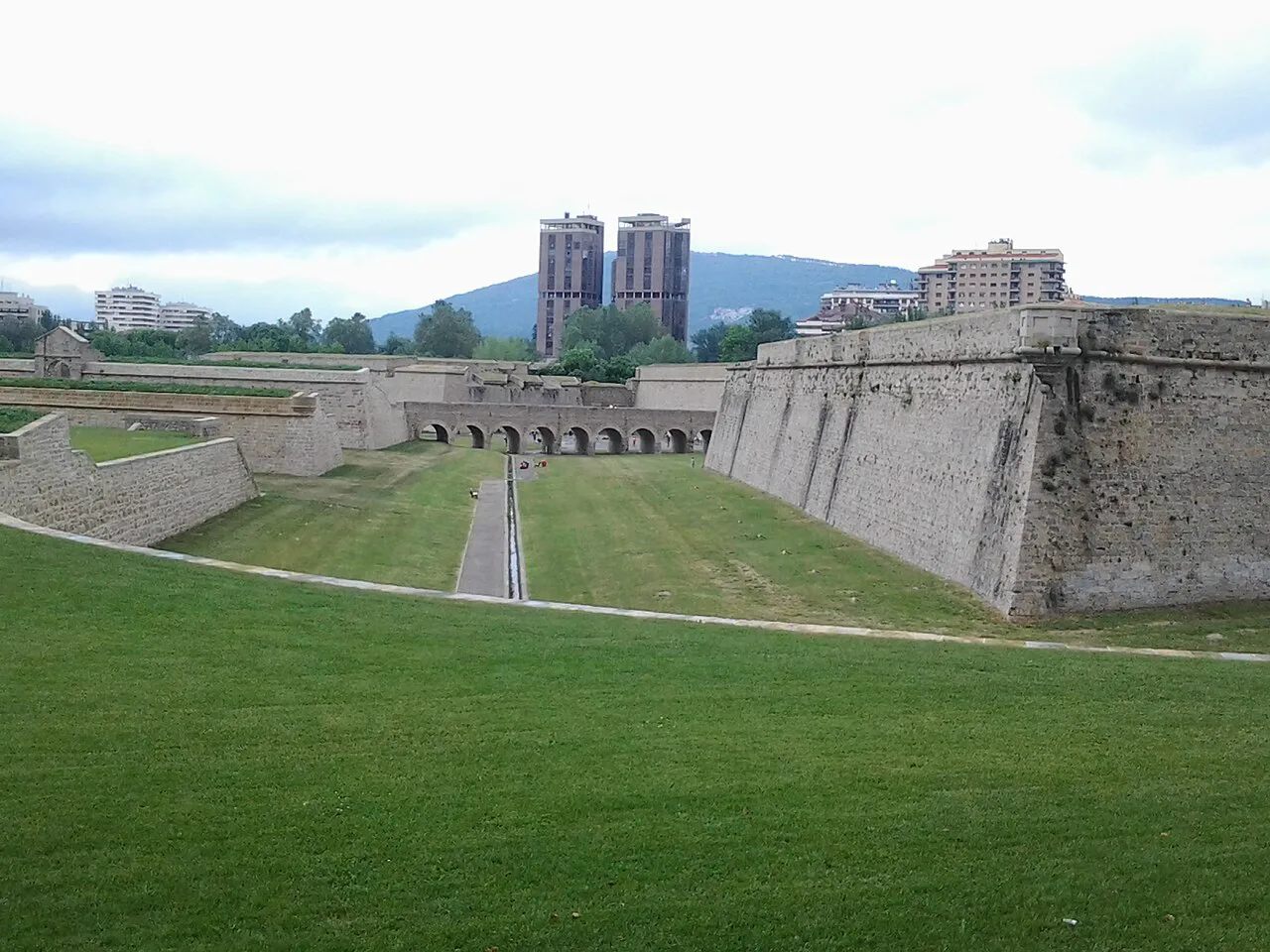
The Ciudadela sits in Pamplona, in Navarra, at the western edge of the built-up centre. The official city pages describe it as a green zone open to the city and an exhibition venue rather than a ticketed museum route, and they publish no gate plan or entrance list for it, so treat the enclosure as a landmark to walk towards from the centre rather than an address to navigate to.
On foot from the old town and the Plaza del Castillo, head west and keep the bulk of the fortifications in view. The city publishes a street directory and directions of interest on its website if you want to fix the route before setting out; use those for navigation and expect to approach the walls from the surrounding avenues.
Coming from further out, the old town and the Ciudadela sit on the same side of the city, so pairing them costs you no extra transport. Arriving by train or bus, allow for the walk into the centre first and treat the Citadel as the far end of that stroll rather than a separate excursion.

The four historic buildings inside
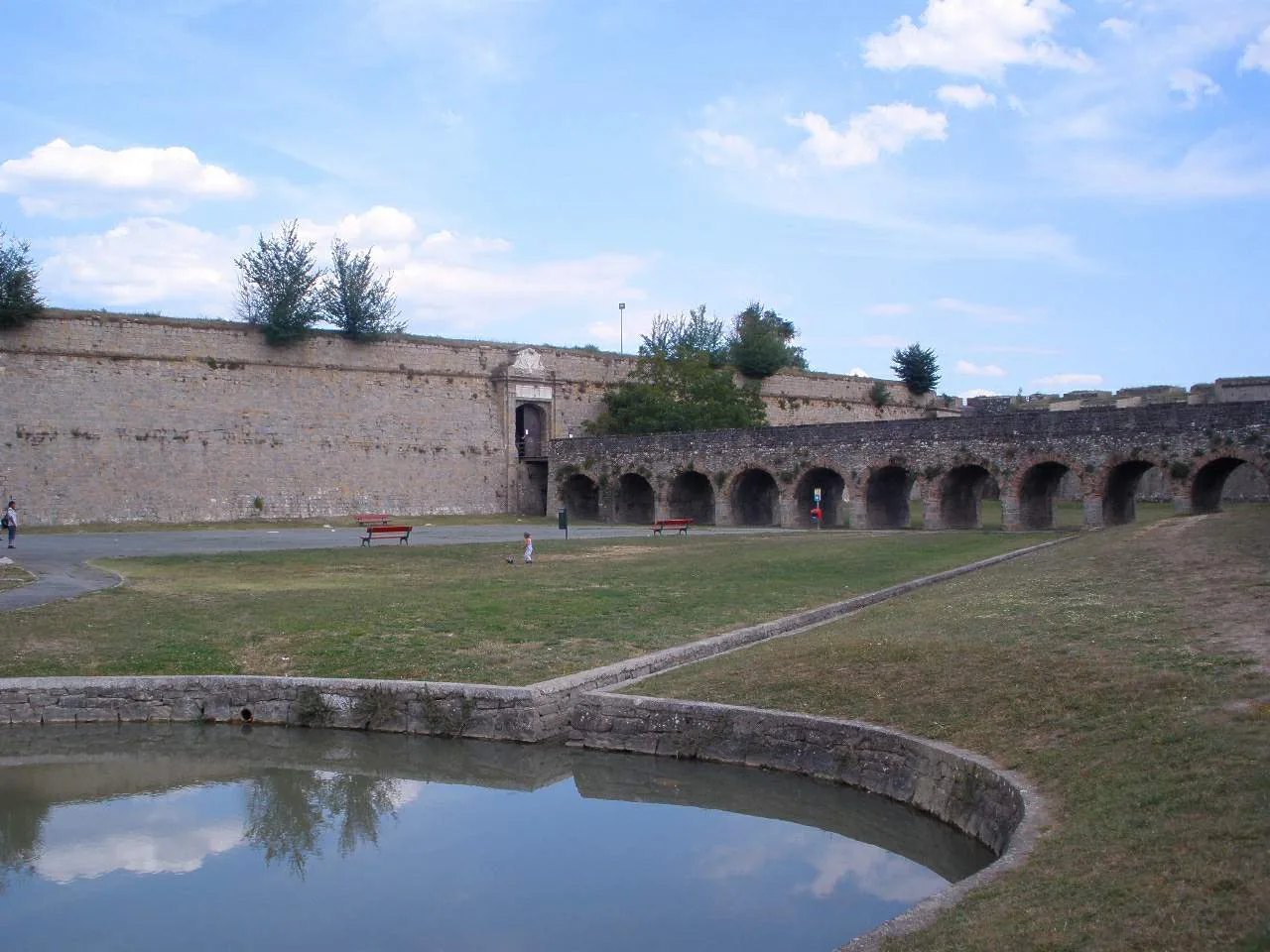
Inside the enclosure stand four historic buildings, and it is these that carry the exhibition programme rather than a purpose-built gallery. Works by local, national and international artists are shown there, alongside temporary exhibitions drawn from the city's contemporary art collection.
Because the display space is spread across several buildings, a visit is a series of short stops rather than one long gallery walk. That suits anyone travelling with limited patience for museums: you can look at one or two rooms, step out onto the grass, and return.
Contemporary art and temporary exhibitions
The Colección Municipal de Arte Contemporáneo is the anchor of the visual art on show, supplemented by temporary exhibitions that change through the year. Treat the current programme as the reason to go inside rather than the permanent hang alone, and check what is on before crossing town for a specific show.
The city publishes its cultural programme and venue information centrally, which is the place to confirm which buildings are open and what is showing on your dates.
Events in the grounds
The Ciudadela hosts festivals and events built around music, theatre and dance, and the standout in the city's own description is the Festival de las Murallas, held during August. If your dates coincide, the grounds become a venue rather than a quiet park, which changes the character of a visit.
Outside the summer programme, expect the site to behave as a park with exhibitions. The city's events calendar is the reliable place to see what is scheduled during your stay and whether any part of the enclosure is given over to a performance.
How long to allow, and when to walk the walls
Give the Citadel a focused hour if your interest is the fortifications and the green space, and two hours or more if you intend to work through the exhibition buildings. The site rewards a slow circuit of the walls followed by a look inside, rather than the reverse.
Morning and late afternoon are the comfortable slots for the open ground, since the walls and lawns offer little shade at the height of the day. The interior buildings give you somewhere to step out of the sun between walks, which is the main reason to interleave the two rather than doing all the walking first.
What to pair it with nearby
The obvious pairing is the old town, entered from the Plaza del Castillo and its surrounding streets. From the Citadel you can walk back east into the historic centre for the cathedral and the churches, which makes a natural half-day of fortifications first and dense old streets second.
If your taste runs to museums rather than churches, the Museo de Navarra is the other natural companion for the same half-day, and it pairs well with a circuit of the Ciudadela before you head back into the centre.
For a fuller picture of how the city's defences fit together, the surviving murallas de Pamplona read well after a circuit of the Citadel, since one explains the other. Budget the Citadel first and the town walls second, while your legs are fresh.
Is the Citadel worth an hour of your break?
Yes, if you want a walk with substance rather than a circuit of museums. The Ciudadela gives you fortifications, open ground and four historic buildings holding art, all in one stop on the western edge of the centre, and it slots neatly before or after the old town.
Skip it only if your time in the city is down to a couple of hours and the cathedral and Plaza del Castillo are your priorities. Otherwise, walk over from the Plaza del Castillo, circle the walls, look at whatever is hanging in the buildings, and head back into the centre. For the practical details, see the Pamplona cathedral.