
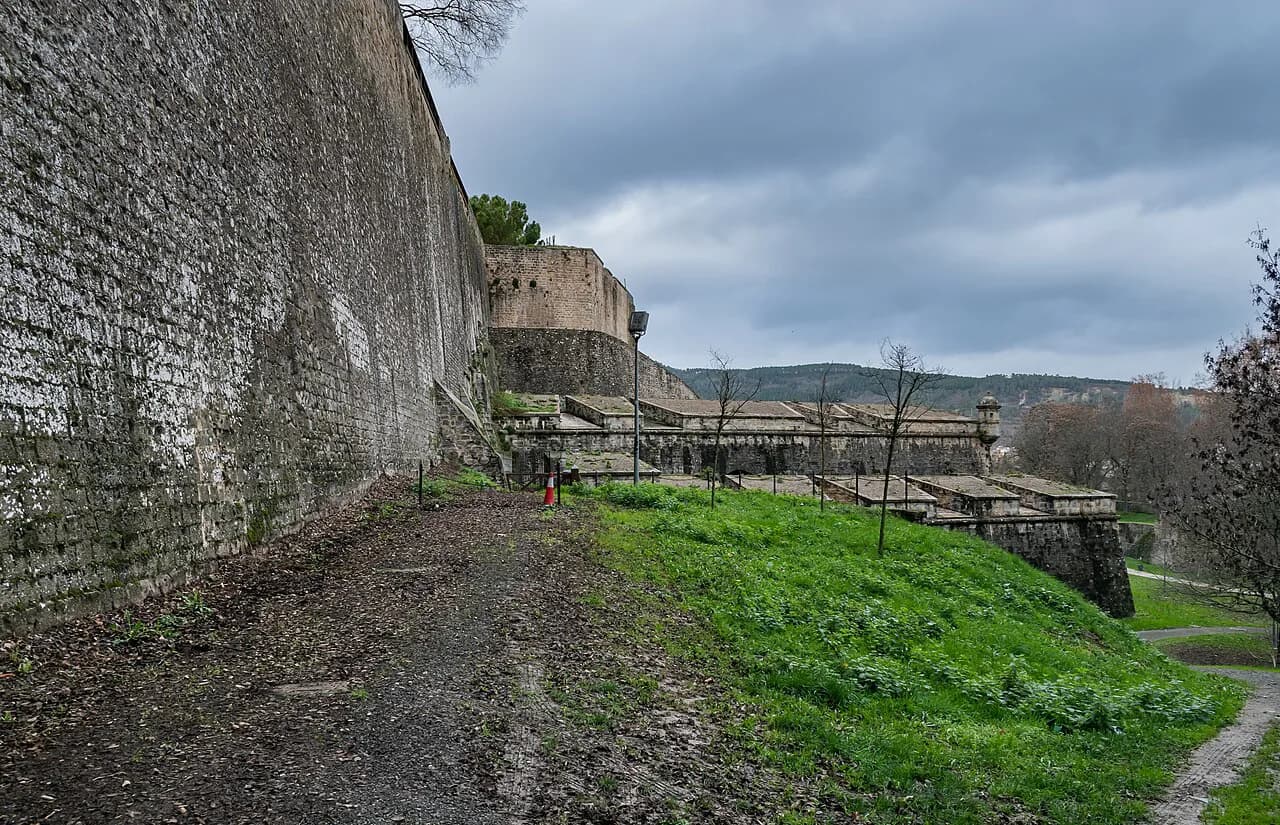
Murallas de Pamplona: the city walls and the Citadel

The murallas de Pamplona are best understood as two separate things: the Ciudadela, the Renaissance fortress on Avenida del Ejército, and the longer ring of walls and bastions that still wraps the old town. The Citadel is the part with published opening times and free entry, so start there and treat the rest of the circuit as a walk rather than a ticketed sight. This guide covers where each sits, which bastions and doors to look for, how long to allow, and what to pair with them nearby.
What the murallas de Pamplona are and what survives today
Pamplona's Citadel was rebuilt in the sixteenth century, begun in 1571 under Felipe II to face a French threat and replacing an earlier castle. The designer was the military engineer Giacomo Palearo, known as el Fratín, and the fortress is described as the best example of military architecture from the Spanish Renaissance. It covers some 280,000 square metres, which explains why it feels like a walled town in its own right rather than a single monument.
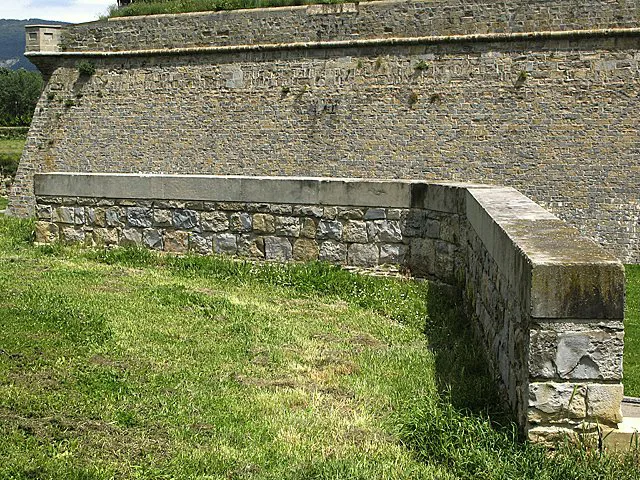
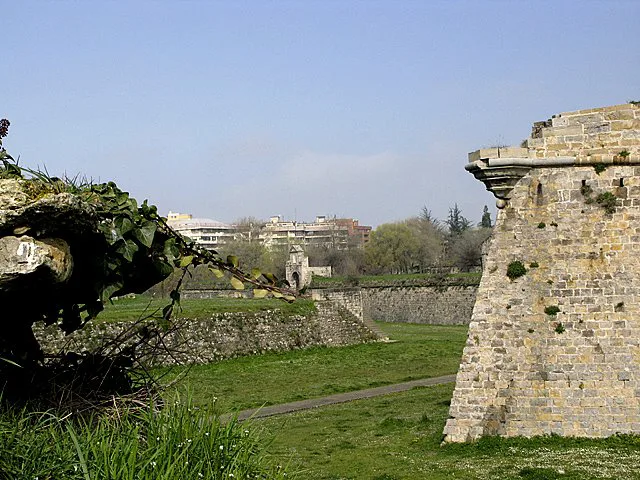
The plan is a regular pentagon with five bastions at its corners, but only three of them survive today: the Primer Ensanche, the town's First Enlargement, was built over the other two. Look for the battered stone wall of the esplanade that still surrounds it, and note that the enclosure has two doors, a main gate facing the old town and a second emergency gate. Inside the perimeter, smaller fortifications and buildings now house public cultural and leisure uses.
The Citadel also served as a prison for distinguished prisoners in the eighteenth century, when the count of Floridablanca was held here. That detail is worth carrying with you as you walk the glacis, because the open ground around the bastions is what makes the scale readable; without it the pentagon is just a shape on a map.

Where the walls and the Citadel sit in relation to the old town
The Ciudadela stands on Avenida del Ejército, and its main door is deliberately oriented towards the old town. That means you can walk from the historic centre out through the modern streets and reach the fortress without needing a bus or taxi. The city walls themselves are the connective tissue between the two, so the natural route is old town, wall line, Citadel, rather than the other way round.
For orientation, treat the Plaza del Castillo as your starting pin in the centre and work west. The Pamplona Attractions: 6 Visitor Guides map the old town, the walls and the Ciudadela against each other so you can see how the pieces fit before you set out. Allow for the fact that the walk between the centre and the fortress passes through ordinary streets with traffic, not a continuous park.

The Citadel (Ciudadela): pentagon, bastions and surviving doors
Walk the outside first. The batter of the siege wall, the slope of the glacis and the three surviving bastions give you the shape of the Renaissance design, and the two doors are the clearest markers of how the fortress was meant to be entered and supplied. The Citadel of Pamplona (Ciudadela) page has the full outline of the bastions, doors and interior buildings if you want to plan a route through the enclosure before arriving.
Inside, the fortress is not a museum with a single sequence of rooms. The surviving buildings and smaller fortifications are used for exhibitions and public events, so what you can enter depends on what is programmed. The exhibition hours differ from the general opening hours, which is worth knowing if the interiors are your main reason for coming.
Opening times and free entry for the Citadel
The Ciudadela is free to enter. Published times are Monday to Saturday from 07:30 to 21:30, and Sundays and public holidays from 09:00 to 21:30. Exhibitions run Monday to Saturday from 18:30 to 21:00, and on Sundays and public holidays from 12:00 to 14:00. The site is listed as closed on 1 and 6 January and on 25 December, so a winter city break needs a little care around those dates.
The key point for planning is that a long opening day does not mean everything inside is open all day. If you want the exhibition spaces as well as the ramparts, aim for the evening slot on a weekday or the short midday window on a Sunday. If you only want to walk the walls and the glacis, the general hours give you plenty of room, including an early start before the city heats up.
How long the walls and Citadel need on a short break
Give the Citadel itself around an hour to ninety minutes: enough to circle the bastions, read the shape of the pentagon and walk through the main gate and the interior courtyards. Add another half hour or so if an exhibition is open and you want to see it. The wider wall circuit is a separate walk rather than a single enclosed site, so budget it by distance rather than by ticket.
A realistic half-day is the Citadel plus the wall line plus one interior stop in the old town. Trying to combine the full circuit with two museums in the same morning tends to leave you rushing the ramparts. If you are short of time, the ramparts and the glacis are the part to keep, because they are what makes the fortifications legible.
Getting there and moving between the walls and the old town
Pamplona sits on the rail and bus network, so the Ciudadela is reachable on foot from the centre once you have arrived. On the ground, the route from the Plaza del Castillo west to Avenida del Ejército is straightforward and level enough for most walkers. The Plaza del Castillo, Pamplona is the obvious meeting point before you set off, and it is also where you will end up if you walk back into the old town for coffee.
Allow for the ordinary city around you: the streets between the centre and the fortress carry traffic and have crossings rather than pedestrian priority. The walk is not long, but it is not a scenic promenade either. A short taxi ride is a sensible fallback if you are carrying bags or visiting in the middle of a hot afternoon.
The Cathedral of Santa María la Real de Pamplona as the nearby interior stop
The cathedral is the natural interior counterpart to a morning on the walls, and its complex includes the Royal Crypt, the Barbazana Chapel and the Gothic cloister. The main façade is eighteenth-century, a neoclassical replacement for a Romanesque front, and earlier capitals are held in the Museum of Navarre. The Catedral de Santa María la Real de Pamplona page sets out opening hours, ticket prices and free-entry slots rather than leaving you to assume the walls and cathedral share a timetable.
Cathedrals in Spain often close to tourists during mass, so plan around the published schedule rather than turning up at the door. Pairing the cathedral with the Citadel gives you one interior stop with its own admission arrangements and one fortress that is free to enter, which is a sensible split for a short break.
What pairs with the walls in a half-day
The Museum of Navarre is the obvious third stop if you want the objects that came off the cathedral and the older city, and it fills the gap between the military story of the walls and the religious story of the cathedral. The Museum of Navarra holds capitals and other elements from the cathedral's earlier Romanesque front.
If you would rather keep walking than stand in galleries, the Iglesia de San Saturnino is a compact stop in the old town and an easy addition to the circuit, and the Iglesia San Saturnino Pamplona sits within the historic centre as a final point before you head back to the station. The order matters less than the balance: one fortress, one interior, one walk.
Walls first, then the old town
Start at the Ciudadela on Avenida del Ejército, walk the three surviving bastions and the glacis, then follow the wall line back into the old town for the cathedral. That order gives you the free, open-air part of the defences while you have energy, and leaves the interior stops for when you want to be indoors. The Citadel's general hours are generous, but the exhibition slots are narrow, so decide before you go whether the interiors matter to you.