Things to Do in Pamplona: Old Town, Walls and the Ciudadela
Plan a short break in Pamplona with the Plaza del Castillo, the Ayuntamiento, the Ciudadela, the medieval walls and the Caballo Blanco viewpoint.
On this page
Pamplona rewards one day, not three: nearly everything worth seeing clusters inside the Casco Antiguo, the walled rectangle at the centre of the map, with the Ciudadela and the parks a short walk beyond it. The city was founded by the Romans, crossed by the Camino de Santiago and ringed by medieval fortifications, so the walk between sights is part of the visit. What follows groups the plazas, the bull-run streets, the walls and bastions, the cathedral quarter, the churches, museums, archives and green spaces into a sequence you can follow without criss-crossing the old town.
Two practical points shape any plan. The historic centre restricts traffic to commercial vehicles and residents, so you move on foot once you are inside the walls, and the Ciudadela and the Taconera give you open green space the moment the streets feel tight. Renfe runs direct routes into Pamplona from Madrid, Barcelona and Tarragona, which makes a rail-based short break straightforward.
The Plaza del Castillo and the heart of the old town
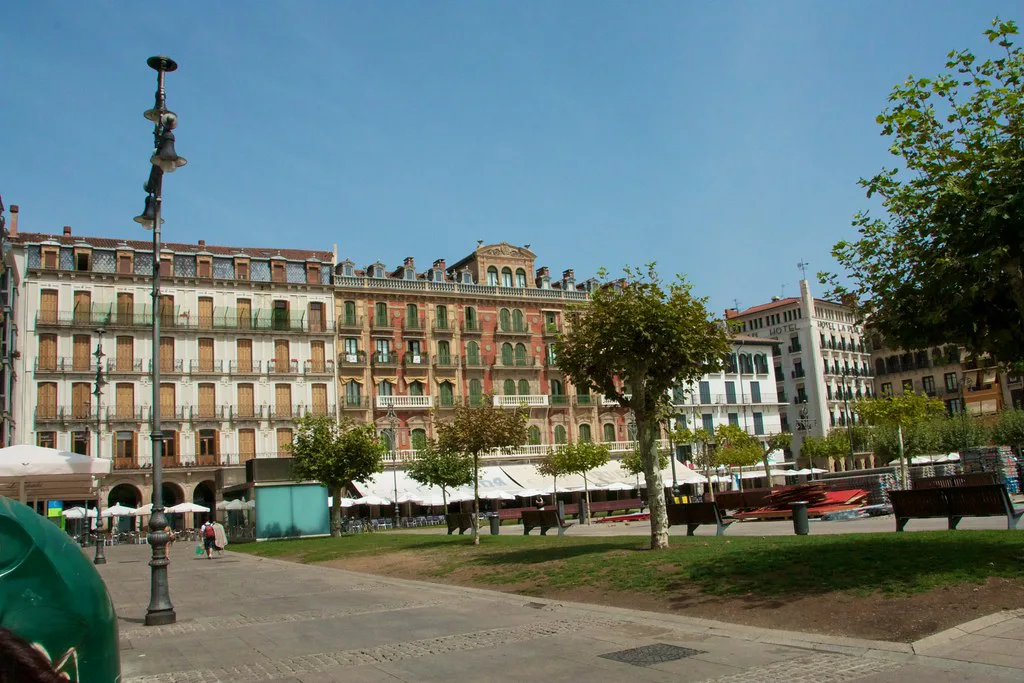
The Plaza del Castillo is Pamplona's main square and the natural place to start. It is a large, slightly irregular open space of about 14,000 square metres, centred on a traditional quiosco and lined with buildings whose facades give it the feel of a plaza Mayor, though on a bigger scale than most. Over the centuries it has hosted bullfights, battles, tournaments, markets, military parades and political gatherings.
Two addresses on the square carry the city's literary reputation: the Café Iruña and the Hotel La Perla, both frequented by Ernest Hemingway on his visits to Pamplona. Hemingway set his novel Fiesta here, and an official Hemingway route now follows his footsteps through the city. Even without the literary trail, the arcades and cafe terraces make this the obvious pause before pushing deeper into the old town.
Close by, the Diputación and its Monumento a los Fueros sit on the Paseo Sarasate, and the gardens of the Gobierno de Navarra hold a giant sequoia brought originally from California. The Fueros, Navarra's distinctive body of law shared only with the Basque Country, explain much of the region's identity, and a guided walk through the old town fills in the background the plaques leave out.
Plaza Consistorial and the Ayuntamiento
The Plaza Consistorial holds the most photographed facade in Navarra, the Ayuntamiento de Pamplona. The baroque front carries ornamental detail, balconies, a large clock and the flags of Pamplona, Navarra, Spain and the European Union, and the building dates from 1752. It commemorates the union of the three medieval burghs of San Cernín, San Nicolás and Navarrería, and the square remains the city's gathering place outside festival time, hosting concerts and performances.
San Fermín begins here each 6 July at noon with the chupinazo, the rocket that opens the fiesta from the Ayuntamiento balcony. Outside those days the square is quiet enough to look properly at the building, and it sits a couple of minutes from the Plaza del Castillo, so the two belong in the same loop. Treat the festival itself as background: the streets are the year-round attraction.
Calle Estafeta and the cuesta de Santo Domingo
The bull run has a fixed geography you can walk at any time of year. The encierros start on the cuesta de Santo Domingo, where the bulls spend the night before the run, and continue through Calle Estafeta, the most famous stretch of the route. Both are ordinary city streets for the rest of the year: Estafeta is lined with bars serving pintxos, and the slope of Santo Domingo gives you a view back over the roofs of the old town.
Walking the route takes very little time and pays off in orientation, because it stitches together the cathedral end of the Casco Antiguo with the Plaza Consistorial end. If you want the story behind each corner rather than just the street names, a Pamplona walking tour covers the same ground with the history attached.
The Ciudadela and the Ensanche
The Ciudadela is one of the most important examples of Spanish Renaissance military architecture and is listed as a national monument. It sits a few steps from the Casco Antiguo, and the walk to it takes you through the Ensanche, the grid-planned nineteenth-century expansion whose straight streets contrast sharply with the irregular old town. Inside, historic buildings stand among lawns and paths across roughly 280,000 square metres of green space, used by locals for sport, rest and recreation.
The fortress also holds museums and an interpretation centre on the city's fortifications, so it works as both a park and a history stop. Give it proper time rather than treating it as a photo pause on the way somewhere else, and use it as the hinge between the old town and the modern city on your way back.
The medieval walls and the Caballo Blanco viewpoint
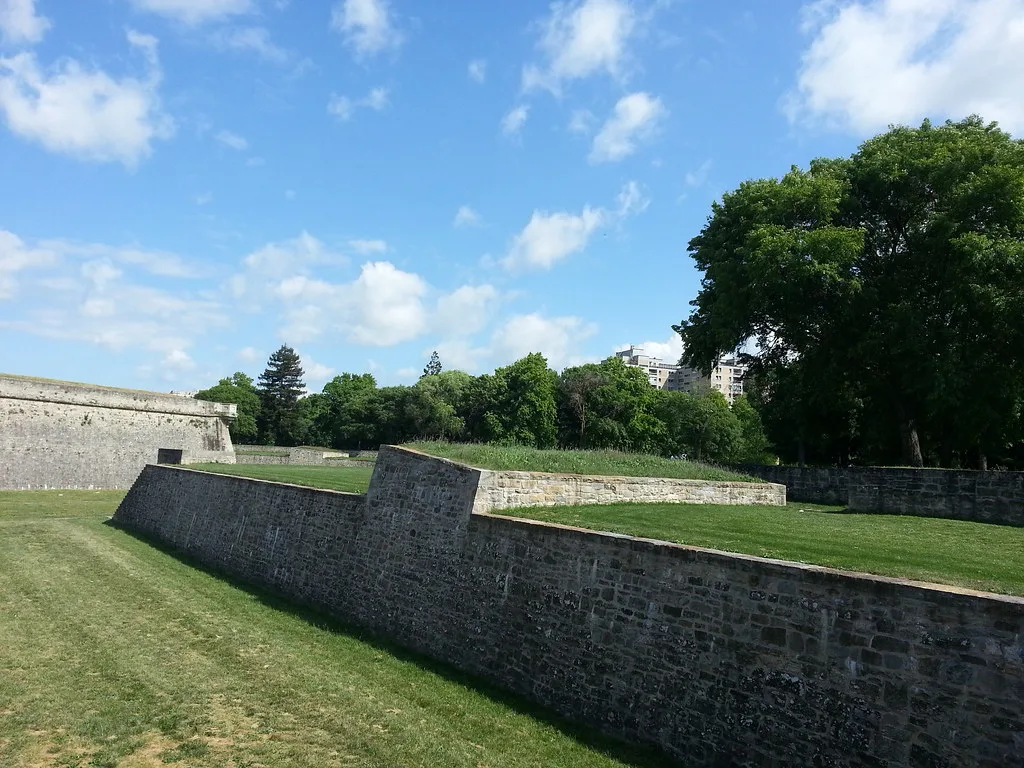
Pamplona's medieval walls enclose the old town in a rough rectangle bordered by green space, and the bastions along them are walkable. The best-known corner is the Mirador del Caballo Blanco, the highest point of the Bastión del Redín, beside the Plaza de San José and the cathedral. A palace once stood on the site; only the Cruz del Mentidero survives, a cross dating from around 1500 that once marked a place of execution.
The viewpoint is a short detour from the cathedral quarter and gives you the clearest read of how the walled town sits above the surrounding green. Pair it with the cathedral rather than making a separate expedition, and use the walls generally to understand the city's shape: old town inside, Ensanche and parks outside.
The cathedral quarter and the Plazuela de San José
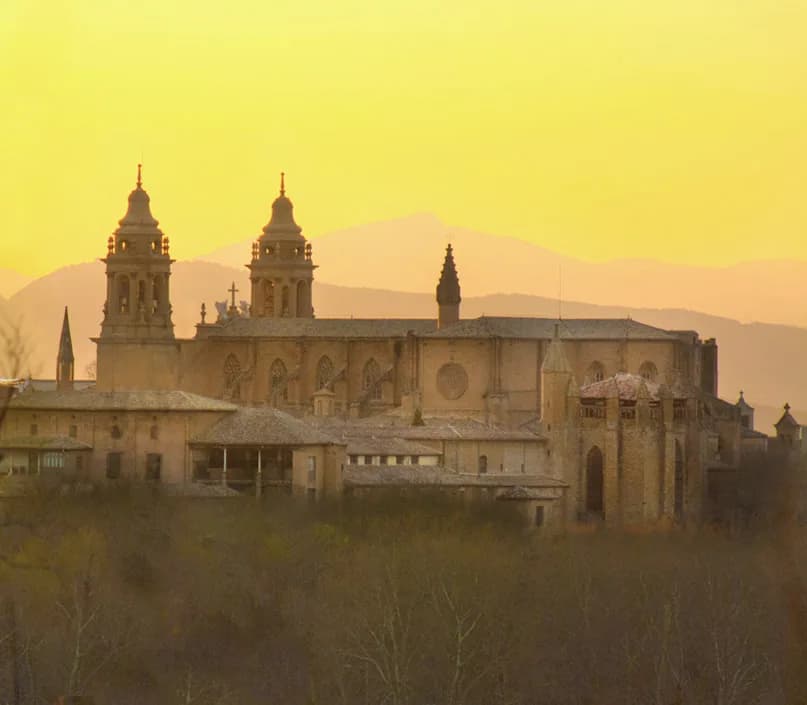
The Catedral de Santa María la Real has a neoclassical exterior wrapped around a Gothic interior, an unusual combination that surprises visitors expecting a purely medieval building. The Plazuela de San José beside it, together with the Caballo Blanco viewpoint, forms the most atmospheric small corner of the old town. The cathedral quarter sits at the highest, quietest end of the Casco Antiguo, so it makes a natural finish to a walk from the Plaza del Castillo.
If you are building a route on paper first, the museums and cathedral end of town connect easily to the bull-run streets, and a Pamplona itinerary that groups them saves you from doubling back. Keep the cathedral for last if you are arriving late in the day, since it is the furthest sight from the Plaza del Castillo and the surrounding lanes are the reward.
Churches worth stepping into
The Iglesia de San Saturnino, also called San Cernín, stands next to the Ayuntamiento. It is Gothic, built in the thirteenth century, and its two towers, once topped with battlements, hint at the defensive role the church played in the medieval city. Its baroque chapel of the Virgen del Camino, built over the old cloister, honours a co-patron of Pamplona.
The Iglesia de San Lorenzo, reached along Calle Mayor, holds the baroque chapel of San Fermín, which makes it the city's most visited church for reasons of devotion rather than architecture. Nearby stands the Cámara de Comptos, the oldest building in Pamplona, which served as the seat of Navarra's old Court of Accounts between the fourteenth and nineteenth centuries. Spanish churches commonly close to tourists around mass times and at midday, so build some slack into a church-focused morning.
Museums and archives
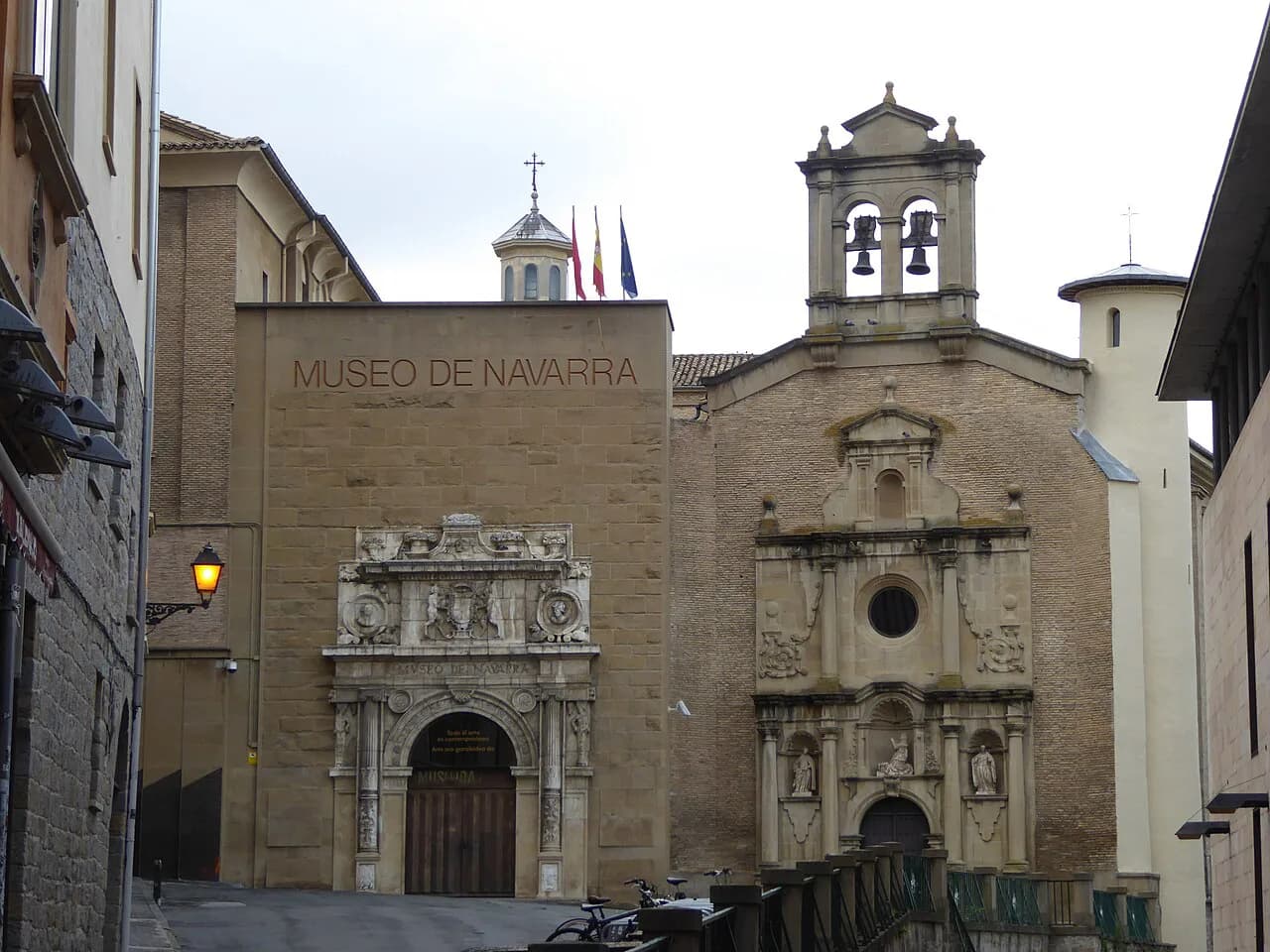
The Museo de Navarra occupies a building with a plateresque facade on the cuesta de Santo Domingo and holds a substantial collection of archaeological finds and art. Directly opposite stands the Palacio Real, a twelfth-century building that now houses the Archivo Real y General de Navarra. Both sit on the bull-run street itself, so you can combine the city's two histories, running and record-keeping, in one stop.
For contemporary art, the Museo de la Universidad de Navarra holds works by Picasso, Kandinsky, Rothko, Chillida, Palazuelo, Oteiza and Tàpies, which is an unexpectedly strong collection for a university museum. Ticket prices and opening days for all of these change, so check each museum's own page before you set out.
Green stops: Taconera, Media Luna and Yamaguchi
The Parque de la Taconera is the oldest and most emblematic park in Pamplona, and it keeps a small animal enclosure where deer, goats, ducks, peacocks and cockerels live in semi-freedom. It is a good break between the old town and the walls, especially if the day is hot. The Parque de la Media Luna and the Parque de Yamaguchi add two more green stops; Yamaguchi is the more unusual of the two for a Spanish city and reflects Pamplona's Japanese twin-city link.
Pamplona on the Camino de Santiago
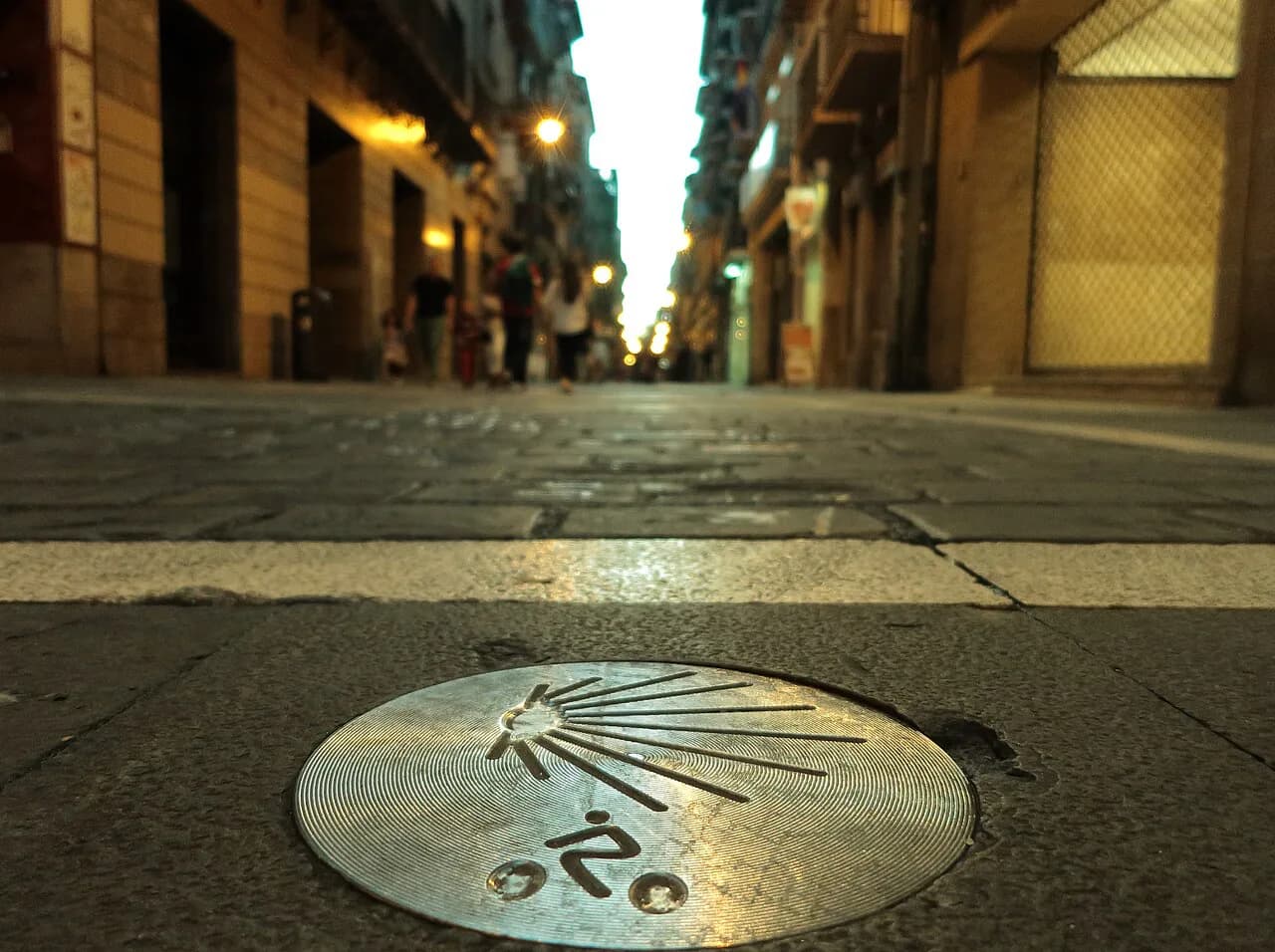
Pamplona sits on the Camino de Santiago, and the Ultreia centre interprets the route for visitors rather than pilgrims alone. It explains why the city's medieval layout, its churches and its hostel tradition look the way they do. Even on a short city break, half an hour here makes the streets legible.
A layout for one day and for a weekend
With one day, start at the Plaza del Castillo, walk to the Plaza Consistorial and the Ayuntamiento, follow Calle Estafeta and the cuesta de Santo Domingo past the Museo de Navarra and the Palacio Real, then climb to the cathedral, the Plazuela de San José and the Caballo Blanco viewpoint. Finish by dropping down through the walls to the Ciudadela and the Taconera, which puts the green spaces at the end when your legs are tiring.
With a weekend, add the churches of San Saturnino and San Lorenzo, the Museo de Navarra or the university museum, Ultreia, and the Media Luna and Yamaguchi parks. The old town is compact and pedestrianised, so the extra day is about depth rather than distance. If you are comparing this break with another northern city, the things to do in A Coruña follow a similar pattern of a walled headland and a modern grid behind it.
Getting there and getting around
Renfe runs direct trains to Pamplona from Madrid, Barcelona and Tarragona, which makes the city easy to reach without a car. Timetables and fares change by season, so confirm your train on the Renfe site before booking accommodation. Once you arrive, the Casco Antiguo is small enough to cross in a few minutes and the Ciudadela and parks are an easy walk beyond the walls.
Driving into the centre is restricted to commercial vehicles and residents, so park outside the old town and walk in. Cycling works well too, since Pamplona has invested in cycle lanes alongside the roads. The city sits on the fertile plain of the Río Arga, and the river's green corridor gives you a level route between the parks if you want a break from the cobbles.
Should you give Pamplona one day or two?
One full day covers the core: the two plazas, the bull-run streets, the cathedral corner and the Caballo Blanco viewpoint, the Ciudadela and a park. Two days let you add the churches, the museums, Ultreia and the quieter green spaces without rushing. Pamplona is unusual among Spanish provincial capitals in being genuinely walkable end to end, which makes the second day a pleasure rather than a slog.
Book the train before the accommodation, since Renfe routes from Madrid, Barcelona and Tarragona set the shape of a short break, and check museum and church opening days a week ahead. Then leave space in the plan for the old town itself, which is the real attraction.
Explore more Pamplona guides
Frequently Asked Questions
What is there to see in Pamplona?
The Plaza del Castillo, the Plaza Consistorial and its Ayuntamiento, the bull-run streets of Calle Estafeta and the cuesta de Santo Domingo, the cathedral quarter with the Plazuela de San José and the Caballo Blanco viewpoint, the Ciudadela fortress-park, the Museo de Navarra and the Palacio Real, and the Taconera and Media Luna parks.
Which airport do you fly into for Pamplona?
Pamplona has its own airport, and the Spanish name to search is Aeropuerto de Pamplona. Travellers coming from the UK often compare it with flying into Bilbao or Zaragoza and continuing by road or rail. Rail is a strong alternative: Renfe runs direct trains to Pamplona from Madrid, Barcelona and Tarragona.
What did Hemingway do in Pamplona?
Hemingway visited Pamplona repeatedly and set his novel Fiesta there, drawing on the city's fiesta and bull-running. The Café Iruña and the Hotel La Perla on the Plaza del Castillo are the two addresses most associated with him, and an official Hemingway route follows his footsteps through the city.
Sources
Notes for your next Spanish town break
Optional updates to our guides.
You might also like
Continue reading
More guides you'll find useful