Pamplona Walking Tour: A Self-Guided Route Through the Old Town
Plan a self-guided Pamplona walking tour through the Casco Antiguo, from the Plaza del Castillo to the Ciudadela, with the stops in walking order.
On this page
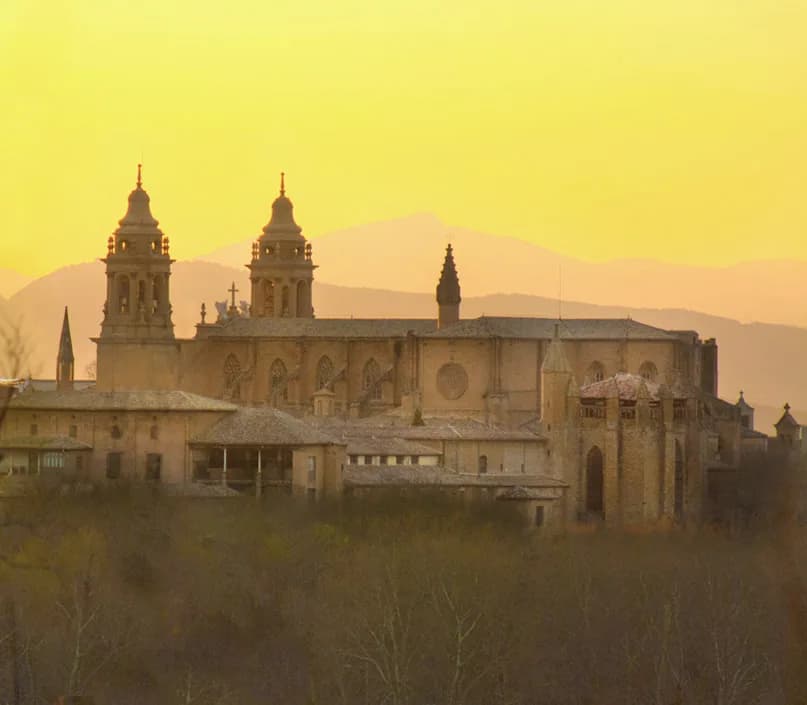
Pamplona's old town is compact and walkable, and a sensible first walk takes in the Plaza del Castillo, Calle Estafeta, the Plaza Consistorial and the church of San Saturnino before following the walls to the Ciudadela. This route sets those stops out in walking order, explains what to look at at each one, and notes where a self-guided walk runs out of depth and a guided tour starts to earn its place.
The official city tourism pages treat the Casco Antiguo as the natural opening chapter of any visit, beginning with the Plaza del Castillo as the city's social heart and the surrounding streets as a living record of how Pamplona grew.
Start at the Plaza del Castillo
Begin in the open space rather than at a monument: the Plaza del Castillo sits at the hinge between the old town and the later city, and crossing it gives you your bearings before the streets narrow. Look at the arcaded edges and the café terraces, and note which exits you will use later, since the square reappears at the end of several different walks.
From the square, head into the Casco Antiguo rather than along the broad modern avenues. The city's own two-day plan puts the historic quarter first for exactly this reason: the cobbled streets, the older façades and the slower pace reward an unhurried start.
Estafeta, the Plaza Consistorial and Calle Mayor
Calle Estafeta is the street most travellers already know by name, and outside July it reads as an ordinary working street of traditional shops and old taverns rather than an event venue. Walk it slowly, then cross into the Plaza Consistorial, where the town hall façade closes the space and the streets fan out around it.
Calle Mayor runs close by and belongs on the same leg of the walk. Watch for carved stones, coats of arms and inscribed lintels above shop level, since the interest here is in the fabric of the buildings rather than in a single sight to queue for.
The church of San Saturnino and the street grid
The Iglesia de San Saturnino anchors the oldest part of the grid, and its two towers give you a fixed point to navigate by for the rest of the morning. The lanes around it twist rather than run straight, so treat this as a place to wander rather than a place to tick off, keeping the towers in view to avoid drifting too far north.
This is where a printed or downloaded route map saves time. A self-guided Pamplona introduction walk covers this same core of squares and churches in a set order, which is useful if you would rather follow a line than improvise.
The city walls and bastions above the Arga
From the old town, follow the Ruta de las Murallas, the signed circuit around the defensive system that protected Pamplona for centuries. The route links bastions, raised stretches of wall and planted corners, and it opens onto viewpoints over the Río Arga and back across the rooftops of the Casco Antiguo.
Take this section at an easy pace and stop where the wall gives you a clear line of sight, because the value is in the elevation and the geometry of the fortifications rather than in any single bastion. Good shoes matter more here than anywhere else on the route, as some surfaces are uneven and exposed.
The Parque de la Taconera and its small moat
The Parque de la Taconera is the oldest and most romantic of the city's gardens, laid out in a French style, with a small moat holding deer, peacocks and ducks and views west towards the edge of the old town. It works as the decompression point between the walls and the Ciudadela, and it is a good place to sit before the last stretch.
The Ciudadela and how the walk ends there
The Ciudadela is a Renaissance fortress turned urban park and cultural venue, with ditches, broad paths, open-air sculpture and temporary exhibition rooms that change the character of each visit. Ending here means the walk finishes in open space with somewhere to sit rather than in a tight street, which suits a half-day outing.
Because the fortress grounds are also a public park, the walk can be shortened or extended at this point without breaking the logic of the route. If you still have energy, the old town is a short walk back inland rather than a return trip.
The Museo de Navarra on Calle Santo Domingo as an indoor extension
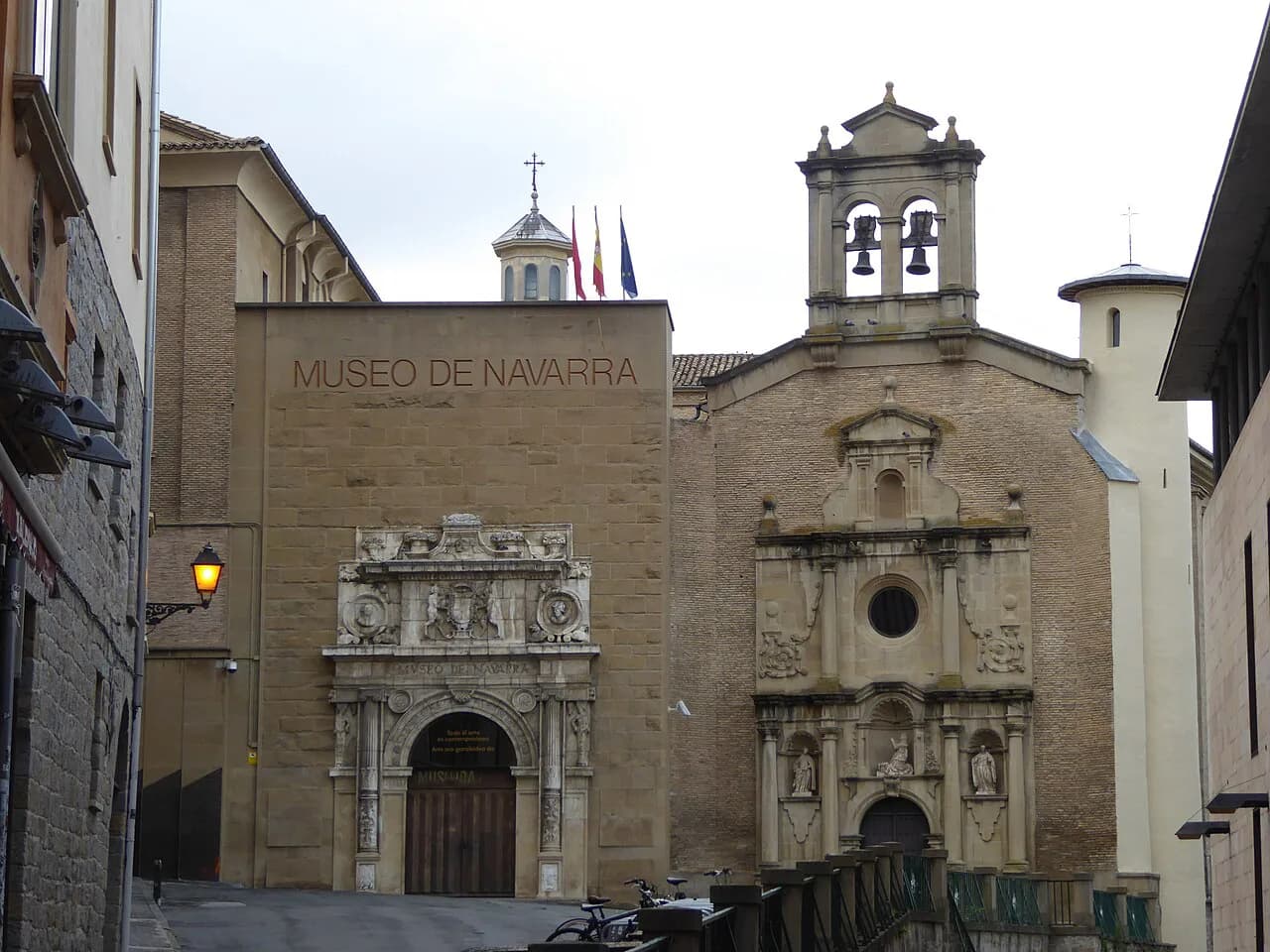
For a hot afternoon or a wet morning, the Museo de Navarra on Calle Santo Domingo near the portal de la Rochapea gives the walk a fully indoor leg. The collection runs from prehistory to contemporary art and includes the mano de Irulegi, a Roman mosaic of the Triumph of Bacchus and a portrait by Goya. See our Museums in Pamplona guide for more indoor options.
A short distance away, the Museo Catedralicio Diocesano adds a Gothic cloister and liturgical holdings, which makes a sensible pairing with the city museum if the weather has turned. Allow the indoor stops to replace rather than duplicate the outdoor middle of the walk.
How to use a self-guided route map
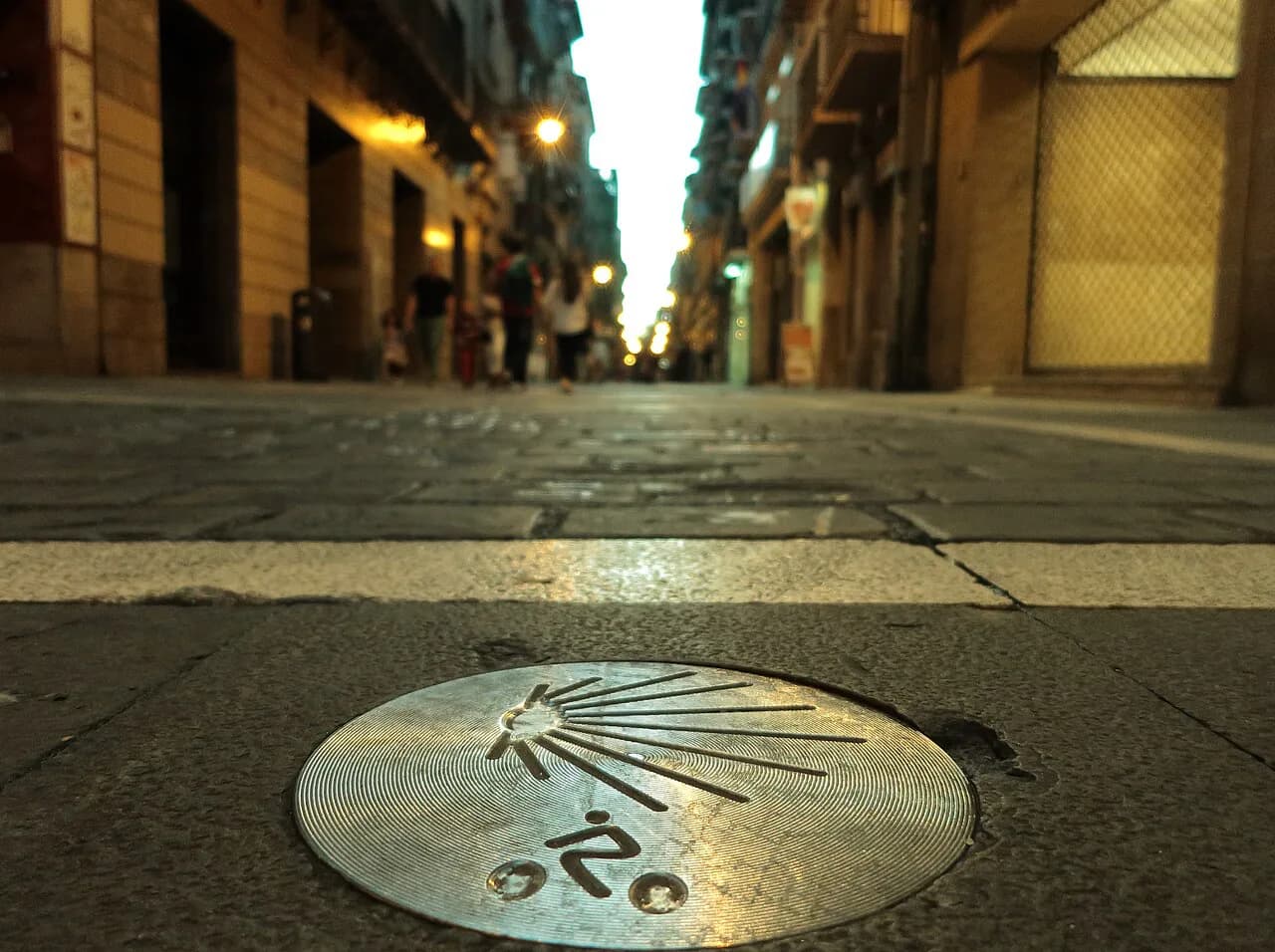
Download the route before you set out and keep it on the phone rather than relying on signposts alone, because the old-town lanes fork constantly and the wall circuit is easy to join in the wrong direction. A self-guided walking tour with a route map for the device is the simplest option, and it lets you reorder the stops if the weather changes.
Set the order as square, streets, church, walls, gardens, fortress, and treat the museums as a substitution for the middle rather than an addition to the end. That structure keeps you moving in one direction instead of criss-crossing the old town.
When a guided or free walking tour earns its place
A guided walk pays off when you want the layers behind the façades explained in sequence, especially around the walls and the Ciudadela, where the fortifications are hard to read without context. Booked walking tours in Pamplona include private guided options and pintxos tasting tours in the old town, and the range on offer is worth scanning before you commit.
If you would rather keep your own pace and only want the geography solved, the self-guided route covers the same ground and leaves you free to stop for coffee on the Plaza del Castillo. The trade-off is straightforward: a guide gives context and company, a map gives flexibility and cost control.
Which version of the walk suits your day
Choose the self-guided route if you have a morning or an afternoon and want the old town, the walls and the Ciudadela in one continuous line. Switch to a guided tour if the fortifications are the part you care about most, since that is where context adds the most.
Either way, start at the Plaza del Castillo, keep the museums in reserve for poor weather, and finish at the Ciudadela rather than doubling back. The rest of the city's sights sit within the same small area, so the walk slots easily into a wider plan.
Explore more Pamplona guides
Frequently Asked Questions
Is Pamplona old town walkable?
Yes. The Casco Antiguo, the Plaza del Castillo, the streets around San Saturnino and the wall circuit all sit close together, and the walk continues on foot to the Parque de la Taconera and the Ciudadela. The main constraints are uneven surfaces on the walls and summer heat, so start early and carry water.
Where does a self-guided Pamplona walking tour start?
Start at the Plaza del Castillo, which sits between the old town and the newer city and gives you a clear orientation before the streets narrow. From there the natural order runs through Calle Estafeta and the Plaza Consistorial, then San Saturnino, the walls, the Taconera and the Ciudadela.
Can you do Pamplona's sights indoors if it rains?
The Museo de Navarra on Calle Santo Domingo and the Museo Catedralicio Diocesano both work as indoor legs, and the Ciudadela has exhibition rooms. Swap them in for the middle of the walk rather than adding them on at the end, so the route still runs in one direction.
Sources
Notes for your next Spanish town break
Optional updates to our guides.
You might also like
Continue reading
More guides you'll find useful