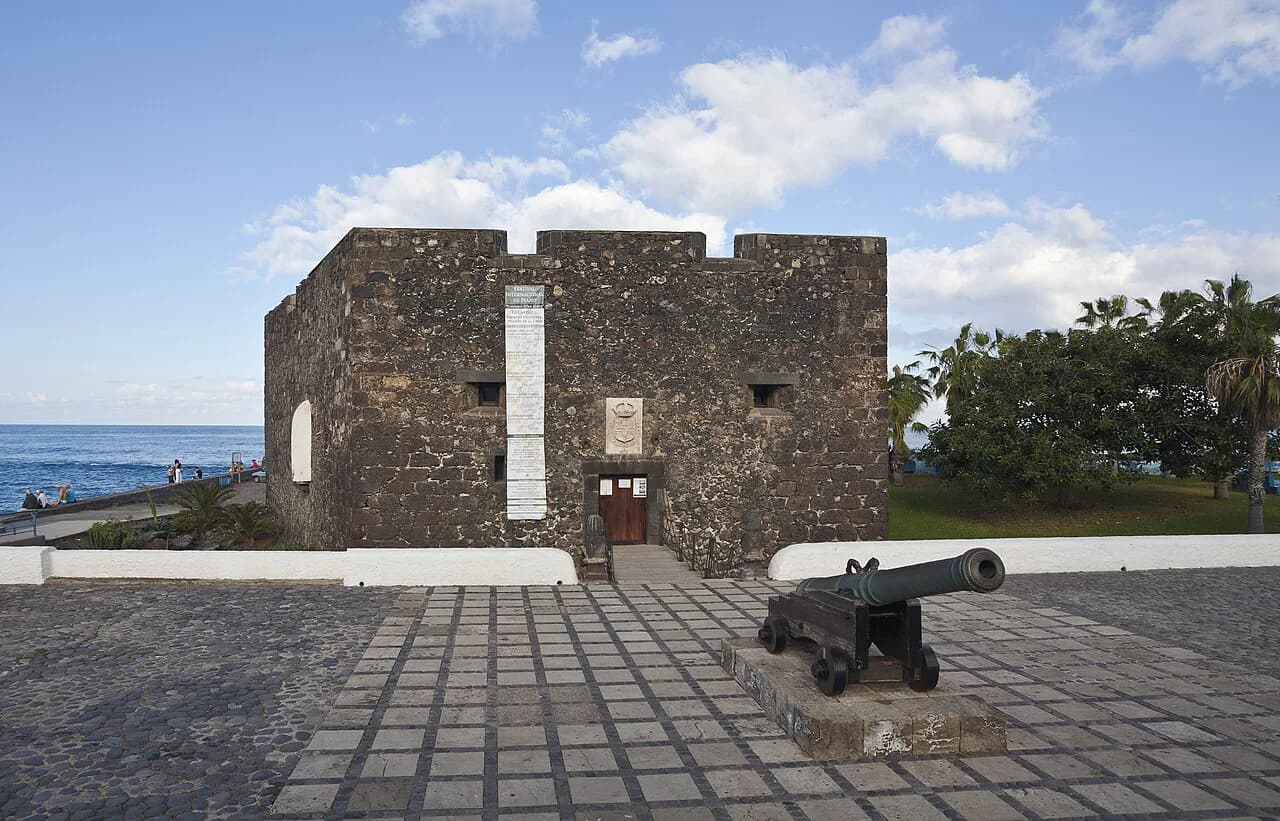
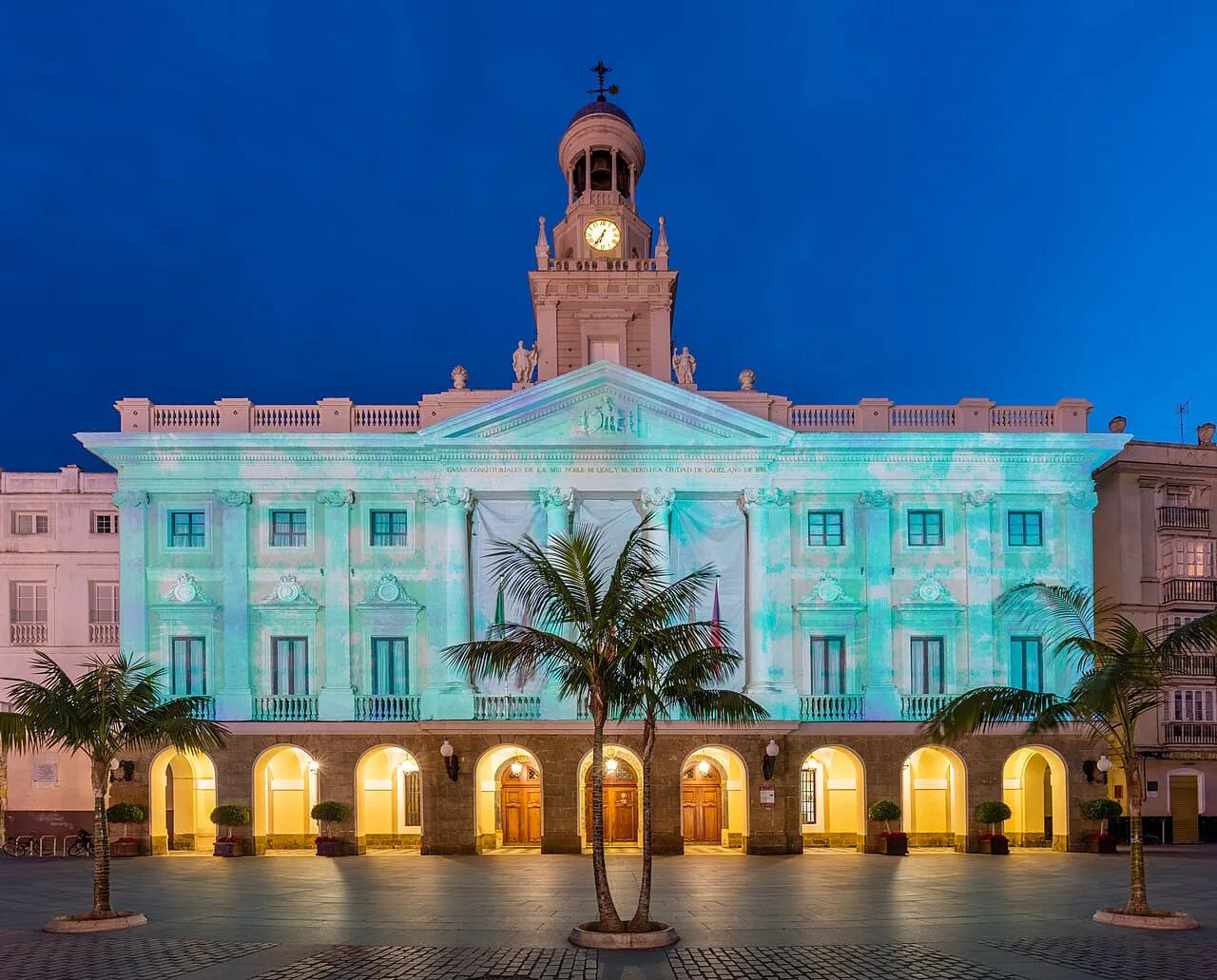
Things to Do in Puerto de la Cruz: Old Town, Coast and Museums
Plan a short break in Puerto de la Cruz with its old town, La Ranilla, coastal paths and viewpoints, grouped by walkable area with honest trade-offs.
On this page
Puerto de la Cruz suits one unhurried day on foot, built around three areas: the old town around the Plaza del Charco, the La Ranilla neighbourhood, and the coast west of town towards Playa El Bollullo and the cliffs. The town is compact enough that you can link them without a car, and the black volcanic sand comes as a surprise to travellers expecting the postcard beaches of southern Tenerife. This guide groups the sights by walking area, flags the trade-offs, and plans a short break that fits the hours you actually have.
The town's own visitor website sets the tone: year-round outdoor life, from the sand to a coffee under the palms, and a cultural calendar that runs through the year. That matters for planning because Puerto de la Cruz is a working town with a resident life of its own rather than a resort strip, and its centre rewards slow wandering more than ticking off monuments.
What to see in Puerto de la Cruz, grouped by area
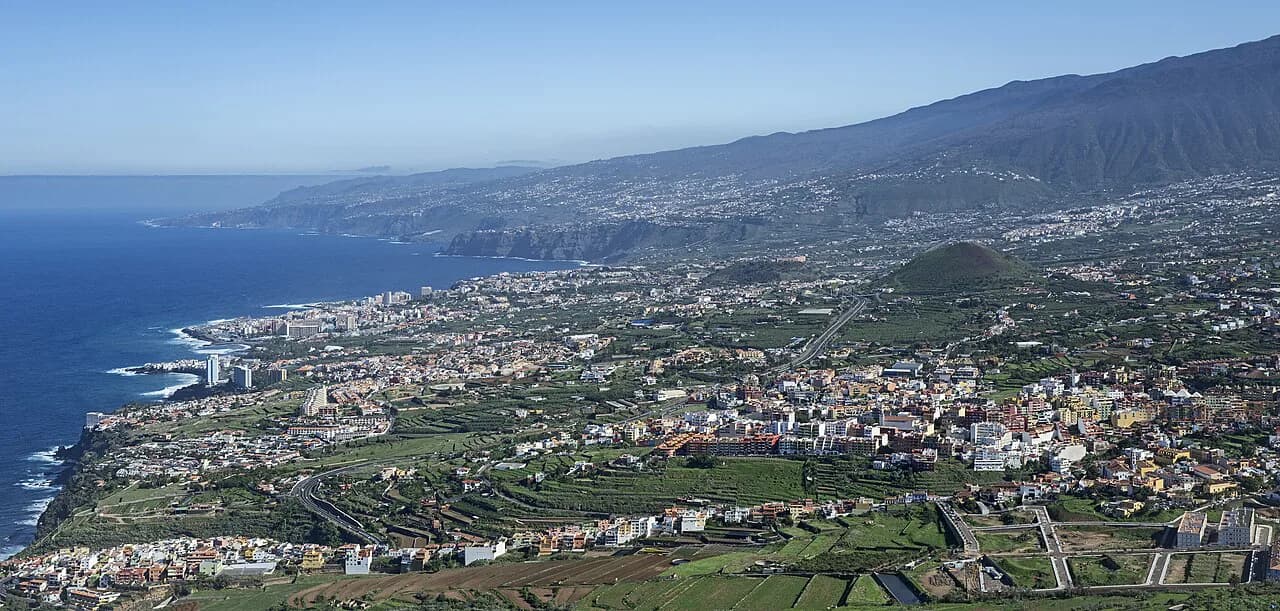
Split the town into four pieces and the day organises itself. First the old town, wrapped around the Plaza del Charco and running down Calle Puerto Viejo towards the seafront. Second, La Ranilla, the historic neighbourhood whose lanes sit just east of the centre, and third the coastal path heading west towards the cliffs and Playa El Bollullo. The fourth is the Taoro hillside above town, which gives you the viewpoints looking back down over the rooftops and out to the Atlantic.
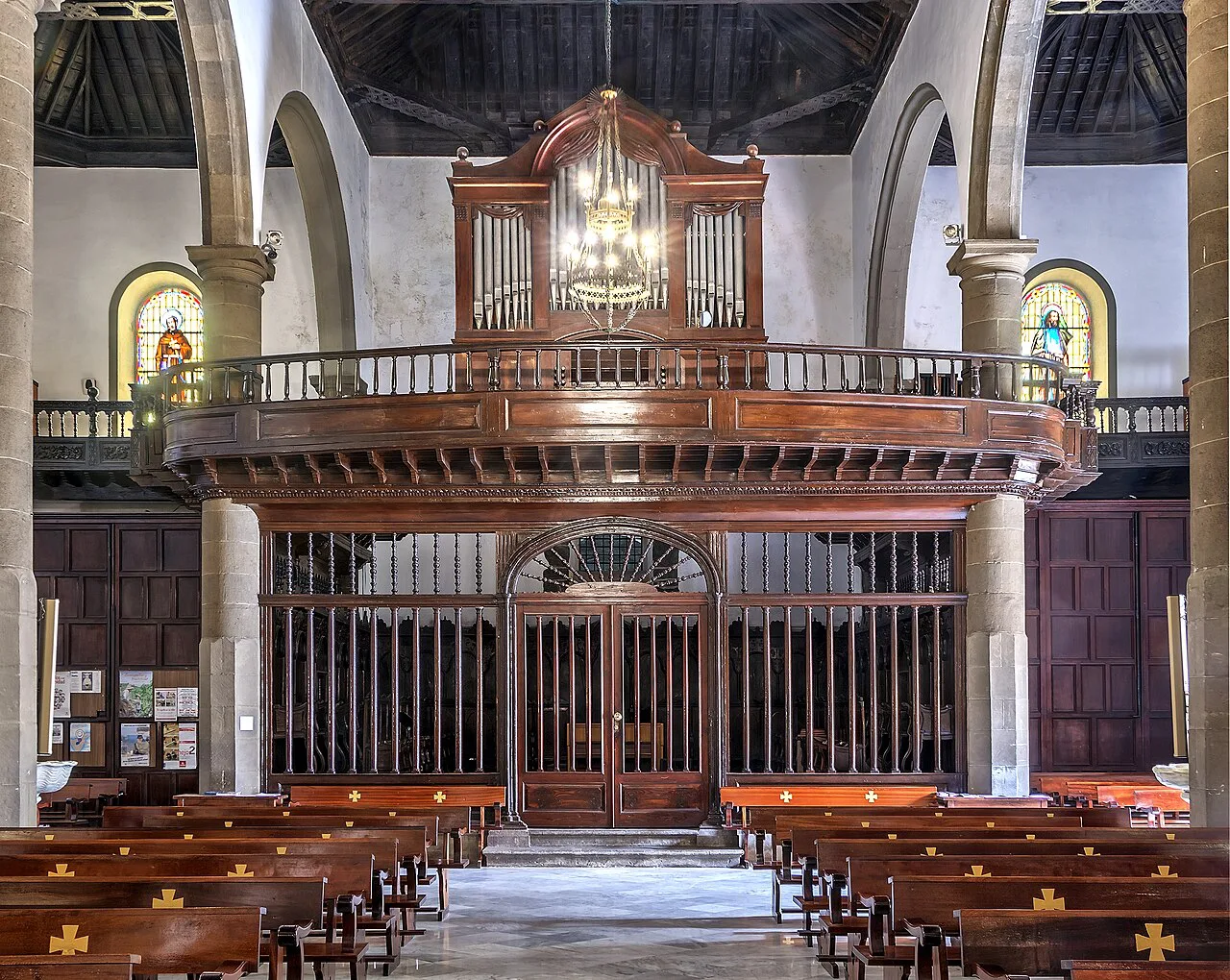
Old town: Plaza del Charco, Calle Puerto Viejo and the seafront
The Plaza del Charco is the town's living room, ringed by palms and low buildings, and the natural place to orient yourself before heading downhill. From there, Calle Puerto Viejo runs towards the water and the small seafront area, passing the tourist information office at number 13. Allow an hour simply to walk it slowly, because the pleasure here is the scale of the streets rather than any single facade.
The seafront itself is where locals and visitors mix. Sitting on the black sand, sharing a coffee between palms, or catching a concert on a terrace are the three ways the town's own site frames a day outdoors, and the point is not to race from sight to sight but to pick one and let it take an hour. If you want an evening plan once the walking is done, a boat trip booked for a clear day sits well alongside the old-town morning.
La Ranilla: the historic neighbourhood and its lanes
La Ranilla is the historic neighbourhood of Puerto de la Cruz, just east of the centre, and a self-guided wander through its lanes is a rewarding free hour in town. The streets are narrow and residential, with small houses and painted walls, and the area is quietest in the morning before the day-trippers arrive. Walking it slowly and then looping back towards the centre gives you a natural route back into the main sights without retracing your steps.
Because La Ranilla is lived-in rather than curated, it is a good place to notice the town's real character: washing lines, corner shops and the odd café rather than museum signage. If the Plaza del Charco is your anchor, keep any errands for the afternoon rather than carrying bags around the coast path later.
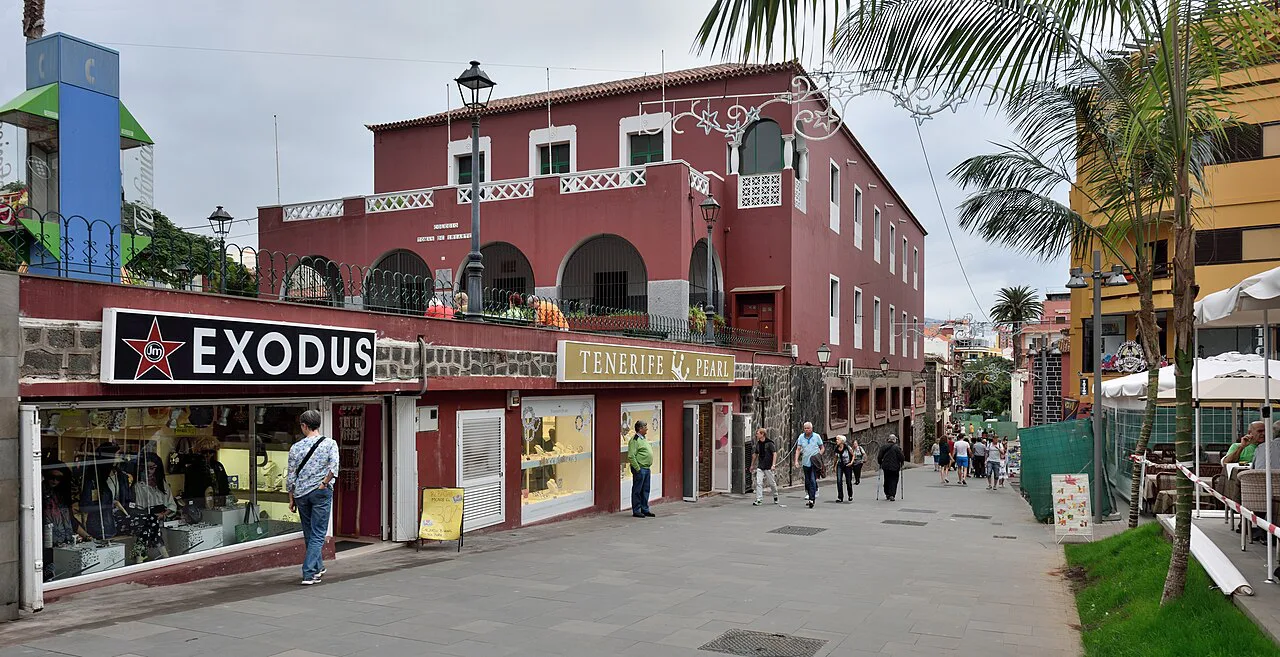
Coastal walking: the path towards Playa El Bollullo and the cliffs
The walk west towards Playa El Bollullo is the standout coastal outing, following a path past banana plantations and then along a cliff edge with views over the beaches below. From the Plaza Rotonda Aceviño area, where parking is generally available if you drive, the route runs up to the cliffs; a steady walk with photo stops, time on the beach and perhaps a drink at the beach restaurant takes roughly two to two and a half hours. Plan it as a daytime walk: the trails beyond the town towards El Bollullo and Roque Chico are isolated and phone reception in places is unreliable, so heading out after sunset makes little sense.
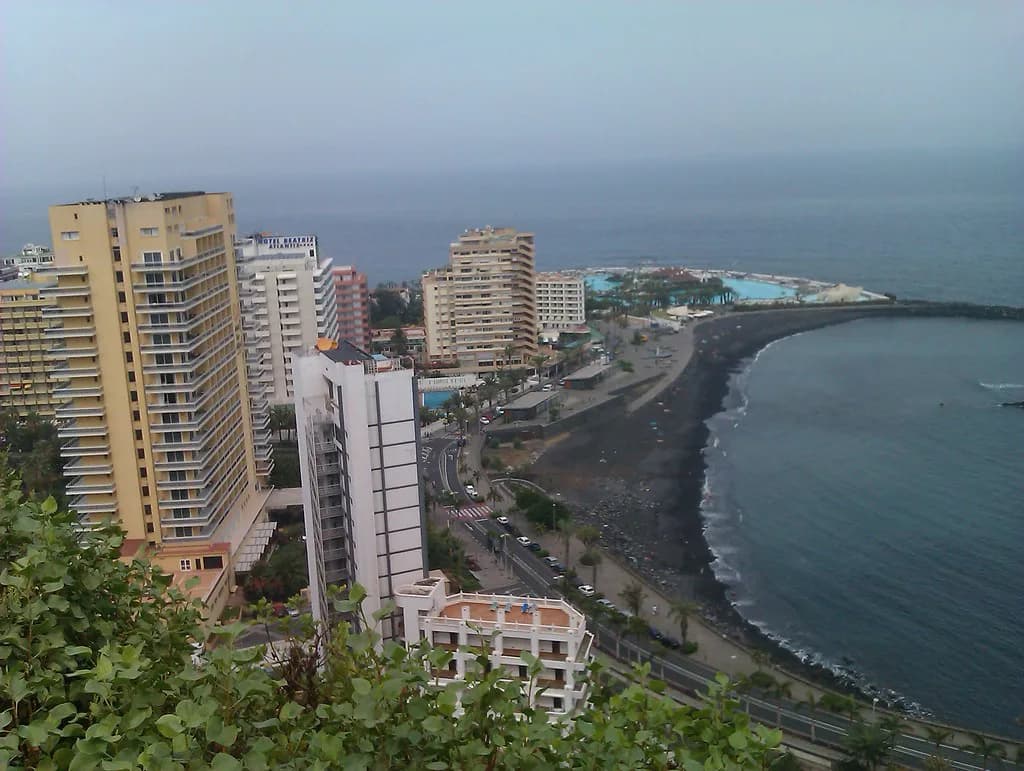
The beach at the end is black volcanic sand, not the pale sand many UK travellers associate with Tenerife, so bring something to sit on. An alternative path towards Playa Los Patos is not always open for safety reasons, which is another reason to treat El Bollullo as the main goal and not build the day around a second beach. Closer in, Playa María Jiménez sits within easy reach of the old town for a shorter stop on the way back.
Museums and the Agatha Christie connection
Puerto de la Cruz is known for its Agatha Christie connection, and an itinerary through town follows the older part, the seafront and the new part of town in the footsteps of the novelist. Treat it as a way of looking at the place rather than a single museum you queue for: the interest lies in walking the same streets with the story in mind. Pair it with the old-town lanes and you have a themed walk rather than a separate attraction.
The simpler pleasures, such as a walk by the sea in the newer part of town, fill the gap between the historic centre and the coast. If you want a deeper dive into the town's individual sights, the Puerto de la Cruz Attractions hub collects the separate visitor guides so you can pick the ones that match your interests.
Viewpoints and views over the town and the Taoro hillside
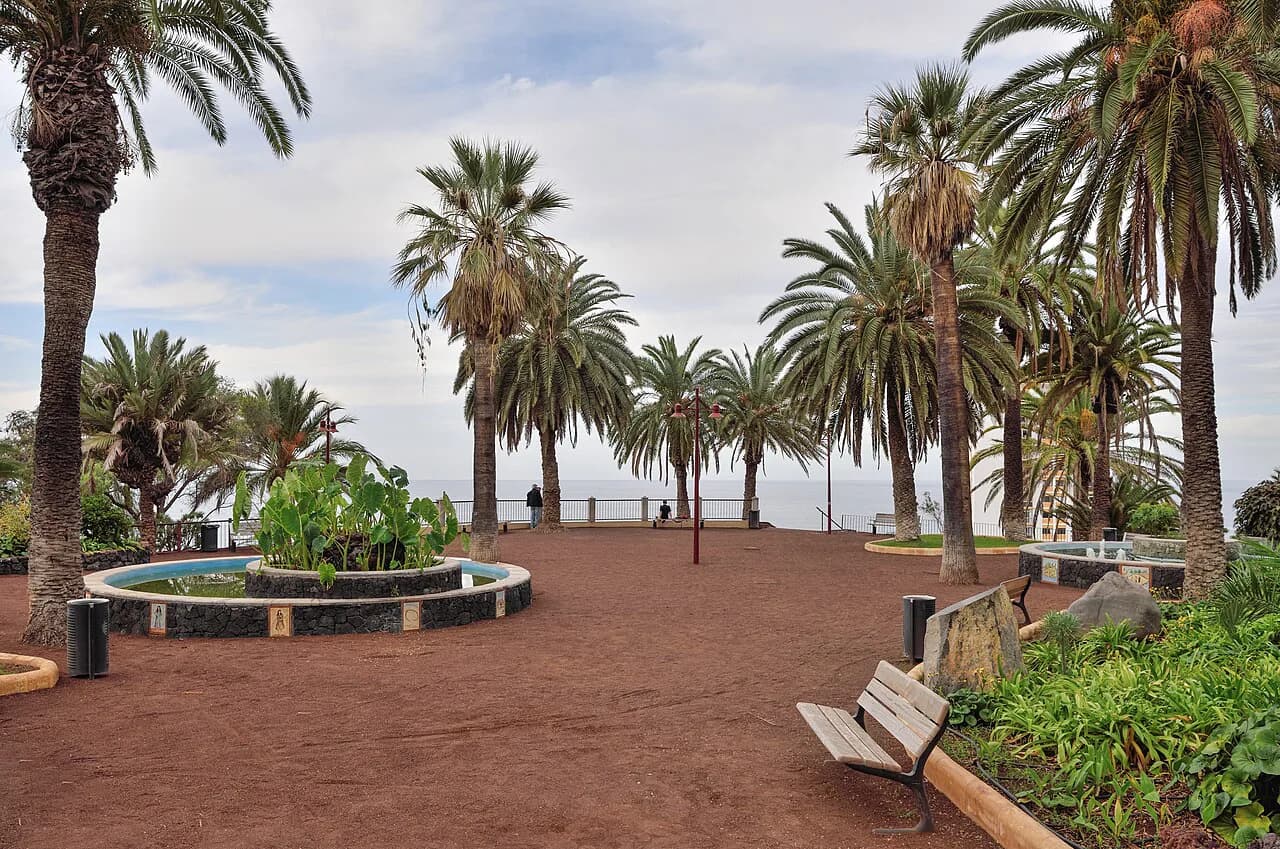
The Taoro hillside above the old town gives you the views looking back down over the rooftops, the sea and the coast towards the cliffs. Climb after the old town rather than before, so you finish with the wide view instead of starting with it and then descending into the lanes. The climb is the price you pay for the panorama; go slowly in the heat, and choose early morning or late afternoon rather than the middle of the day.
Coming into town from above shows you the shape of the place before you walk it, which is why the hillside position is worth the climb. It is also a reminder that the town sits between the coast and the slope, so a one-day route naturally zigzags rather than following one straight line.
A sample one-day route on foot
Start the morning with the cliff path towards Playa El Bollullo, using the Plaza Rotonda Aceviño approach if you have a car, and allow two to two and a half hours including a stop on the black sand. Walk back into town for the early afternoon and follow the sea in the newer part of town before lunch. Then spend the late afternoon on a self-guided loop through the old town and La Ranilla, ending with a drink near the Plaza del Charco. If you want to finish on a high, save the Taoro viewpoint for the last hour.
That order puts the coast before the heat peaks and leaves the shaded lanes for the afternoon, which matters in northern Tenerife when the sun is out. If you have a second day, swap the order and use the morning for the old town when it is at its quietest.
Free things to do in Puerto de la Cruz
Most of what makes the town attractive is free: the Plaza del Charco, Calle Puerto Viejo, the seafront, the La Ranilla lanes and the coastal path towards the cliffs cost nothing to walk. The municipal agenda carries the year-round rhythm of concerts on terraces, culture and craft events, so look at it while you are there and build the free sights around whatever is on. Even the Agatha Christie walk is simply a themed way of covering streets you can wander for nothing.
How long Puerto de la Cruz needs
Give Puerto de la Cruz at least a full day on foot, and two if you want the cliffs, the viewpoints and La Ranilla without rushing. The town can be covered in a tighter half-day if you stick to the Plaza del Charco, Calle Puerto Viejo and the seafront. A rushed visit misses the point of the town, which is slow wandering rather than a checklist.
If you have longer, the extra day goes to the coast and viewpoints, plus whatever is on in the town that week. That also gives you the flexibility to choose the calmer morning for the old town and the sunnier one for the cliffs.
Getting around and how to arrive from the airport
The centre is compact enough to walk everything on this route, and parking at the Plaza Rotonda Aceviño end is useful if you arrive by car for the coast walk. Getting from Tenerife's airports to Puerto de la Cruz depends on which one you fly into, and coach and bus operators publish their own schedules; confirm times with the operator on the day rather than relying on a remembered timetable.
For the town itself, treat the Plaza del Charco and Calle Puerto Viejo as your anchors and walk outwards from there. That keeps transport to a minimum and the day focused on the streets rather than the road.
Where to go next in northern Tenerife
Puerto de la Cruz makes a sensible base for the north of Tenerife, and the tourist office at Calle Puerto Viejo 13 keeps the current picture of what is on locally. If you are comparing towns across Spain for a city break, our guide to things to do in A Coruña covers a very different Atlantic port city, and things to do in Alcúdia shows how a walled old town on Mallorca works for a short break. Those guides help if you are weighing how things to do in a Coruña compare with a Tenerife base.
Book the coast walk first and build the day around it
The single decision that shapes a visit to Puerto de la Cruz is when to walk the cliff path towards Playa El Bollullo: do it in daylight, allow two to two and a half hours, and enjoy the black volcanic sand for what it is. Fit the old town, La Ranilla and the Taoro views around that, and the town works well for a short break without a car.
If you want the coast and the old town in a single afternoon rather than a day, the Puerto de la Cruz old town guide goes deeper on the Plaza del Charco and the lanes, while the town's own tourism site carries the current cultural calendar and contact details for the Calle Puerto Viejo office.
Explore more Puerto de la Cruz guides
Frequently Asked Questions
Is Puerto de la Cruz good for a short break without a car?
Yes. The old town around the Plaza del Charco, Calle Puerto Viejo, La Ranilla and the seafront are all walkable from the centre, and the cliff path towards Playa El Bollullo starts from the edge of town. A car is only useful if you want to park closer to the start of the coastal walk near Plaza Rotonda Aceviño.
What is there to do in Puerto de la Cruz at night?
The town's cultural calendar runs through the year with performing arts, music and literature events, so check the municipal agenda for what is on during your dates. Concerts on terraces are part of its year-round outdoor culture.
Does Puerto de la Cruz have a sandy beach?
Yes, and the sand is black volcanic rather than pale. The beach at Playa El Bollullo at the end of the cliff path is the main coastal stop on this route, and Playa María Jiménez sits closer to the old town for a shorter stop.
Sources
Notes for your next Spanish town break
Optional updates to our guides.
You might also like
Continue reading
More guides you'll find useful