Museums in Toledo: What to See and How Long to Allow
Toledo's museums and historic buildings that display art, with what each one holds, how long to allow and where to find free entry.
On this page
Toledo's most rewarding museum visits are historic buildings that display art rather than galleries built for the purpose. Start with the Sinagoga del Tránsito and the Museo del Greco, both in the old Jewish quarter, and add the Iglesia de Santo Tomé for El Greco's best-known painting. This guide sets out what each collection holds, how long to allow and which free-entry routes exist.
Most visitors should give the cluster of sights around the Jewish quarter half a day and treat the cathedral as a separate morning. Walking between them is short but steep, and a slow circuit rewards anyone who wants to stop and look rather than tick sites off a list.
Which museums in Toledo are worth your time: the short answer
Three stops repay the effort of a hillside walk: the Sinagoga del Tránsito for its 14th-century interior, the Museo del Greco for paintings by El Greco and his contemporaries, and the Iglesia de Santo Tomé for The Burial of the Count of Orgaz. Everything else in the city is a church, convent or small museum that suits a short look rather than a dedicated visit.
Plan on two to three hours for the first three stops together, with the walk between them taking only minutes. The Museo del Greco and the Sinagoga del Tránsito sit close together in the old Jewish quarter, so pairing them saves both time and steps.
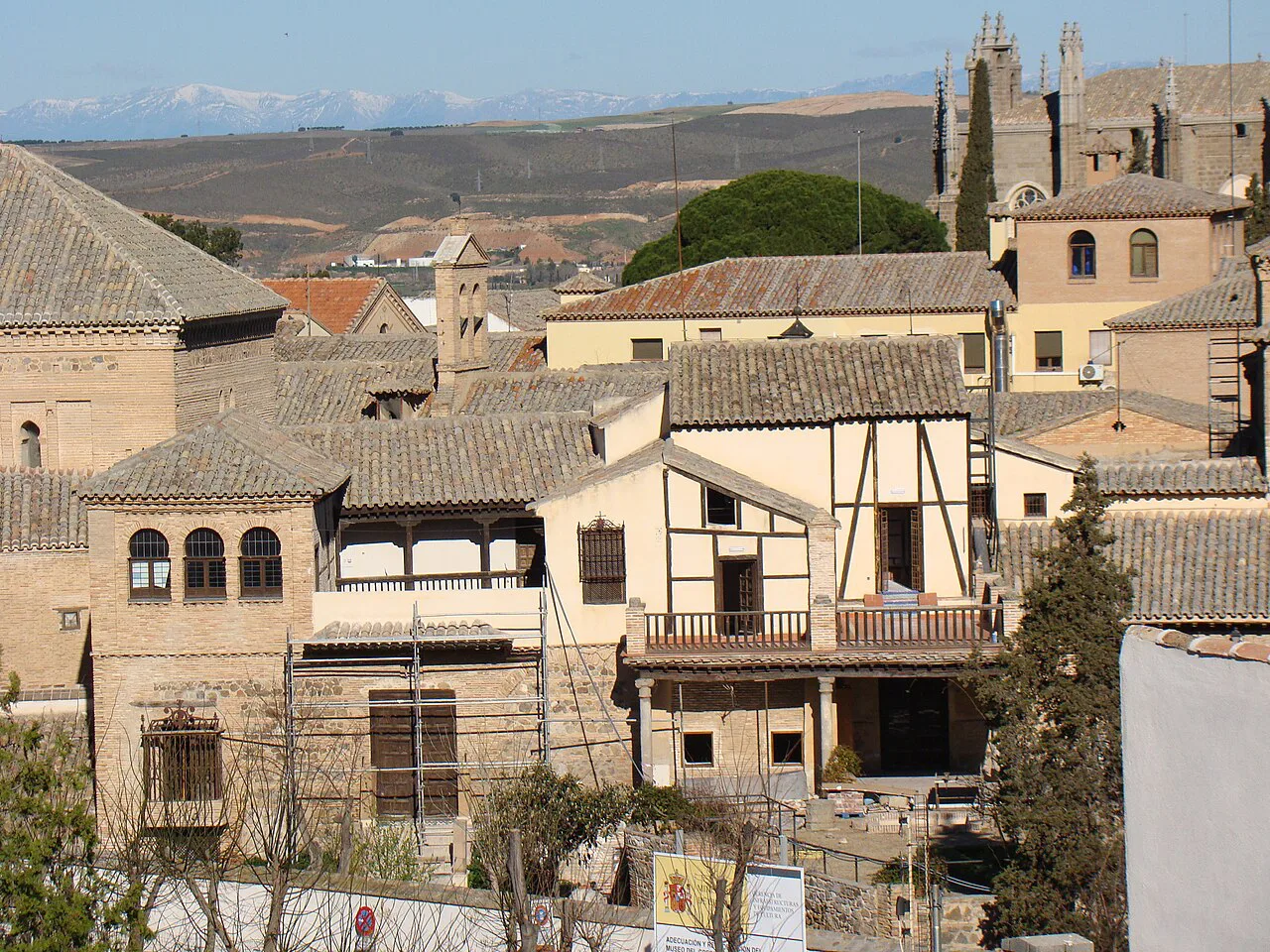
Museo del Greco: El Greco's paintings in a house rebuilt in the old Jewish quarter
The Museo del Greco is the city's dedicated home for El Greco and the painters who followed him, housed in a building in the old Jewish quarter that was reconstructed as a house-museum. It works best as a place to study brushwork and colour at close range, and the scale of the rooms means it rewards slow looking rather than a quick pass.
Allow roughly an hour for the paintings and the building. The Museo del Greco is a state-run museum, so its opening days and ticket prices are published by the museum itself; confirm them on its own pages before you travel.
Sinagoga del Tránsito: a 14th-century synagogue with Hebrew inscriptions and a coffered ceiling
The Sinagoga del Tránsito is the standout historic interior in Toledo: a 14th-century synagogue whose walls carry Hebrew inscriptions and whose main hall rises to a carved coffered ceiling. It belongs to the same Sephardic story that runs through the city's Jewish quarter, which makes it the natural companion to the Museo del Greco a few minutes away.
Give it around forty-five minutes to an hour, more if you read the displays on Sephardic life. Tickets and closing days are set by the building's own administration, so check the published information before setting out rather than relying on a guidebook.
Iglesia de Santo Tomé: the home of El Greco's Burial of the Count of Orgaz
The Iglesia de Santo Tomé holds The Burial of the Count of Orgaz, the El Greco canvas most visitors come to Toledo to see. The church is small, so the painting dominates the visit; expect to be inside for less than half an hour unless you linger.
Because the church is still a working parish, visitor access can give way to services. Check the current visiting hours before your trip and avoid arriving just as a mass begins.
Iglesia de San Juan de los Reyes: a Gothic church and cloister rather than a museum
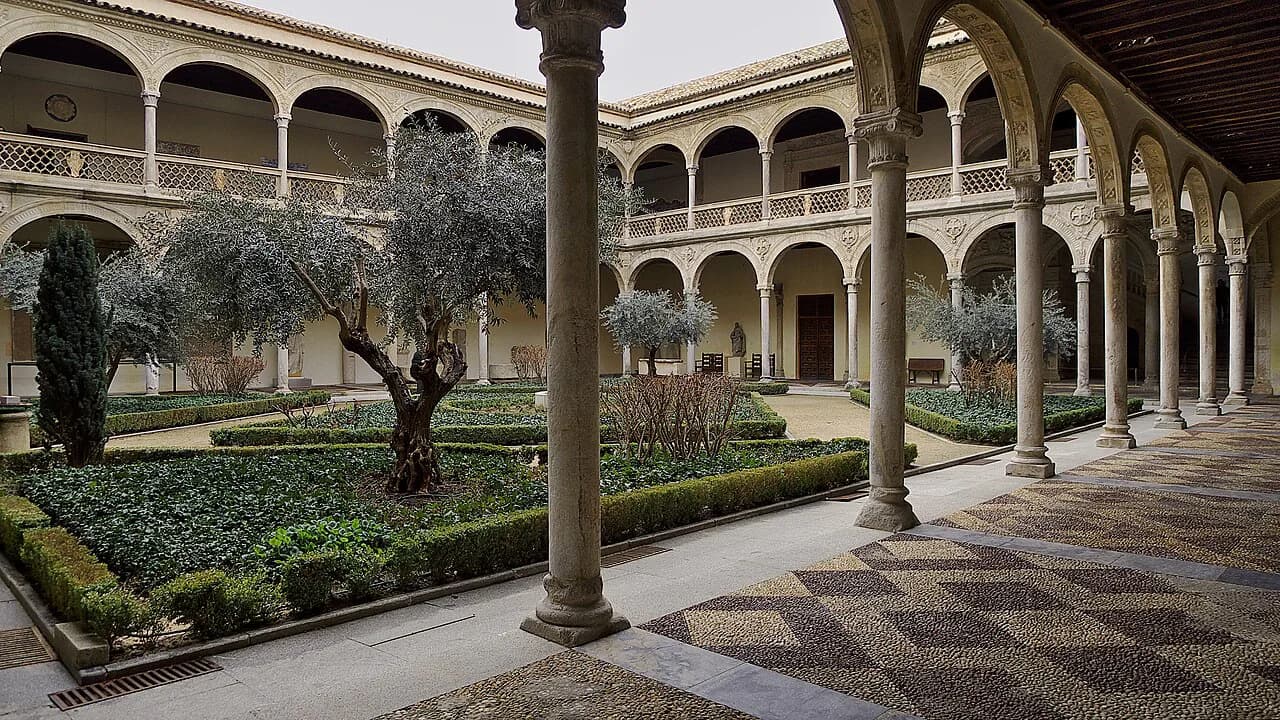
San Juan de los Reyes is a late Gothic church with a two-tier cloister, not a museum with glass cases. Its appeal lies in the architecture itself, and it makes a calm stop between the Jewish quarter and the river.
Allow half an hour, longer if you walk the cloister slowly. The church follows worship hours, so plan around them rather than assuming an all-day visitor schedule.
Mezquita del Cristo de la Luz: the small former mosque with Romanesque wall paintings
The Mezquita del Cristo de la Luz is a tiny former mosque whose interior preserves Romanesque wall paintings, a rare survival in a city of churches. Visiting takes only a few minutes, but the gardens around the building give a good view back across the city towards the Puerta del Sol.
The interior is normally visited on a timed entry or as part of the city's tourist bracelet, and a free guided visit runs once a week through the Consorcio de Toledo. To join the free slot, phone 925253080 to confirm availability and times before you plan your day around it.
Museo del Queso Manchego: a cheese museum rather than an art collection
Museo del Queso Manchego is a small museum about Manchego cheese, a different proposition from a gallery of paintings. It suits travellers curious about Castilla-La Mancha's most famous food product and takes very little time to see.
Check its opening days and admission before you go, since it is an independent operation rather than a public institution.
The free-entry routes: the cathedral nave on weekday mornings and the Toledo Tourist Bracelet
The Catedral de Toledo charges for the full visit, but there is a free way into the nave. From Monday to Friday, between 8:00 and 9:15, you can enter through the Puerta del Reloj, the door used for services, and walk the nave; the chapels and sacristy stay closed.
The exterior is free at any hour and best seen from the Plaza del Ayuntamiento, and from this side the cathedral reads as the monument it is. For everything inside, check the cathedral's own current prices and hours rather than assuming last year's figures.
The Toledo Tourist Bracelet bundles several monuments into one ticket. Which sites it covers and what it costs are set by the city's tourist authorities, so compare the bracelet price against the individual ticket prices before you decide which is better for your itinerary.
Pairing the Jewish quarter museums on one walk
Link the Sinagoga del Tránsito, the Museo del Greco and the Iglesia de Santo Tomé into a single loop in the old town. The three sit within a few minutes of each other, and the streets between them pass the arched gateways that make the quarter worth wandering.
Start from the Plaza de Zocodover at the heart of the city and walk downhill into the quarter, then climb back slowly. The order matters more for stamina than for opening hours; doing the steepest stretch first leaves you fresher for the museums.
Practical points: siesta-hour closures, Monday closures and summer midday heat
Churches and small museums in Toledo often close for part of the afternoon and follow worship hours rather than fixed visitor schedules, a pattern common across the region. Build a flexible morning around the fixed stops and leave the afternoon for walking and viewpoints.
Mondays are a common closing day for museums in many Spanish cities, so check each museum's own calendar before you lock in a route that depends on it. A printed plan is no substitute for a current check on the day.
The city's hills give it a steady climb, and summer midday heat can make an open plaza feel punishing. Visit the interiors in the morning, take a long lunch, and view the outdoor sites later.
Which Toledo museums to build your day around
Build your morning around the Sinagoga del Tránsito and the Museo del Greco, then add the Iglesia de Santo Tomé for the El Greco painting and the cathedral nave on a weekday between 8:00 and 9:15. Smaller stops such as the Mezquita del Cristo de la Luz and San Juan de los Reyes fill the edges of the day efficiently.
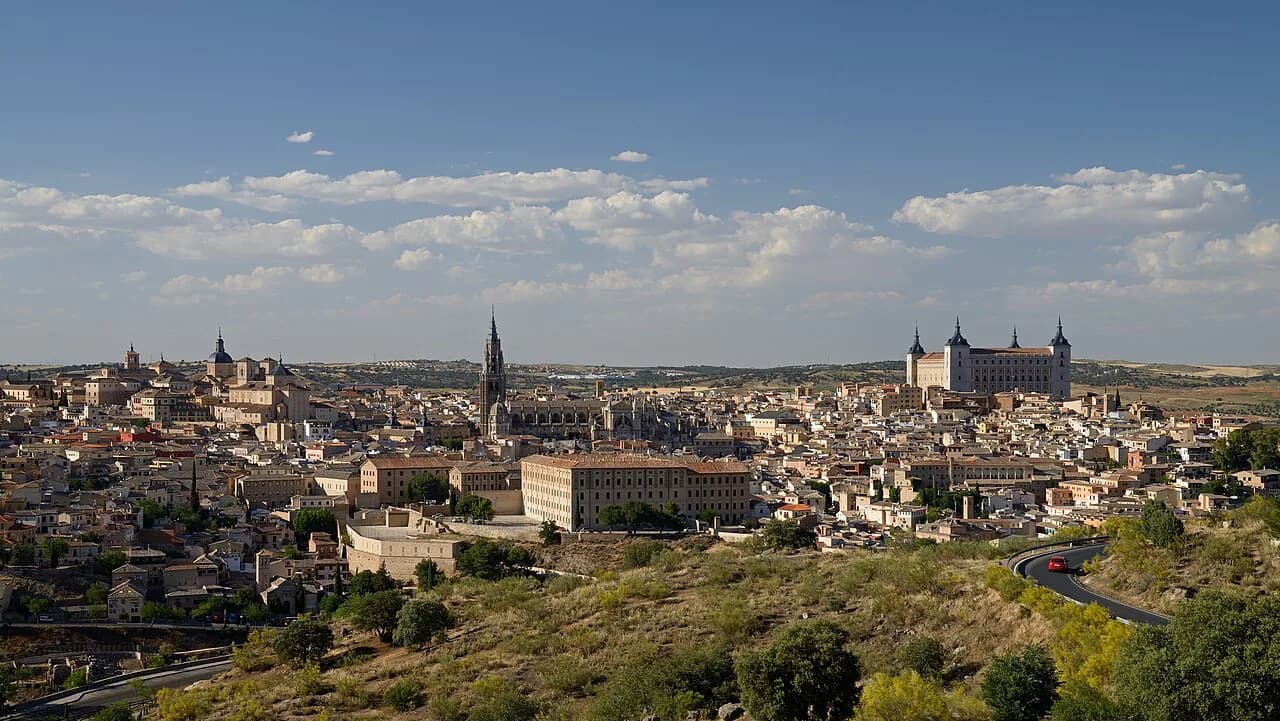
Toledo old town is easy to reach by train from Madrid, making the city a workable short break from a Spanish city base. The city's steep lanes mean sensible shoes and a paced plan will serve you better than a long list of sights.
Explore more Toledo guides
Frequently Asked Questions
What is a must-see in Toledo, Spain?
The Sinagoga del Tránsito is the standout interior and should anchor any short visit, with the Iglesia de Santo Tomé for El Greco's painting close behind. The cathedral nave is free on weekday mornings when entered through the Puerta del Reloj.
Is the Alcázar in Toledo worth visiting?
Check opening hours and admission for the Alcázar directly before you go, since visitor access and tour arrangements can change. Allow at least an hour for the building and its displays.
Is the Toledo Glass museum free?
Check the museum's own site or the city tourist office for current admission, and compare it with the Toledo Tourist Bracelet if you plan to visit several monuments in one day.
How long do the Jewish quarter museums take?
Allow about an hour each for the Sinagoga del Tránsito and the Museo del Greco, and half an hour for the Iglesia de Santo Tomé. The three sit within a few minutes of each other in the old town.
Sources
Notes for your next Spanish town break
Optional updates to our guides.
You might also like
Continue reading
More guides you'll find useful