Santa Cruz de Tenerife Old Town: A Walking Guide
Walk Santa Cruz de Tenerife's old town from Plaza de España to Las Ramblas and García Sanabria, with named streets, squares and a sensible order for the day.
On this page
Santa Cruz de Tenerife's old town is a compact grid of pedestrian streets, and a morning and afternoon on foot covers its squares, churches and boulevards comfortably. The historic core clusters around Plaza de España and Plaza de la Candelaria, with the señorial streets behind them running up to Las Ramblas and Parque García Sanabria. This guide orders the walk street by street, separates the historic centre from nearby El Toscal, and flags which sights sit well outside it.
Distances are short: from the harbour front at Plaza de España to the García Sanabria park is a continuous walk of a couple of kilometres through the centre, so the route matters more than the mileage. Plan the museums and churches for the middle of the day and keep the boulevards for the edges, when the light softens.
What the old town covers
The historic quarter runs inland from Plaza de España, the broad square that faces the port, through Plaza de la Candelaria and the lanes behind it. The Palacio de la Carta, an old post house with glazed wooden balconies, opens onto the square and is one of the finest timber ensembles in the Canaries. From there the pedestrian centre climbs gently north towards Las Ramblas.
Most of what a short break visitor wants sits within this band, but the municipal boundary is wider than the old town. Las Teresitas beach and the Palmetum botanic garden lie beyond the centre and need separate time. A Santa Cruz de Tenerife map helps fix the order before you set out.
The city is the capital of Tenerife and the natural base for the island's northern towns, with La Laguna a short hop inland. If you are weighing where to spend a night, the wider Things to Do in Santa Cruz de Tenerife is the better starting point than the old town alone.
Plaza de España and Plaza de la Candelaria
Begin at Plaza de España, the wide square that once lay beside the sea and now forms the gateway to the centre. Its scale makes it a good orientation point: the pedestrian streets fan out from here towards La Candelaria and the shopping grid.
Cross into Plaza de la Candelaria, the civic heart where the day's errands and meetings happen, and note the Iglesia de Nuestra Señora de la Concepción just behind it. The church was built in the sixteenth century and has fourteen chapels inside, with a carved wooden ceiling and a facade that carries Canarian balconies.
Check the notice at the church door on the day, since worship takes priority over visits and tourists are asked to keep out during mass. That rhythm shapes a walk more than any timetable.
The lanes of the old quarter and the Castillo gallery
Behind La Candelaria the streets narrow and the city feels older, with the Concepción church anchoring a cluster of small squares and side lanes. Towards the centre you pass the Castillo de San Cristóbal, the sixteenth-century fortification whose underground gallery preserves a cannon linked to the legend of Nelson losing his arm in the failed assault on the island; treat it as a landmark and a possible indoor stop rather than a guaranteed tour.
This is the densest part of the old town for corners, doorways and balcony details, so allow time simply to wander rather than ticking stops. The lanes also offer shade during the hottest hours, when the exposed squares are better avoided.
The market and Plaza del Chicharro
North of the centre, the Mercado de Nuestra Señora de África, known locally as La Recova, holds a small carving of the Virgen de África and rows of stalls selling Canarian cheeses, cured meats and wine. It is a working market rather than a museum piece.
The small Plaza del Chicharro sits close by, a modest square that works as a breather between the market and the shopping streets south of it. Together with the market lanes it marks the northern edge of the historic walk.
Teatro Guimerá and the streets around Calle del Pilar
The Teatro Guimerá, which opened in 1851 in a former Santo Domingo convent, is the oldest theatre in the Canaries and the cultural anchor of the streets behind La Candelaria. Even from the pavement its facade is worth the detour.
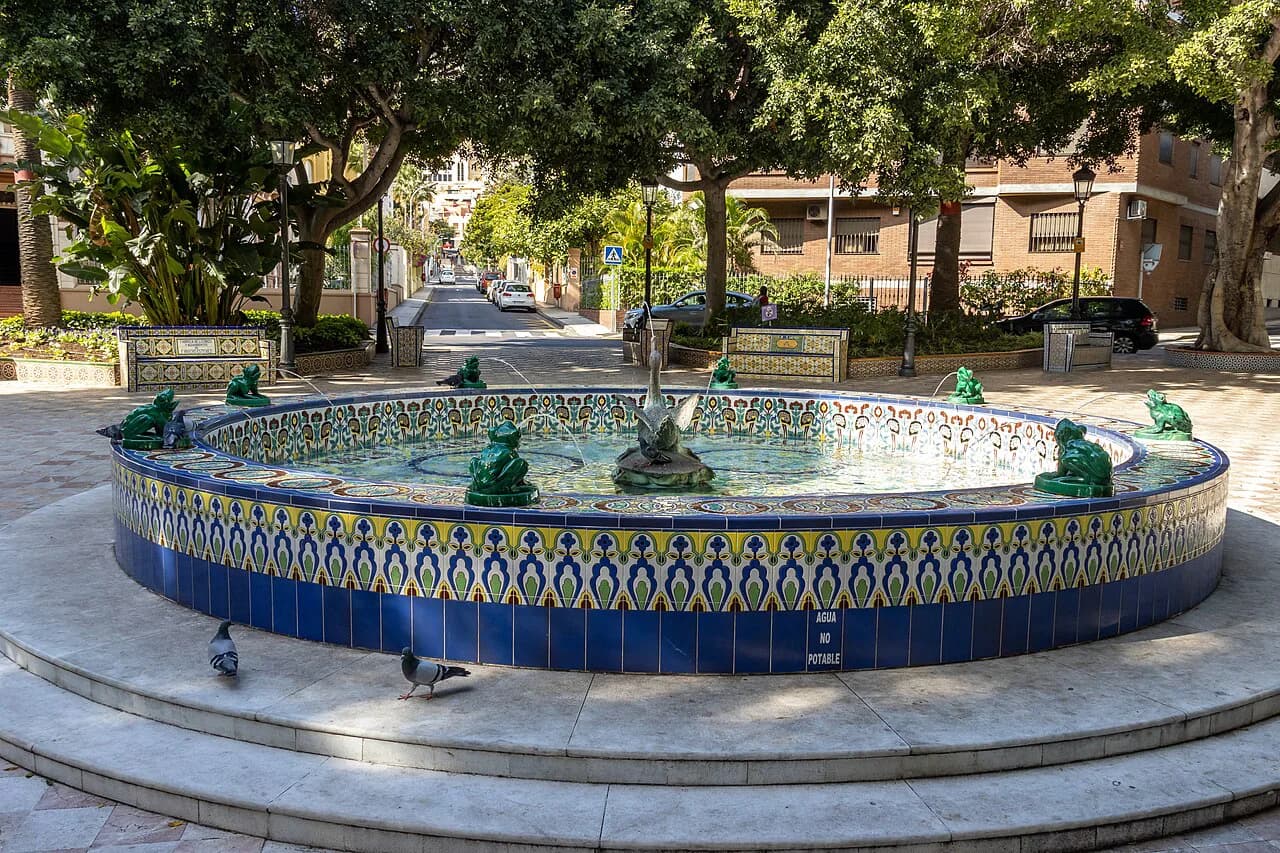
Around Calle del Pilar the walk passes Plaza Ireneo González and the Parroquia de Nuestra Señora del Pilar, one of the few surviving pre-nineteenth-century buildings in this part of the city. Nearby, the Anglican church of San Jorge stands on the Plaza de los Patos, a small circular square with a ceramic fountain at its centre.
These are residential, working streets rather than a monument trail, and the appeal is in the balconies, the shopfronts and the sudden small squares. Walk them slowly and let the route bend.
Las Ramblas and Parque García Sanabria
Las Ramblas is the city's grand boulevard, a tree-covered avenue lined with street sculpture accumulated over half a century of sculpture exhibitions. It runs from the centre up towards Parque García Sanabria, and walking it is the most rewarding single stretch in the old town.
Parque García Sanabria is the city's green lung, with gardens, a central fountain and a sculpture collection of its own. It makes a natural turning point: rest here before heading back through the shopping streets.
Plaza Weyler, Plaza del Príncipe and the pedestrian centre
Coming back down, the pedestrianised core between Plaza Weyler and Plaza del Príncipe de Asturias is where the city feels most polished. Recent replanning has given priority to walkers around the Plaza del Príncipe, and the surrounding streets are made for slow progress.
Plaza Weyler marks the boundary between the shopping grid and the older lanes, and it is a useful reference point if the group splits up. From here the harbour and the tram line are both a short walk.
Modern additions on the edge of the historic core
Two modern institutions sit within reach of the old town: TEA Tenerife Espacio de las Artes, a contemporary art centre opened in 2003, and MUNA, the Museo de Naturaleza y Arqueología, which holds a major collection on the natural and cultural history of the Canaries and their earliest inhabitants. Both are indoor stops and suit the middle of the day.
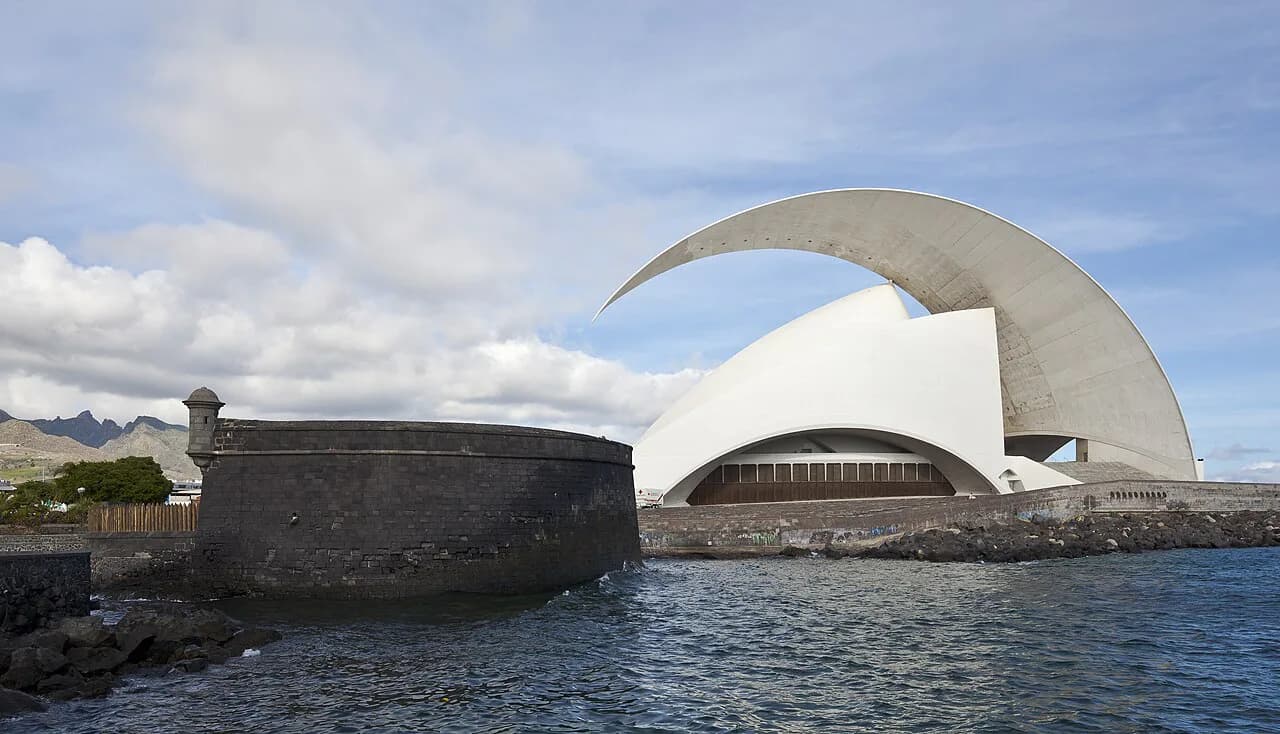
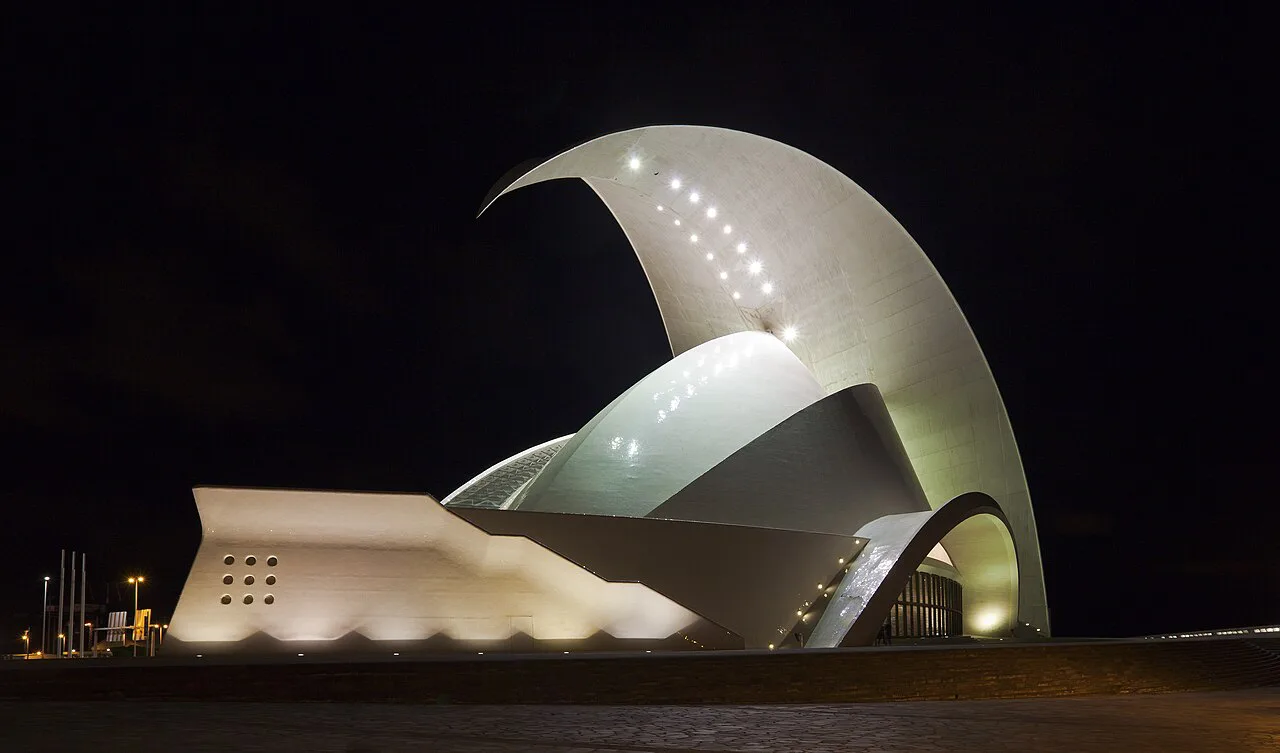
On the waterfront, the Auditorio de Tenerife Adán Martín, completed in 2003 and home to the island's symphony orchestra, is the city's most recognisable modern building. The Castillo de San Cristóbal gallery, meanwhile, anchors the historic end of the walk.
A practical walking order for a morning and afternoon
Start at Plaza de España and the Palacio de la Carta in the morning, cross to La Candelaria and the Concepción church, then work north through the market lanes. Break for the middle of the day indoors, at TEA or MUNA, before returning through the pedestrian centre.
In the afternoon take Las Ramblas up to Parque García Sanabria and come back down through Plaza Weyler and Plaza del Príncipe. This order keeps the sun behind you on the boulevard and leaves the Castillo gallery for the later part of the day, when the streets are cooler.
To reach the start, the tram runs to the La Paz stop on Rambla de Pulido, from where Las Ramblas and the park are a short walk, and the historic centre is a little further on. Walking times within the centre are minutes rather than kilometres, so a full day leaves room for two museums.
Where the old town ends: El Toscal and the ciudadelas
East of the centre, El Toscal is the historic neighbourhood that most visitor lists skip. Its ciudadelas, modest late-nineteenth-century houses grouped along long pedestrian corridors, survive best around the Pasajes de Pisaca and the streets Ravina and Santiago.
The area is uneven in condition, with some streets restored and others waiting their turn, which is part of why it feels different from the polished centre. Add it as an extension rather than a substitute for the main walk.
What costs money, what is free, and when to go
Admission charges for TEA, MUNA and the Castillo de San Cristóbal gallery are set by each institution, so check the current price with the museum itself rather than relying on an old figure. Churches such as La Concepción are places of worship first and may close to visitors during services.
The squares, Las Ramblas, the market and the parks cost nothing to walk through, which makes the historic centre an inexpensive day even if you skip the ticketed museums.
Timing matters more than budget: Santa Cruz is warm at midday in summer, so reserve the exposed squares for morning and late afternoon, and expect quieter streets during the afternoon lull.
Which route should you walk first?
Walk the core route first: Plaza de España, La Candelaria and the Concepción lanes, then Las Ramblas to García Sanabria. It gives you the shape of the old town in half a day and shows you where to spend the rest of your time.
Add El Toscal, TEA or MUNA once the centre is familiar, and treat Las Teresitas and the Palmetum as separate outings. If the city leaves you wanting more island towns, the best towns in Tenerife are a short bus or tram ride away. Check opening times and admission at each museum or church before you set out, and use the wider Things to Do in Santa Cruz de Tenerife to plan the rest.
Explore more Santa Cruz de Tenerife guides
Frequently Asked Questions
Is Santa Cruz de Tenerife's old town walkable in a day?
Yes. The historic core, from Plaza de España through La Candelaria and up Las Ramblas to Parque García Sanabria, is a continuous walk of a couple of kilometres. A morning and afternoon leaves time for one or two museums.
Do you need tickets for the churches in the old town?
Churches such as Nuestra Señora de la Concepción are working places of worship, and visits may be suspended during services. Check the notice at the door on the day; museum admission is set by each institution.
What is outside the old town?
Las Teresitas beach and the Palmetum botanic garden lie beyond the centre and need separate time, as does the El Toscal neighbourhood east of the historic core. The Auditorio and TEA sit on the edge of the centre.
Sources
Notes for your next Spanish town break
Optional updates to our guides.
You might also like

Continue reading
More guides you'll find useful