Things to Do in Santa Cruz de Tenerife: Plazas, Streets and the Coast
Plan a short break in Santa Cruz de Tenerife with the plazas, market and city sights worth your time, plus how the city is laid out and where to start.
On this page
Santa Cruz de Tenerife suits one focused day on foot, built around the plaza cluster in the centre and a short run out to the coast at San Andrés. It is one of the two capitals of the Canary Islands, sharing the role with Las Palmas de Gran Canaria, and it works best as a city stop woven into a wider island trip rather than a resort in its own right. This guide groups the sights by area, explains the market and the plazas in turn, and sets out how the centre and the coast fit together.
The city's advantage for a British short break is that the historic core is compact and walkable, while the beach and the marine park sit a bus or car ride east. Plan the centre for the middle of the day and the coast for the morning, when the market is still open and the light is kinder. Everything below is drawn from what the city and island tourism boards publish about the place.
What to see in Santa Cruz de Tenerife: the short answer
Give Santa Cruz a full day if you want the plazas, the market and a look at the coast; give it an afternoon if you only want the centre. The essential stop is the cluster of squares and pedestrian streets between Plaza de España and Plaza de la Candelaria, which you can cover on foot without transport. Add the Mercado de Nuestra Señora de África in the morning and Playa de las Teresitas at San Andrés if the day allows.
The tourism board's own one-day route divides the city into a morning at the beach, a midday return for shopping and the market, and an afternoon walk through the best-known squares. That shape is a sensible template because it keeps the coast and the centre in separate halves of the day rather than trying to do both at once. It also puts the market at the hour when it is actually open.
How the city is laid out: Plaza de España, Plaza de la Candelaria and the streets between
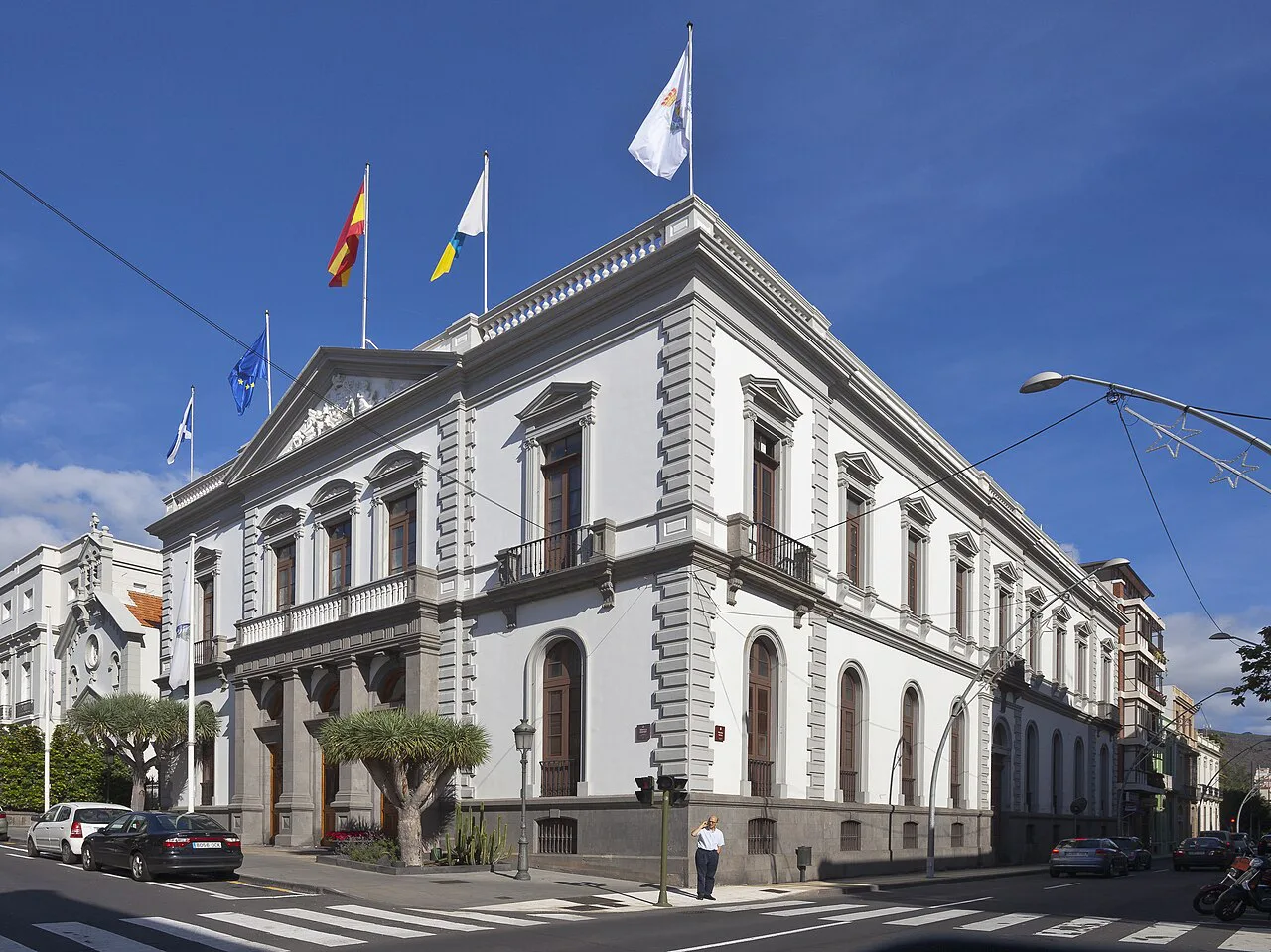
The centre reads as a chain of squares linked by short streets, which makes orientation easy once you know the order. Plaza de España is the largest and most open of them, sitting at the edge of the historic core, and the pedestrian Calle del Castillo runs through the shopping heart of the city nearby. From there you can reach Plaza de la Candelaria, Plaza Weyler and Plaza del Príncipe de Asturias in a continuous walk. Our Santa Cruz de Tenerife Old Town guide takes the core street by street if you want more detail before you go.
For a mental picture before you arrive, treat the centre as a loop rather than a grid: start at Plaza de España, work north-east through the smaller squares and return along the shopping streets. Our Santa Cruz de Tenerife Map shows how these pieces sit together, which helps when you are deciding what to cut on a short visit. It is also worth noting that the wider urban area runs far beyond the old centre, so keep your walking ambitions to the core.
The city has a population of more than 200,000, which explains why the centre feels like a working Spanish city rather than a tourist village. Expect traffic on the approaches and a busy shopping district in the middle of the day, with quieter squares once you step off the main retail streets.
Mercado de Nuestra Señora de África: what the market is and when it opens
The Mercado de Nuestra Señora de África is the city's emblematic market, set in a striking orange building and packed with produce, crafts and prepared food. It opens in the mornings only, so it belongs at the start of your day rather than the end. Inside, expect a crowded, noisy hall where the appeal is the bustle as much as the shopping.
The stalls run from fruit, vegetables, meat, cheese and herbs to handmade crafts sold by the people who make them, which makes the market a practical stop for picnic supplies and small souvenirs at once. Food is prepared on site and can be eaten there or taken away, so it doubles as a midday option without committing you to a restaurant. If crowds and noise overwhelm you, go early and treat it as a quick circuit rather than a long browse.
Plaza de España and the Castillo de San Cristóbal remains beneath it
Plaza de España hides one of the city's most easily missed sights: the remains of the Castillo de San Cristóbal, preserved in a gallery beneath the square. Walk across the surface and you see an open urban space; go below and you see the old fortification. It is the kind of detail that rewards readers who know about it before arriving, because nothing about the square's appearance announces what lies underneath.
Treat the square as the anchor of a centre walk: see the underground gallery, then move on through the surrounding streets towards the smaller plazas. Check the underground gallery's access arrangements on the day, since a museum space below a public square can close for reasons that have nothing to do with tourism. Allow a short stop rather than a long one, and keep the rest of the afternoon for the squares beyond.
Plaza de la Candelaria, Plaza Weyler and Plaza del Príncipe de Asturias
These three squares give the centre its character and are best taken in sequence rather than as separate destinations. Plaza de la Candelaria, Plaza Weyler and Plaza del Príncipe de Asturias each offer a place to sit between sights, and the walking between them passes through the streets that make up the old town. An afternoon spent moving slowly through them, rather than rushing, is the honest way to see the centre.
Plaza del Príncipe de Asturias stands out for its pavilion and the trees around it, which makes it a useful pause in the middle of a city day. The birdsong and shade give it a different feel from the open expanse of Plaza de España, so it is worth keeping in the plan as a rest stop rather than a photo stop.
Calle del Castillo: the pedestrian shopping street
Calle del Castillo is the city's key shopping street: pedestrianised, lined with palms, and mixing independent shops with larger chains. It is a street to walk rather than a sight to tick off, and it links naturally with the plaza circuit. If you want a break from monuments, this is where the city feels most ordinary and most alive.
Independent shops along the street are the more interesting half of the offer, and browsing them costs nothing. Keep the street as a midday or late-afternoon activity when the heat is at its peak and you would rather be in and out of shops than standing in an exposed square.
Playa de las Teresitas and San Andrés
Playa de las Teresitas belongs to Santa Cruz but sits in the village of San Andrés, east of the centre, and it is the city's best-known stretch of sand. Its palms, calm water and full range of services make it an easy coastal stop, and the imported golden sand gives it a look unlike the island's volcanic beaches. It is a place to swim or walk rather than a beach guide in itself, so treat it as one item in a day that also includes the centre.
Because San Andrés is separate from the centre, the sensible plan is to pair it with the morning and come back into the city for the market and the squares. The alternative, doing the centre first and the coast later, works too but leaves the beach in the hotter part of the day.
Parque Marítimo César Manrique
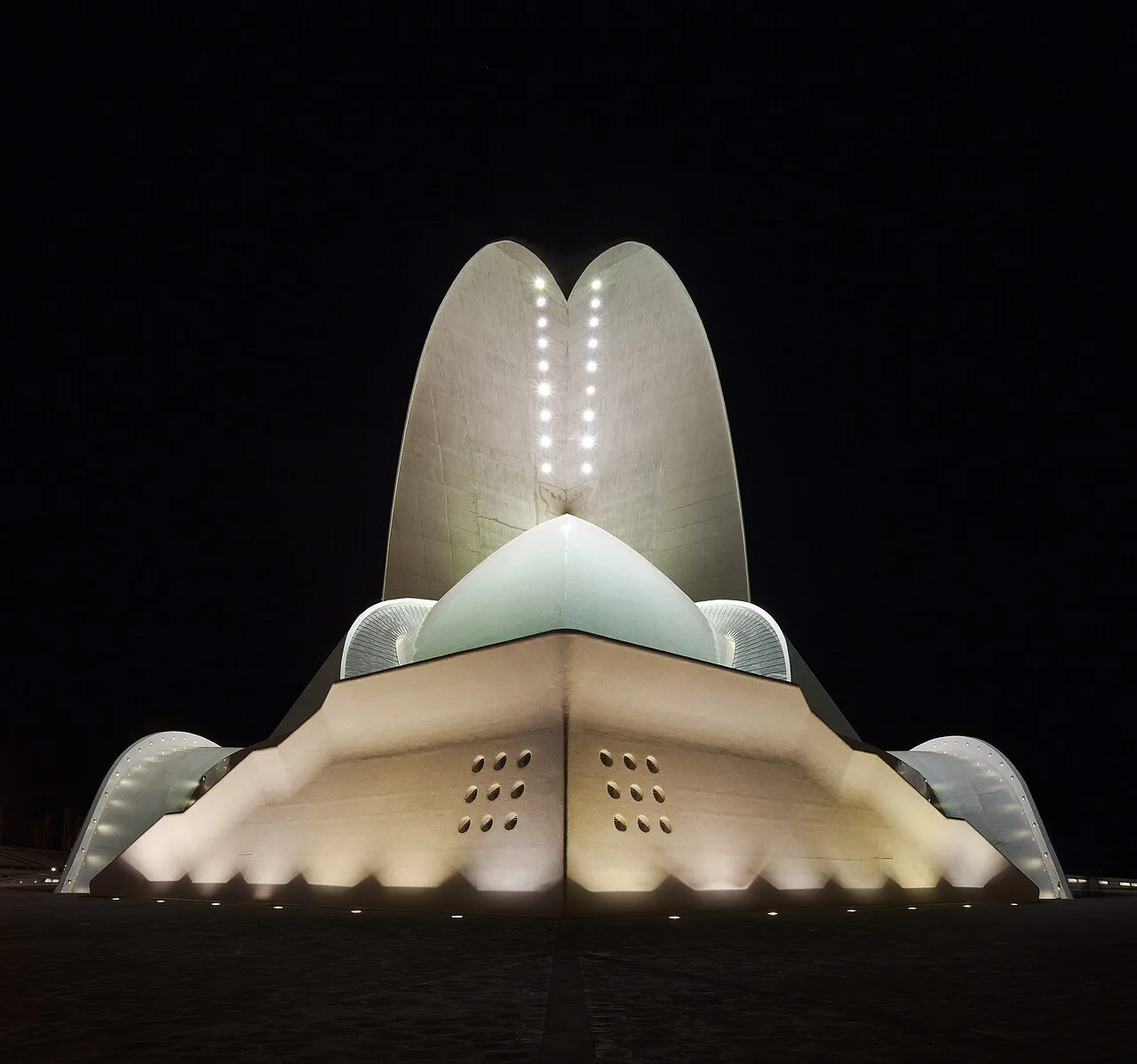
The Parque Marítimo César Manrique is a complex of pools with artificial waterfalls and views out over the water, and it offers a swim without the open sea. It is the alternative for anyone who wants to bathe but prefers a controlled environment to a beach. The complex sits within the city rather than out at San Andrés, so it slots into a centre-based day more easily.
Entry arrangements and pool opening vary with the season, and the tourism board does not publish a single fixed schedule for them, so confirm on the day before building your afternoon around a swim. If you are travelling with children or want a shorter excursion from the centre, this is the more convenient choice than a trip out to the coast.
Centro de Deportes Marinos: diving, snorkelling, surfing and paddle-surfing from the city
For something more active than a pool, the Centro de Deportes Marinos is the city's base for diving, snorkelling, surfing, sailing and paddle-surfing. It concentrates the water-sports offer in one place instead of scattering it along the coast, which makes it straightforward to book a session from the centre. If you have a free morning and want to be in the water rather than looking at it, this is the practical option.
Sessions depend on sea conditions and on what the operators have running that day, so treat this as something to arrange rather than something to assume. Book or enquire before you plan the rest of the day around it, and keep a walking alternative in reserve in case the water is unsuitable.
A sample day on foot: morning, midday, afternoon
Start at the market while it is open, then walk the plaza circuit from Plaza de España through to Plaza del Príncipe de Asturias, using Calle del Castillo as the link between shopping and squares. Pause in the underground gallery beneath Plaza de España before moving on. That sequence keeps you on foot for the core of the city and leaves the coast or the pools for whichever half of the day suits the weather.
The tourism board's own shape runs the other way round: a morning at the beach, a midday return into the city for shopping and the market, then an afternoon walk through the best-known squares. That order keeps the coast and the centre in separate halves of the day and puts the market at the hour when it is open. If you would rather not travel out to San Andrés, swap in the Parque Marítimo or a water-sports session and keep the day compact. Either way, build in a proper sit-down in one of the squares rather than treating them as backdrops.
How long Santa Cruz needs on a short break
One full day covers the centre and one coastal or water-based stop comfortably; half a day covers the plazas and the market. The tourism board frames the city as a minimum 24-hour visit within a longer island trip, which matches the scale of the sights. If you are combining Santa Cruz with La Laguna, Tenerife, keep the capital for the plazas and the coast and give the university city its own half-day.
A shorter stop, such as an afternoon between other plans, should focus on the plaza cluster and the underground gallery and skip the coast entirely. Trying to fit the market, the squares, San Andrés and a swim into a few hours produces a rushed day in a city that rewards a slower pace.
Getting in from the south of the island: car and bus
The southern resorts lie roughly an hour's drive from Santa Cruz, which is why many visitors based in the south treat the capital as a detour. By car, the main TF1 motorway runs up to the city and the route is straightforward; the difficulty is parking once you arrive. Central multi-storey car parks exist, but the centre gets busy during the day, so arriving early gives you a better chance of a space.
Buses run from the southern resorts to a stop in the city centre, which removes the parking problem and the need to watch the road. Journey times and fares change, so check the current timetable and price with the operator before you travel rather than relying on older figures. The trade-off is simple: the car gives you flexibility for the rest of the island, the bus gives you a stress-free arrival in the centre.
Where Santa Cruz fits with the rest of Tenerife
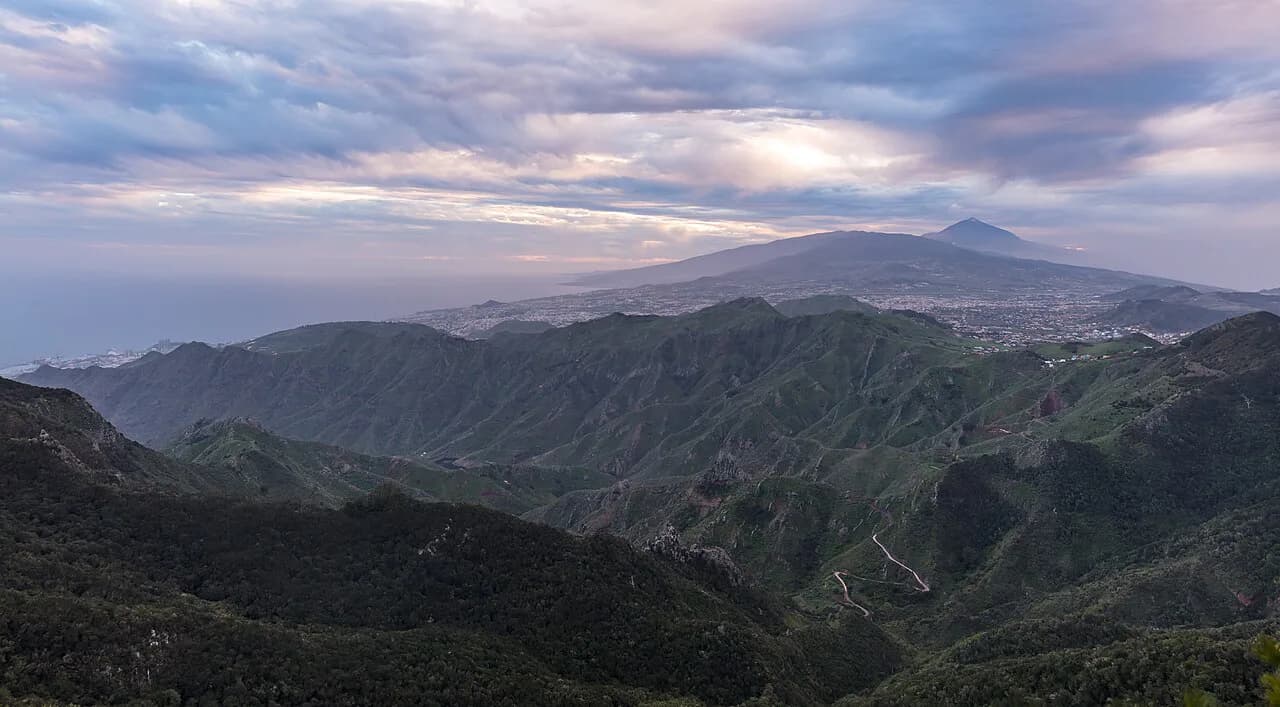
Santa Cruz works well as a base for exploring the island by car, sitting in the north-east with access to the rest of Tenerife. It is a city stop, not a beach resort, so pair it with the island's smaller towns and with the Anaga Rural Park if you want landscape as well as streets and squares. The best towns in Tenerife list is the place to look when you are choosing how to split your nights.
The Carnaval is the city's best-known event and draws crowds, so time your visit around it deliberately rather than by accident. For a quieter city break with a similar plaza-and-harbour shape, the things to do in A Coruña make a useful comparison on the Spanish mainland.
Should you base yourself in Santa Cruz?
Base yourself in Santa Cruz if you want a working city with plazas, a market and quick access to the rest of Tenerife by car; look elsewhere if you want a resort on the sand. The centre delivers a solid day on foot, and the coast at San Andrés adds a second half-day without much effort. What it does not offer is the beach-first holiday that the southern resorts are built around.
The practical decision is whether to arrive by car or bus, and that depends on the rest of your itinerary rather than on Santa Cruz itself. If the island is the point of the trip, the car wins; if the capital is a single stop, the bus removes the parking problem. Either way, the market in the morning and the squares in the afternoon remain the shape of the day.
Explore more Santa Cruz de Tenerife guides
Frequently Asked Questions
What is so special about Santa Cruz de Tenerife?
It is one of the two capitals of the Canary Islands, alongside Las Palmas de Gran Canaria, and it combines a walkable historic centre of linked squares with a working market and a coastline at San Andrés. The Castillo de San Cristóbal remains beneath Plaza de España are the detail most visitors miss.
Is Santa Cruz de Tenerife worth visiting in November?
The city's appeal is its streets, squares and market rather than its weather, so it remains a sound city stop outside the summer months. Wet or windy days push you towards the market, the squares and the shopping street, while the coast and pools are better saved for clearer weather.
Which is nicer, Santa Cruz or Puerto de la Cruz?
They serve different trips. Santa Cruz is a capital city with plazas, a market and a commercial centre, while Puerto de la Cruz is a resort town on the north coast. Choose Santa Cruz for a city day and Puerto de la Cruz if you want to stay near the coast.
Sources
Notes for your next Spanish town break
Optional updates to our guides.
You might also like
Continue reading
More guides you'll find useful