Setenil de las Bodegas: Streets Built Under Rock
Setenil de las Bodegas in Cádiz is a white town built beneath rock overhangs. Here are its cave streets, viewpoints and castle tower, and how to plan a visit.
On this page
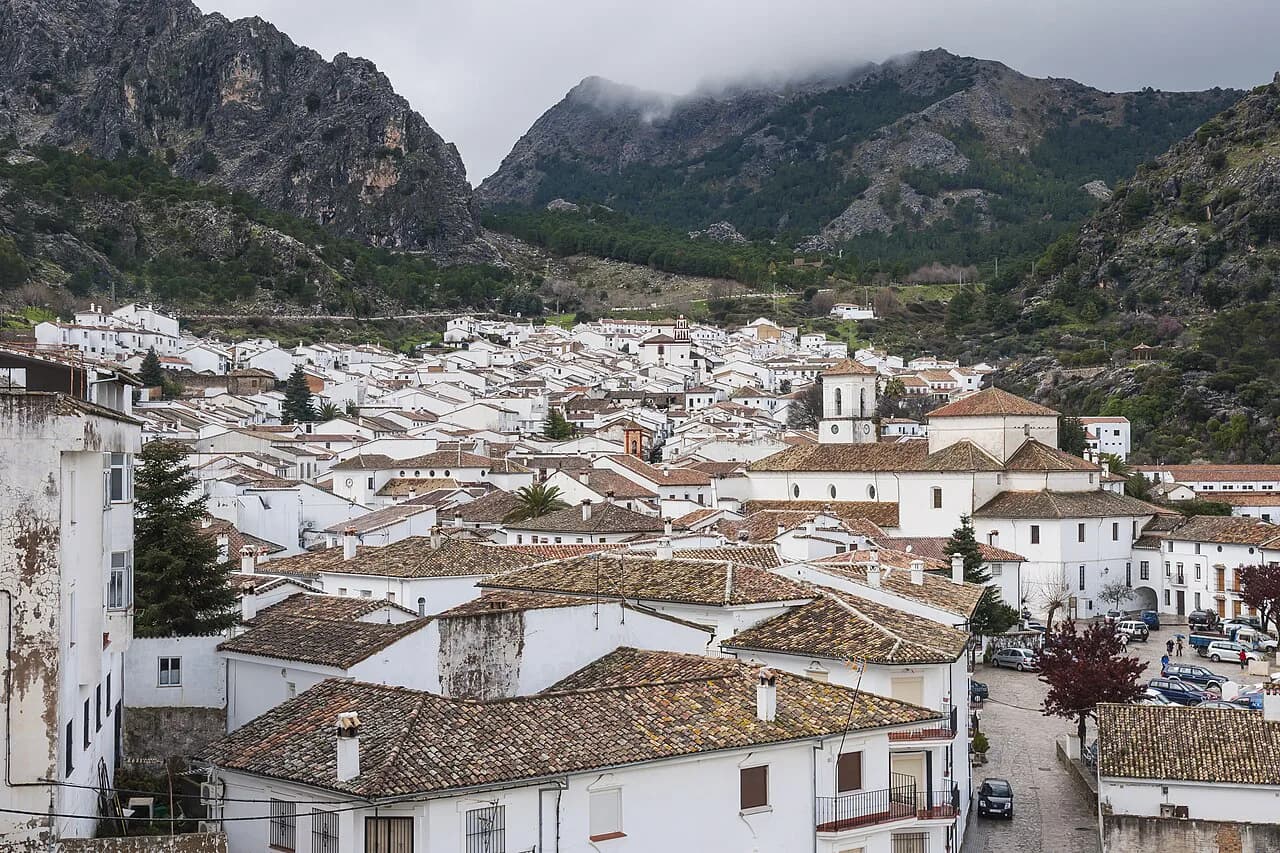
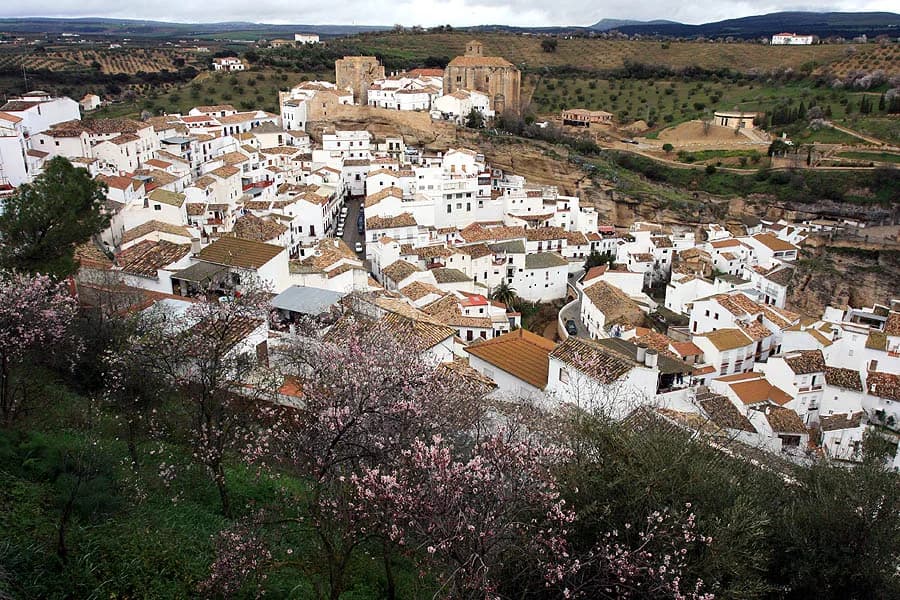
Setenil de las Bodegas needs half a day for its centre, and a full day if you want to walk it slowly and take photographs. The town's identity is geological: the river has eroded the rock over millennia, and the houses are built into the shelter of the overhanging ledges, so the streets themselves, not a single monument, are the reason to come. This guide sets out what to see, a walking order that avoids back-tracking, how long to allow and where to leave the car.
Setenil belongs to the Ruta de los Pueblos Blancos in the province of Cádiz and its historic centre is declared a Conjunto Histórico. The rock was hollowed out by the Guadalporcún, also called the Trejo, over millennia, and residents built their cave houses beneath the enormous stone ledges. If you are working through the white towns of Andalucía, Setenil is one of the most distinctive stops on the list.
Calle Cuevas del Sol: the street cut under the rock overhang
Calle Cuevas del Sol is the image most people carry of Setenil: a lane of white houses pressed beneath a vast rock roof, with the cliff leaning over the street. Walk it end to end rather than stopping at the first photogenic doorway, because the overhang changes shape along the way and the far stretch shows how far the rock reaches across the lane. It is the busiest street in town and fills up at weekends, so an early start gives you the space to look up properly.
The lane is lined with bars and restaurants, which makes it the liveliest part of the centre through the day. It fills up at weekends in particular, so an early start gives you the space to look up at the rock roof properly. Treat the street as a sight in its own right and give it twenty minutes rather than a quick pass.
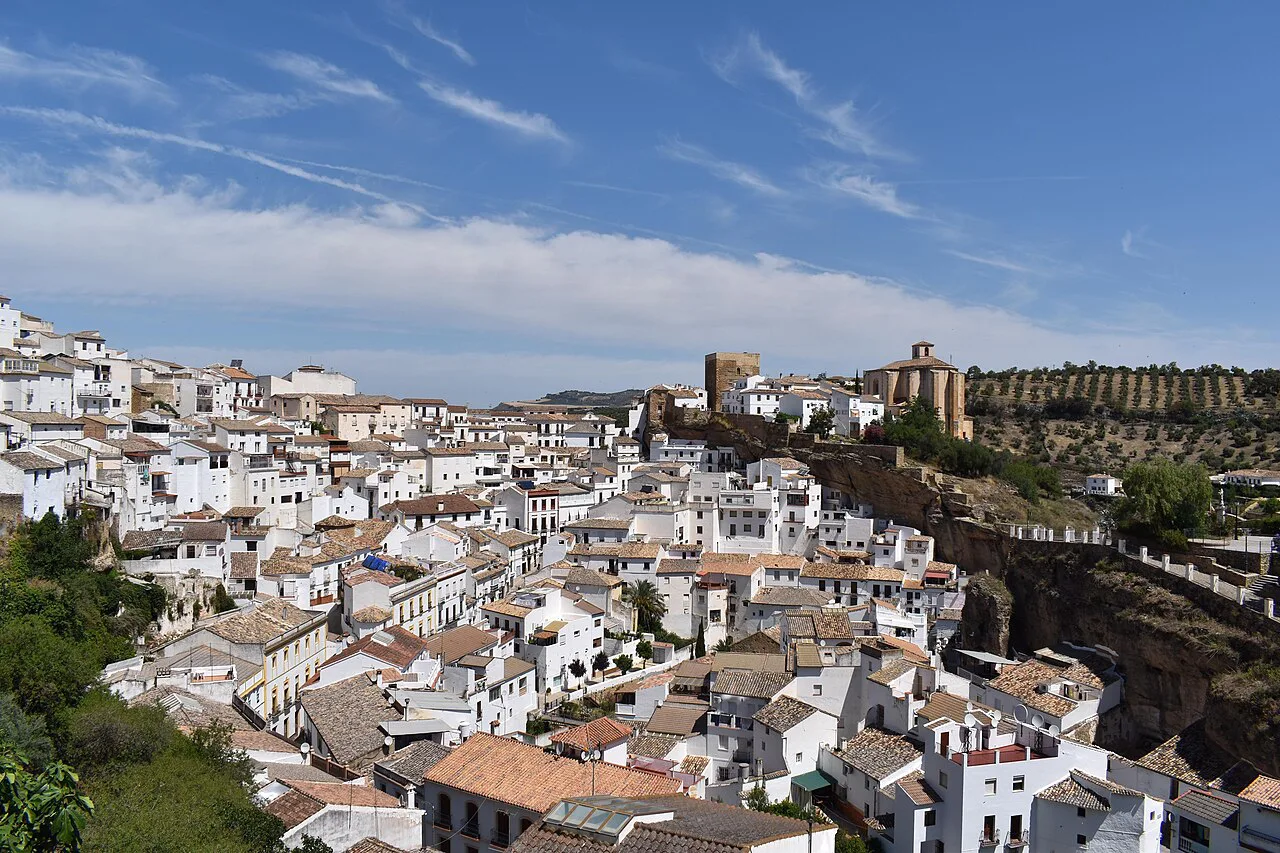
Calle Cuevas de la Sombra and the other lanes of the old centre
Calle Cuevas de la Sombra is the shaded counterpart to the sun street, a narrow lane wrapped by rock in much the same way but with a darker, cooler feel. The two streets are close together and take only minutes to walk between, so the sensible approach is to see them as one block of the visit rather than two separate sights. Step off into the side lanes afterwards, where ordinary houses and small squares show the town as a working village rather than a stage set.
Calle Calcetas is the lane to take for photographs of house frontages, with doorways set into pale walls and a quieter atmosphere than the cave streets. Several of the buildings here are tourist accommodation, which says something about how small the historic centre is: most of it can be walked in an hour or so at an unhurried pace.
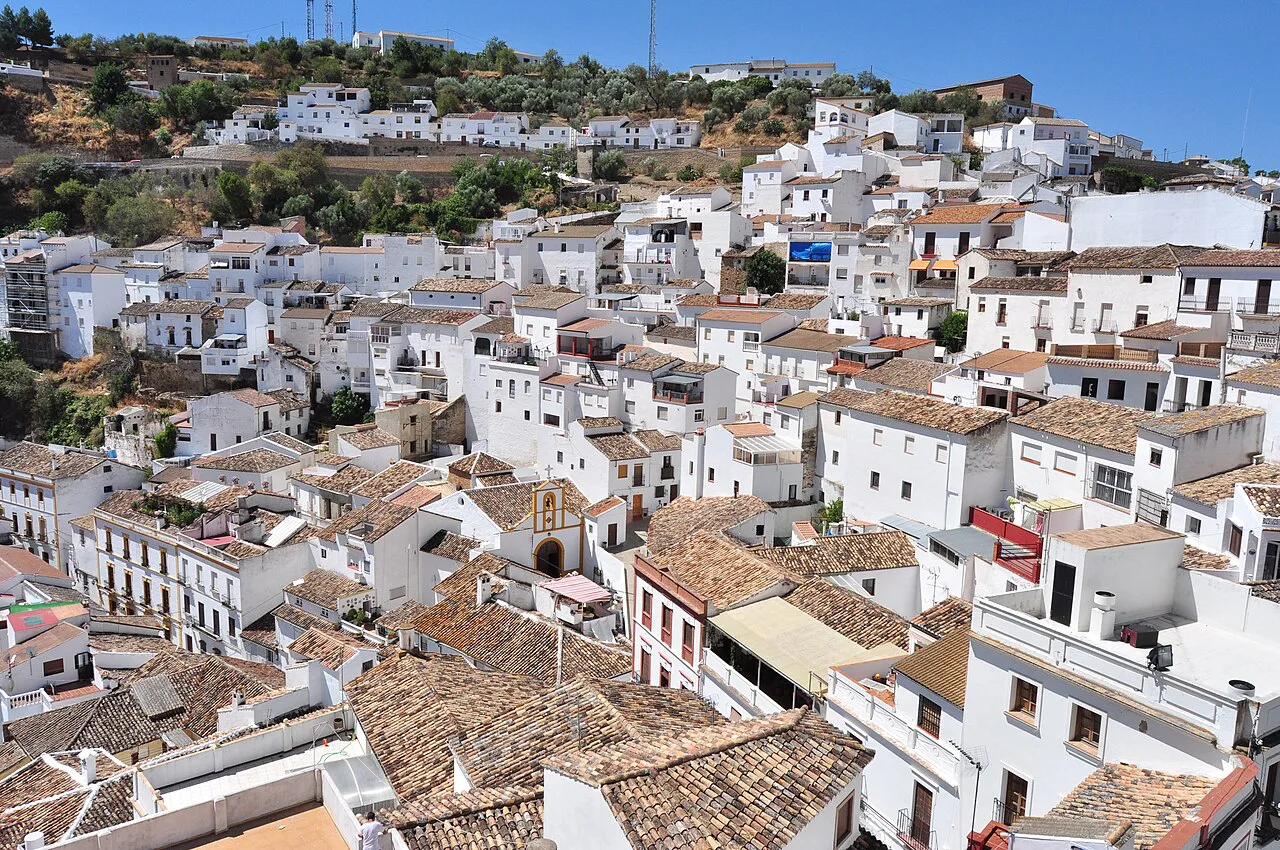
The viewpoints: Ventosilla Alta, Mirador del Carmen and el Lizón
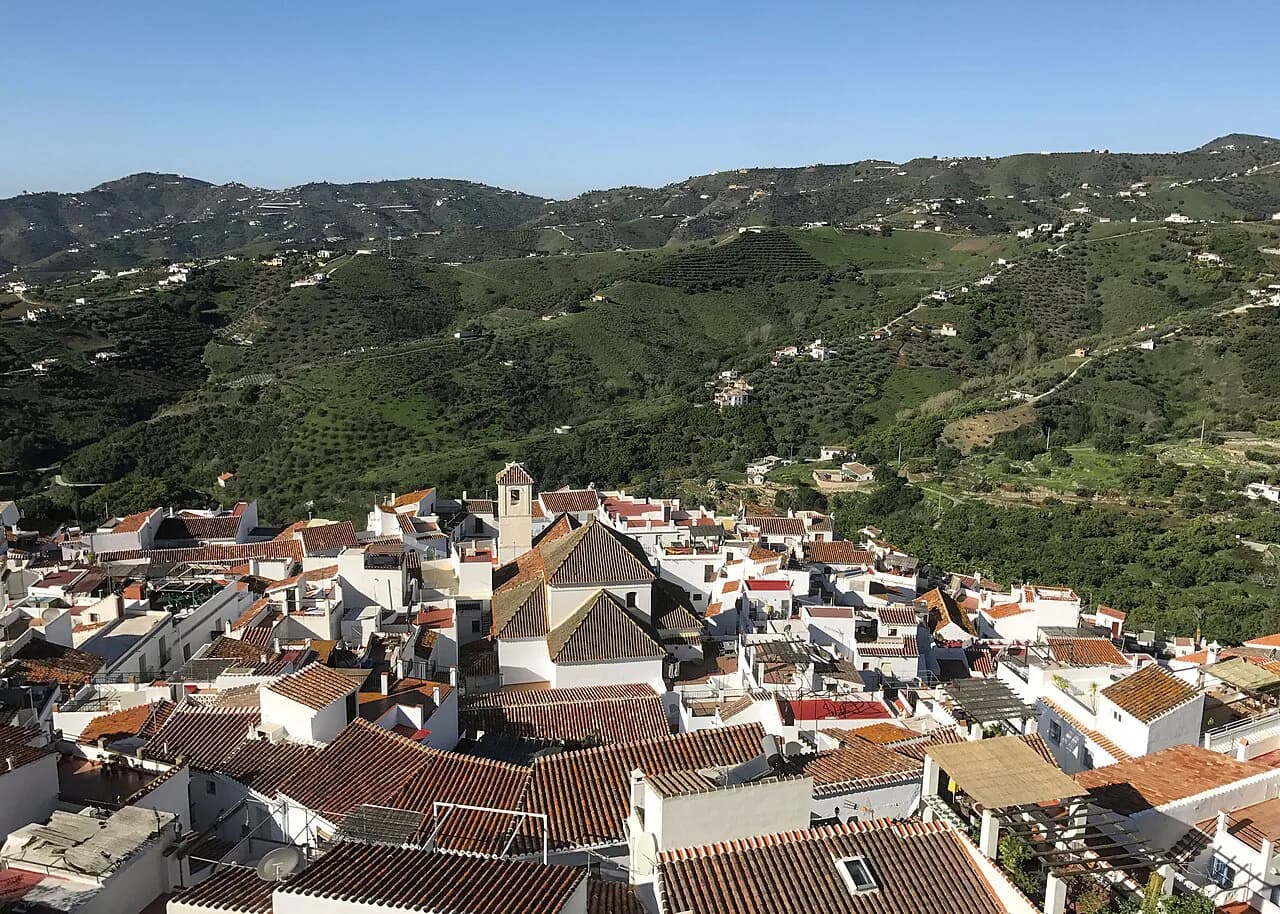
The Mirador de la Calle Ventosilla Alta sits high on the edge of the town and gives a view back over the whole settlement from a raised angle you do not get elsewhere, with the white houses spilling down beneath you. It is the natural first stop if you park in the upper part of town, because you see the layout before you walk into it. From there you can drop down into the centre with a mental map already in place.
The Mirador del Carmen is easier to reach and shows the castle head-on, with the white houses tucked beneath the rock in front of it. Do not expect a view down the cave streets from here; this one frames the fortress and the rock together, which is the picture that explains the town. Stairs lead down from the mirador, and turning right takes you towards the castle and Plaza de Andalucía while turning left brings you to the two cave streets, so the viewpoint doubles as a junction for the walk.
The castle: Torreón and the Aljibe Árabe
The Torreón, the castle's keep, and the Aljibe Árabe, the Moorish cistern, sit above the town and give Setenil its historical layer on top of the geological one. Make the climb for the tower and the cistern, and check locally for current access arrangements before you set out, since entry to the tower is not guaranteed.
Plaza de Andalucía and the Parroquia de Nuestra Señora de la Encarnación
Plaza de Andalucía is the civic centre of the visit, with the Ayuntamiento on the square, and Calle Villa leads from it up to the castle and the parish church. Use the square as the hinge of your walk: cave streets on one side, castle and church on the other, with the lanes in between. It is also where you will find the most convenient place to pause before tackling the climb.
The Parroquia de Nuestra Señora de la Encarnación is the main church of the town and stands near the castle at the top of the climb. Churches across Andalucía close to visitors during services, so plan around that rather than expecting open doors at any hour. If the doors are shut, the exterior and the position above the town still justify the walk up.
The two hermitages: Nuestra Señora del Carmen and San Benito
The Ermita de Nuestra Señora del Carmen is a small chapel that most visitors pass while moving between the mirador and the streets below. The Ermita de San Benito is the second of the town's hermitages and worth adding if you are spending a full day rather than half of one. Both are modest buildings, so treat them as stops on the walk rather than destinations in themselves.
Calle Herrería and the 'Bésame en este Rincón' wall
Calle Herrería runs off Plaza de Andalucía, and the sign reading 'Bésame en este Rincón' has become a small photographic landmark, dressed with potted plants and used for souvenir pictures. It is not the most beautiful spot in town, but it is a two-minute stop that gives you something to take away beyond the rock streets. Pair it with the square and the church rather than making a separate trip.
How long Setenil needs: half a day, or a full day without rushing
The historic centre can be covered comfortably in a day, and in a morning or an afternoon if you are combining Setenil with Ronda or another town nearby. A full day buys you slower walking, time for the viewpoints and the castle, and the chance to sit down in between without watching the clock. Choose the half-day version if the cave streets and views are your priority, and the full day if you want the hermitages and the lanes as well.
Getting there and parking outside the old centre
Setenil sits in the Sierra de Cádiz, close to Ronda, and most visitors arrive by car because the surrounding white towns are spread across hilly country. Do not aim for the historic centre: the lanes are narrow and the streets run out quickly. Aim instead for the edge of town, and once parked, walk in rather than driving round in search of a space.
The streets named for parking are Calle San Sebastián, the CA-4223 road and the Centro del Olivar, all outside the historic core and within walking distance of the centre. Parking outside and walking in is the practical choice: it removes the stress of wedging a car into lanes built for donkeys and leaves you free to wander. Arrive earlier on weekends, when the cave streets and the approaches are at their busiest.
How Setenil fits a trip from Ronda and the Sierra de Cádiz
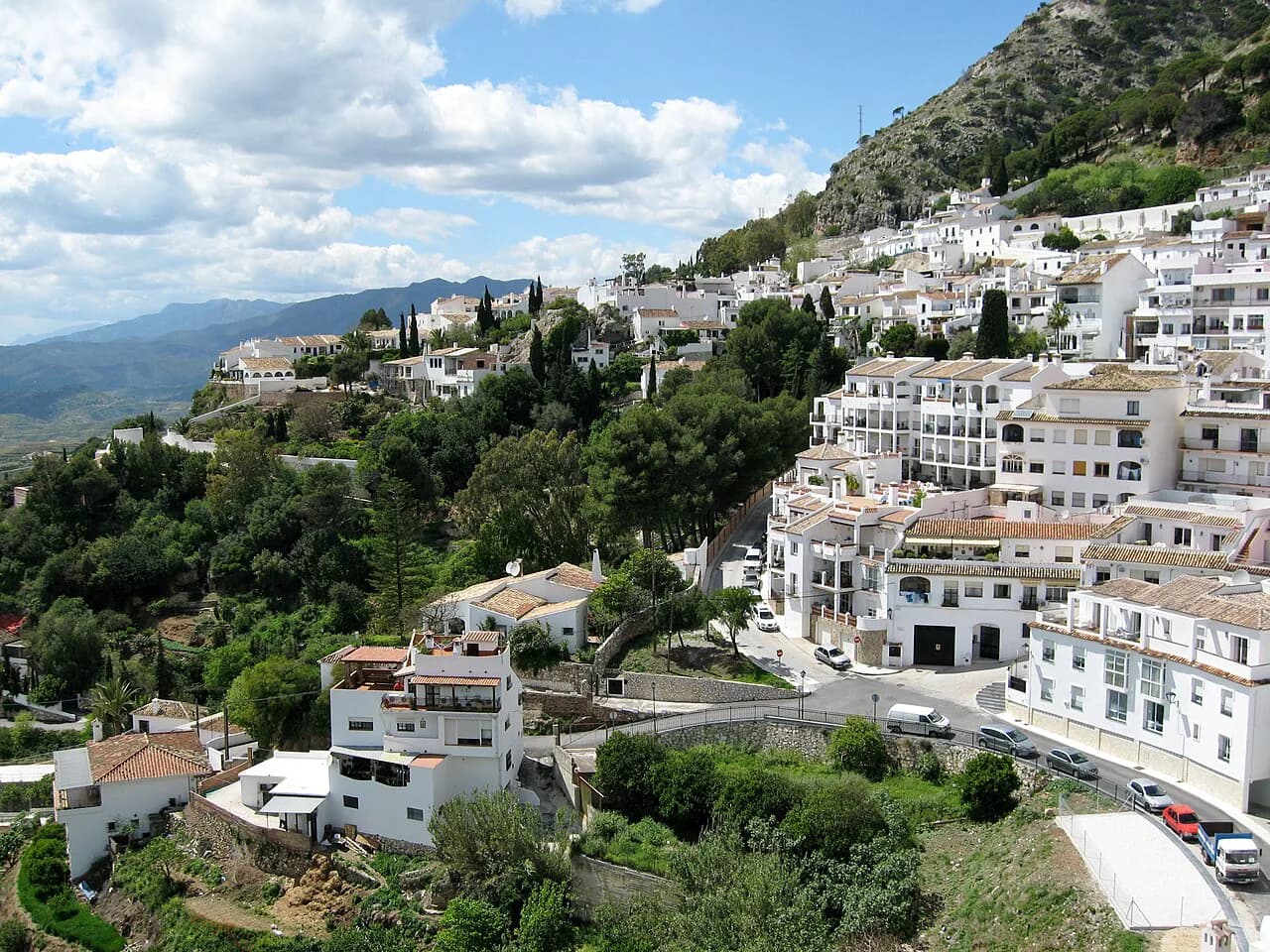
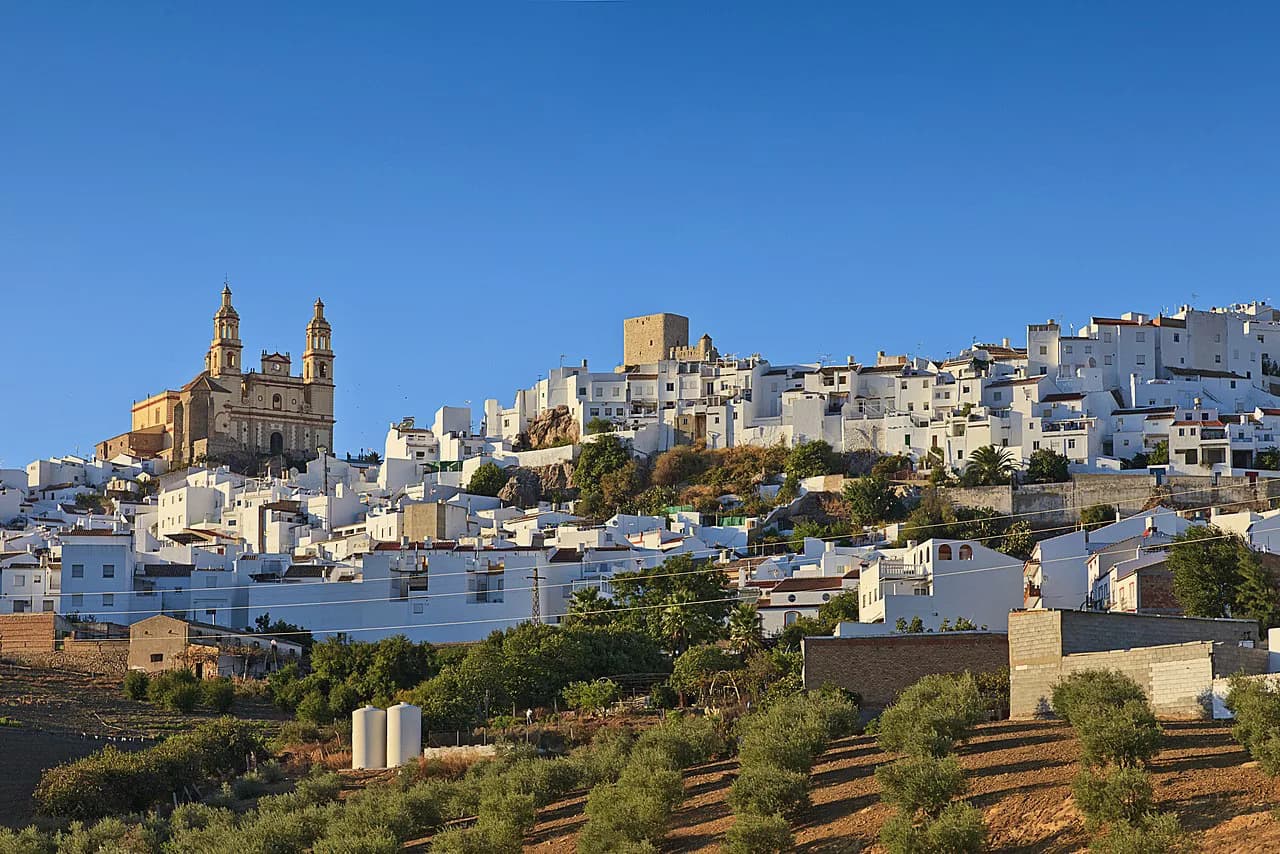
Ronda makes the obvious base for Setenil, and the two work well on the same day if you start early and give Setenil a morning. Nearby are Olvera, with its hilltop castle and church, and Zahara de la Sierra, whose position in the Sierra de Grazalema makes a natural second stop on a loop through the mountains. Grazalema itself is another white town in the same area, useful if you are stringing several together.
The Roman ruins of Acinipo lie in the countryside around Setenil and appeal if you want a third layer beyond white towns and rock streets. For the drive between stops, use the town guides for the wider pueblos blancos route rather than inventing an itinerary from the map.
Crowds and heat in the cave streets
The cave streets are the most crowded part of Setenil, and weekends are when they fill most. Go early in the morning if you want the lanes to yourself, and expect to share them by mid-morning on a Saturday. The reward for an early start is the light under the overhang, which is at its best before the sun climbs high.
Setenil is an inland Andalusian town, and midday summer heat makes the climbing lanes tiring, particularly the pull up to the castle and the viewpoints. The cave streets offer genuine shade in the middle of the day, which is the argument for putting them in the middle of your schedule and saving the exposed miradors for morning or evening. Carry water; the upper town is steep enough that you will want it.
The name, the river and how the town came to be built under the rock
The Guadalporcún, also called the Trejo, has eroded the rock over millennia to create the overhangs that the town now occupies, and the inhabitants built their houses into the shelter of the resulting rock. Setenil's origins are medieval, though the caves themselves were inhabited long before that, which is why the town reads as geology and architecture in equal measure. Setenil is also listed among the Pueblos Más Bonitos de España, alongside its Conjunto Histórico designation.
Walking Setenil in a single loop
Setenil repays a morning more than a flying visit. The cave streets are short, but the town works best when you add the viewpoints and climb to the Torreón in a single loop, which takes the visit from a photo stop to a proper walk. Park outside the centre, start early if it is a weekend, and keep the shaded lanes for the middle of the day.
Explore more Ronda guides
Frequently Asked Questions
Why is Setenil called 'de las Bodegas'?
'Bodega' is the Spanish word for a wine cellar or winery, and it appears in town names across Andalucía where wine was stored or produced. In Setenil's full name it points to that history rather than to a single building you can visit today.
How do I reach Setenil de las Bodegas from Ronda?
Setenil lies in the Sierra de Cádiz, around half an hour from Ronda by road, so the simplest approach is by car or on an organised excursion that pairs Setenil with Ronda; check current coach and train timetables before you commit to a route.
Does Setenil have an entry fee?
The cave streets, squares and viewpoints are simply part of the settlement and you walk them freely; any charge would apply only to individual monuments or organised tours, so check locally for those.
Sources
Notes for your next Spanish town break
Optional updates to our guides.
You might also like
Continue reading
More guides you'll find useful