Pueblos Blancos: White Villages of Andalucía, Village by Village
Plan a pueblos blancos trip in Andalucía: which white villages to visit, how the Cádiz and Málaga groups fit together, and how to link them by car from Ronda.
On this page
The pueblos blancos are the whitewashed hill villages of inland Andalucía, clustered between the provinces of Cádiz and Málaga, and the practical way to see them is to pick one mountain group and drive it rather than chase a flat list. Spain's official tourism site frames them as a rural route through the sierras, with villages appearing on the skyline as you climb. This guide groups them by range, names what each is known for, and explains how Ronda works as the hinge between the Cádiz and Málaga sides.
Two groupings do most of the planning work. The Cádiz side runs through the Sierra de Grazalema and its neighbours, while the Málaga side spreads from the Serranía de Ronda down towards the Axarquía hills east of Málaga. Combine villages from one group in a day and you keep the driving sane; mix both in a single day and you spend the afternoon in the car. If the Serranía de Ronda is where you plan to start, it is worth checking things to do in Ronda before you build the loop.
What follows covers which villages count, the two main clusters, the specific sight that justifies each detour, and the constraints that shape a short break: heat, parking, and the hours when churches and shops shut. No driving times or ticket prices appear here unless a source gives them, so treat all timings as things to confirm against current maps and official pages.
What the pueblos blancos are and why the name sticks
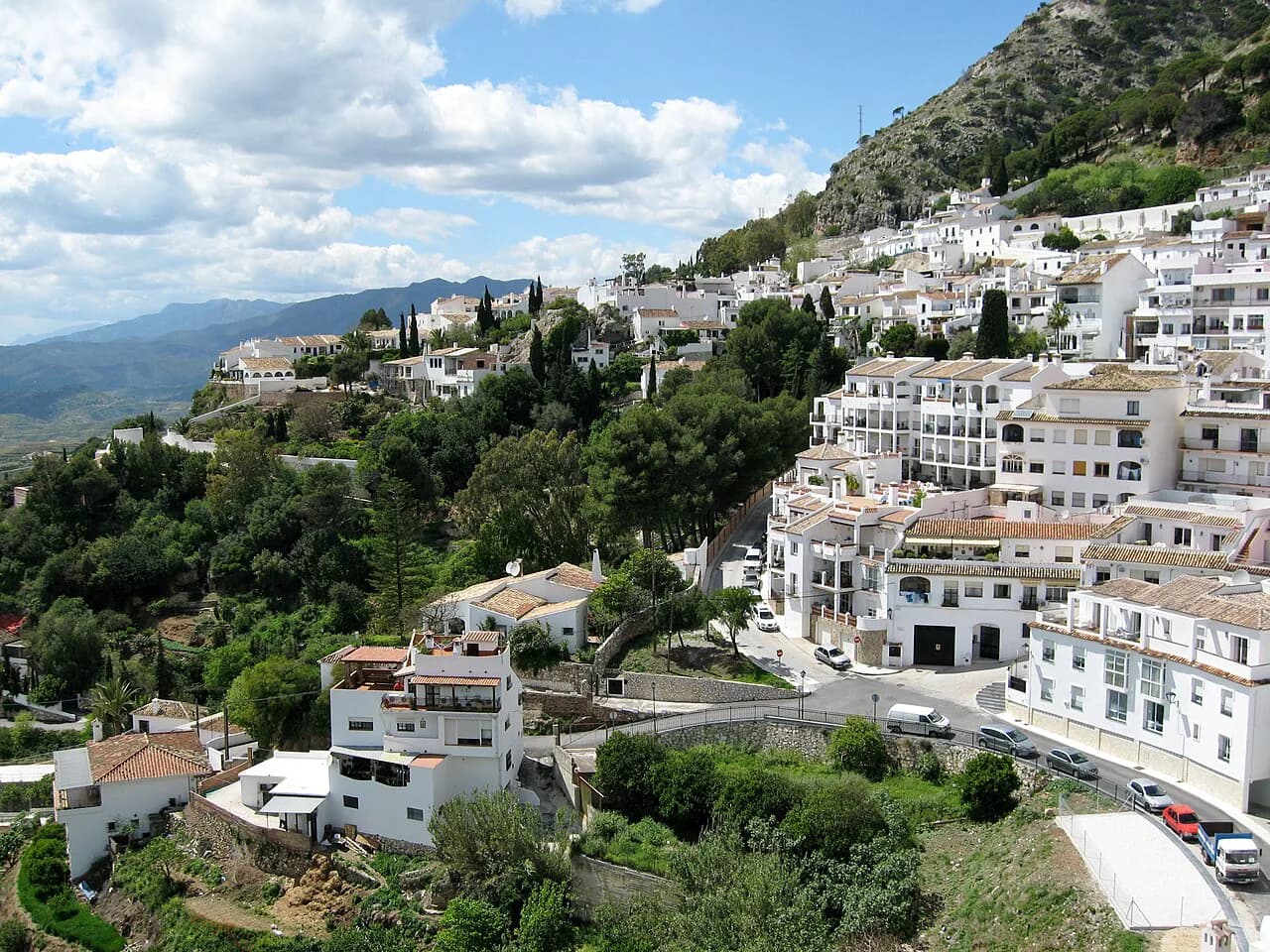
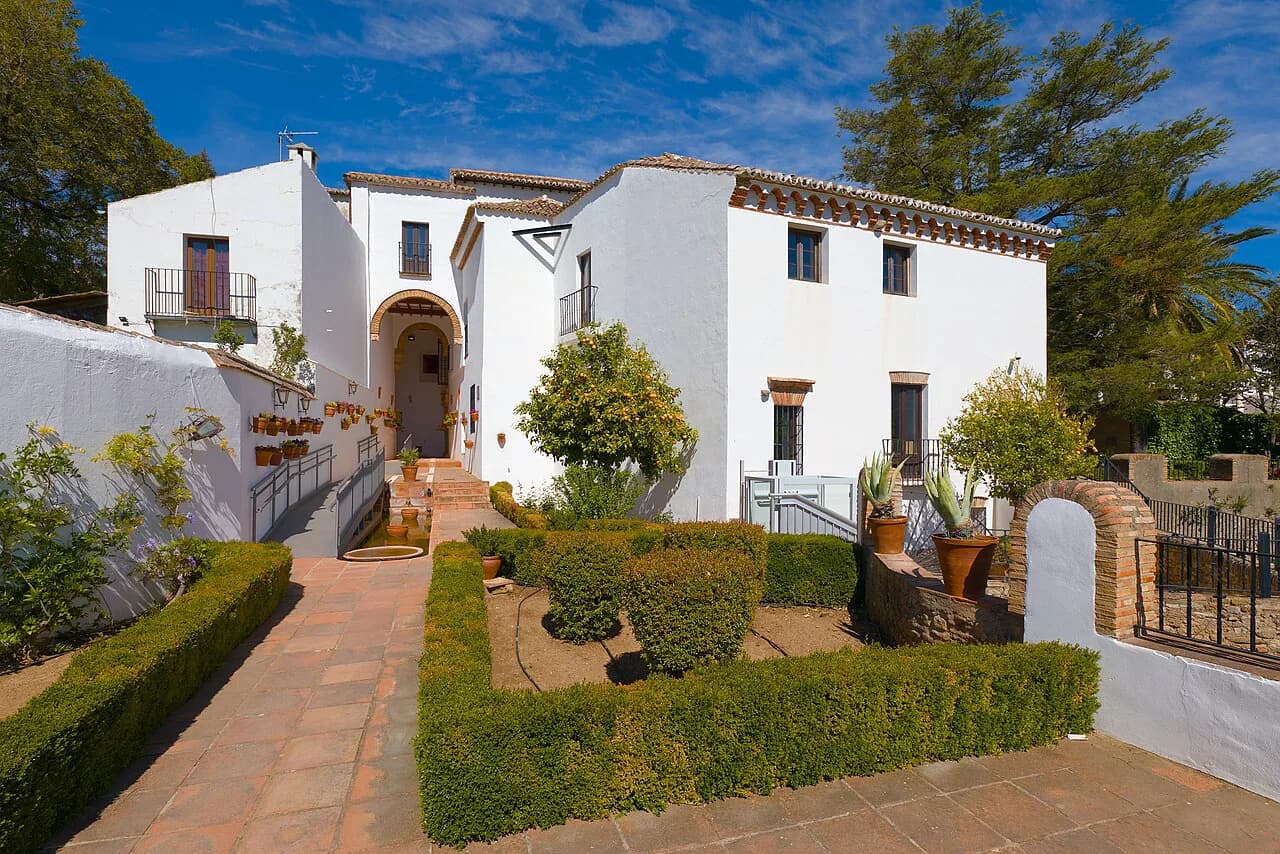
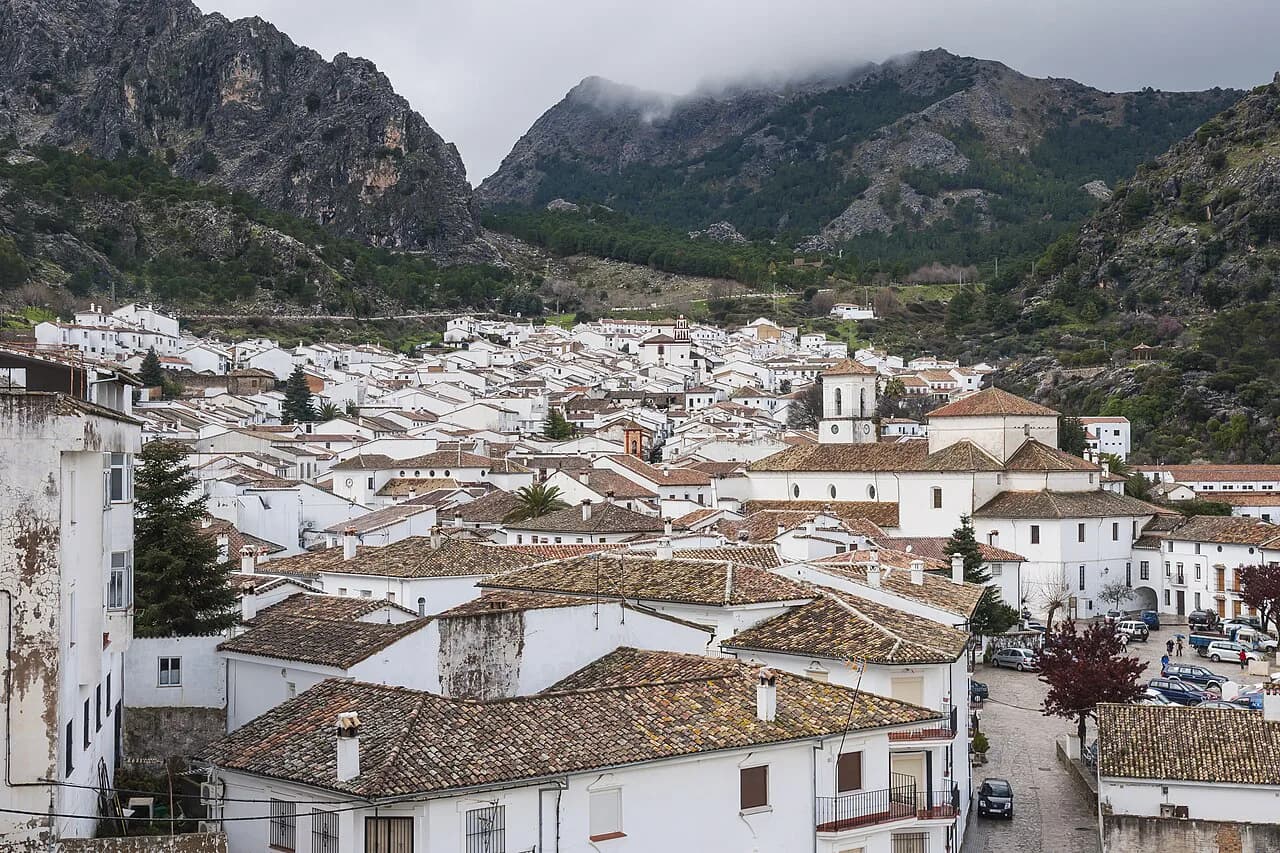
The name comes from the lime-washed walls that villagers repaint regularly, a habit that keeps the streets cool and the villages visible from far off in the mountains. Spain's tourism board describes them as whitewashed houses decorated with pots of bright flowers, reached by a maze of steep alleys that open onto small plazas. That combination of white walls, flowered balconies and a plaza at the top is the shared signature.
Many of these villages sit on sites with a layered past: Iberian, Phoenician, Roman and then Moorish occupation, with an Arab-built castle or a morisco street pattern often surviving at the highest point. Casares is a good example, with its castle of Arab origin on the summit. Recognising that pattern helps you read any village you stop in, even one you have never heard of before.
The tourism board also notes the setting: these villages sit inside or beside protected sierras such as the Serranía de Ronda, the Parque Natural de los Alcornocales and the Parque Natural de la Sierra de Grazalema. The landscape is part of the visit, not background scenery, and it explains why the drives between villages are slow and scenic rather than fast.
Which villages count: the Cádiz route and the Málaga list
There is no single official register of pueblos blancos, but the Cádiz province route is the most structured version, running through 19 localities. Spain's tourism board names them, including Arcos de la Frontera, Bornos, Espera, Villamartín, Algodonales, El Gastor, Olvera, Torre Alháquime, Setenil de las Bodegas, Alcalá del Valle, Prado del Rey, El Bosque, Ubrique, Benaocaz, Villaluenga del Rosario, Grazalema, Zahara de la Sierra, Algar and Puerto Serrano. Treat that list as the definition for the Cádiz side.
The Málaga side has no comparable numbered route, so an editorial selection does the job. One travel writer's survey of the province covers fifteen villages, among them Ronda, Alpandeire, Benaoján, Júzcar, Genalguacil, Gaucín, Casares, Ojén, Mijas, Nerja, Frigiliana, Cómpeta, Comares, Casabermeja and Antequera. Use it as a shortlist rather than an authority, then judge each by what you actually want to see.
For a first trip, the most rewarding names are the ones with a specific reason to stop: rock-built houses, a national park on the doorstep, a dramatic gorge or a castle on a crag. Skip the merely pretty village that costs you an hour of driving and spend that hour in Grazalema or Arcos instead. The sections below give that reasoning village by village, and if you are weighing one of these against the biggest gorge town of all, start with things to do in Ronda.
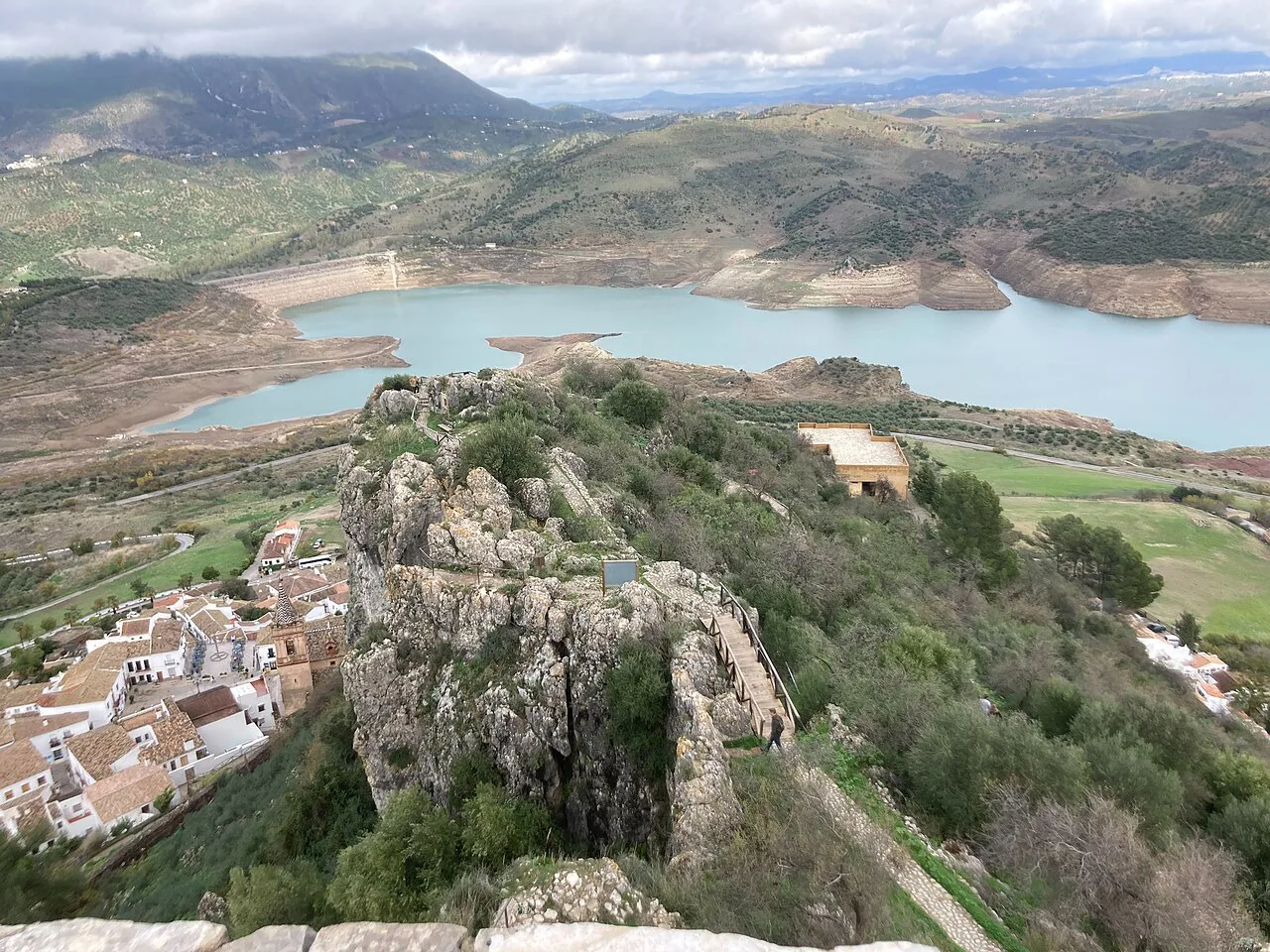
The Sierra de Cádiz group: Arcos, Grazalema, Setenil, Zahara and Olvera
Arcos de la Frontera is the group's showpiece for views: the tourism board singles it out for its impressive miradors, and the old town perches above the Guadalete valley with viewpoints doing most of the work. Park low and walk up, because the historic centre is a knot of narrow lanes rather than a place to circulate by car. Allow a couple of hours for the viewpoints and the streets between them. If you are weighing this gorge-and-viewpoint formula against the most famous version of it, compare with things to do in Ronda before deciding which to build a day around.
Grazalema earns its place on setting rather than monuments. The tourism board describes its white houses set against the green of the surrounding Parque Natural de la Sierra de Grazalema, which puts walking country and mountain scenery right at the village edge. Those who want the park as a base should read the Grazalema guide before deciding where to sleep. For the practical details, see the Grazalema.
Setenil de las Bodegas is the one everyone photographs, and the reason is structural: houses built directly under rock overhangs, so the cliff becomes the roof. The tourism board flags exactly this, describing cave-houses constructed beneath the rocks, which makes the village a short but unforgettable stop. Read the Setenil de las Bodegas guide for the streets where the rock overhang is most dramatic.
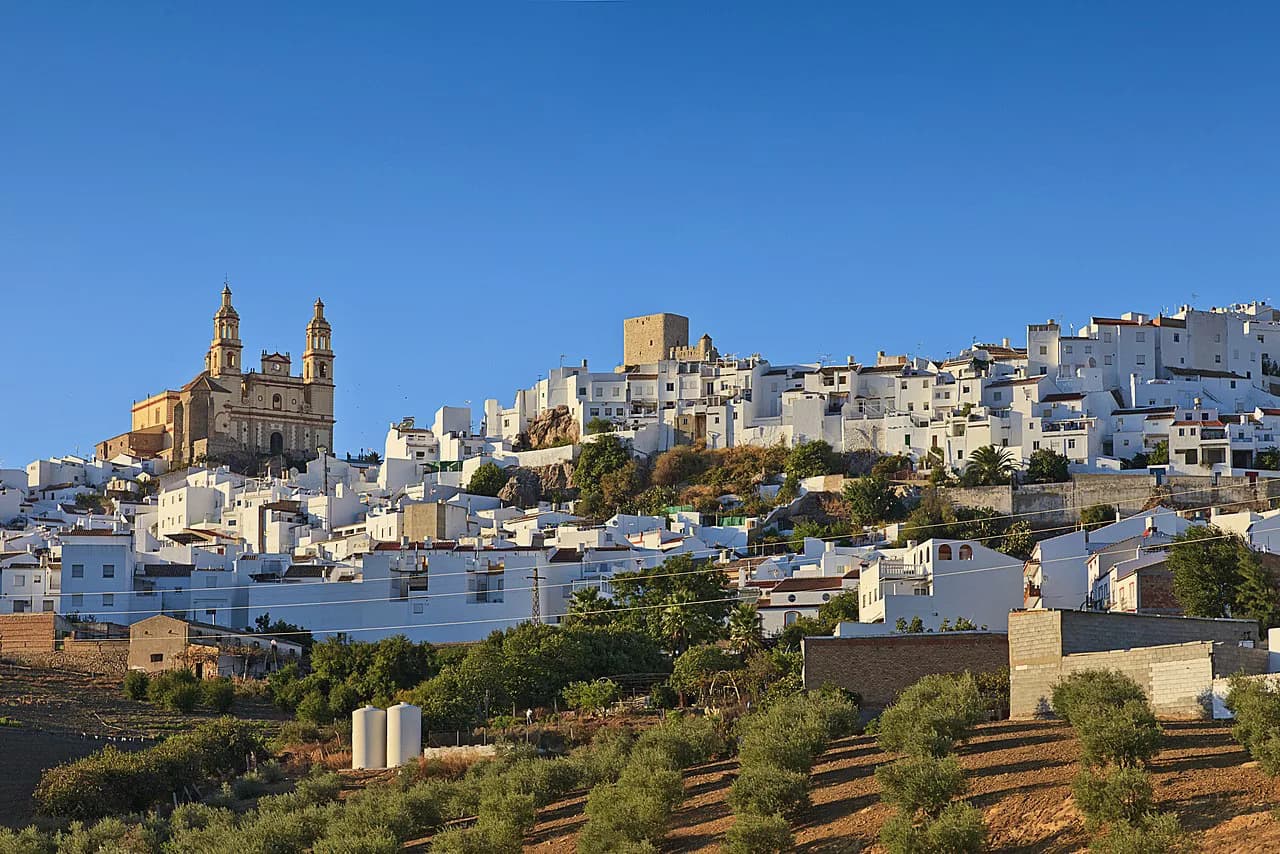
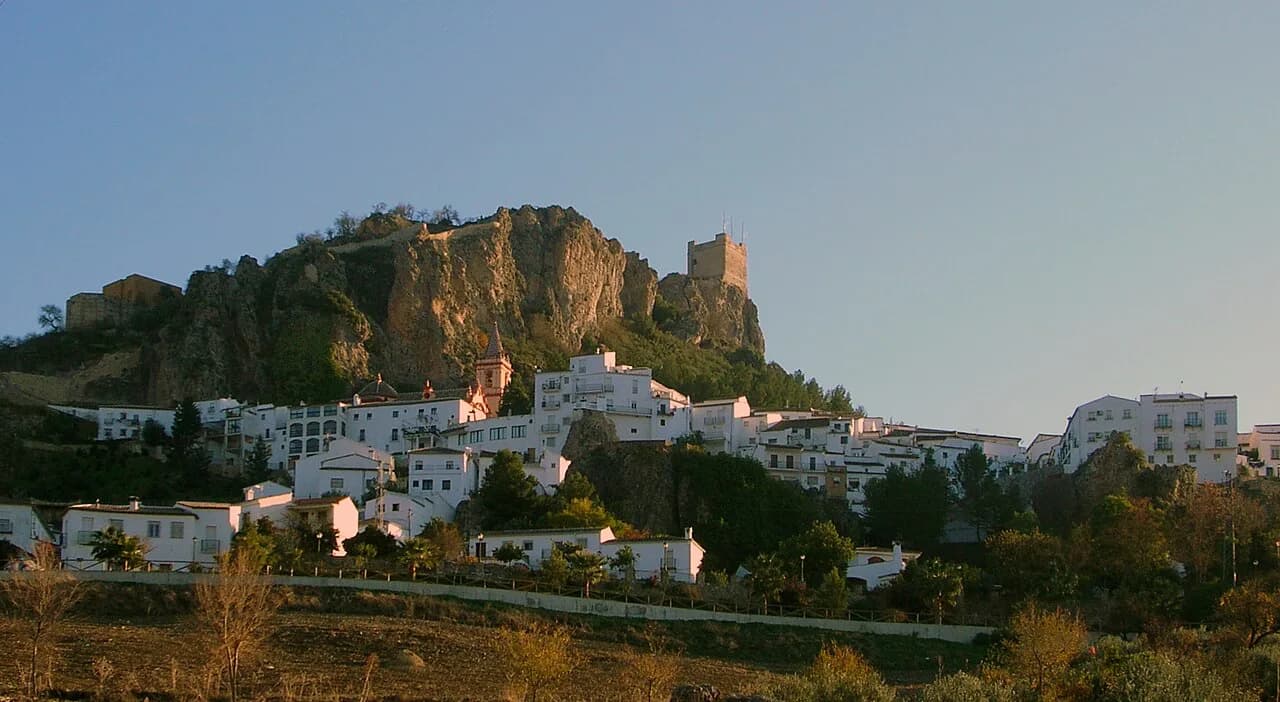
Zahara de la Sierra and Olvera complete the classic Cádiz chain on the eastern edge, both hill villages with long views over the surrounding sierra. Zahara sits below a castle above the reservoir; Olvera has a whitewashed old town on a hillside. Either works as a lunch stop between Grazalema and Setenil, though if you only have time for the region's most famous cliff-edge town instead, compare what things to do in Ronda offers.
Ubrique is worth knowing because the tourism board notes its leather factories, giving the Cádiz route one village with a craft tradition rather than just viewpoints. If you want one non-scenic stop that adds texture to a day of white walls, slot it in. Otherwise, prioritise Arcos, Grazalema, Setenil and Zahara and accept that the rest can wait for a second visit.
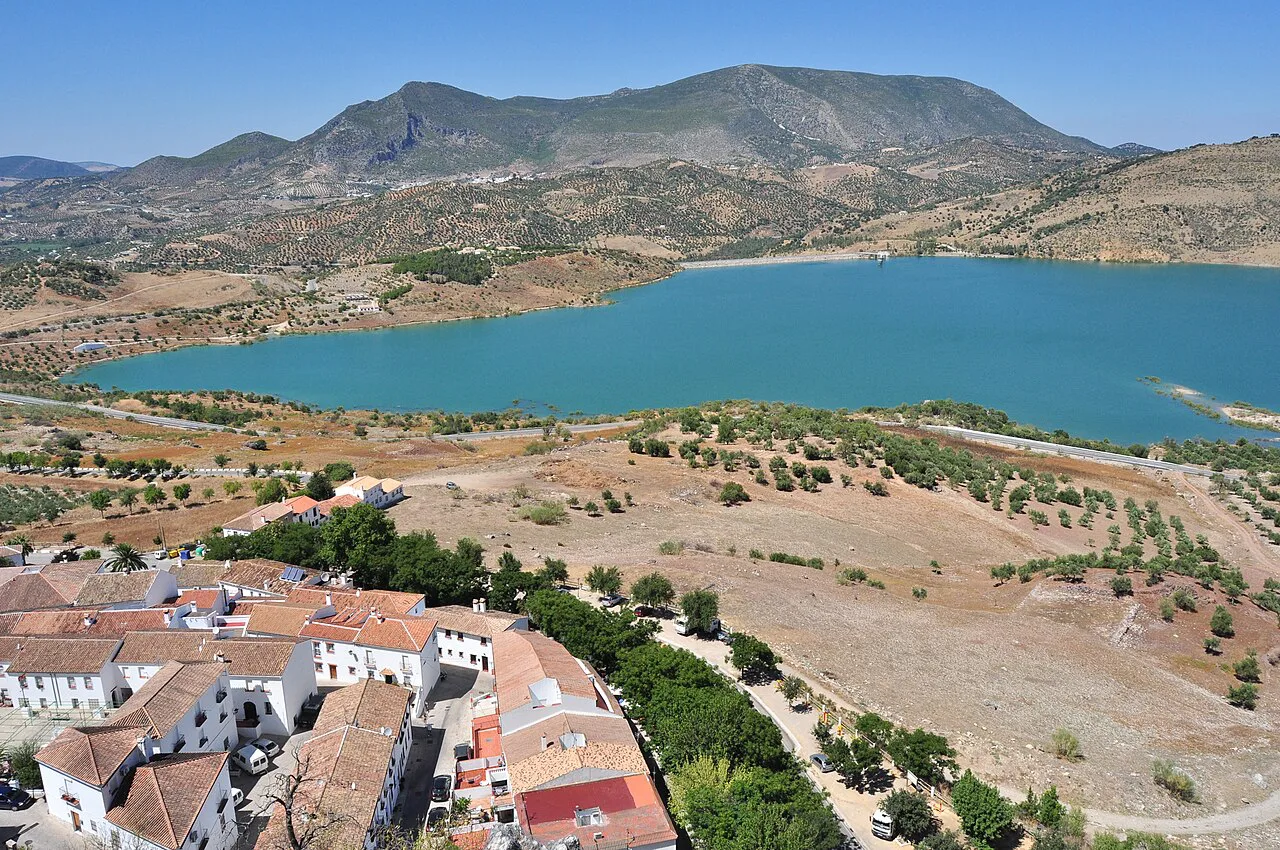
The Serranía de Ronda and Málaga group: Ronda, Casares, Frigiliana, Gaucín, Genalguacil and Antequera
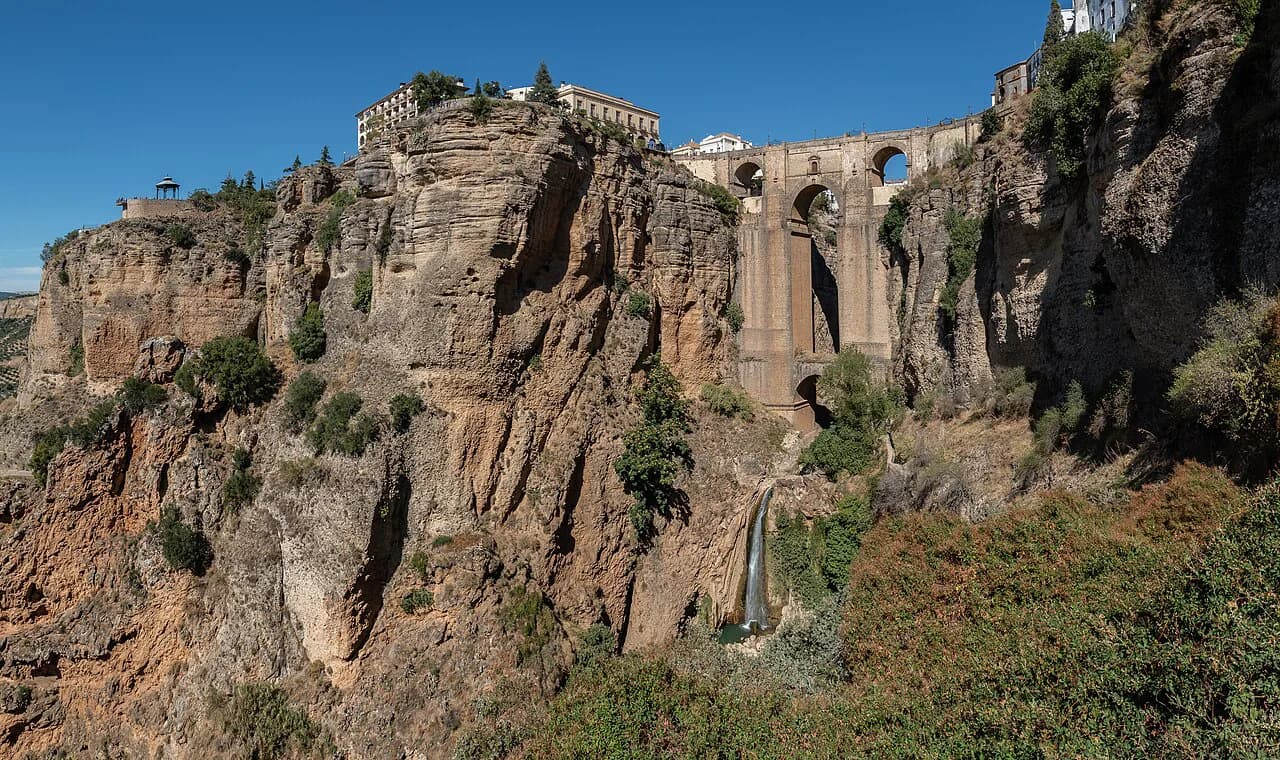
Ronda is the hinge of the whole route and functions as the gateway to the Sierra de Grazalema, which makes it the natural base for combining the Cádiz and Málaga groups. Its Puente Nuevo spans the Tajo gorge at a height of 98 metres, a figure worth knowing because it explains why the bridge, not the old town, is what visitors remember. Explore things to do in Ronda beyond the bridge before committing a full day to it.
Casares is the village for castle-and-viewpoint drama, with its Arab-origin castle on the highest point of the village and layers of Iberian, Phoenician and Roman history beneath it. It sits close enough to the coast to reach from the Costa del Sol, but high enough to feel entirely inland. Give it a half-day rather than an hour. If you want to compare this castle-on-a-crag setting with another gorge town nearby, see things to do in Ronda.
Frigiliana is the Axarquía's best-known white village, east of Málaga, and it rewards walking rather than driving: narrow streets with passages recalling its morisco past, plus a view down to the Mediterranean. It pairs naturally with Nerja on the coast but deserves more than a photo stop. Mijas Pueblo, closer to Málaga, offers the same white-village formula with an easier approach from the coast.
Gaucín and Genalguacil sit in the Genal valley and are the quieter pair in this group, the sort of villages you visit because you are already on the road between Ronda and the coast. Both appear on the Málaga shortlist, and both reward an unhurried hour rather than needing a full day. Since the road in and out runs through Ronda, plan things to do in Ronda around the same leg of the trip.
Antequera is the largest and most monumental name on the Málaga list, with a substantial historic centre and the Alcazaba above it. Treat it as a town stop rather than a village stop: it needs a half-day minimum, and it works best as the first or last point of a Málaga-side loop. Save Frigiliana for the eastern end of the trip, since it lies in the opposite direction from Ronda. If you are leaning towards the western, gorge-and-viewpoint end of the Málaga side instead, weigh things to do in Ronda against a half-day in Antequera.
What each village is known for and what to prioritise
Match village to sight and the route writes itself. Setenil: houses under rock overhangs. Grazalema: national park scenery. Arcos: miradors over the valley. Ronda: the Puente Nuevo and the gorge it spans. Zahara: a hilltop castle above the reservoir. Olvera: a castle and church crowning a white town. Frigiliana: morisco lanes above the Mediterranean.
The trade-off is depth against breadth. Four villages in a day means roughly an hour in each, which is enough for one viewpoint or one street and not enough to sit in a plaza. Two villages in a day give you time to walk the old town, find the best mirador and eat without rushing. For most short breaks, two per day is the realistic ceiling, the same pacing that makes things to do in Ronda work best when spread over a full day.
Where a village's main draw is a single sight, arrive with that sight in mind rather than wandering. In Ronda that means crossing to the Puente Nuevo viewpoints first, then exploring the old town; at Arcos it means walking up to the miradors before the lanes. Grouping villages by their headline feature keeps a day coherent instead of a series of similar white streets.
How to link them: a driving route out of Ronda or Málaga
The hard truth is that public transport does not link these villages in any useful way for a short break. Plan on a car, and plan the loop around Ronda because it sits between the Cádiz villages and the Málaga ones, as the tourism board's framing of the route as a drive implies. Pick up a car in Málaga or at Ronda and drive one cluster at a time.
A sensible Cádiz-side day starts at Ronda, runs through Grazalema, stops at Zahara de la Sierra and finishes at Setenil de las Bodegas before returning. That single loop takes in the national park, a hilltop castle and the rock houses without doubling back. Save Arcos and Olvera for a second day, because they pull the loop in opposite directions.
On the Málaga side, a day from Ronda works south to Gaucín and Casares, returning via the Genal valley, while Frigiliana and the Axarquía need their own separate day from Málaga itself. Do not try to combine Ronda, Casares and Frigiliana in one day; the driving kills the trip. Ask the car-hire desk for a map with road numbers before leaving, and check current road conditions locally.
Where to base yourself
Ronda is the strongest base for a pueblos blancos trip because it sits between the two clusters and has the range of facilities you need after a day of hill villages. Staying there lets you do the Cádiz loop on one day and the Serranía villages on the next without a long transfer either morning. The trade-off is that Ronda is a tourist town in its own right, busier than the villages around it.
Grazalema suits a nature-focused stay inside the park, while Antequera works for the Málaga side if you want a larger town with a historic centre. Base decisions on which cluster you want to drive most, and check parking arrangements for whichever village you choose.
How long you need
Three nights is a workable minimum: one day for Ronda itself, one for the Cádiz loop and one for the Serranía villages south towards the coast. Four nights adds the Axarquía with Frigiliana and leaves room to sit somewhere rather than just pass through. Anything less and you spend the trip in the car, which defeats the point of villages built for walking.
For a first visit, prioritise two or three villages per cluster rather than trying to tick off every name. Setenil, Grazalema and Arcos cover very different experiences on the Cádiz side; Casares, Frigiliana and Ronda do the same on the Málaga side. Leave the rest for a second trip, because the quieter villages reward unhurried visits.
Practical constraints: heat, parking and siesta hours
Inland Andalucía is hot at midday in summer, and the villages are built for shade and early starts. Walk the steep lanes in the morning, eat in the shaded plaza at lunchtime and move to viewpoints in the late afternoon. Arcos and Zahara in particular involve serious climbs between the lower town and the castle, so plan the order of the day around them.
Parking is the second common friction: old towns are pedestrianised or too narrow for cars, so expect to leave the car at the edge and walk in. Arrive early to find a space, especially in Setenil and Frigiliana, which are small and popular. Do not attempt to drive into historic centres; the lanes are genuine obstacles, not scenic shortcuts.
Shops and churches commonly close for the middle of the day, and a village that looks lively at ten in the morning can be shuttered by two. Plan museum and church visits for the morning, keep afternoons for viewpoints and the drive, and accept that some places open again in the early evening. Where an opening time matters, check the official village or parish page on the day.
Pick one cluster and drive it properly
Start the planning by choosing a cluster rather than a list: the Cádiz villages around Grazalema and Setenil, or the Málaga villages south of Ronda and over to Frigiliana. Base at Ronda, drive one cluster per day, and accept that you will not see everything. The villages reward a slower morning and a long lunch more than a fast circuit.
Use the individual village guides to plan each stop, and check road conditions and local opening times close to the day itself, since neither is fixed from season to season. If you have three nights and one car, one day in Ronda and two days of driving gives you the best of both provinces without spending the break in transit.
Explore more Ronda guides
Frequently Asked Questions
¿Cuál es el pueblo Blanco más bonito de Andalucía?
There is no agreed winner, but Ronda and Setenil de las Bodegas are the two most photographed, and Grazalema pairs white streets with the Parque Natural de la Sierra de Grazalema. Judge by what you want: a gorge and bridge at Ronda, rock-built houses at Setenil, or mountain scenery at Grazalema.
¿Qué pueblos conforman los pueblos blancos?
There is no single official register. The Cádiz province route runs through 19 named localities, including Arcos de la Frontera, Grazalema, Setenil de las Bodegas, Zahara de la Sierra and Olvera. The Málaga side is an editorial selection usually covering Ronda, Casares, Frigiliana, Gaucín, Genalguacil, Mijas and Antequera.
¿Cómo se recorren los pueblos blancos?
Pick one cluster and drive it from Ronda or Málaga. Ronda sits between the Cádiz and Málaga groups, so it makes the best base: one day for the Cádiz loop around Grazalema, Zahara and Setenil, and another for the Serranía villages south towards the coast. Frigiliana and the Axarquía need their own separate day from Málaga.
Sources
Notes for your next Spanish town break
Optional updates to our guides.
You might also like
Continue reading
More guides you'll find useful