Ibiza Old Town: Dalt Vila, the Walls and the Walk Up
Dalt Vila is Ibiza Town's walled upper town and a UNESCO World Heritage site. How the three routes work, where to enter and what the climb involves.
On this page
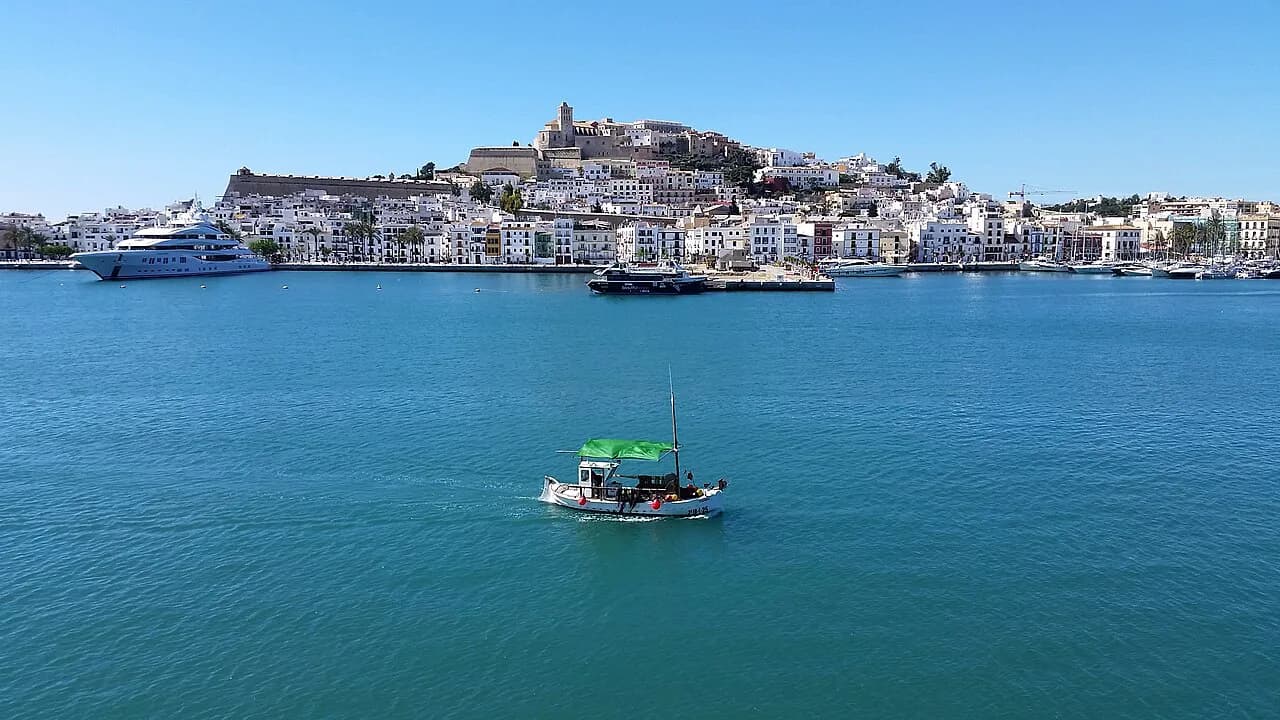
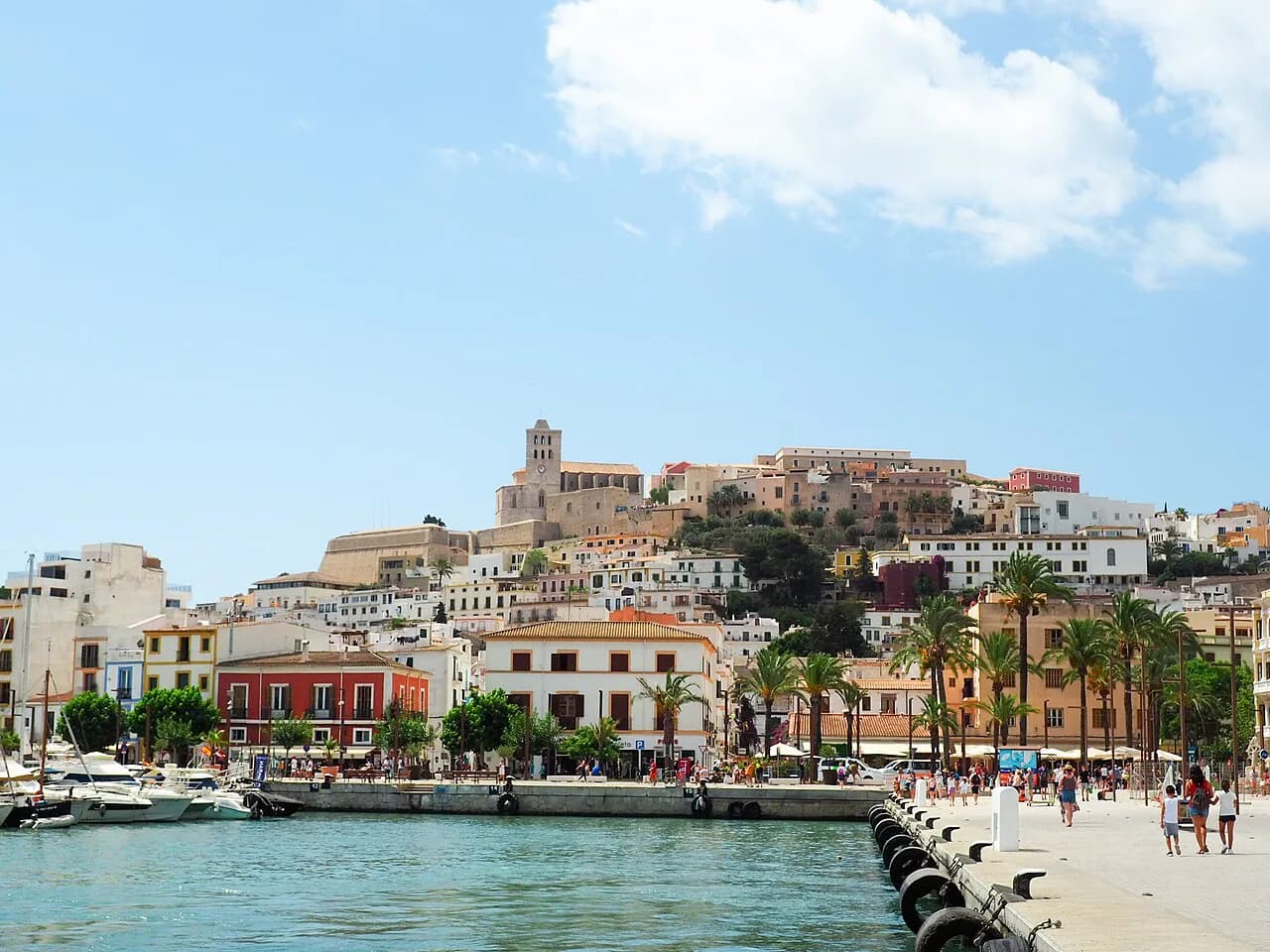
Dalt Vila is the walled historic centre of Eivissa (Ibiza Town), a UNESCO World Heritage site on the hill above the port, and it is best tackled by choosing one of three signposted routes rather than trying to see everything. The classic route enters through the Portal de ses Taules and gives a general first view, the bastion route traces the Renaissance walls for sea and town views, and the hidden-streets route stays in the medieval lanes. This guide sets out how the three differ, what the climb involves and how the fixed Saturday theatrical visits fit around them.
The city occupies about 11 square kilometres on the east side of the island, and its port is the main sea entrance to Ibiza and the onward crossing point to Formentera, so plenty of short breaks begin at the harbour and end with the walk uphill. If you want the wider picture before committing to the climb, start with the things to do in Ibiza Town and then come back to the gate.
What Dalt Vila is and why it matters
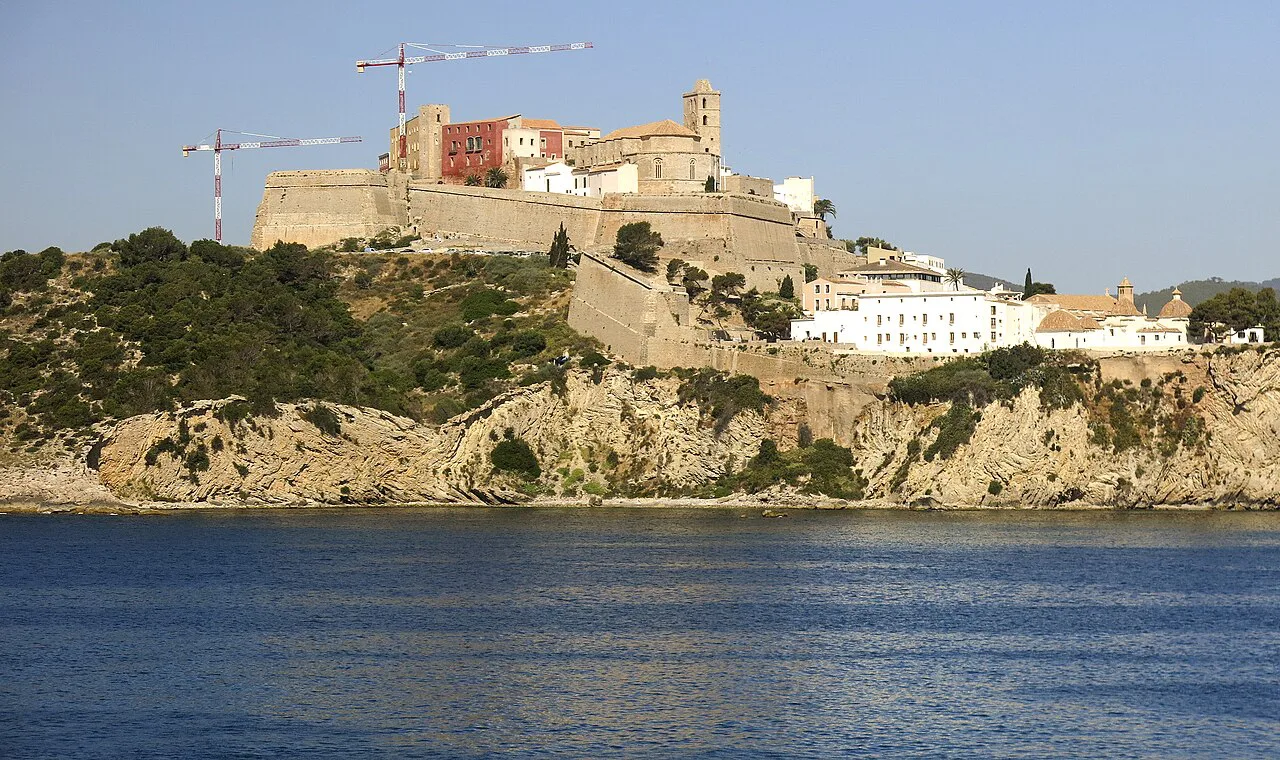
Dalt Vila is the fortified upper town of Eivissa (Ibiza Town), the island's capital, declared a UNESCO World Heritage site for its Renaissance fortification and the layers beneath it. The walled enclosure holds the city's most representative political, religious and commercial buildings, which is why it reads as a town within a town rather than a single monument.
Walking the streets of Dalt Vila is itself the main attraction, rather than a single gated monument, so plan your day around the gate you start from and treat the quarter as a neighbourhood to cross on foot. Individual sites and museums inside set their own terms.
How Dalt Vila is laid out: gate, walls and the climb
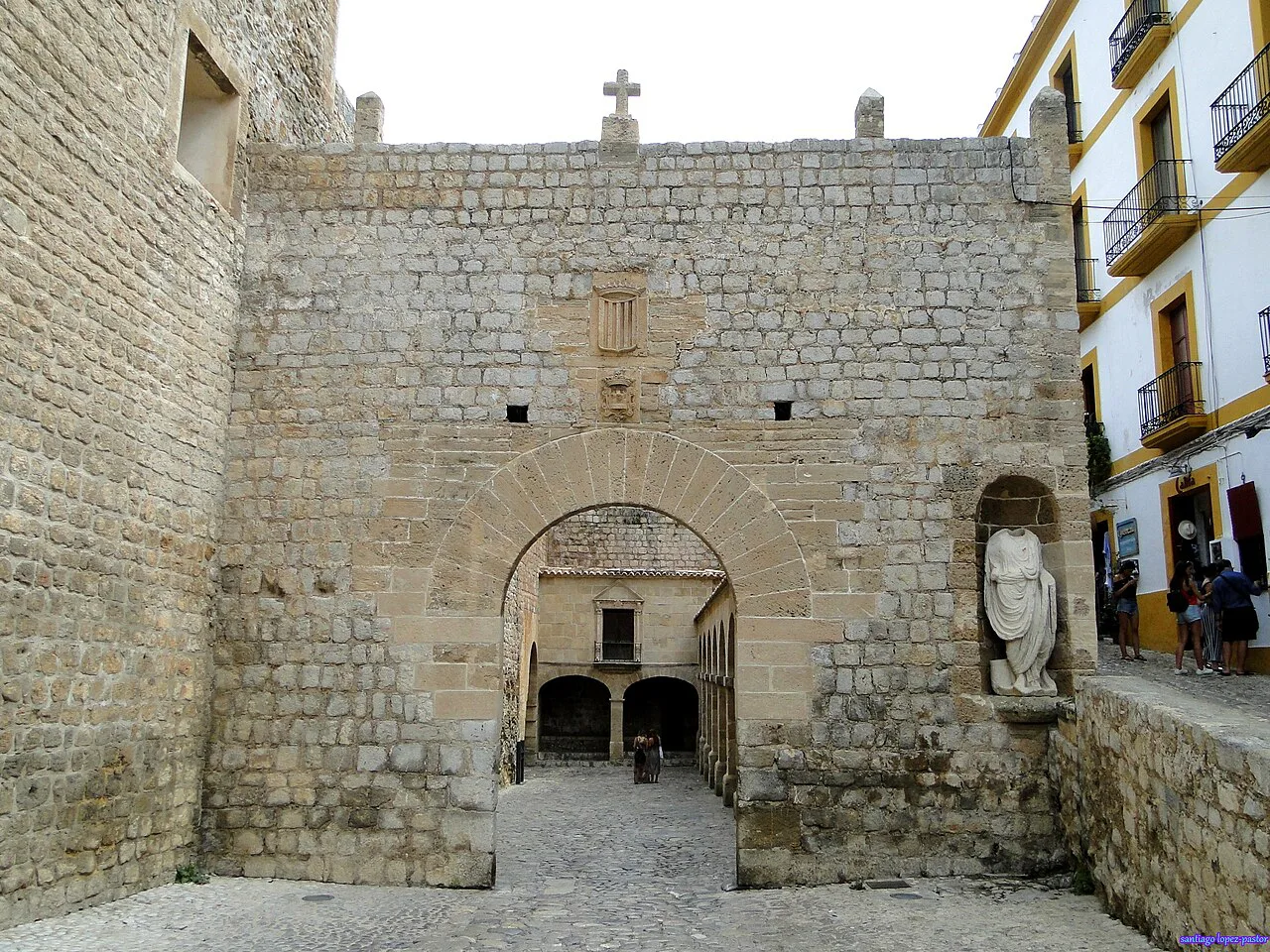
The natural decision point is the Portal de ses Taules, the old entrance through the Renaissance walls that leads into the upper town. From there, streets climb steadily to the cathedral at the top, so the layout is essentially a ring of bastions around a rising core of lanes.
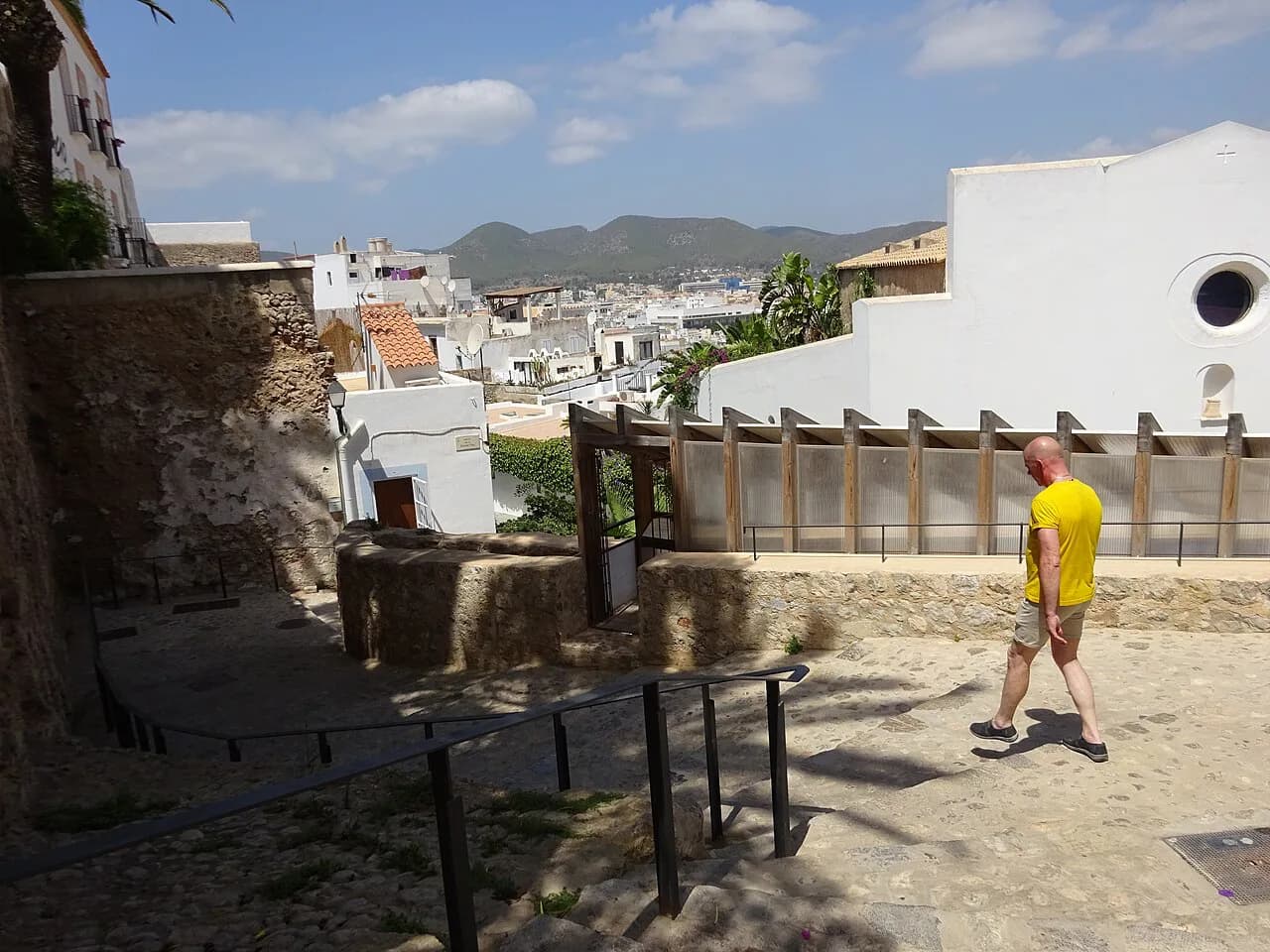
Walking is the only sensible way round, and the surfaces are cobbled, stepped and uneven in places, which matters more than distance. Allow for shade breaks in summer and wear shoes with grip; the climb is short but constant, and the bastion circuit adds a loop rather than a shortcut.
The classic route: in through the Portal de ses Taules
Choose the classic route if this is your first visit and you want a general orientation. It begins at the Portal de ses Taules and works through the heart of the walled town, giving you the shape of the place before you commit to anything else.
The trade-off is coverage: the classic route touches the highlights but leaves the perimeter and the quieter medieval lanes for another pass. If you have only an hour or two between the ferry port and the airport, this is the one to take, and it pairs naturally with a self-guided walking tour of the lower town before you start climbing.
The bastions route: following the Renaissance walls
The bastion route follows the perimeter of the Renaissance walls and gives the best views, looking inward over the historic centre and outward across the sea. It suits anyone who wants photographs, open sky and a sense of how the fortification worked rather than another street of shops.
Because it circles rather than climbs directly, it exposes you to more sun and wind than the sheltered lanes; in high summer, walk it early or late and keep the medieval core for the middle of the day. Set against the classic route, it takes longer and involves more standing at viewpoints, so it rewards a half-day rather than a quick look.
The hidden-streets route: medieval lanes and wandering
The third route is designed for strolling and being seduced by the charm of the medieval alleyways, which means fewer set-piece views and more small turns, shaded passages and sudden openings. It is the one to pick if you have already seen the walls or simply prefer atmosphere to a checklist of monuments.
The hidden-streets route is where the character of the medieval lanes comes through most clearly, with shaded passages and sudden openings rather than set-piece views. If slow wandering is part of your plan, build it into this route instead of trying to add it on at the end of the bastion circuit.
Theatrical visits on Saturdays
The one fixed-time option is the theatrical visit, held each Saturday in Dalt Vila, in which actors recreate how people lived when the Renaissance fortification was built. It is a more structured way to understand the town than walking the streets alone, and it works well if your break includes a weekend.
Booking arrangements and start times change with the season, so confirm the details with the tourist office before you build a day around it. If Saturday is your travel day, keep the morning free and treat the visit as the anchor rather than squeezing it between the ferry and a flight.
How long the climb takes and fitting it into a short break
Budget two to three hours for one route at an unhurried pace, and half a day if you want the bastions plus a wander through the lanes. The climb itself is short but persistent, so the time goes on stops, shade and the detours you take rather than on distance.
From the port, walk up from the harbour front; from the airport, take the bus or a taxi into town and start at the Portal de ses Taules rather than trying to find a car park on the hill. Dalt Vila sits inside a compact city, so it fits neatly into the arrival afternoon or the morning before a flight, provided you leave the bags at your accommodation first.
Practical trade-offs: heat, shoes and services
From October to March the municipal tourism office gives an average of about six hours of daily sunshine and maximum temperatures between 14 and 23 degrees, which makes the climb far more comfortable than in high summer. In the hotter months the walls and exposed bastions catch the full sun, so start early, carry water and use the shaded medieval lanes as your midday fallback.
Where a church or small site inside the walls is your priority, go there first and climb to the walls afterwards, and check opening notices at the door. Where a service is under way, wait outside until it ends.
Carry water, wear shoes that cope with cobbles and steps, and keep valuables close in the busier lanes near the gate. The reward for the uphill work is a compact, car-free quarter where the whole morning can be spent on foot.
Which Dalt Vila route should you take?
Take the classic route from the Portal de ses Taules on a first visit, switch to the bastion circuit if views and the fortification are the draw, and choose the hidden-streets route when you have time to wander. If your break includes a Saturday, let the theatrical visit set the shape of the day.
However little time you have, enter through the gate and walk up rather than viewing the walls from below, because the quarter only makes sense once you are inside it. Confirm the current details of the Saturday visits and any site you plan to enter before you set out.
Frequently Asked Questions
Is Dalt Vila an old town in Ibiza?
Yes. Dalt Vila is the walled historic centre of Eivissa, also called Ibiza Town, on the hill above the port. It is a UNESCO World Heritage site and still contains much of the city's political, religious and commercial architecture.
Sources
Notes for your next Spanish town break
Optional updates to our guides.
You might also like
Continue reading
More guides you'll find useful