Museums in Zaragoza: Roman Ruins, Goya and Free Entry Days
Zaragoza's museums take in Roman theatre and forum remains, Goya and Gargallo. Here is what each holds, how long to allow, and when entry is free.
On this page
Zaragoza rewards two kinds of museum visitor: those who want the Roman city under the streets around the Plaza de la Seo, and those who want painting and sculpture. The four Caesaraugusta sites sit within a few minutes of each other, so a single morning covers the theatre, forum, river port and baths without a bus. This guide sets out what each museum holds, which ones never charge, and how to fit them into a short break built around the old town and the Río Ebro.
Several of the city's museums are free every day, and the municipal ones also open free on a published list of 2026 dates. Ticket prices for the rest are set on each museum's own page, so check the one you plan to enter before you go. Addresses below are included so you can find each door without a separate map search.
Which museums in Zaragoza are free all year
A group of city museums charges nothing on any day of the year, which makes them the simplest way to fill a spare afternoon. That list includes La Lonja, the Museo de Zaragoza, the Palacio de Sástago, Etopía, the IAACC Pablo Serrano, the natural sciences museum at the Paraninfo, the Torreón de la Zuda and the Centro de Historias.
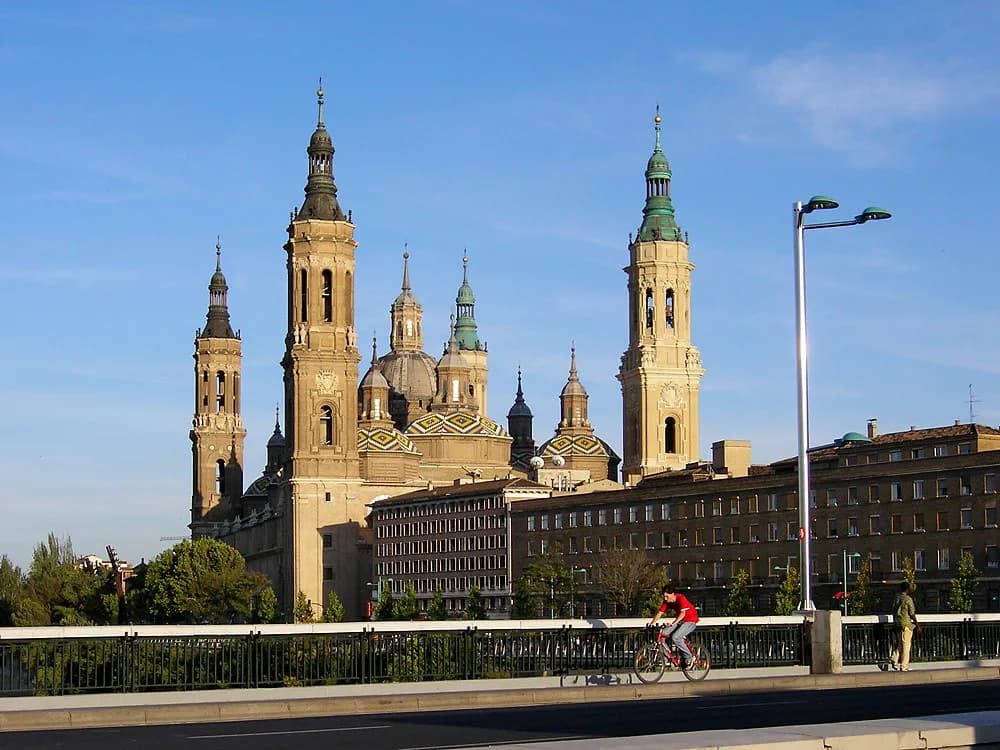
Two of these are worth building a walk around. La Lonja is a Renaissance merchant exchange on the Plaza de las Catedrales, a few steps from the Basílica de Nuestra Señora del Pilar, and the Museo de Zaragoza on the Plaza de los Sitios holds the city's broadest collection. Both free entries mean you can drop in for half an hour rather than committing a whole morning.
If you want a single page that gathers every collection in the city, from the Roman sites to the smaller specialist museums, start with the full list of museums in Zaragoza and then choose by area rather than trying to cover them all.
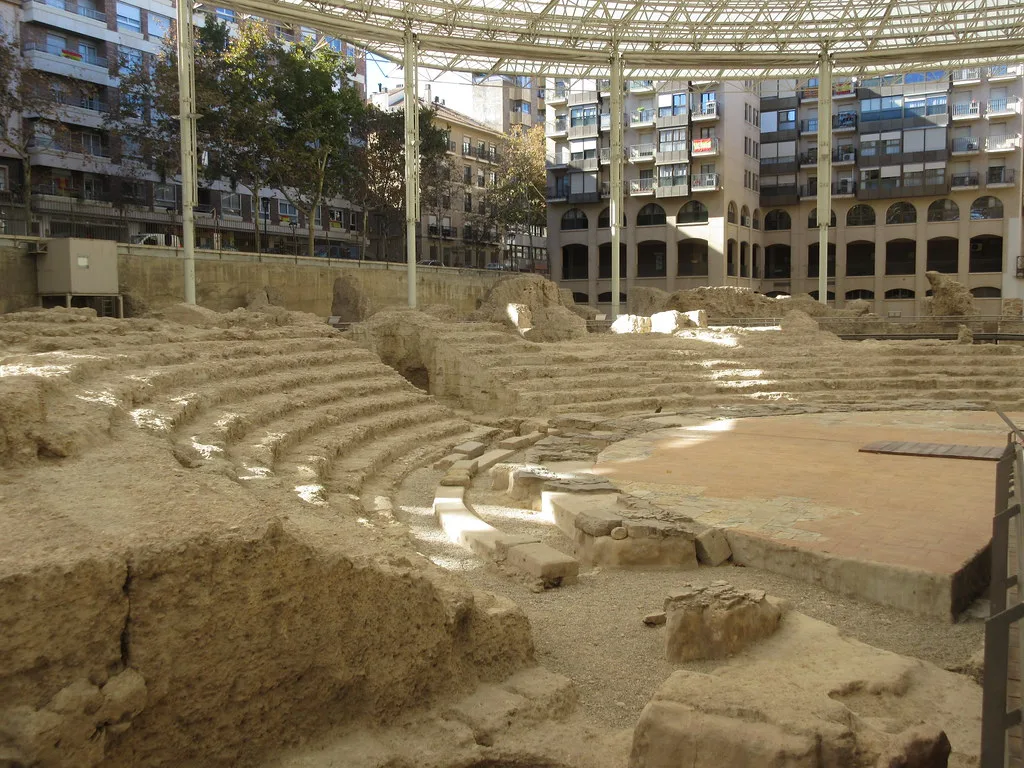
The four Roman museums of Caesaraugusta: theatre, forum, river port and baths
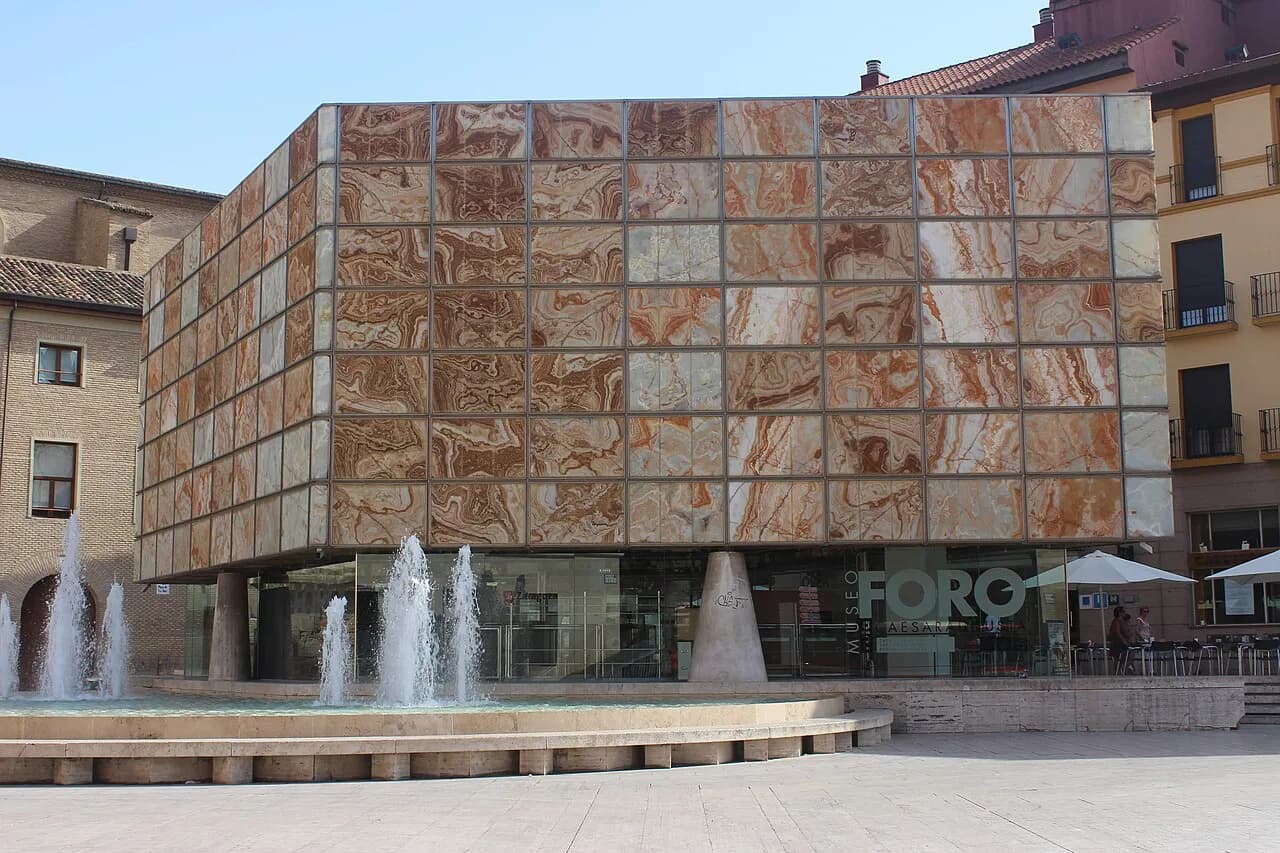
The Roman city is split across four small underground museums, and the choice between them matters more than the order. The Museo del Teatro de Caesaraugusta at Calle de San Jorge 12 displays the theatre discovered during building work in 1972, and you can walk among its walls. The Museo del Foro at Plaza de la Seo 2 covers civic life, with market remains and a ceramics shop beneath the square. The river port museum at Plaza San Bruno 8 explains why a navigable Ebro made the city important, and the baths museum at Calle San Juan y San Pedro 7 covers the bathing, poetry and debate that went with it.
If you have time for only one, choose the theatre: it is the most legible Roman structure and the one that makes the scale of Caesaraugusta obvious. If you have time for two, add the forum, which sits directly under the Plaza de la Seo and slots naturally into a walk through the old town. The port and baths reward anyone who wants the everyday detail of trade and bathing, and all four together are sold as the Ruta Caesarugusta.
The geography is the real advantage. The forum, theatre and baths cluster between the Plaza de la Seo and the river, with the port museum a short walk south at Plaza San Bruno, so you can move between them on foot without losing time to transport. Allow roughly an hour for the theatre alone and treat the others as add-ons rather than equal stops.
Museo de Zaragoza: prehistory to Goya in one building
The Museo de Zaragoza on the Plaza de los Sitios runs from prehistory through Roman, medieval, Gothic, Renaissance and Baroque collections to Goya and the nineteenth and twentieth centuries, all drawn from excavations and holdings across Aragón. It is free to enter, which makes it the best value single stop in the city if you want one museum that explains the region rather than one theme. Because the sweep is so wide, pick two or three periods in advance instead of walking every room.
Its position south of the old town puts it on the way to or from the river, so it pairs well with a morning at the Roman sites. If you are tracing how the city grew from Caesaraugusta to the present, this is the collection that joins the dots, and the historical background on Zaragoza history fills in the periods the displays only summarise.
Museo Goya – Camón Aznar Ibercaja and the Aragonese painters around him
The Museo Goya – Camón Aznar Ibercaja on Calle Espoz y Mina 23 holds more than 500 works connected to Goya, including 15 by the painter himself, shown alongside Aragonese artists such as Bayeu, Luzán, Barbasán and Pradilla. The building was remodelled and took the Goya name in 2015, so the display is built around him rather than treating him as one item in a mixed collection.
This is the museum to choose if painting is your priority rather than archaeology, and it sits within the old town grid close to the Pablo Gargallo museum, so the two can share an afternoon. It is run by a bank foundation rather than the city, so it does not appear on the municipal free-day list and has its own admission terms. Treat the Goya collection as the paid highlight of the trip and confirm the ticket price on the museum's own page before you go.
Museo Pablo Gargallo and IAACC Pablo Serrano: sculpture and modern art
The Museo Pablo Gargallo opened in 1985 at Plaza San Felipe 3 and holds sculptures, drawings, prints and jewellery by the Zaragoza-born sculptor, with rotating modern and contemporary exhibitions in the same rooms. The IAACC Pablo Serrano on Paseo María Agustín 20 is the region's leading contemporary art museum, built around some 150 works donated by the artist's wife Juana Francés and hung with twentieth-century names including Picasso, Miró and Warhol. The IAACC is on the city's all-year free list; confirm entry conditions for the Gargallo museum on its own page.
Gargallo's museum suits anyone who prefers a single artist explored in depth and is easy to fold into an old-town circuit near the Plaza San Felipe. The IAACC is a larger, more varied visit and sits west of the centre towards the river, making it a natural stop on a walk that takes in the Ebro rather than a detour between plazas.
Smaller collections worth an hour: fire museum, ceramics, origami and tapestries
Beyond the headline names, Zaragoza keeps a set of niche museums that fill an hour well when the heat or rain rules out walking. The Museo del Fuego y de los Bomberos covers firefighting and follows the municipal free-day calendar, while the city also has a ceramics museum, an origami museum, the Museo de los Tapices and the Museo de los Faroles y Rosario de Cristal. The Centro de Historias is free year-round and works as a flexible stop.
These are choices for a second visit or a slow afternoon rather than the core of a first trip. Pick by subject: ceramics and tapestries for craft, the fire museum for something children and adults can both follow, origami for a short stop. None requires the planning that the Roman sites or the Goya collection does.
Free entry days in 2026 for the municipal museums and Museo del Fuego
The municipal museums and the Museo del Fuego open free on the first Sunday of each month plus a set of named dates published for 2026. The first Sundays listed are 4 January, 1 February, 1 March, 5 April, 3 May, 7 June, 5 July, 2 August, 6 September, 4 October, 1 November and 6 December. The additional dates are 29 January for San Valero, 23 April for San Jorge, 18 May for International Museum Day and 12 October for the Día del Pilar within the Fiestas del Pilar programme.
The same municipal museums admit several groups free throughout the year: visitors over 65, under-16s, people with a disability rating of 33 per cent or more and their companion, the unemployed, school teachers, professional guides and journalists working, and organised school and youth groups. These concessions apply to the municipal museums and the Museo del Fuego, not to every museum in the city.
CaixaForum Zaragoza has its own arrangement and should not be confused with the municipal list. Entry is free for CaixaBank customers, under-16s and European Youth Card holders, and open to all on 29 January, 23 April and 18 May. The museum list notes that the Museo del Alma Mater is not among the free museums, which saves a wasted walk.
Treat the 2026 dates as a schedule for that year rather than a permanent rule, since the named days move with the calendar and the Fiestas del Pilar programme. A first Sunday is the most reliable free slot for a short break, provided you accept the crowds that come with it.
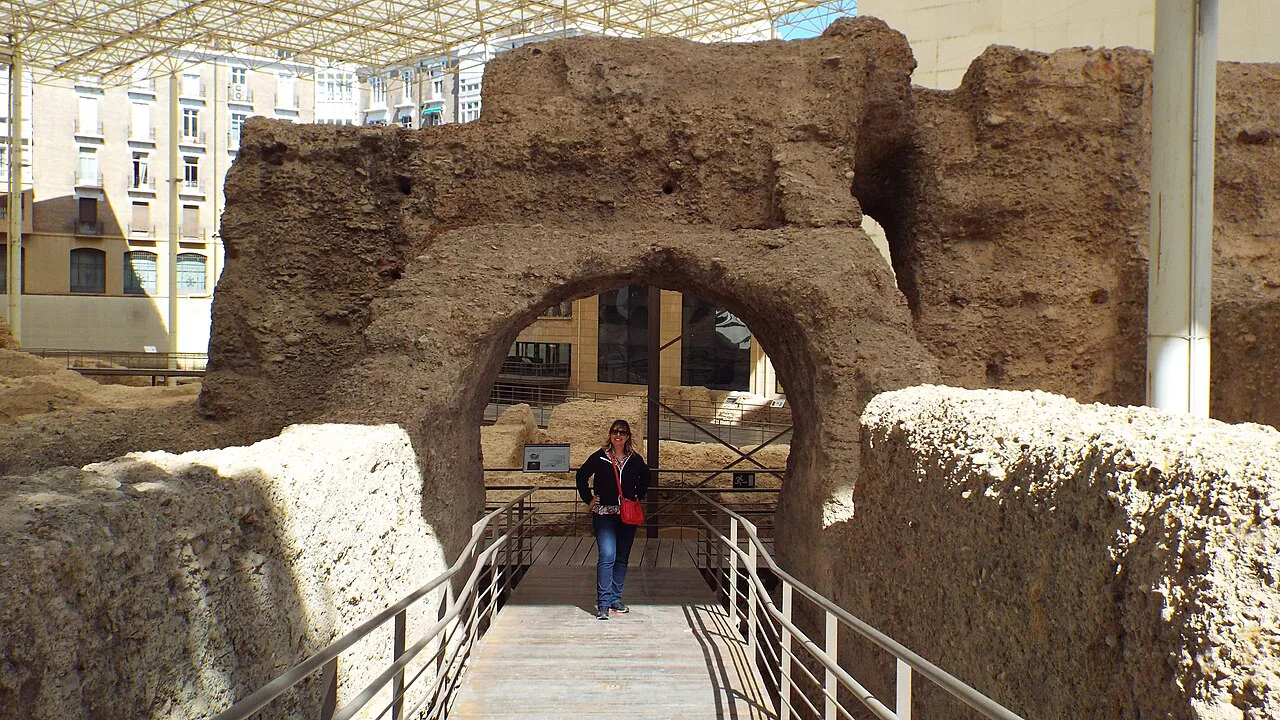
How to group the museums on foot around the old town
Build the day around the Plaza de la Seo and the Plaza de las Catedrales, where the forum museum sits under the square and La Lonja stands beside the Basílica de Nuestra Señora del Pilar. Walk south to the theatre on Calle de San Jorge, then continue to the port museum at Plaza San Bruno near the river. The baths on Calle San Juan y San Pedro sit between the forum and the theatre, so they need no separate journey.
For the art museums, work west and south from the old town: Gargallo at Plaza San Felipe, Goya on Calle Espoz y Mina, the Museo de Zaragoza on Plaza de los Sitios and the IAACC on Paseo María Agustín. Plotting them on a Zaragoza map before you leave avoids backtracking, because the streets between them are narrow and slow going with a crowd.
The Casco Histórico layout is compact enough that no museum on this route needs a tram or bus, though summer heat makes the walk between the river and the Plaza de los Sitios the one stretch to save for a cooler hour.
Which museums to pick on a short break
On a two-night break, take the Roman theatre, the Museo de Zaragoza and the Goya collection, and add La Lonja because it costs nothing and sits on your route. That combination gives you the Roman city, the regional sweep and the painter the city is proudest of without spreading yourself thin. If painting interests you less, swap Goya for the IAACC Pablo Serrano and its twentieth-century holdings.
Travellers with a free first Sunday should move the municipal museums onto that day and use the saving elsewhere. Anyone visiting with children can lean on the fire museum and the free IAACC, while a solo traveller more interested in sculpture can give Gargallo a full hour. The rest of the city's things to do fill the gaps between museum openings.
The Zaragoza Attractions: 6 Visitor Guides cover the monuments that sit alongside these collections, so you can balance indoor time with the Basílica and the riverside. Museo entry conditions change, so confirm hours on each museum's own page before setting out.
How long each museum needs
Give the Roman theatre about an hour, the forum and baths around 45 minutes each, and the river port half an hour. The four together fill a morning comfortably if you do not linger. The Museo de Zaragoza needs at least 90 minutes to do its periods justice, and the Goya collection rewards a similar stretch.
For the sculpture and modern art museums, an hour at Gargallo and 90 minutes at the IAACC is a sensible allowance. The smaller collections take 30 to 60 minutes each, which is why they work as fillers rather than centrepieces. Add walking time between the old town and the Plaza de los Sitios, and a museum-led day runs to roughly five hours without a long lunch.
Choose your Roman morning or your painting afternoon
Decide first whether you want the underground Roman city or the painting collections, because trying to do both properly in one day leaves the Museo de Zaragoza rushed. Roman visitors should start at the Plaza de la Seo and walk south to the river; painting visitors should begin at Gargallo and finish at the IAACC.
Then check whether your dates fall on a free day: a first Sunday, 29 January, 23 April, 18 May or 12 October in 2026. Outside those dates, confirm entry conditions on each museum's own page before you commit, since the free municipal days and the bank-run museums follow different rules.
Frequently Asked Questions
What is Zaragoza famous for?
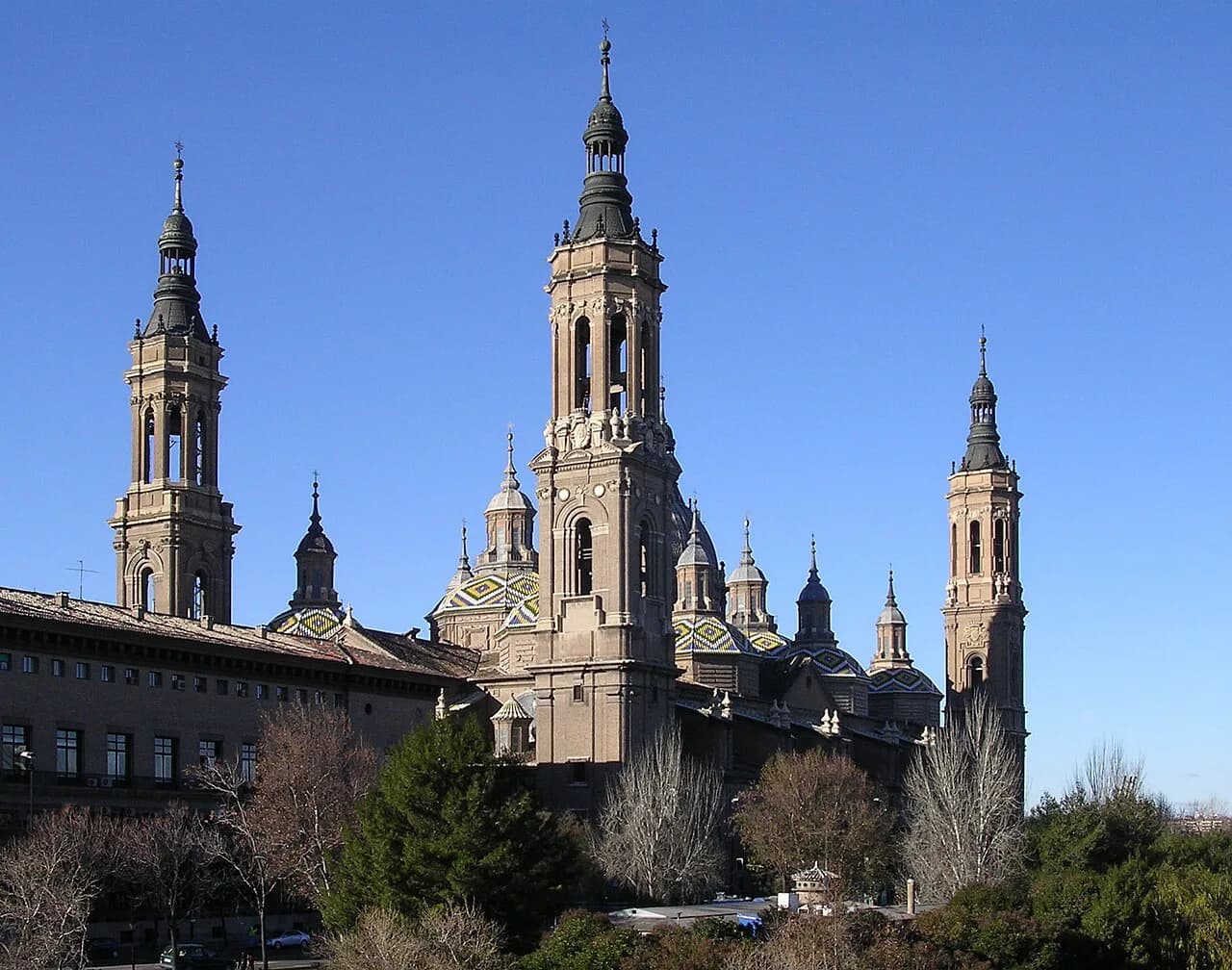
Zaragoza is known for its Roman past as Caesaraugusta, visible in the theatre, forum, river port and baths museums, and for the Basílica de Nuestra Señora del Pilar on the Plaza de las Catedrales. It also has a strong painting tradition centred on Goya, whose works are displayed at the Museo Goya – Camón Aznar Ibercaja and in the Museo de Zaragoza. The old town around the Plaza de la Seo holds most of these in a compact area.
How many days in Zaragoza is enough?
Two full days cover the Roman museums, the Museo de Zaragoza, the Goya collection and a walk through the old town and along the river. Add a third day if you want the IAACC Pablo Serrano, the Gargallo museum and the smaller collections such as ceramics or tapestries without rushing. A free first Sunday or one of the published 2026 municipal free dates lets you fit more into the same time.
Are Zaragoza's museums free on Sundays?
Only the first Sunday of each month is free at the municipal museums and the Museo del Fuego, not every Sunday. The published 2026 first Sundays are 4 January, 1 February, 1 March, 5 April, 3 May, 7 June, 5 July, 2 August, 6 September, 4 October, 1 November and 6 December. Museums such as La Lonja, the Museo de Zaragoza and the IAACC Pablo Serrano are free every day regardless.
Do I need to book museum tickets in advance?
None of the city's museums is presented as requiring advance booking for individual visitors, and the free municipal days are simply open access. The practical risk is arriving at a busy free date and finding the smaller Roman sites crowded, so go early in the day. Check the individual museum's page for group bookings, which are handled separately from walk-in entry.
Sources
Notes for your next Spanish town break
Optional updates to our guides.
You might also like
Continue reading
More guides you'll find useful