Things to Do in Vigo: Old Town, Castro Hill and the Cíes Boats
Plan a short break in Vigo with a walking route through the old town, the climb to Monte do Castro and the boat trip to the Cíes Islands.
On this page
An afternoon and a clear head are enough for the core of Vigo: the old town climbs in a few minutes to Monte do Castro, and the view from the top explains the whole city in one sweep. A full day buys you the boat out to the Cíes Islands as well, subject to weather and the operators' own timetables. This guide organises Vigo by walking effort, then covers how the city fits a wider Galicia itinerary.
What Vigo is known for and where it sits on the Rías Baixas
Vigo sits on the southern shore of the Ría de Vigo, a deep Atlantic inlet in the Rías Baixas, a short drive or rail hop north of the Portuguese border. The city is a working port first and a tourist town second, which shapes both its character and its layout: the old town and the harbour sit at water level, while the land rises steeply behind them.
Most of what a visitor wants lies within a compact triangle: the Casco Vello down by the water, the commercial streets around Porta do Sol in the middle, and Monte do Castro at the top. That means you can plan Vigo as a single loop on foot rather than a series of taxi hops. Count on steep lanes, so put the climb uphill once and come down leisurely.
If you are coming from the north, Vigo sits at the far end of a Galicia route that most British travellers build around A Coruña, Santiago de Compostela or Lugo. Use the coastal city as the anchor and treat Vigo as the southern finish, with the Rías Baixas spread around you at the end of the trip.
A walking route through the Casco Vello
Start at Porta do Sol, the old gate square that still functions as the social centre of the city, and walk down through the arcaded lanes of the Casco Vello towards the harbour. The streets here are granite-paved and squeezed between old buildings, with small squares opening unexpectedly where two lanes meet. Go early in the morning if you want them to yourself.
Below the old town, the row of oyster stalls of A Pedra is the closest thing Vigo has to a signature street scene: a line of small stone stalls where shellfish is shucked to order on the spot. It is a short stop rather than a destination, and a good marker on the map between the old lanes and the port.
If the rain sets in, which is a real risk on this coast, the Casco Vello still works as a wet-weather plan because the lanes are narrow and the arcades under the older buildings give some cover. Pair it with a longer look at the arcaded squares and covered corners rather than pushing on for the hill. In A Coruña, the same logic applies in the arcades off Plaza de María Pita, and the A Coruña old town guide picks up that route where the glass galleries of La Marina leave off.

Monte do Castro: the fortress site and the viewpoint
From the old town, the climb to Monte do Castro is short but steady, and it opens onto a green hilltop where the remains of a fortress sit among lawns and paths. The payoff is the view: the whole ría spreads out below, with the Cíes Islands visible on a clear day and the city's rooftops running down to the water on every other side.
The site is where the first settlers of the city are said to have lived, and the fortress remains make the point that this has been a defensive position for a very long time. No ticket prices or opening hours for the hill are published, so treat it as a free open-air walk and check locally if you want to enter any enclosed part. Take water; the climb is sweatier than it looks.
Place the hill at the end of the walk rather than the start, so the descent takes you back into the old town and the harbour in one go. That ordering also means the effort is paid once, which matters on a hot afternoon or a short break.
The boats to the Cíes Islands
The Cíes Islands lie at the mouth of the ría, and the only practical way to see them is by boat from Vigo's harbour. The crossing commits you to a fixed sailing time out and back, so it eats most of a day and locks your itinerary to the operator's schedule. That is fine on a clear forecast and a poor trade on a grey, windy morning.
Boat timetables, prices and booking rules are not fixed here, so confirm sailings with the operator or port before you build a day around them, especially outside the summer season. In peak summer the boats fill and the crossing is in demand, so book ahead if the islands are the reason for your visit.
If the weather turns, the old town and the hill stay open regardless of the forecast, so the Cíes crossing is the flexible piece. Treat it as the clear-day option and keep the city loop as the fallback.
How long Vigo needs: an afternoon, a full day or a base for the rías
An afternoon is enough for the Casco Vello loop, Porta do Sol and the climb to Monte do Castro, and that is the right unit for a cruise stop or a first evening. A full day adds the Cíes crossing or a slower wander along the ría shore. Two nights turns Vigo into a base: the Rías Baixas spread out around it, so the city works as the southern end of a longer tour.
Check timetables for the day you travel rather than guessing: schedules for the port and stations are not fixed in this guide. Vigo is the kind of city where the fixed points are fewer than they look and the wandering is the point, so leave slack in the plan.
Getting in from the port and station, and how Vigo fits a Galicia trip
Vigo's cruise terminal sits close to the centre, which makes the city one of the easier Galician ports for a short independent stop. The railway station sits further back from the waterfront, so allow extra time on foot and check the bus or taxi options on arrival.
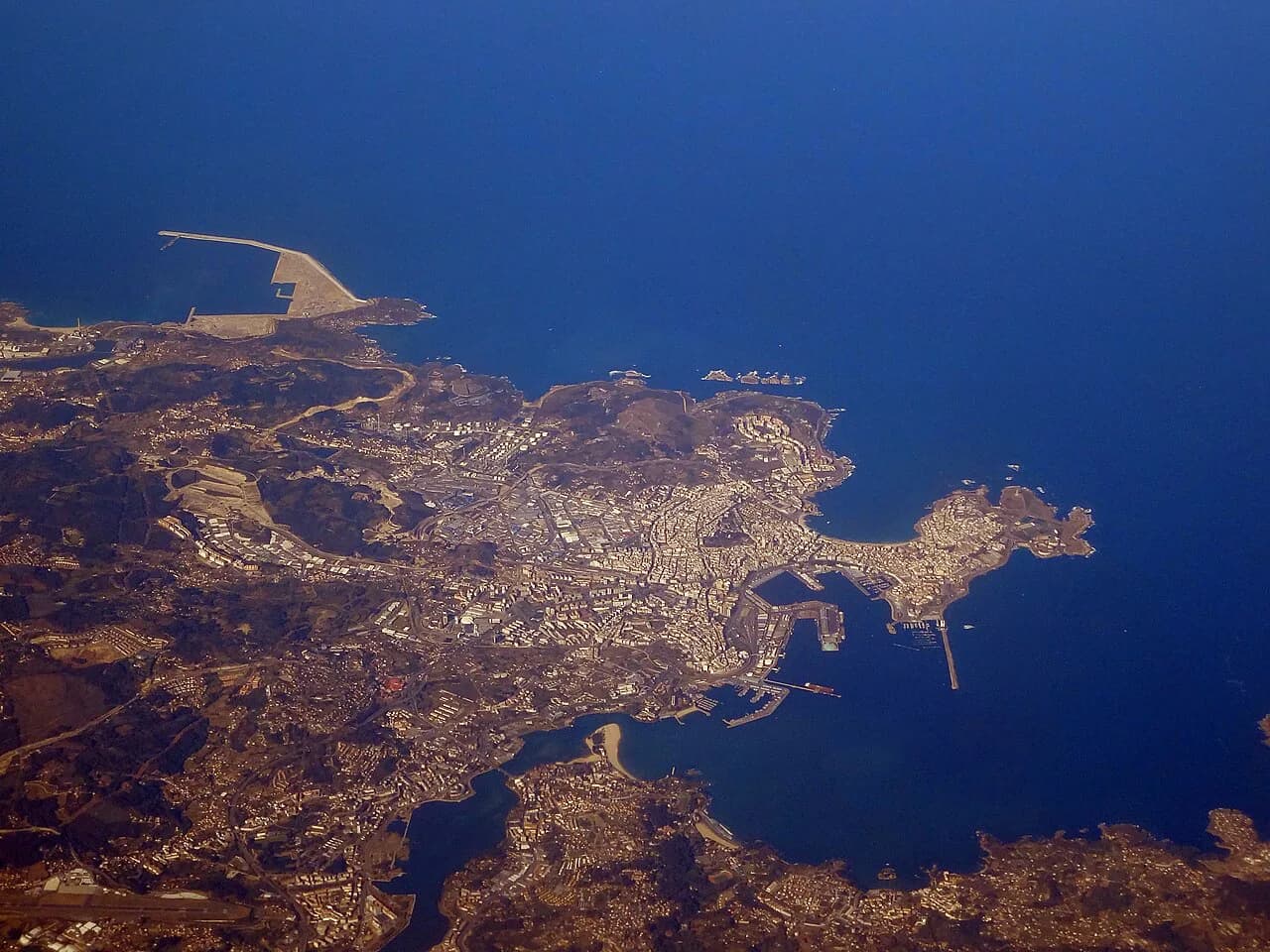
Within Galicia, Vigo fits neatly at the end of a route from A Coruña or Santiago de Compostela. If you are planning the northern half first, the Things to do in A Coruña guide covers the coastal city in detail, from the glass galleries of La Marina to the Torre de Hércules, and is a sensible base before heading south into the Rías Baixas.
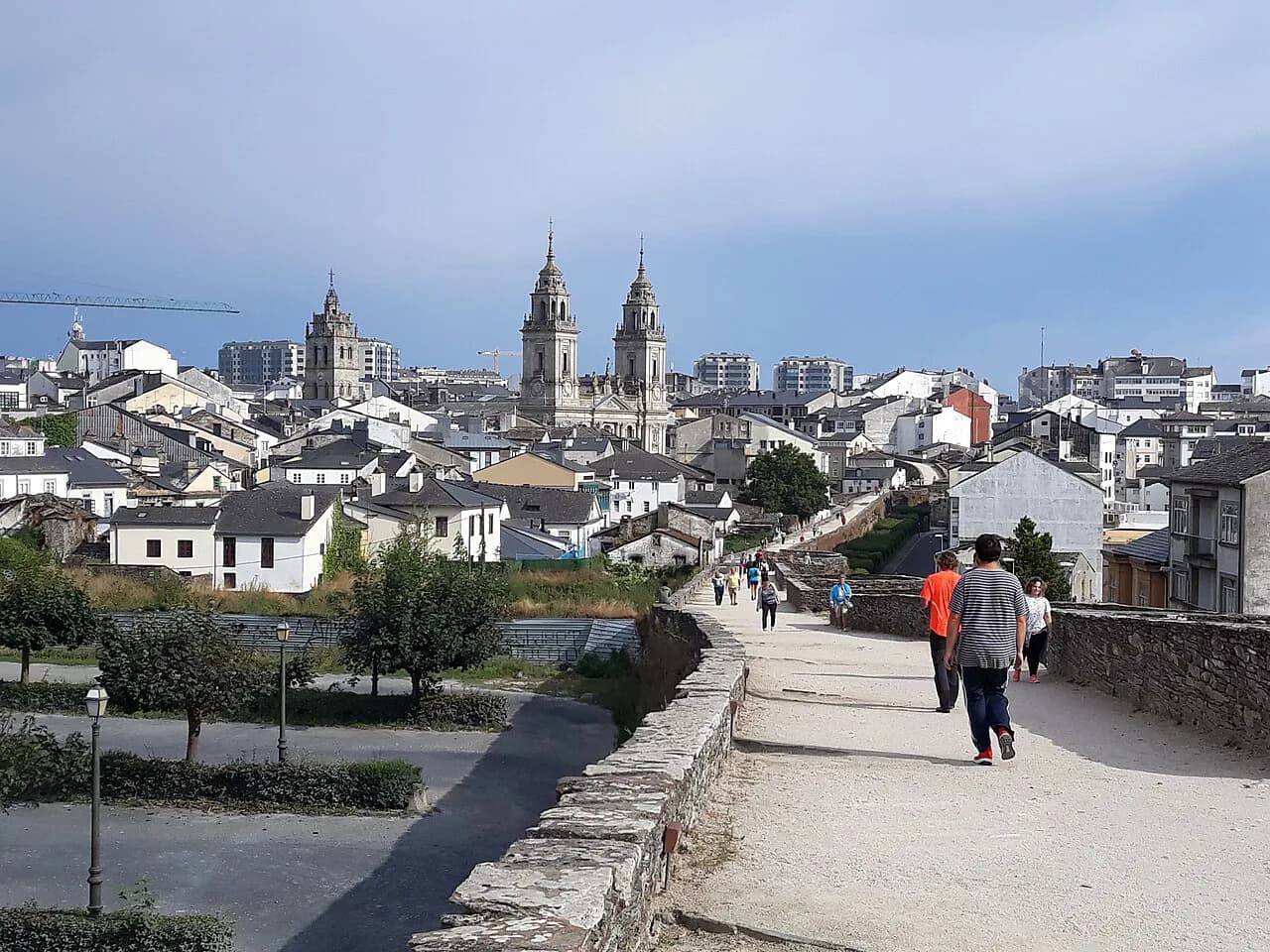
A stop in Lugo on the way south or north makes a natural break, since the Muralla Romana de Lugo is the only complete Roman city wall in the world and a UNESCO World Heritage site. That makes it a strong half-day stop between the coast and the interior.
Free and low-cost things to do in Vigo
The reliable low-cost plan in Vigo is entirely outdoors: the Casco Vello lanes, Porta do Sol, the arcades and the walk up Monte do Castro cost nothing beyond your time. The oyster stalls at A Pedra are a small, singular stop rather than a meal, so they suit a modest budget.
Current ticket prices for the Cíes boats or any museum are not given here, so check with the operator or the city's tourist information before you commit a day to them. Treat the free outdoor loop as the core of the plan and the paid extras as additions, not the other way round.
Practical trade-offs: Atlantic rain, steep streets and summer queues
The Atlantic weather is the single biggest factor in planning Vigo. Rain is common, and it changes the day completely: the hill and the boat crossing lose their appeal, and the old town becomes the plan. Build in a wet-weather alternative rather than hoping the forecast holds.
Steep streets are the second factor, because the route from the harbour to Monte do Castro climbs steadily and the lanes are paved and slippery in rain. Wear real shoes and do the ascent once. In summer, the boats fill and the old town lanes crowd, so start early and book ahead where you can.
Which Vigo plan fits your day
Choose the afternoon loop if you are arriving by ship or have one evening: old town, Porta do Sol, up to Monte do Castro and back down. Choose the full day with the Cíes crossing if the forecast is clear and you have booked ahead. Either way, put the climb once and keep the city loop as the fallback.
Frequently Asked Questions
Is Vigo, Spain expensive?
Current prices for Vigo's boats or museums are not fixed in this guide, so check with the operator or the city's tourist information on the day. The outdoor core of the city, the old town, Porta do Sol and the climb to Monte do Castro, costs nothing beyond your time.
Can you walk into Vigo from a cruise ship?
The cruise terminal sits close to the centre and the old town is a short walk away, which makes Vigo one of the easier Galician ports for an independent stop. Allow extra time if you want to climb to Monte do Castro and return before your ship's departure.
What is Vigo known for?
Vigo is known for its working port, its old town on the hillside, the oyster stalls of A Pedra and the views over the Ría de Vigo from Monte do Castro. The boat crossing to the Cíes Islands is the other signature experience, subject to weather and operator schedules.
Sources
Notes for your next Spanish town break
Optional updates to our guides.
You might also like

Continue reading
More guides you'll find useful