Museums in Girona: What to See and How Long Each Takes
Plan museum time in Girona: what the art, history, Jewish history, archaeology and cathedral museums hold, entry prices, free slots and Monday closures.
On this page
Girona's museums suit a short break because they sit close together and reward short visits: three or four in a day is realistic, and two is comfortable if you also want the cathedral and the walls. The core is the Museu d'Art beside the cathedral, the history and Jewish history museums in the old quarter, the archaeology museum in Sant Pere de Galligants and the cathedral treasury. This guide covers what each collection holds, the entry prices the sources give, the seasonal hours at the art museum and how to order the day on foot.
Most of the city's museums are inside the Barri Vell, the compact old quarter on the right bank of the Onyar, so you can walk between them rather than plan transport. The Mercadal museums and Casa Masó sit slightly downstream near the river crossings, which makes them a natural finish rather than a start.
What museums Girona has and how they cluster
Girona keeps seven museums, plus temporary exhibition rooms, and most are registered with the Catalan museum register according to the city museum guide. The cluster worth planning around is the cathedral hill and the old quarter: the art museum in the old bishop's palace, the cathedral treasury, the city history museum and the Jewish history museum are all within a few minutes of each other. The archaeology museum stands slightly north at Sant Pere de Galligants, and the cinema museum and Casa Masó sit down in the Mercadal and along the Onyar.
That layout means you rarely need a bus or taxi: pick a bank of the old town, work uphill to the cathedral, then drop down to the river. If you want the wider context of what else fills a short break, the broader list of things to do in Girona puts the museums alongside the walls, the cathedral and the riverfront.
Allow one to two hours per museum, less for the treasury room and more for the art museum if temporary exhibitions are running. A realistic museum day is the art museum in the morning, the history and Jewish history museums after lunch, and the cathedral treasury last while the light holds.
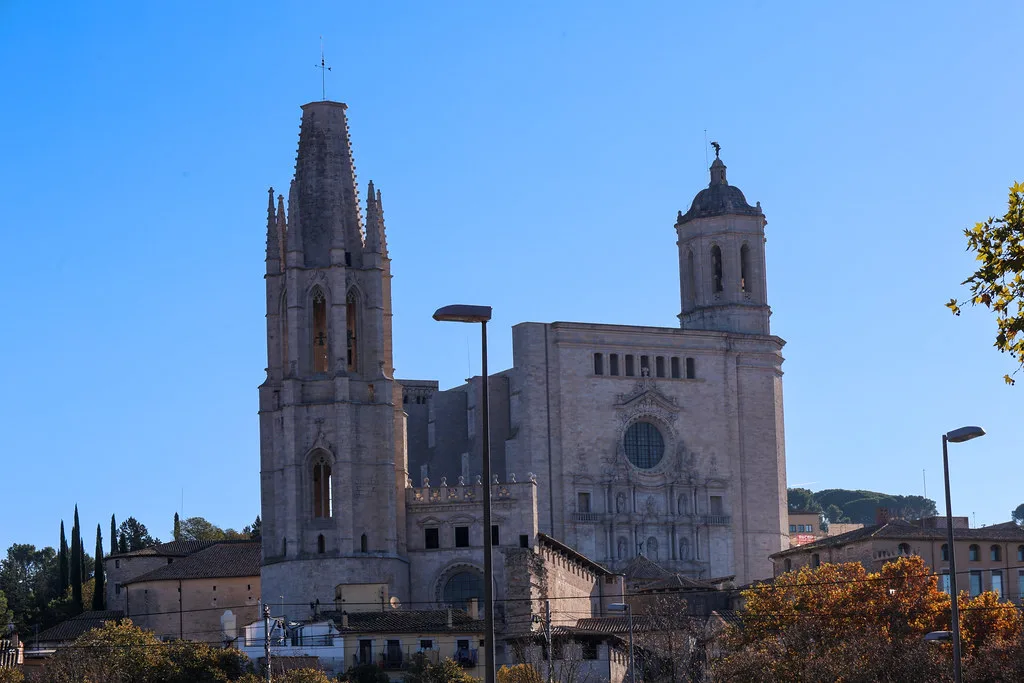
Museu d'Art de Girona: Romanesque to contemporary art
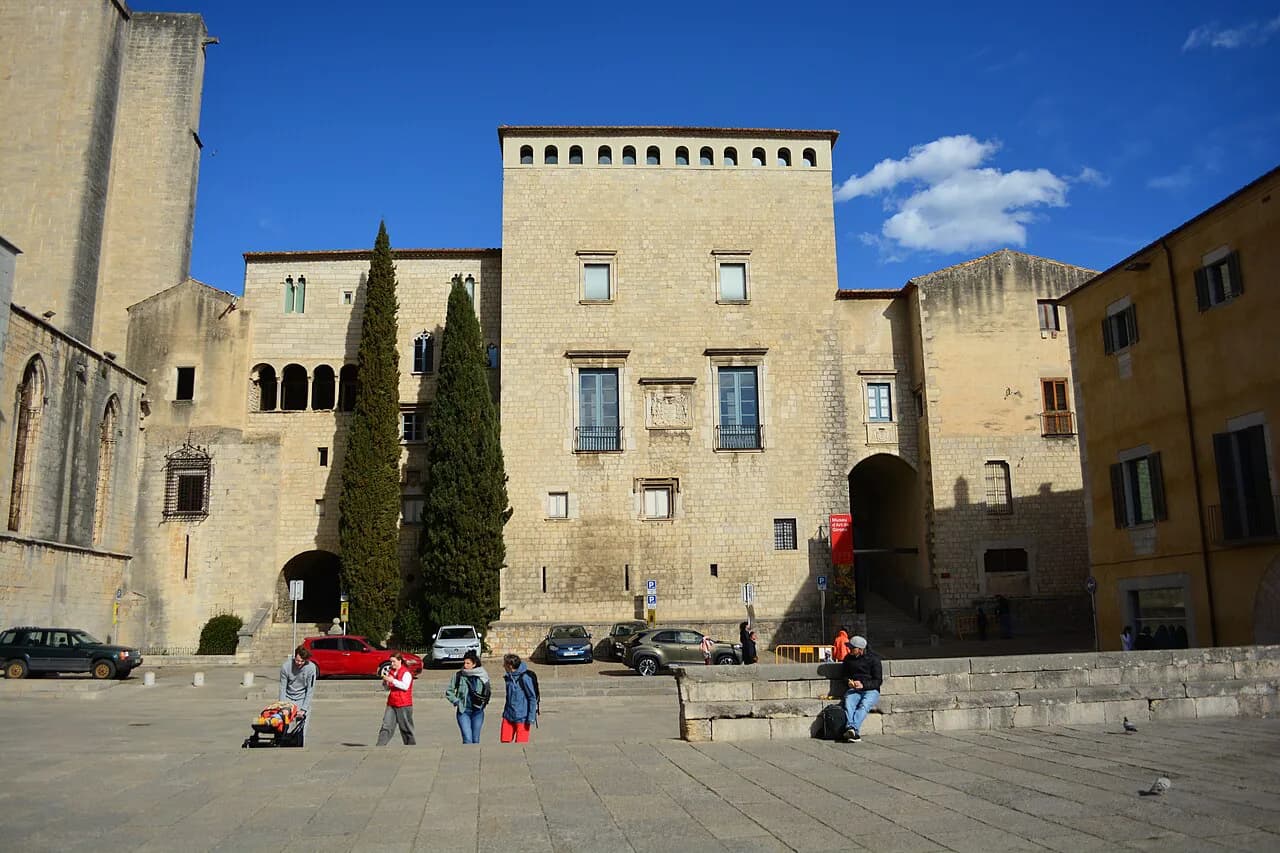
The Museu d'Art de Girona occupies the old Episcopal Palace at Pujada de la Catedral, 12, directly beside the cathedral, and holds the most important art collection in the Girona districts. The permanent route runs from Romanesque works of the ninth to twelfth centuries through Gothic, Renaissance and Baroque painting to the nineteenth, twentieth and twenty-first centuries, so it doubles as a survey of Catalan art rather than a single-period gallery. The museum's own listing also gives a separate heritage space, the Antic Hospital de Santa Caterina, on Plaça Pompeu Fabra, 1.
The museum also runs temporary exhibitions and family activities, so check the exhibition calendar before fixing your day; a major show can push a one-hour visit to two. A free-tour guide lists art museum entry at 4 euros and cathedral museum entry at 7 euros, which makes the art museum the cheaper of the two old-town collections.
Because it sits on the cathedral steps, the sensible order is art museum first, cathedral and treasury second, then down into the old quarter. Doing it the other way round means climbing the same slope twice in the afternoon heat.
Museu d'Art opening hours by season
The Museu d'Art keeps weekday hours of 10:00 to 19:00 from May to September and 10:00 to 18:00 from October to April. Sundays and public holidays close early, at 14:00, and the museum is shut on Mondays except public holidays. Those seasonal hours matter in a short break: an autumn or winter afternoon gives you an hour less than summer.
Treat the Monday closure as the key planning fact for any museum day, since a Monday break can cost you the art museum entirely and push you towards the cathedral and the archaeology museum instead. Sunday morning is short, so arrive near opening rather than mid-morning if you want a full run through the collection.
Museu d'Història de Girona in the Barri Jueu
The Museu d'Història de Girona sits inside the old Jewish quarter, in a building that was formerly a Capuchin convent, and tells the city's story from its Roman origins through its medieval growth. It is the museum to choose if you want one place that explains how Girona was laid out, which makes the later walk through the Força Vella and along the walls easier to read. The displays cover the city's Roman foundation and its subsequent development in sequence.
Allow around an hour. Because it sits in the Jewish quarter, it combines naturally with the Jewish history museum a few lanes away: one explains the city, the other the community that shaped these streets.
Museu d'Història dels Jueus and the synagogue remains
The Museu d'Història dels Jueus opened in 2000 as part of the Institut d'Estudis Nahmànides, the research institute named after the thirteenth-century scholar Nahmanides. Girona preserves one of the best-kept Jewish quarters in Europe, and the museum explains the communities that settled across Catalonia with Girona at the centre. In the courtyard of the same building you can see the remains of the last of the city's synagogues and of a small Jewish ritual bath.
The building and its courtyard are the reason to come: the story of the community is told on site, next to the stones themselves. Plan the visit before or after the city history museum and walk the surrounding lanes while the context is fresh; the guides to Girona's Jewish quarter cover the streets around it.
Museu d'Arqueologia in Sant Pere de Galligants
The Museu d'Arqueologia de Girona occupies the former monastery of Sant Pere de Galligants, a Romanesque building north of the old quarter, and shows archaeological material found across the Girona region from different periods and civilisations. It forms part of the Museu d'Arqueologia de Catalunya in Girona alongside the site at Ullastret. The monastery setting is half the visit: the cloister and the stone church do as much work as the display cases.
If you are following the city's Roman and medieval layers, pair it with the history museum, which gives the narrative that the objects illustrate. The walk there also takes you past the northern edge of the old town, so it works well as a first stop before you climb to the cathedral.
Museu-Tesoro de la Catedral: nave, cloister and treasury
The cathedral museum is the most prominent of the city's collections and covers three distinct spaces: the Gothic nave, the Romanesque cloister and the treasury room. The treasury holds pieces of real value, including the Tapís de la Creació, the Creation tapestry, and the Beatus de Girona manuscript. Entry to the space is listed at 7 euros, with discounts available, and it opens on almost every day of the year.
Allow an hour, more if you read the tapestry closely. The trade-off is that the cathedral itself is a working church, so tourist access can be restricted during services; if you want both the nave and the museum, go early and check the day's arrangements at the entrance.
Casa Masó: the Onyar house you can go inside
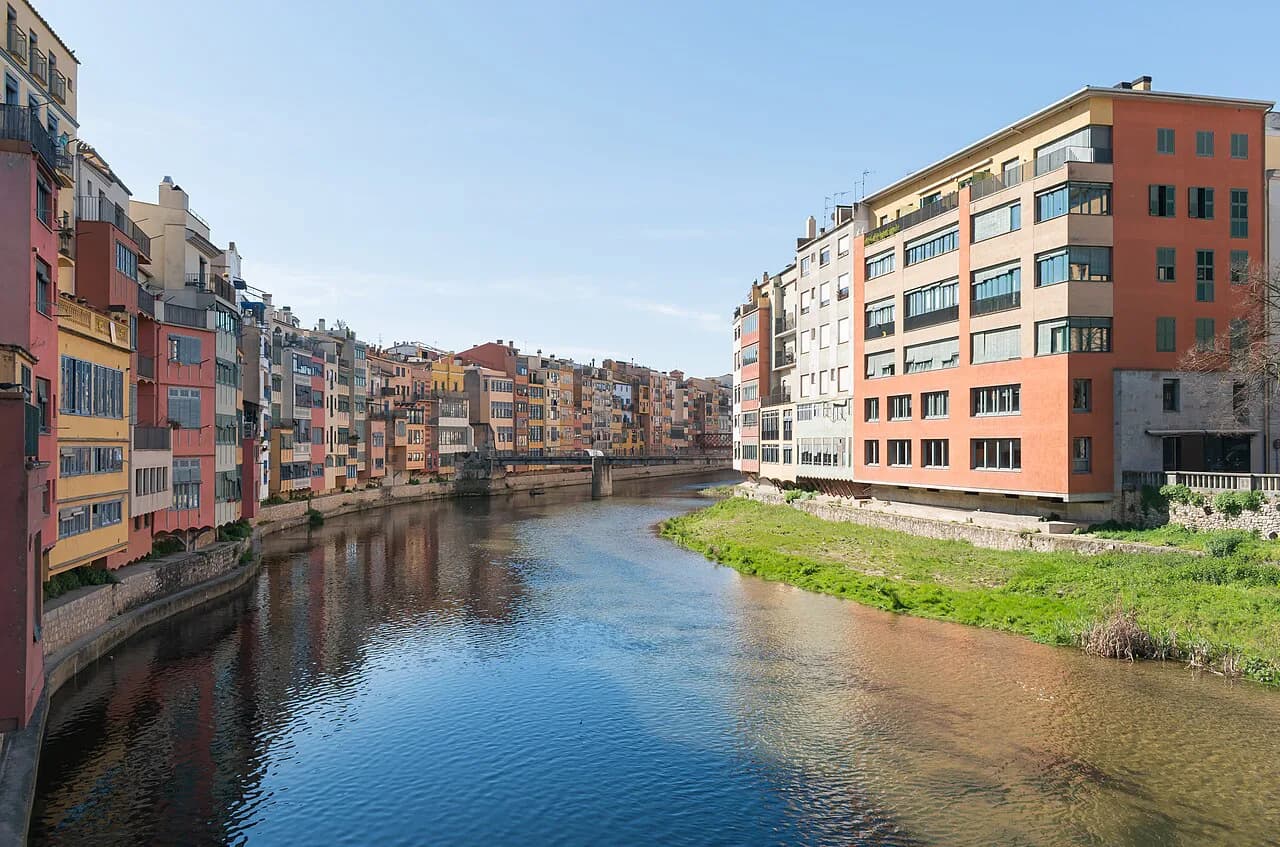
Casa Masó, run by the Fundació Masó, is the only one of the houses along the Onyar that you can go inside. Rafael Masó, the leading figure of Girona's Noucentisme movement, was born here and remodelled the house in 1929. Visits are by reservation only, so it needs booking before you travel rather than deciding on the day.
The house earns its slot if you are interested in architecture or interiors; if you have one day and only want the big collections, the art museum and the cathedral treasury give more for the time. It also sits close to the river crossings, so it fits at the end of a walk along the Onyar rather than in the middle of the cathedral hill.
Museu del Cinema in the Mercadal
The Museu del Cinema, in the Mercadal district, is the interactive option and explains the evolution of cinema from its beginnings to the present, with cycles and festivals tied to film running through the year. It is the museum most suited to mixing a collection visit with something lighter after a morning of Romanesque art and medieval stone.
Because it sits down in the Mercadal rather than on the cathedral hill, it works as the last stop of the day, on the way back towards the river and the newer streets. Shopping in Girona is concentrated in the same lower part of the city, so a cinema visit can close a museum day that ends with browsing rather than climbing.
First-Sunday free entry and what tickets cost
The local museum guide says the first Sunday of each month brings free entry to the museums without naming which ones, so treat it as a lead rather than a city-wide promise and confirm at the door of whichever museum you plan to start with. The same guide lists art museum entry at 4 euros and cathedral museum entry at 7 euros, both modest compared with larger Catalan cities.
Free days are also busy days. If you want the Creation tapestry and the Beatus without company, pay on a weekday morning instead and treat the free Sunday as a bonus rather than the plan.
Fitting museums around the cathedral, the walls and the Onyar
A workable one-day order starts at Sant Pere de Galligants for the archaeology museum, climbs to the cathedral for the art museum and the treasury, drops into the old quarter for the history and Jewish history museums, and finishes at Casa Masó or the cinema museum down by the river. If you would rather have a guide explain the streets between them, a Girona walking tour covers the same ground and frees you to choose two museums properly instead of five quickly.
The old town's lanes rise and fall sharply, and the cathedral hill is the steepest section, so put the climbing early and the riverside last, especially in summer. If television locations are part of why you came, the Game of Thrones Girona route through the cathedral and old-town steps overlaps most of this museum walk.
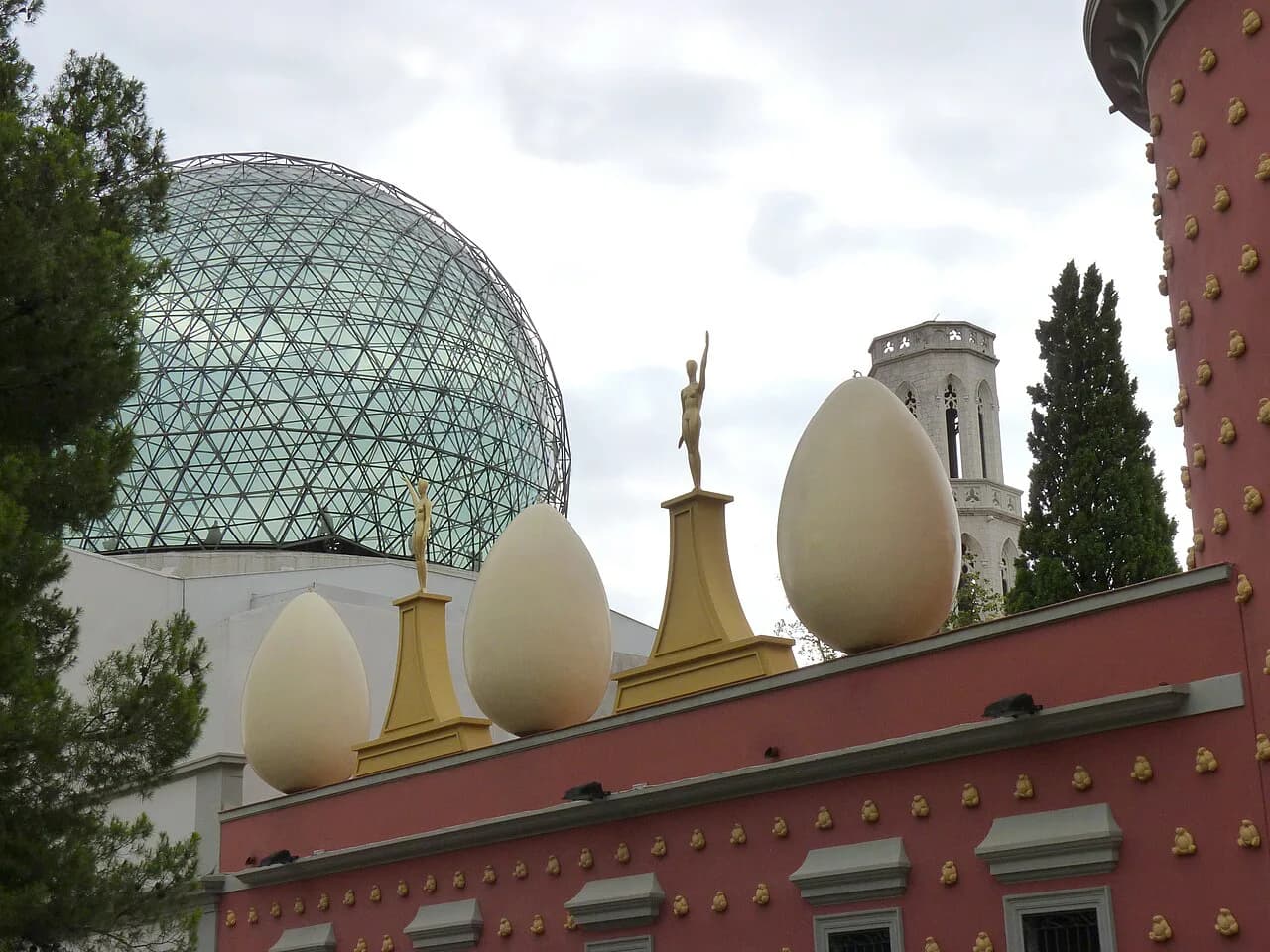
Beyond the city, the Dalí triangle at Figueres, Portlligat and Púbol and the Greco-Roman ruins at Empúries are separate outings rather than add-ons to a museum day here.
Monday closures and the shape of a museum day
The Monday closure at the art museum is the fact that shapes the week, and public holidays are the exception. Build a Monday around the cathedral museum, the archaeology museum and whatever old-quarter collections are open that day, and keep the art museum for a Tuesday or later. Sundays are short at the art museum, closing at 14:00, so a Sunday works best as a morning-only museum slot.
Pick up a Girona map before you start so the order makes sense on the ground: the difference between a good museum day and a rushed one is usually the walking, not the collections.
Which museums to pick if you only have one day
With one day, choose the Museu d'Art for the Romanesque-to-modern sweep and the cathedral treasury for the Creation tapestry and the Beatus, then add either the Jewish history museum or the city history museum depending on whether the community or the city interests you more. With two days, add the archaeology museum at Sant Pere de Galligants and book Casa Masó ahead. The full set of Girona Attractions: 6 Visitor Guides shows how the museums sit alongside the cathedral, the walls and the river.
Check the art museum's page or the door for the day's hours before you set out, since seasonal timetables and exhibition changeovers can shift the plan.
Frequently Asked Questions
What is the best way to get to Girona from Barcelona for a museum day?
That is a transport question rather than a museum one, and schedules change. Check the current train and coach timetables from Barcelona before fixing your museum order, because arrival time determines whether you can fit the art museum and the cathedral treasury in the same morning.
Is Girona an expensive city for museum visitors?
The cathedral museum and the art museum carry modest entry charges, and the local museum guide states that the first Sunday of the month brings free entry to the museums it names. Outside that, treat each museum's published price as the figure to budget rather than a city-wide average.
What is the history of the city of Girona?
The Museu d'Història de Girona tells that story from the Roman foundation onwards, and the Jewish history museum covers the community that shaped the old quarter. The Roman and medieval layers are also visible in the streets and walls around both museums.
Sources
Notes for your next Spanish town break
Optional updates to our guides.
You might also like
Continue reading
More guides you'll find useful