Things to Do in Jerez de la Frontera: Alcázar, Cathedral and Flamenco
Plan a short break in Jerez with the Alcázar, the cathedral, San Miguel, the flamenco neighbourhoods and the equestrian school, grouped by area.
On this page
Start at the Alcázar, the Almohad fortress that is the oldest monument in the city, then walk ten minutes to the cathedral on the Plaza de la Encarnación; those two plus one flamenco quarter make a solid first day in Jerez. The town is compact enough to cross on foot, so the real planning question is which quarter to give your morning and which to leave for the cooler end of the afternoon. This guide groups the sights by neighbourhood, explains what each ticket actually buys, and shows how the pieces fit a short break.
What to see first in Jerez de la Frontera
The Alcázar and the cathedral sit within a few minutes of each other in the historic centre, and the local sight list calls the fortress the oldest monument in Jerez and an essential visit. Build your first morning around that pair, then use the afternoon for whichever quarter appeals: San Miguel for flamenco history or Santiago for a quieter version of the same story. The old town as a whole is easy to read on foot, and a printed or phone map is useful mainly for finding the smaller churches tucked between shopping streets.
Jerez is known for three things at once, wine, horses and flamenco, and each has a place you can actually visit rather than just read about. The city sits in the province of Cádiz, about 11 km from the Atlantic and roughly half an hour by car from Sanlúcar de Barrameda, which makes it a natural base for the sherry triangle rather than a stop to rush through. Travellers who fly in and head straight for Seville or Cádiz miss a historic centre that rewards a full day of walking.
The layout follows the old medina: the Almohad wall once ran some 3 km around the town, and fragments of it still turn up between buildings. In practice that means the centre is a knot of narrow streets around the Alcázar, with the long shopping spine of Calle Larga and the open space of the Plaza del Arenal giving you two clear landmarks to navigate by.
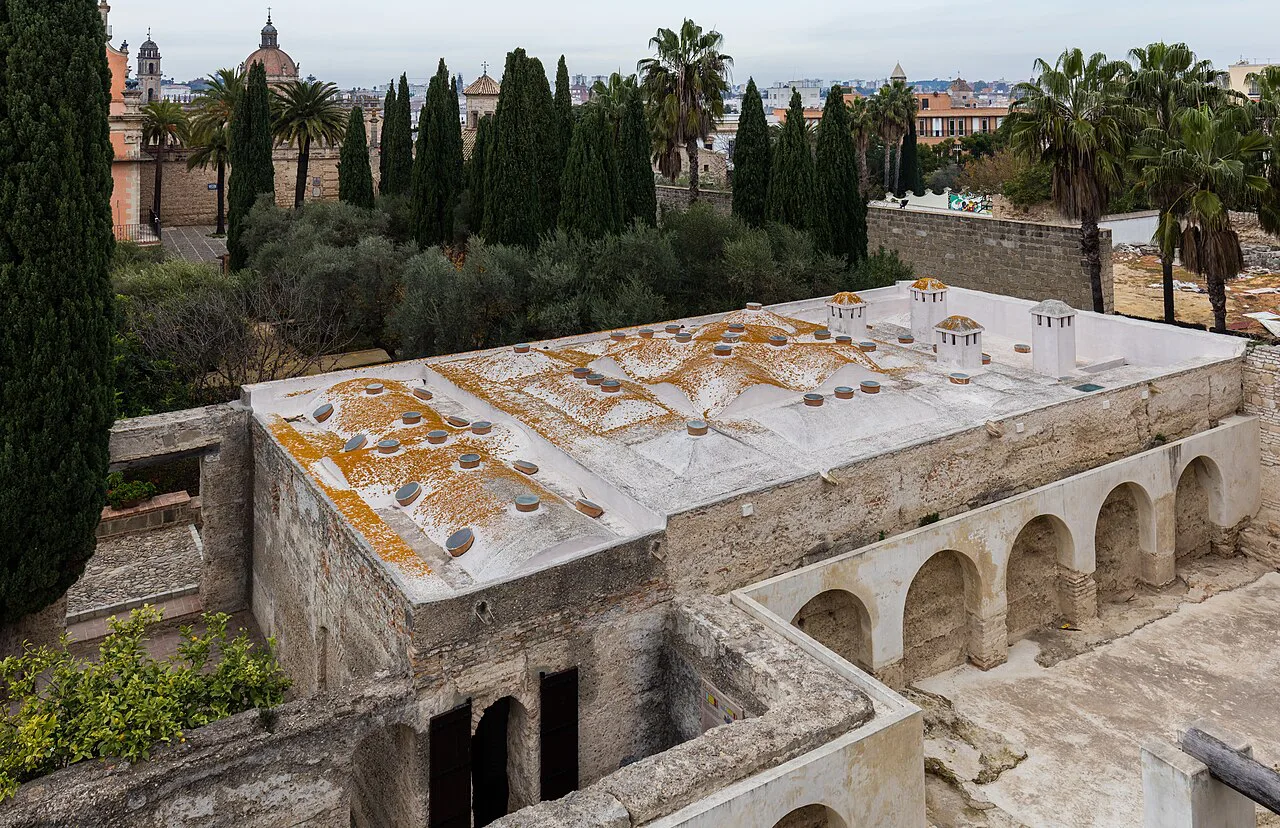
The Alcázar: Almohad fortress, mosque, Arab baths and gardens
The Alcázar is the strongest single reason to come to Jerez. Built by the Almohads in the 12th and 13th centuries, it survives as one of the few examples of Almohad architecture left on the Iberian peninsula, and it served three purposes at once: military, defensive and residential. Inside you see the old city gate, a mosque later converted into a church, the Arab baths, crenellated towers and walls, and gardens added after the Christian conquest of 1264.
The site layers periods on top of each other. Between 1264 and the 17th century came an oil mill, the Patio de Armas, the Patio de San Fernando, the baroque Palacio de Villavicencio built over an earlier Arab palace, and horseshoe-arched doorways. The Torre del Homenaje, with one of the best views over the city, is inside the Alcázar, so mark the fortress on your Jerez Map before you set out.
One detail is worth knowing before you go in: inside the church, the spot where the Virgin stands marks the direction of Mecca, a memory of the building's life as a mosque. That single fact repays a guide or an audio tour more than any other on the site, because it is easy to walk past without noticing. The entrance is on the Alameda Vieja.
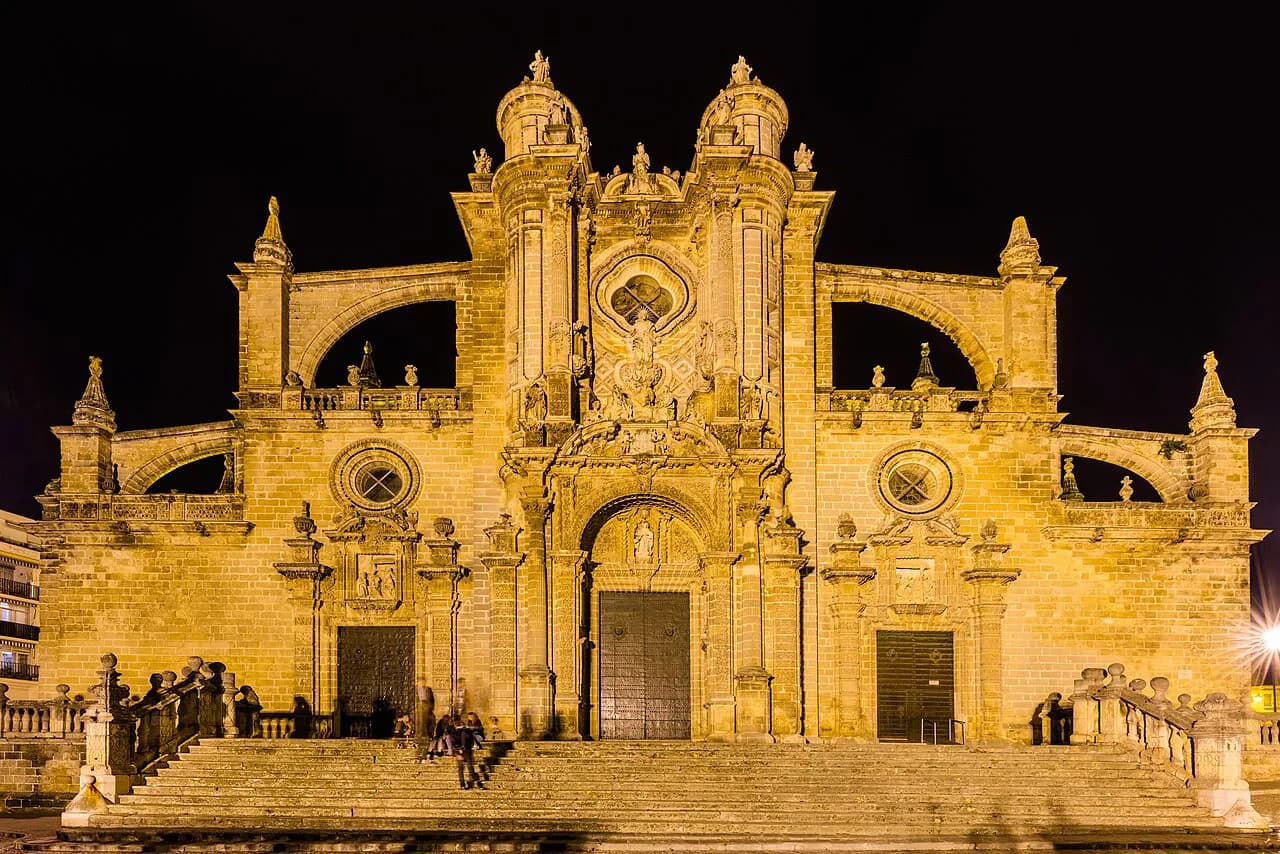
Jerez Cathedral on the Plaza de la Encarnación
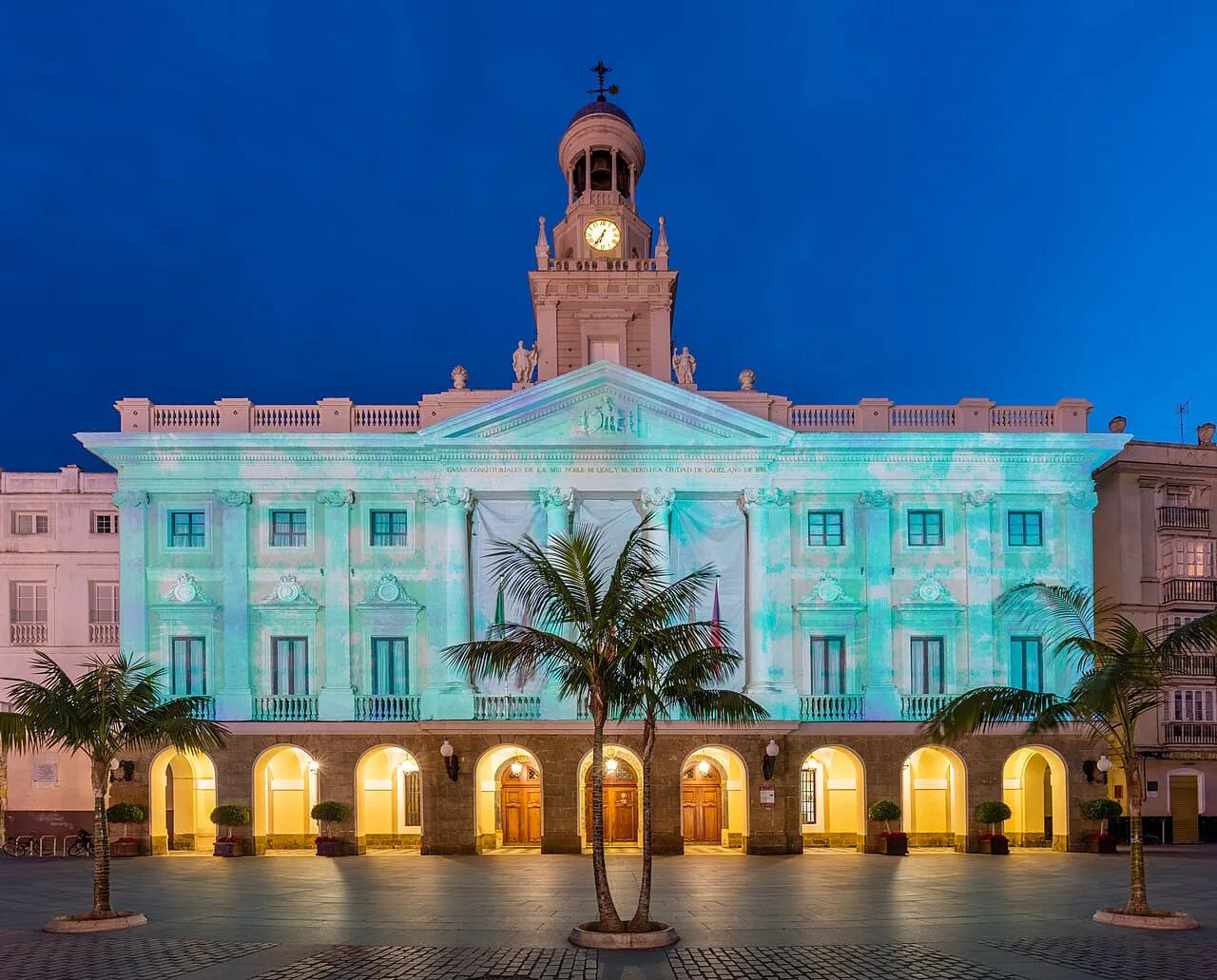
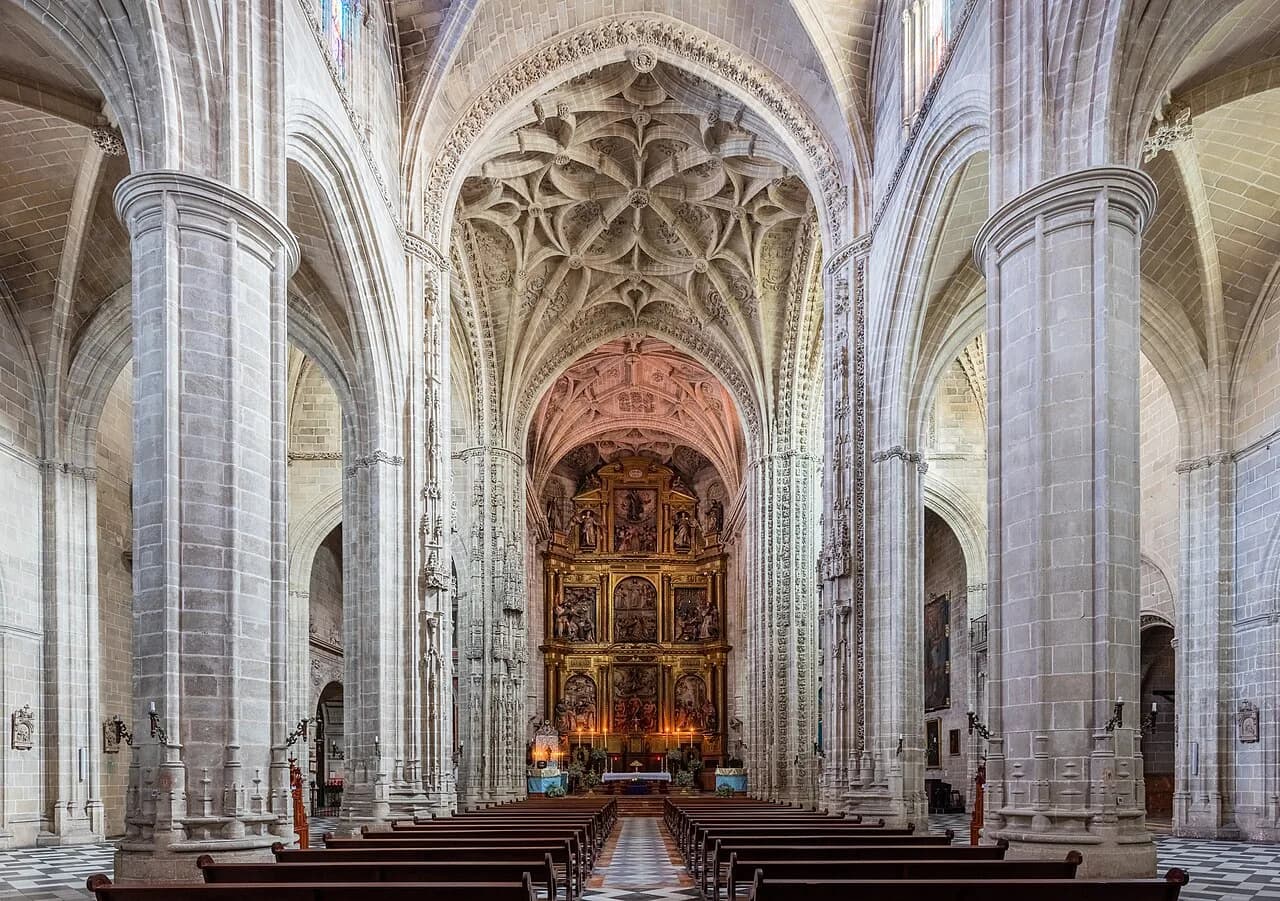
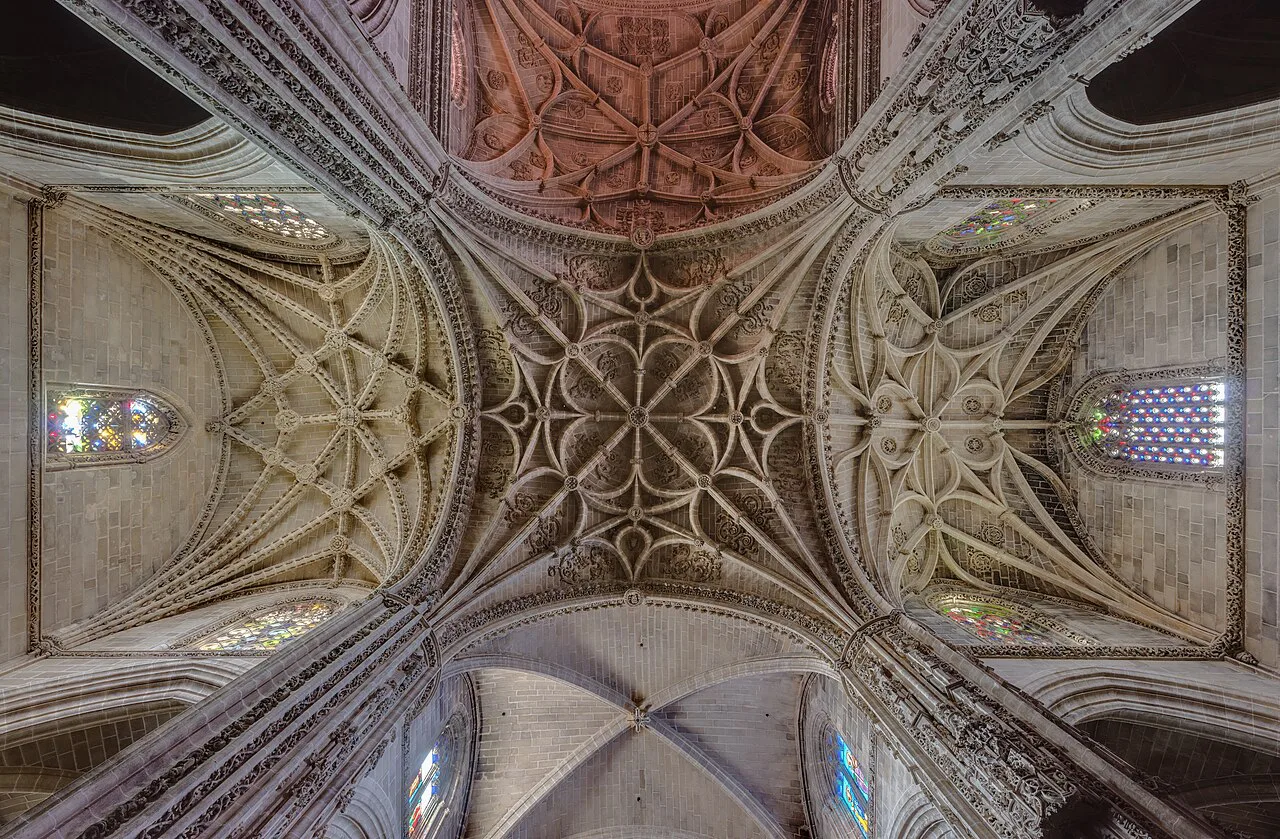
The Catedral de San Salvador faces the Alcázar across the Plaza de la Encarnación, so the two visits pair naturally in a single morning. It is a composite building, Gothic in origin with baroque and neoclassical layers added over time, and its detached bell tower is the silhouette most people photograph. Inside, the art collection and the sheer height of the nave justify more time than the façade suggests.
The cathedral and the Alcázar sit close together in the historic centre rather than shoulder to shoulder on one square, so plot the short walk between them on the Jerez Map before you set out. Treat the cathedral as a building with services rather than a museum that happens to be consecrated: if you arrive during mass, sightseeing stops and you wait. The practical move is to schedule the cathedral first thing and keep the Alcázar as the flexible second stop, since the fortress gardens absorb crowds better than a nave does.
The old town on foot: Plaza del Arenal and Calle Larga
Plaza del Arenal is the open square that works as the city's front room, and Calle Larga is the long commercial street running off it. Together they form the spine of the centre, and once you have walked the length of Calle Larga you have passed most of the shops, cafés and side streets you will want to return to.
Two smaller landmarks sit on this circuit. The Gallo Azul is a distinctive blue-fronted building on Calle Larga, and the Teatro Villamarta is the city's main theatre, worth a look at the exterior even without a ticket.
Andalusian inland heat is the honest constraint here: by midday in summer the walk from the Alcázar to San Miguel stops being pleasant, so put the open squares and long streets early or late and save interiors for the middle of the day. Shops and churches both tend to pause around siesta, so a 2pm stroll can feel like a different city from a 10am one.
San Miguel: the church and the flamenco neighbourhood
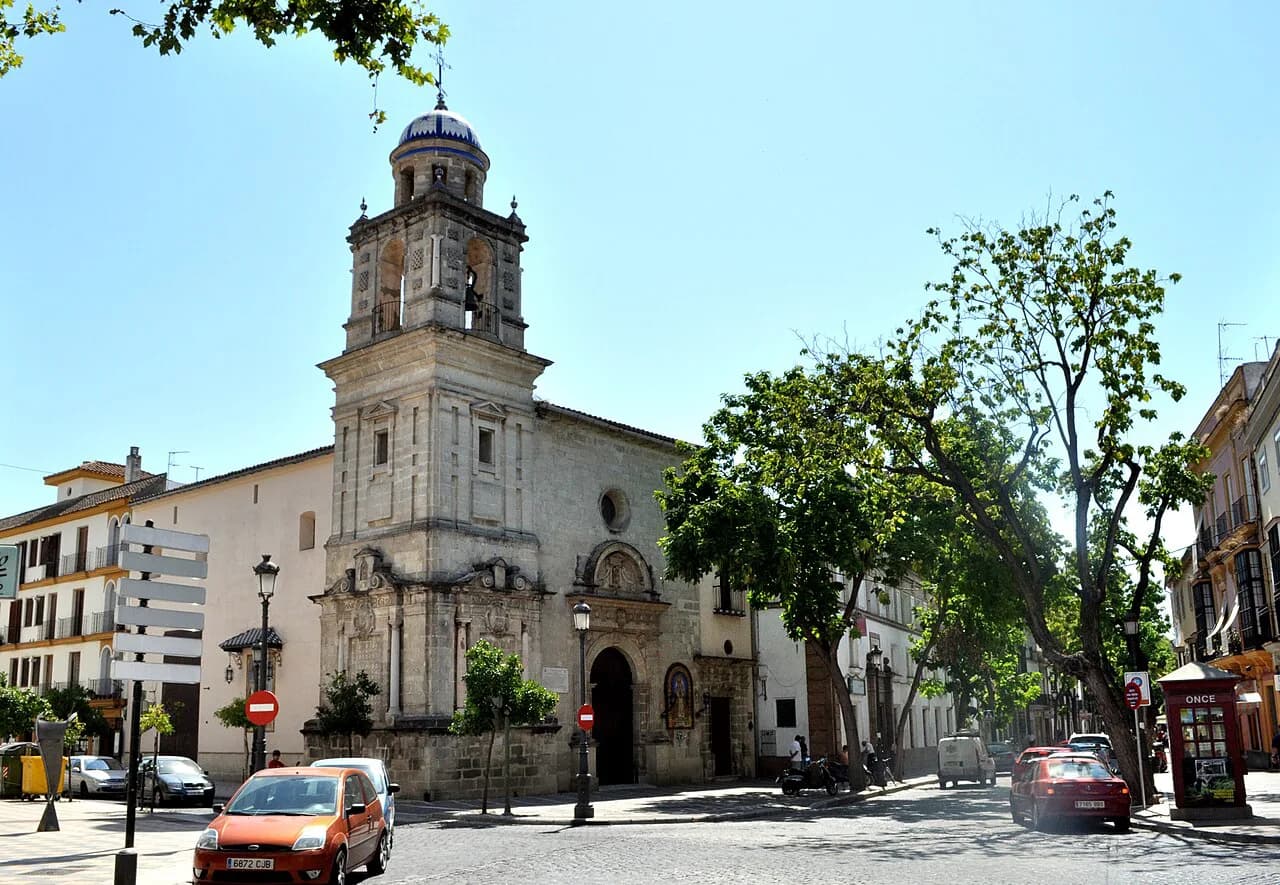
The Iglesia de San Miguel, on the plaza of the same name, is among the finest religious buildings in the province of Cádiz, mixing Gothic, Renaissance and baroque elements from successive enlargements. Its retablo is the highlight inside, and the baptismal font carries a flamenco footnote: the cantaora Lola Flores was baptised there.
The neighbourhood around it is the historic flamenco quarter, and this is where Jerez's reputation for the art is rooted. Pair the church with the streets around it rather than treating San Miguel as a single stop, and keep an eye on service times if you want to see the interior rather than just the exterior.
Santiago and San Mateo: the other historic quarters
The Barrio de Santiago and its church form the second flamenco heartland, and the source material names both Santiago and San Miguel as the cradles of the art. The Iglesia de Santiago and the smaller Iglesia de San Mateo with its own barrio give you two more reasons to walk east and north of the centre rather than confining yourself to Calle Larga.
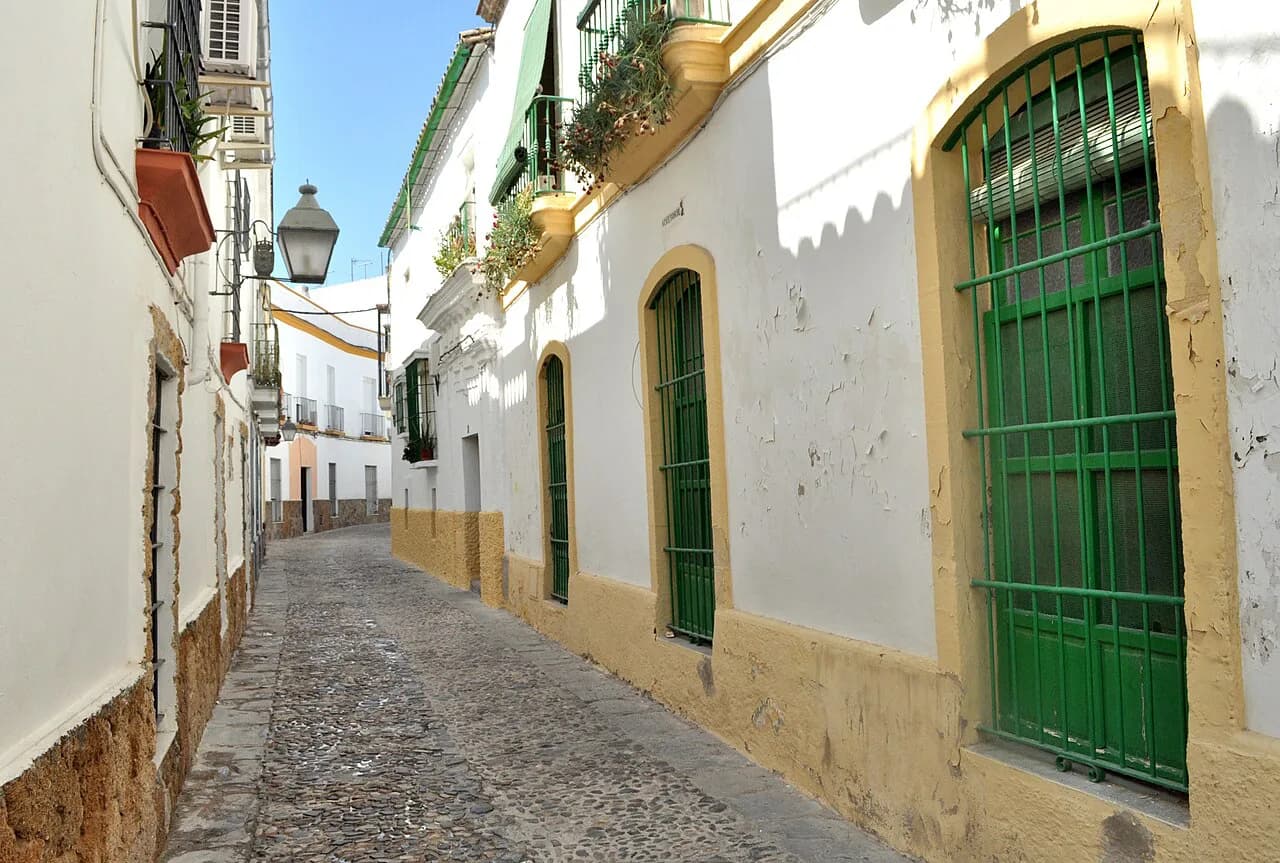
These quarters are residential first and tourist second, which is exactly their appeal: you get whitewashed lanes, small plazas and the sense of a city that lives in its own streets. A tabanco, the traditional Jerez tavern type, is the natural pause here, though the name has nothing to do with cigarettes.
Santo Domingo and its cloisters
The Iglesia de Santo Domingo and its cloisters are a quieter stop than the big two, and the cloister in particular is the kind of space that rewards ten unhurried minutes rather than a photograph. The cloisters of Santo Domingo are the reason to step inside, and the stop slots naturally into the loop between the centre and Santiago rather than making a separate trip.
The Royal Andalusian School of Equestrian Art
The Real Escuela Andaluza del Arte Ecuestre is one of the most prestigious riding schools in the world and the reason Jerez is associated with horses as much as with sherry. It trains the Carthusian horses, and the school's public programme of training sessions and performances is what visitors come for.
If the horse show is the reason for your trip, build the rest of the day around it rather than the other way round, checking dates and booking before you travel. Read the Jerez horse show as a spectacle rather than a museum visit, so go in expecting an arena and an audience.
The Palacio de Campo Real is another equestrian-adjacent stop in the same part of town, useful if you are already in the area for the school.
Flamenco in Jerez: tabancos and shows
Flamenco is not an evening add-on in Jerez but a neighbourhood tradition, with San Miguel and Santiago as the two centres and 19th-century flamenco schools among the first anywhere. For a visitor that means two options: a tablao or theatre show, or the more informal route through a tabanco.
A tabanco is a traditional Jerez tavern where sherry and flamenco share the room, and the atmosphere is closer to a local bar than to a ticketed performance. If you want to understand the quejío, the rawness that distinguishes the Jerez style, a small room suits it better than a large auditorium.
The sherry bodegas and the Tío Pepe wine museum and shop
The bodegas are the economic heart of the city, and the Marco de Jerez produces a range of wines from the driest fino to the sweetest Pedro Ximénez. A bodega visit is a culture visit rather than a tasting session: what you are there to understand is the criaderas y soleras system, the tiers of barrels through which the wine is blended, and the silence of the bodega halls.
Bodega Tío Pepe, run by González Byass, is the best-known house in the centre and includes a wine museum and shop. Bodega tours run to fixed schedules, so check times and reserve the visit you want before you travel.
The Central Market and the Gallo Azul
The Mercado Central de Abastos is the city's food market and one of the named essential stops on a Jerez walk, a working hall rather than a tourist attraction. Go in the morning when the stalls are busy, and treat it as a look at everyday Jerez rather than a lunch stop.
Other stops: Villamarta theatre, Palacio Domecq and the Museo Palacio del Tiempo
Beyond the headline sights, three smaller stops fill a spare hour. The Palacio Domecq is a noble house worth seeing from the street, the Museo Palacio del Tiempo sits among the Atalaya museums, and the Teatro Villamarta anchors the cultural calendar. None needs a half-day; all three work as breaks between larger visits.
Outside the city, the Cartuja de Santa María de la Defensión is the one excursion the local sight list puts on the same page as the centre, and it suits travellers with a car or a spare half-day. The Zoobotánico, the city's zoo and biodiversity centre, is the other option if you are travelling with children or want a slower afternoon.
Getting around Jerez without a car
The historic centre is a walking city. The Alcázar, cathedral, Plaza del Arenal and Calle Larga are all within a few minutes of each other, and San Miguel, Santiago and Santo Domingo are each a short walk beyond that. You do not need a car for a city break.
The train station is the arrival point for travellers coming by rail from elsewhere in Andalucía, with Cádiz, Sanlúcar de Barrameda and El Puerto de Santa María as the obvious neighbours. Jerez also has its own airport, which is why some visitors land here and immediately move on; if you are one of them, give the centre at least a day before you do.
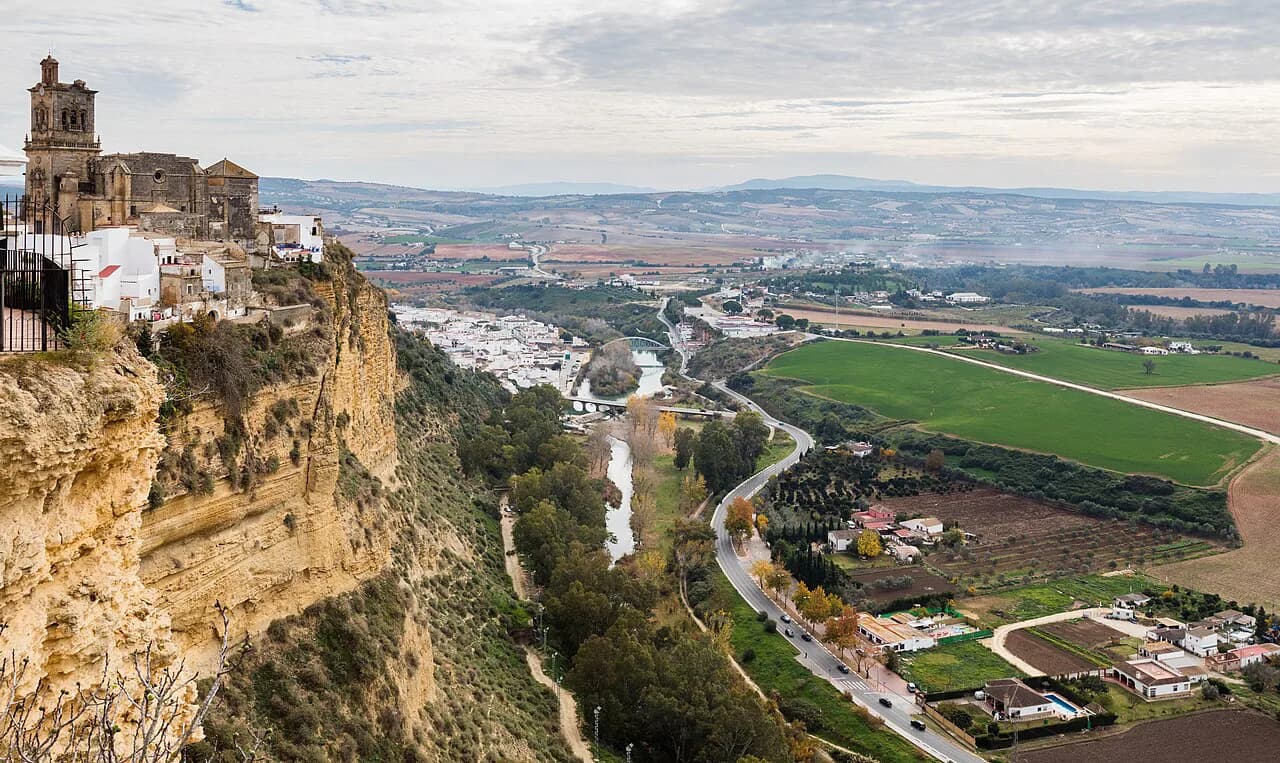
If you want a second town within reach, Arcos de la Frontera sits above the Río Guadalete on the edge of the Sierra de Grazalema and makes a natural contrast to Jerez's flat, workaday streets. For a coastal counterpoint instead, the things to do in a Coruña cover an old town, a marina and the Torre de Hércules.
How the day fits together on a short break
Day one: the Alcázar in the morning, the cathedral immediately after, then Calle Larga and the Plaza del Arenal in the late afternoon. Day two: pick a flamenco quarter, San Miguel or Santiago, and pair it with Santo Domingo and a bodega visit. Day three, if you have it: the equestrian school or the Cartuja, plus the market on the way back.
If you are weighing Jerez against another Andalusian city, remember that this is a working town rather than a stage set, and its pleasures are correspondingly low-key: a fortress, a cathedral, two flamenco neighbourhoods, a riding school and a sherry culture you can actually enter. Two nights is enough to see the centre properly; a third lets you add the school or a bodega without rushing.
Which quarter gets your second morning?
Choose San Miguel if flamenco and a magnificent church are the draw, or Santiago if you would rather walk quieter residential lanes. Either way, settle the bodega or the equestrian school slot first, then build the walking around it, because those two depend on fixed schedules and advance booking while the churches and squares do not.
Explore more Jerez guides
Frequently Asked Questions
Can you fly direct to Jerez from the UK?
Jerez has its own airport, served by direct flights from a number of European cities, and many travellers fly in and then head straight on to Seville or Cádiz. UK routes change by season and by airline, so check the airport's own departures board and the airlines flying the route before you book a short break around a flight.
Is it better to stay in Cádiz or Jerez de la Frontera?
Jerez gives you the Alcázar, the cathedral, the flamenco quarters and the bodegas within walking distance, which is what most short-break visitors come for. Cádiz gives you the sea and a different, more coastal atmosphere. The right answer depends on whether you want sherry and horses or an Atlantic waterfront; Jerez lies in the province of Cádiz, about 11 km from the Atlantic and roughly half an hour by car from Sanlúcar de Barrameda.
What are some hidden gems in Andalucía?
Jerez itself qualifies: many travellers fly in and head straight to Seville or Cádiz without giving the centre a day. Inside the city, the cloisters of Santo Domingo, the smaller churches of Santiago and San Mateo, and the tabancos in the flamenco quarters reward anyone who walks beyond Calle Larga.
Where to eat in Jerez?
Food is outside the scope of this guide, but the Mercado Central de Abastos is a working market worth a morning look, and tabancos are the traditional Jerez tavern type where sherry is served. For specific restaurants, check a dedicated eating guide rather than a sightseeing one.
Sources
Notes for your next Spanish town break
Optional updates to our guides.
You might also like
Continue reading
More guides you'll find useful